
Market data
Environmental Ecological
Explore verified environmental ecological statistics and market research reports with sourced data and trend analysis.
Latest update:
 Claire Beaumont

Invasive Species Statistics
From Florida pythons cutting small mammal populations by up to 99% to invasive zebra mussels filtering up to 1 liter of water per mussel each day, these statistics show how a single invader can redraw entire ecosystems. You will also see the scale of global damage and control, including $120 billion spent annually to manage impacts, invasive pests reshaping food webs, and prevention and early response efforts that can stop new invasions before they take hold.

Shipping Emissions Statistics
Decarbonizing shipping is not blocked by willpower but by price gaps and compliance math, from FuelEU Maritime lifecycle GHG cuts starting in 2025 and IMO DCS reporting due 31 May 2025 to EU ETS coverage hitting 100% after phase in. You will see why fuel combustion dominates CO2 estimates, how speed, routing, and hull care turn into real emissions swings, and where hydrogen only earns net zero if the hydrogen itself is low carbon.

Ocean Plastic Pollution Statistics
Nearly all ocean plastic starts on land, and 11 million metric tons of waste enter the sea every year, with an estimated 91% ending up as microplastics smaller than 5 mm. This page connects that leakage pathway to what it means for ecosystems, people, and policy, including the fact that only about 9% of plastic is recycled globally.

Cardboard Recycling Statistics
See how OCC recycling can swing from a $60 to $100 per ton value gap to major CO2e and cost outcomes, with recycling and material efficiency projected to cut global emissions by about 2.0 to 3.0 GtCO2e per year by 2030. You will also find what drives results from contamination and NIR sorting gains to steam price sensitivity and landfill tipping fees where recycling can come out 5% to 15% cheaper.

Acid Rain Statistics
See how Europe cut transboundary PM2.5 exposure by 19 percent from 1990 to 2010 while 41 percent of freshwater bodies remain at risk from acidification and how the Acid Rain Program supports 100 percent SO2 continuous emissions monitoring compliance in the US. You will also find the economics and ecosystem stakes side by side, from tens of billions of dollars in late 20th century US damages to modern emissions controls delivering major sulfate dropoffs and measurable lake and precipitation pH recovery.

Pollinator Decline Statistics
Across climate change forecasts, 33% of bumble bee species are predicted to decline, while 40% of global insect crop production faces losses if pollination support keeps slipping. The page connects that pressure to farmland reality, including 30% of wild pollinator species threatened by habitat loss and a 50% drop in pollinator richness in some European regions, to show exactly what is at stake for yields and food webs.

Desertification Statistics
Desertification is already reshaping livelihoods at massive scale, with about 12 million hectares of productive land turning to desert each year and 2.6 billion people relying on affected landscapes. See how pressures such as overgrazing, drought intensification and soil salinization translate into real losses, from 12% lower crop yields on affected lands to $42 billion a year in lost ecosystem services and rising costs that reach $8.4 trillion by 2050.

Water Contamination Statistics
Wastewater is tied to 15% of global greenhouse gas emissions, while unsafe water, sanitation, and hygiene drive 58% of diarrhoea cases and 1.2 billion people are at risk of schistosomiasis. See how compliance targets and monitoring tech, from WHO drinking water guideline values to PFAS testing and lead rule revisions, collide with the uncomfortable reality that 80% of wastewater is still discharged without adequate treatment.
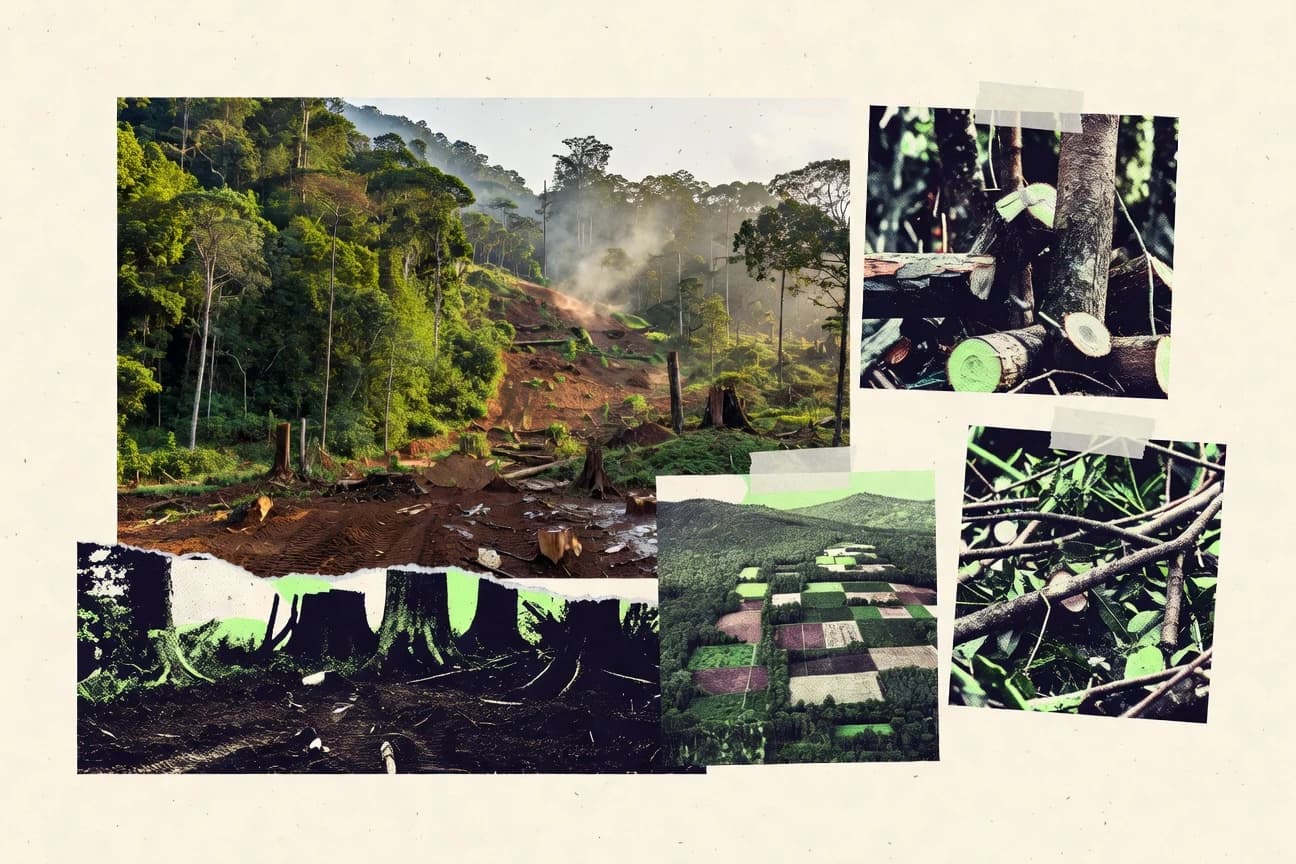
Global Deforestation Statistics
Forest loss is still running at 10.0 million hectares worldwide in 2022, about 27,000 hectares a day, and primary forests keep shrinking as agriculture and cattle push deeper into ecosystems. Global Deforestation connects the climate math, species risk, and health impacts from fire smoke to the policy pressure points that now shape markets, from EU EUDR to Amazon monitoring.

Environmental Racism Statistics
Nearly all heavily polluted Superfund sites, with 99% in zip codes that already carry environmental burden demographics, underline how pollution and race intersect in who gets protected and who gets exposed. Follow how multiple peer reviewed studies and federal tracking efforts connect higher PM2.5 and hazardous air pollution exposure to communities of color, alongside national figures like WHO’s 9 out of 10 people breathing polluted air and the EPA estimate of about 24 million U.S. homes with lead based paint hazards.
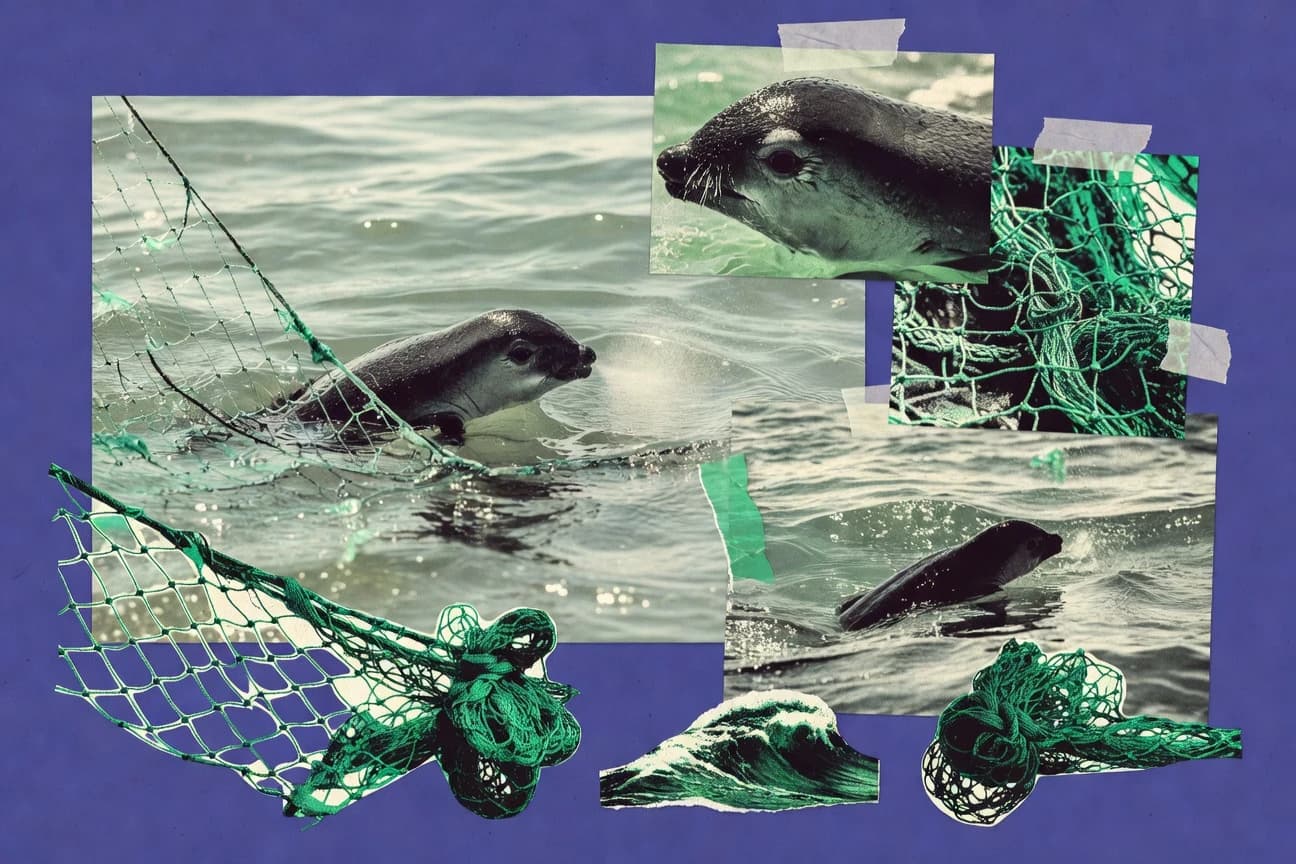
Endangered Animal Statistics
Habitat loss is driving the crisis for threatened wildlife, linked to 70% of species extinctions in the IUCN assessment framework and affecting 70% of threatened species worldwide, while conservation funding still falls far short of what biodiversity pledges demand. See how the latest enforcement and finance snapshots, from 10,000 plus CITES related seizures and 25% growth in wildlife cybercrime to major funding gaps and funding mobilization from MDBs, add up to one urgent question for 2025 and beyond: can protection keep pace with the damage.

Plastic In Ocean Statistics
One page tracks how ocean plastic keeps compounding, with 5.25 trillion pieces estimated to be out there alongside about 11 million metric tons leaking in each year. It also connects the dots from packaging and single use to ingestion and microplastics, backed by trade and policy figures such as 19.8 million metric tons of plastic waste moved globally in 2019 and the 2021 shift in EU rules that start tightening what can and cannot be sent.

Single Use Plastic Statistics
Single use plastics keep showing up where they matter most, with 11 million metric tons of plastic entering the ocean each year and packaging and other disposables driving roughly two thirds of plastic waste in practice. You will see how tight EU targets like 35% recycled content for plastic bottles sit beside evidence of microplastics throughout marine life and in human biomonitoring, making the case for policy to move faster than pollution does.

Great Pacific Garbage Patch Statistics
See why the Great Pacific Garbage Patch is less a single blob and more a drifting, year to decade persistent spread of plastic that covers roughly 10 million km² in the North Pacific Subtropical Gyre, with plastic inputs averaging 10 million metric tons per year and about 93% of floating particles smaller than 5 mm. You will also see how that invisible size shift feeds into microplastics counts and impacts, from thousands of particles per m³ in gyres to measured ingestion and entanglement harm across marine wildlife.

Haiti Deforestation Statistics
At Haiti’s peak demand, an estimated 1,000,000 tons of charcoal are produced or used each year, even as early 2000s estimates place forest loss at about 7,000 hectares annually and the country’s energy and cooking needs keep solid fuels deeply entrenched. The page connects that pressure to fragmentation, high landslide susceptibility, and measurable knock on effects like higher sediment export and flood peaks so you can see how deforestation becomes an everyday risk, not just a land cover trend.
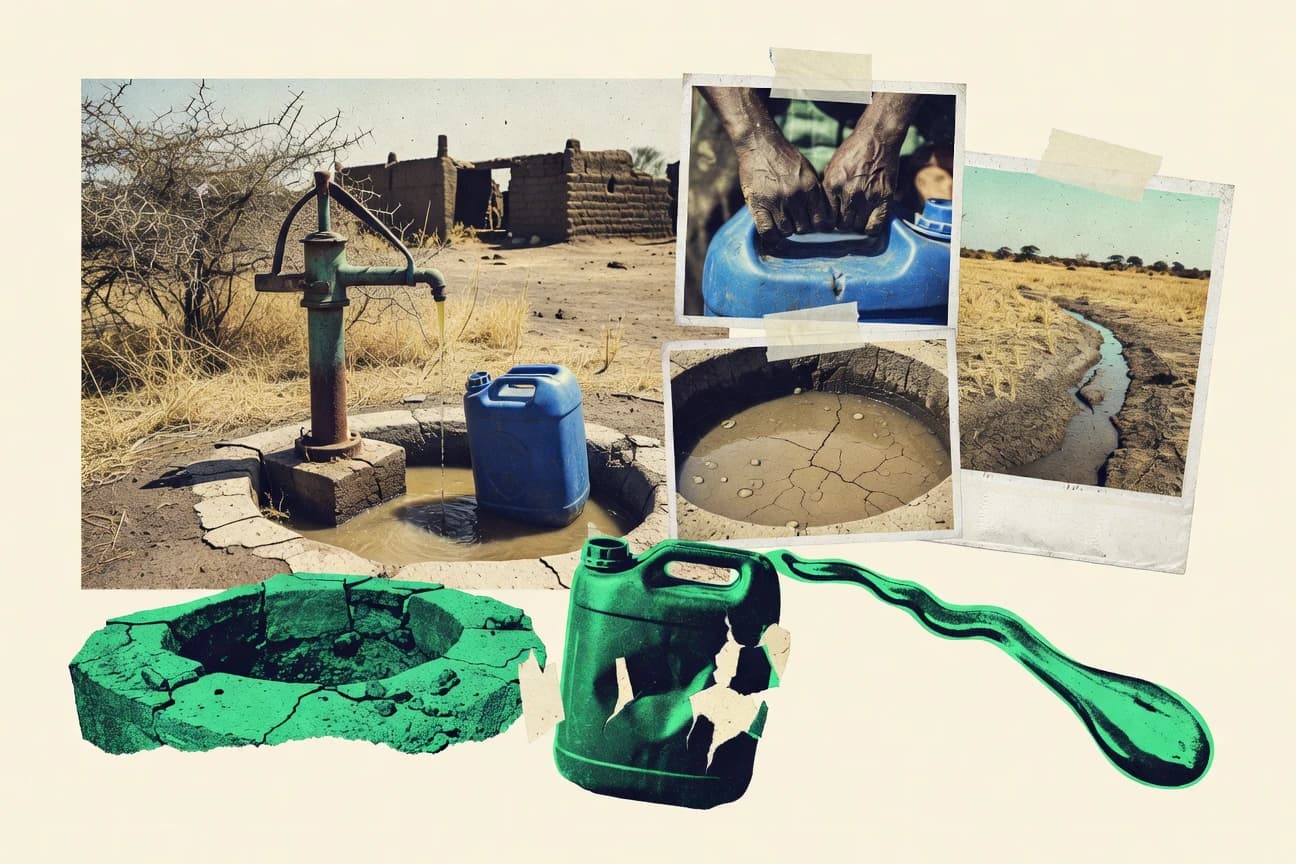
Water Scarcity In Africa Statistics
Even as drought and climate stress intensify, 39% of Africa’s population, about 440 million people, live in places with high water stress, while 700 million Africans are projected to be without access to improved water by 2030 under current trends. The page connects these service gaps to real outcomes, from widespread WASH-linked illness and deaths to shrinking basins like Lake Chad and rising pressure on already strained freshwater and hydropower systems.

Waste Management Statistics
Food waste keeps showing up where you might least expect it, with 69% of U.S. households reporting they generate it at least weekly, while only a 5.9% U.S. composting rate turns that potential into soil instead of emissions. From 34% of methane tied to landfills to a global recycling and recovery gap that runs all the way to 65% EU recycling by 2035, this page connects the household bin to policy targets and market pressure.

Illegal Wildlife Trade Statistics
Global illicit wildlife trade is estimated at US$1.4 billion per year and 2.5 million illegally traded animals, yet enforcement support is scaling alongside the threat with INTERPOL backing 4,000+ wildlife crime investigations in 2021 and CITES Secretariat capacity building on 200+ activities since 2010. Track where seizures and tracing gaps happen, from ivory and pangolin scale busts to online purchase instructions, and see how smuggling routes and laundering risks turn illegal commerce into a direct driver of extinction and public health harm.

Habitat Loss Statistics
Habitat loss is the top threat to threatened species, and it shows up across taxa, even as the world converts land faster for agriculture and pasture than for any other purpose. See how shifting pressures are playing out now with 2023 Brazilian Amazon deforestation down to 13,235 km² after earlier peaks, while forests shrink and fragmentation, emissions, and extinction risk reinforce the same feedback loop.

Wastewater Treatment Industry Statistics
The page puts a spotlight on 2023 cost and performance pressures, from U.S. household wastewater bills rising 4 percent to an average of $0.004 per gallon to global energy costs hitting $0.50 to $1.50 per m³ where electricity can dominate budgets. It also tracks the hard tradeoffs behind upgrades such as nutrient retrofits adding $1 to $3 million per MG per day while membrane and sludge realities shape lifetime expenses, plus the climate and compliance signals that can swing spending fast.