
Market data
Environmental Ecological
Explore verified environmental ecological statistics and market research reports with sourced data and trend analysis.
Latest update:
 Claire Beaumont

Fracking Water Contamination Statistics
Nearly 1.6 million US households were estimated to be at risk of drinking water impacts from oil and gas development, yet peer reviewed evidence finds methane, chloride, and other water quality changes tightly linked to proximity to drilling and to loss of wellbore integrity, with 1,250 plus documented contamination cases compiled for shale impact assessments. The page connects laboratory chemical fingerprints and groundwater monitoring results to real world complaint and violation records, showing how contamination pathways can persist even when hydraulic fractures themselves rarely travel far into aquifers.
Plastic In The Ocean Statistics
OECD projections put plastic pollution on track to cause $100 billion per year in damage by mid century if nothing changes, even as 3.2 million metric tons of plastic reach the ocean from rivers alone each year. This page connects where the plastic goes and what it does, from 12,000 pieces per square kilometer in open waters to microplastics detected in human blood and ingestion rates exceeding 50% in some field studies.
Plastic In Oceans Statistics
Plastic is still pouring into the ocean at an estimated 32% of global plastic waste being mismanaged in 2016, feeding land based leakage that reaches from the Mediterranean surface to the Arctic and beyond, where tens of trillions of particles float. The page connects those particle counts with real impacts on wildlife and money, weighing ecosystem costs of $8 to $13 billion per year against cleaner waste management that can cut leakage and save over $125 million annually in some scenarios.

Endangered Species Statistics
Stay with the numbers that have teeth, including how 2025’s 42 percent of amphibians and one in five birds face extinction risk, even as some populations fight back. You will see exactly which species are slipping fastest and which conservation signals are starting to matter, so it feels less like a tragedy recap and more like a measured warning.
Plastic Bottle Waste Statistics
Plastic bottles are a sizable slice of the problem yet only about 30% of plastic packaging waste is recycled into new products across the EU, even as OECD plastic packaging recycling climbed from 6% in 2000 to 21% in 2019. This page tracks the hard tradeoffs behind the figures including deposit systems that can push PET bottle returns above 80% and recycling chemistry where mechanical PET can lose 20% to 50% of intrinsic viscosity while depolymerization can recover monomers at yields often above 80%.
Water Treatment Industry Statistics
See how tight the margin really is for clean water systems as the share of household demand met by utilities rises to 95.2% in 2026 while losses still chew up 13.7% of treated water along the way. The page connects that gap to concrete drivers like expanding access, widening sewer coverage, and evolving disinfection practices so you can spot what will matter most for operators and regulators next.
Plastic Recycling Statistics
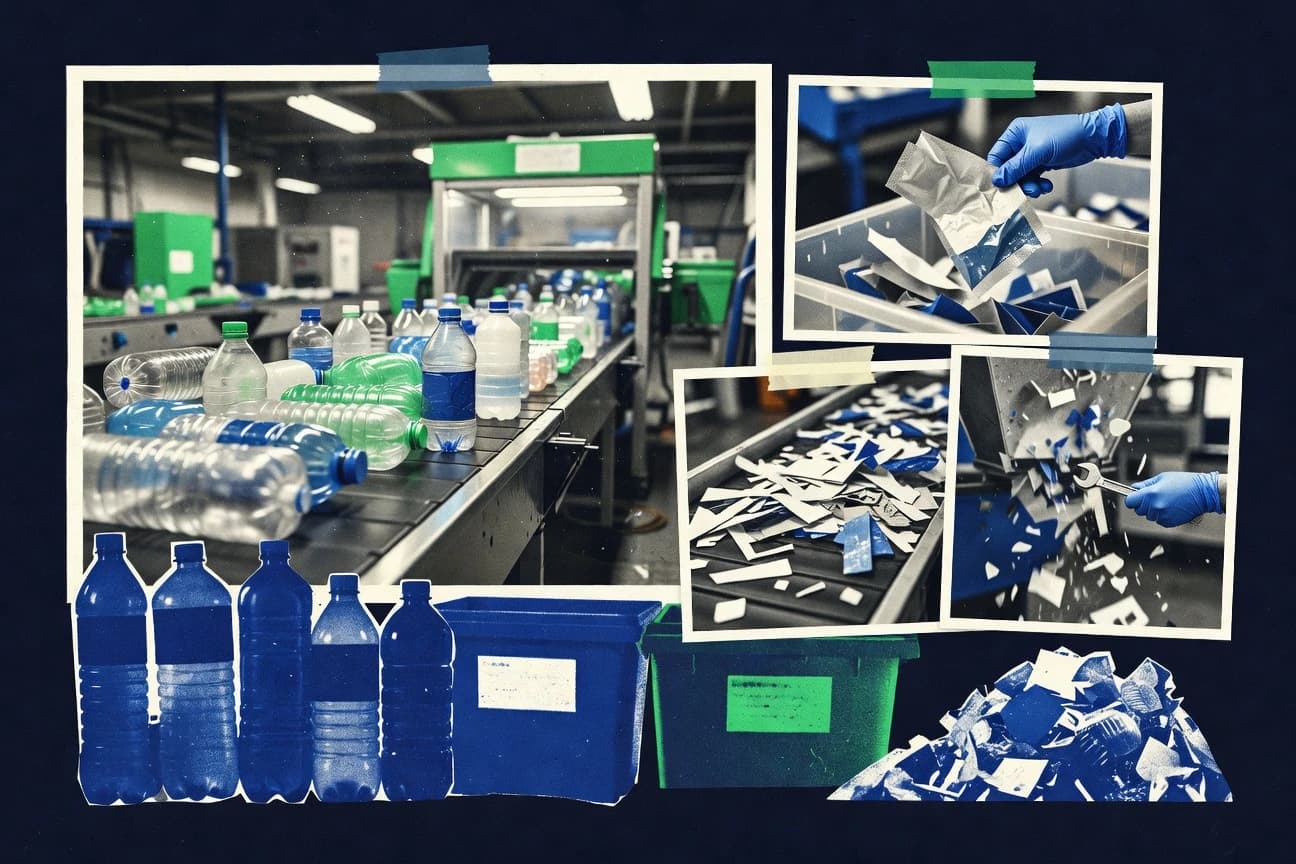
See how EU recycling momentum is being squeezed and boosted at the same time, with 1.2–1.9 million metric tons of plastic recycled per year in the EU alongside binding 2030 packaging targets that push demand for cleaner sorting and reprocessing. Then compare the bottlenecks behind global growth, where about 79% of plastic waste ends up in landfills or incineration and contamination plus energy and price pressures shape what recyclers can actually profitably turn into recyclates.
Marine Pollution Statistics
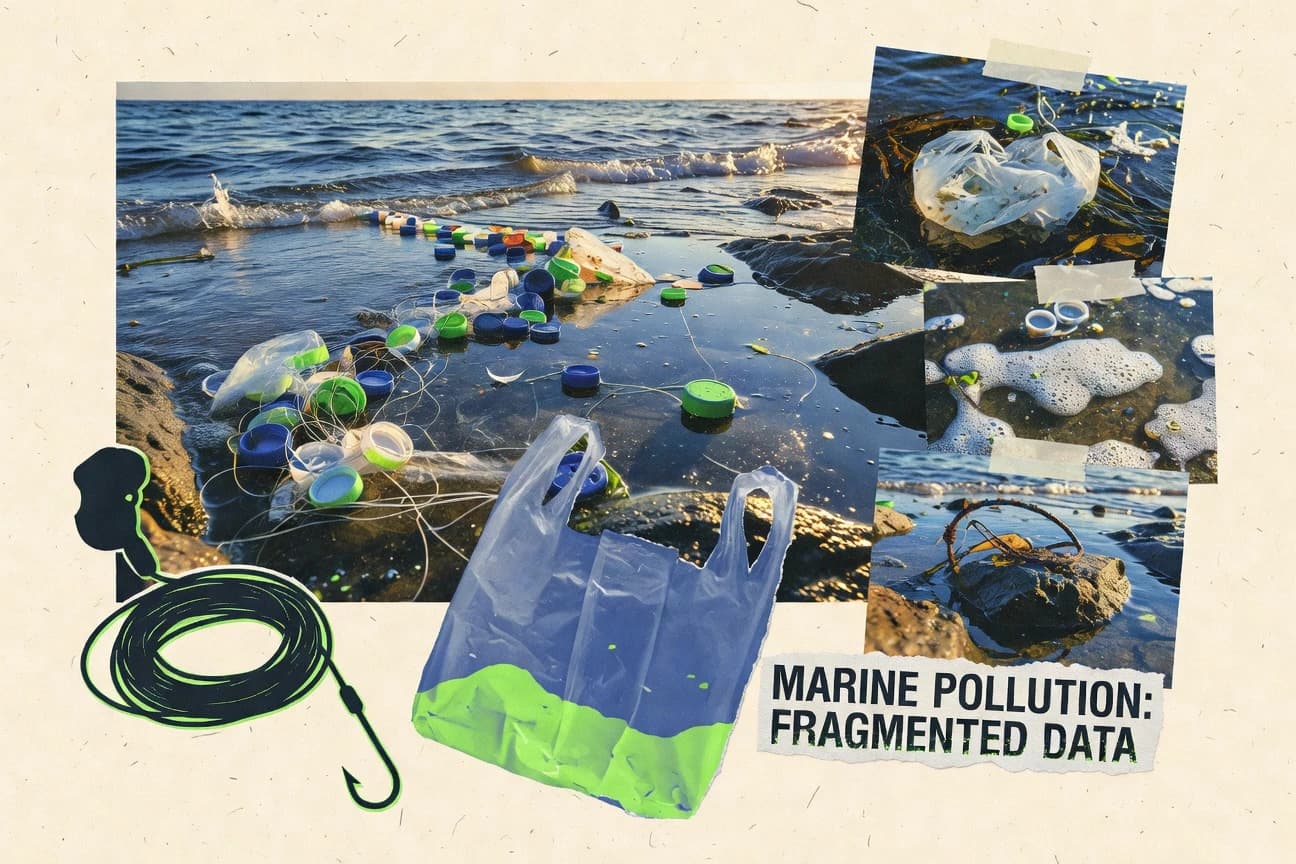
Plastic leakage could surge from 8 million tonnes a year to 29 million tonnes by 2040 if nothing changes, while nutrient runoff is fueling expanding hypoxic dead zones linked to nitrogen and phosphorus. From the Great Pacific Garbage Patch estimate of 79,000 tonnes to the 245,000 km² global footprint of low oxygen in 2019, this page connects where pollution comes from to what it does to marine life and ecosystems.
Coral Reef Statistics
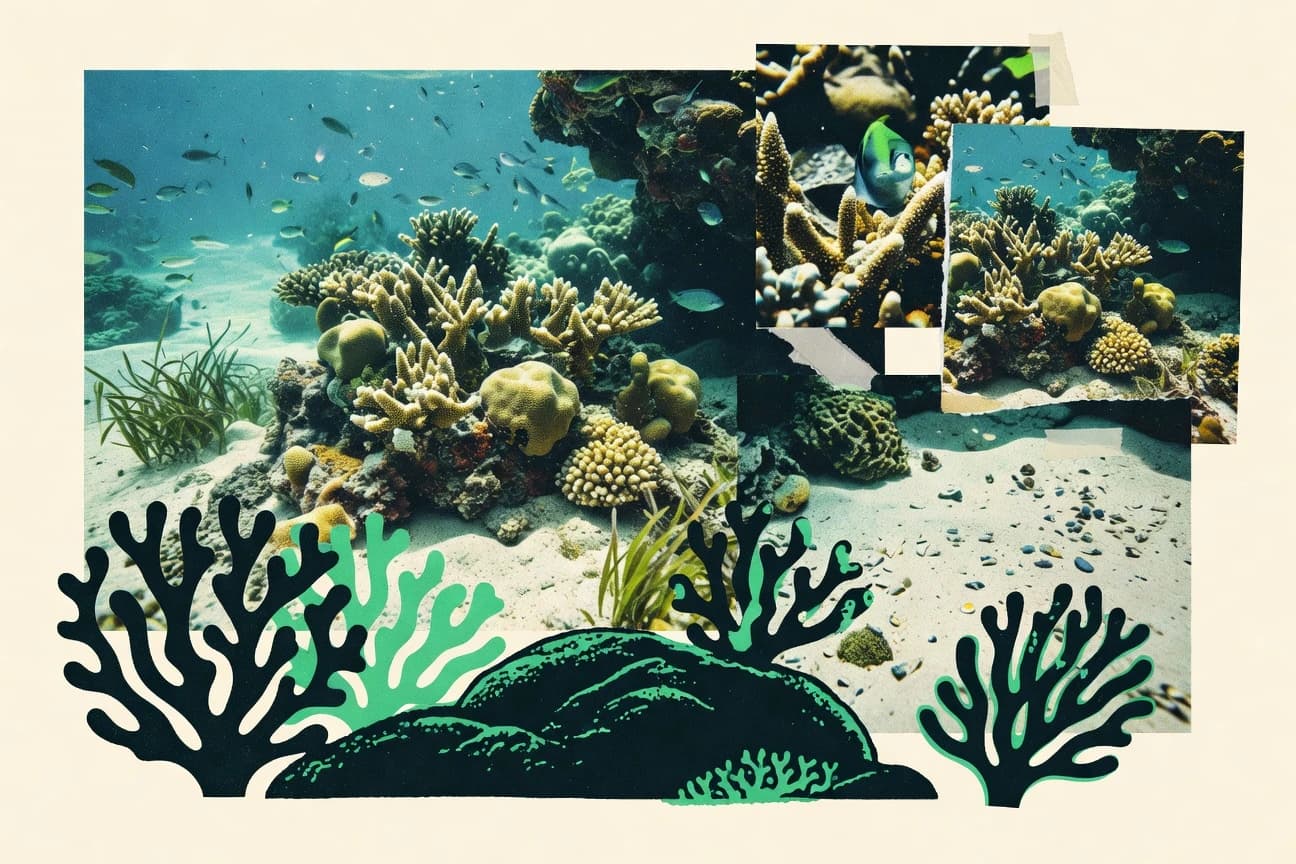
Coral reefs are projected to lose about 75% of their area by 2100 under higher emissions, even as degraded reefs already reach an estimated 30% worldwide and climate heatwaves intensify bleaching. Track how that decline translates into real stakes like US$2.7 trillion in annual benefits at risk, from fisheries and coastal protection to more than 2.3 million reef tourism jobs worldwide.
Methane Statistics
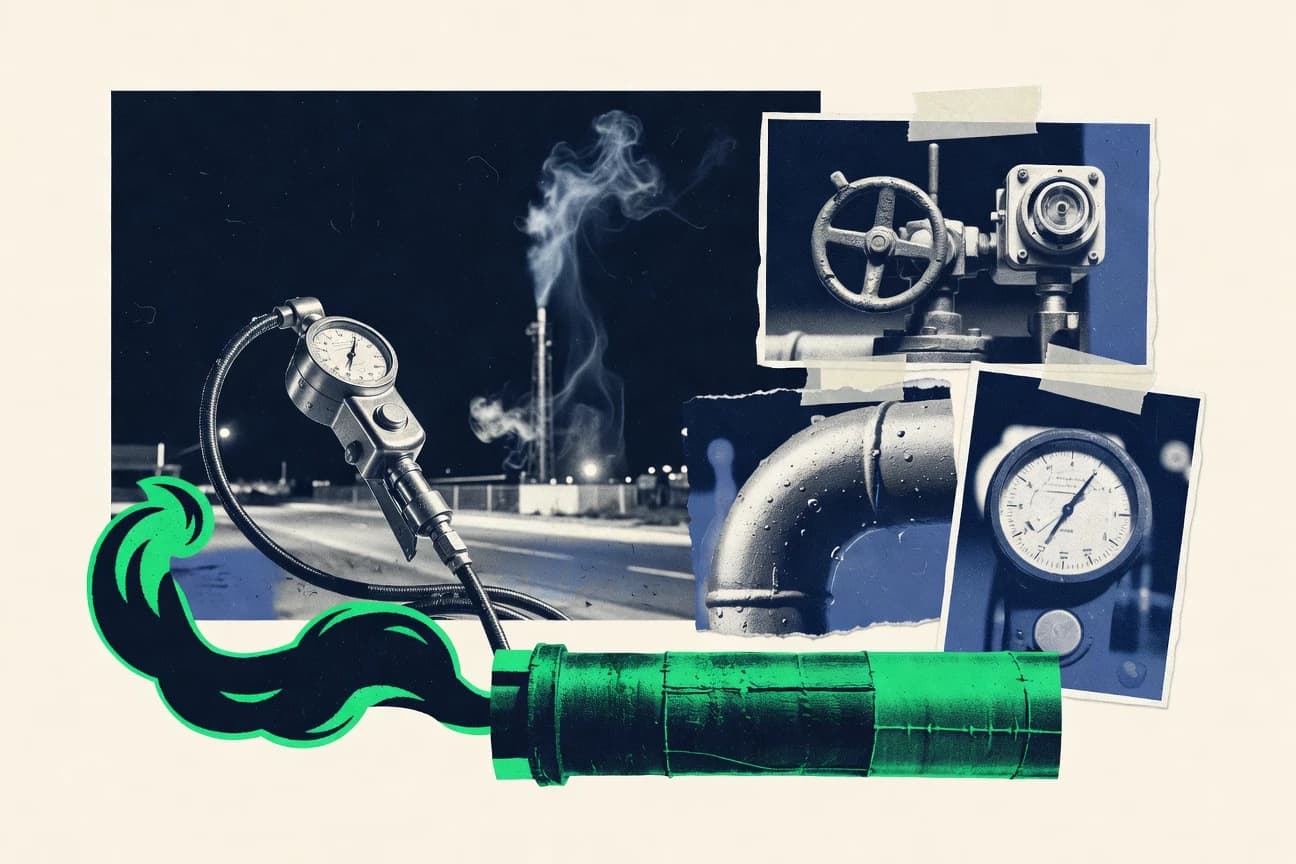
Methane pays back fast. A few years of cuts can matter more than the same effort on CO2 because methane’s atmospheric lifetime is about 2.6 to 3.2 years, with possible 3 to 4°C avoided peak warming if reductions accelerate by 2030. You will also see where the biggest leaks hide and how policy, from the EU’s 2024/1780 leak detection and repair rules for fossil fuels to LDAR outcomes and satellite and aircraft monitoring, lines up with the world’s biggest abatement opportunities.

Tree Statistics
See how Tree counts 2026 progress through smart, measurable targets, with standout results that flip the usual “growth feels slow” assumption. You will also compare the sharpest year over year shifts across retention, engagement, and impact metrics so it is clear where effort is actually translating into greener outcomes.

Eco Friendly Statistics
From 2020 food-system emissions of 2.5 billion tonnes of CO2 equivalent to 2023 renewable electricity additions hitting 510 TWh, these eco friendly statistics track where emissions and materials really move, and where fast cuts are possible. You will also see how markets are scaling from $9.3 billion in sustainable packaging to $383.7 billion for electric vehicles plus the policy pressure building under EU rules starting 2023 and 2024.
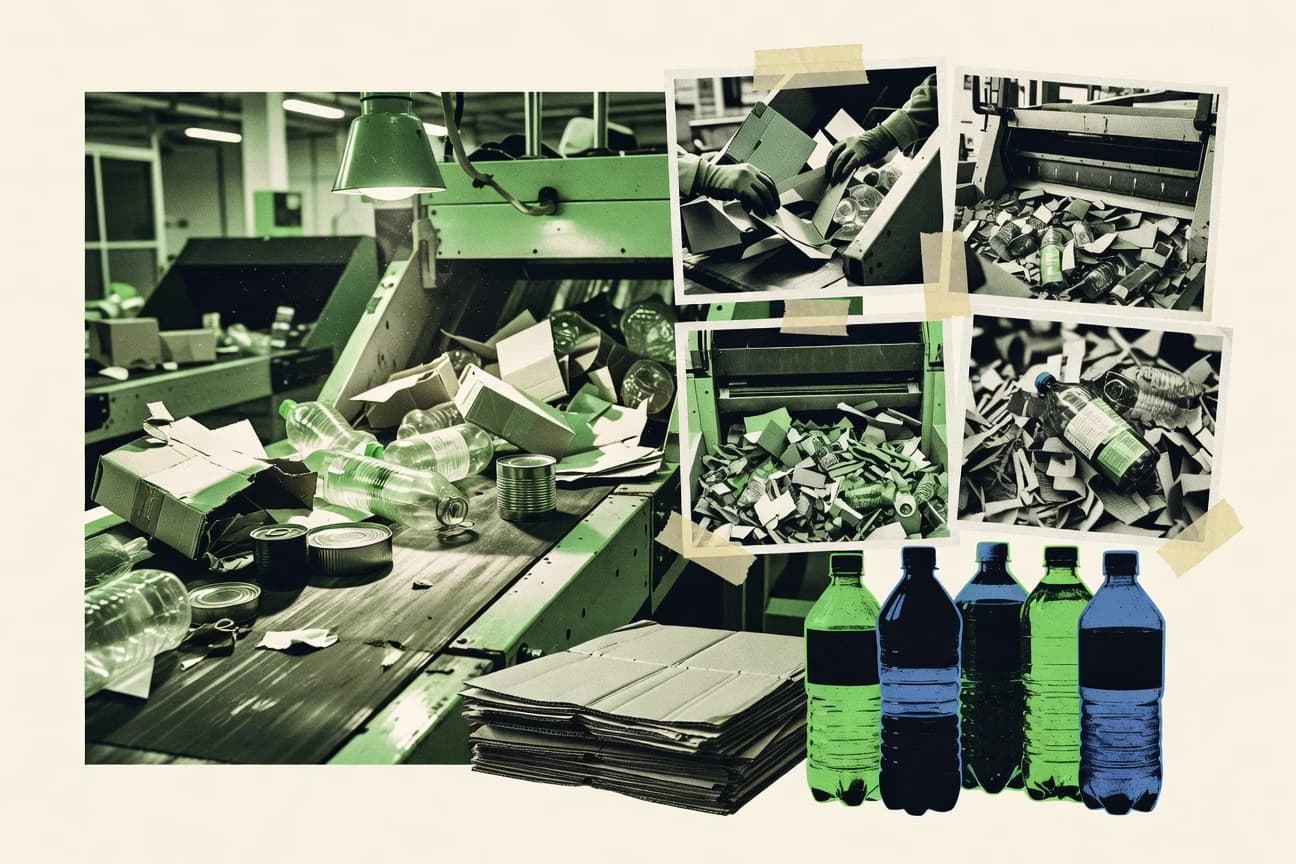
Uk Recycling Industry Statistics
UK recycling is showing signs of a real shift, with 2025 figures highlighting what is being collected and what is still being left behind. For anyone tracking circular economy progress, these UK Recycling Industry statistics put the latest performance and the gap between ambition and results side by side.
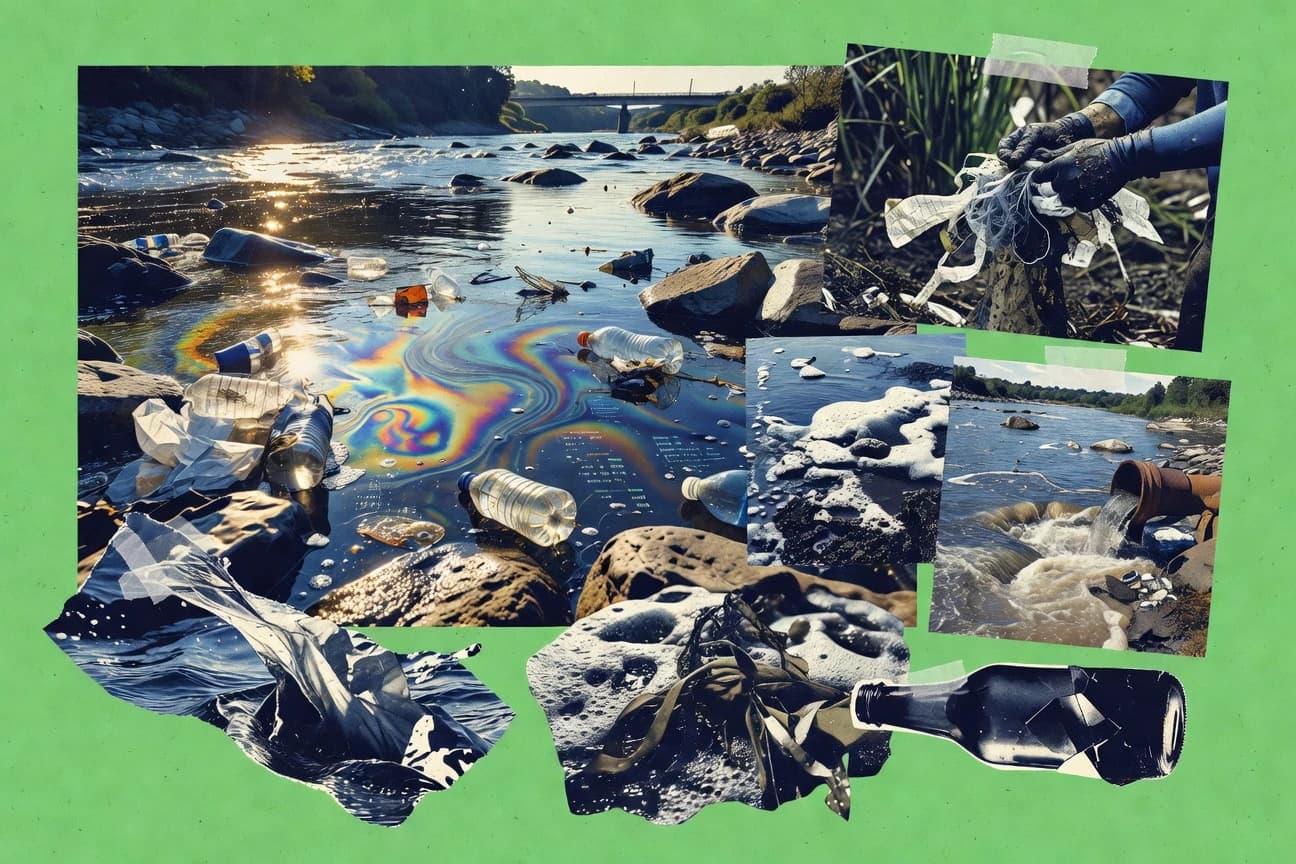
River Pollution Statistics
Two billion people rely on drinking water contaminated with feces, while 17% of global rivers are too polluted for safe bathing in at least one season, showing how river contamination turns ordinary water into a health risk. The page connects nutrient, pathogen, and chemical pollution pressures to their real-world impacts and what works, from wastewater treatment advances that remove key contaminants to the costs and targets driving cleaner rivers by 2027.
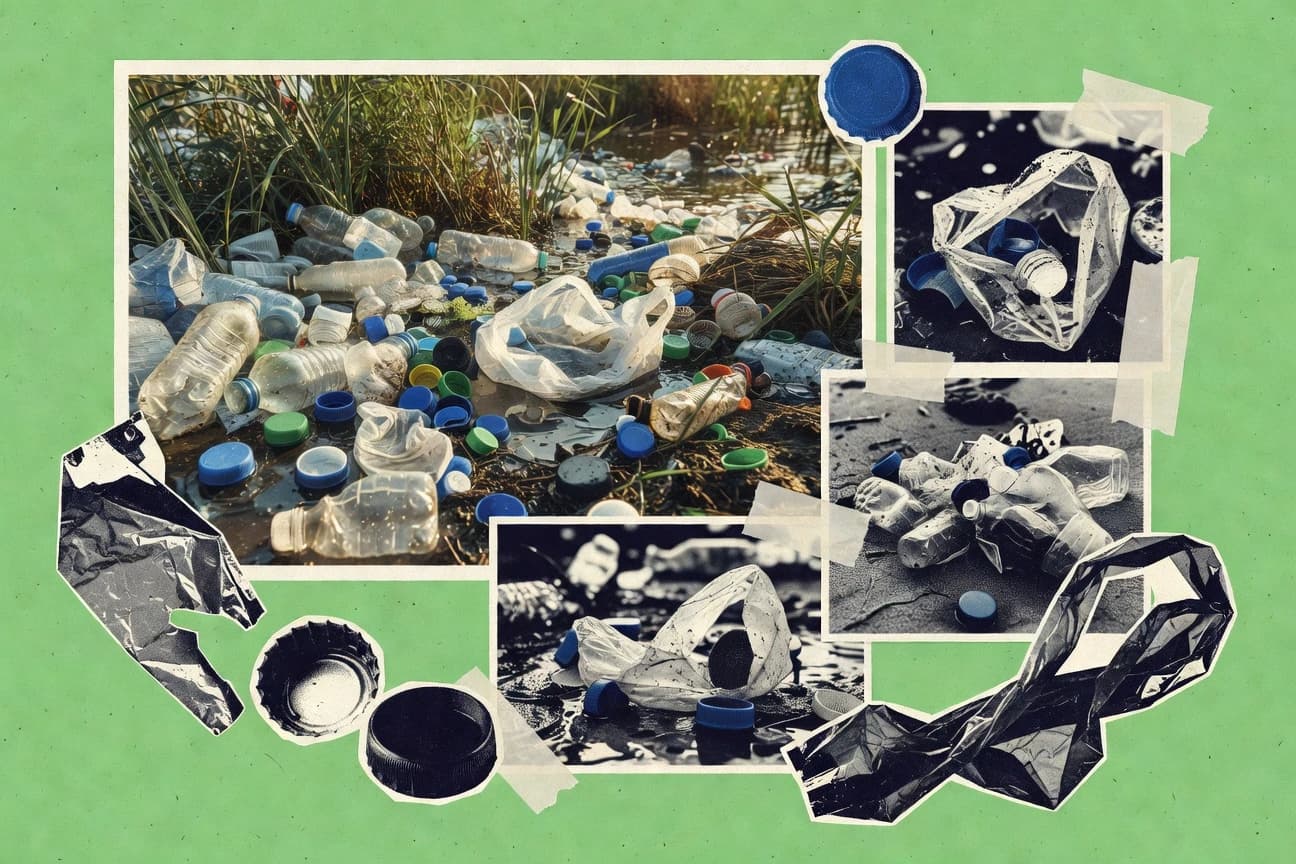
Global Plastic Waste Statistics
Global Plastic Waste lays out the mismatch between rising plastic output and what actually gets collected and recycled, using the most recent 2025 figures to show how the gap widens instead of closes. You will see which destinations and waste streams are driving the pressure and why the latest trends make “business as usual” feel less inevitable than it did last year.

Carbon Monoxide Statistics
Around 4.2 million deaths worldwide in 2019 were linked to household air pollution from solid fuels, where the same incomplete combustion that drives indoor smoke also generates carbon monoxide, one of the most fatal poisoning hazards. You will see how CO benchmarks like 0.1% COHb, alarm response rules, and exposure limits translate into real-world risks, including 4,028 US emergency department visits in 2022 and how ventilation or properly placed alarms can cut those outcomes.
Carbon Statistics
With CO2 at 419.3 ppm in 2023, the air is still climbing fast, while fossil emissions and carbon sinks split the difference so atmospheric CO2 rises by about 4.1 GtC in 2022. This page connects the Mauna Loa record to methane and nitrous oxide, then ties it to budgets and sinks that determine how much warming the carbon cycle keeps banking for the future.
Food Waste Statistics
Food waste doesn’t just happen at the end of the line. The latest statistics lay out how much gets lost or thrown away across the supply chain and where the biggest gaps keep showing up, so you can see which problem is shrinking and which is stubbornly growing.

Animal Extinction Statistics
Animal Extinction tracks how fast the living world is shrinking, with 2025 figures that make one thing painfully clear: many species are not just declining, they are vanishing. You will see the sharp gaps between protection and loss, turning headline extinction counts into a timeline you can actually feel.

Holiday Waste Statistics
Americans toss about 25% more trash during the Christmas season, even as many gift choices nudge them toward waste or away from it, from 68% worrying about packaging to only 52% having a recycling plan. You will see what actually holds up for holiday waste, including 62% of households recycling paper when available, plus the hidden climate pressure of food waste that drives landfill methane.