
Market data
Social Issues Societal Trends
Explore verified social issues societal trends statistics and market research reports with sourced data and trend analysis.
Latest update:
 Margot Villeneuve
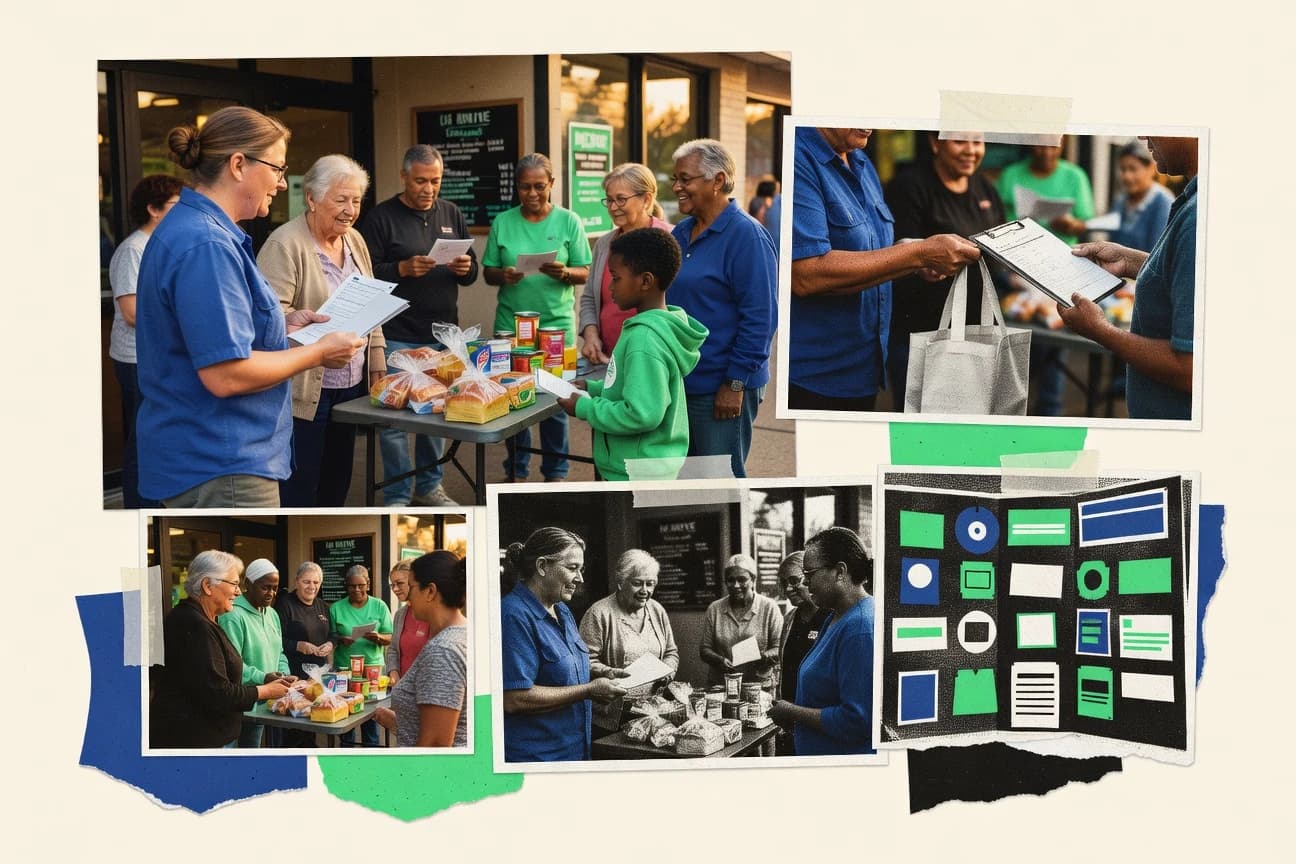
Community Engagement Statistics
Community engagement is going far beyond goodwill, with Google.org community grants exceeding $1 billion since inception and Fortune 500 CSR spending on communities reaching $25 billion annually. But the page doesn’t stop at totals, it contrasts volunteer and event impact across the real world and social platforms, from Walmart giving hitting $1.5 billion in 2023 to 85% of executives prioritizing community partnerships.

Microaggression Statistics
Microaggressions are not minor slights, they show up as measurable academic harm, including a 25% GPA drop for Black students and a 28% class participation decline for Asian American students. The page connects those outcomes to health, attendance, and career consequences, then pairs them with what actually reduces microaggressions, from a 35% school decrease after awareness programs to a 28% drop from bystander training.

Bullying Bystander Statistics
Only 19% of students intervene during bullying, while 25% stay passive and 35% feel stuck on what to say or do, yet a bystander step takes effect fast when bullying is stopped within 10 seconds of intervention. This page breaks down what people actually do in person and online, including why cyberbullying defenses are even rarer, and what schools can do to shift bystanders into upstanders.

First Impressions Statistics
First impressions crystallize astonishingly fast, with 94% of impressions formed from visual cues within the first few seconds and primacy making them about 2x more influential than what comes after. Yet the page also shows why they linger and mislead, from 82% sticking to initial trust judgments after updates to accuracy dropping to just 20% for conscientiousness, so you will see exactly what predicts outcomes and what deserves a second look.

Americas Moral Decline Statistics
Church membership has fallen from 70% in 2000 to 47% in 2020, while weekly Catholic attendance drops to just 17% in 2022 and religious trust keeps sliding, with clergy scandals still echoing. This page lays out how faith, family stability, and even public safety have shifted across the same decades, with 2023 drug overdose deaths at 109,680 and today’s “nones” projected to reach 34% by 2050.

Positive Effects Of Social Media Statistics
Social media is doing more than driving clicks. From 75% of professionals landing jobs through LinkedIn to campaigns increasing vaccination rates by 22% and social sharing cutting customer acquisition costs by 23%, these 2024 and newer results show how platforms can raise sales and support real world progress at the same time.

Child Marriage Statistics
Every minute, 23 girls are married as children, and 650 million women alive today were married before 18, so the harm is already locked in and still expanding. This page connects who is most affected, where child marriage is concentrated, and how it drives lost schooling, rising health risks, and huge economic costs all the way through UN timelines to 2030.

Overconsumption Statistics
Online buying is now a weekly habit for 45% of Americans, and the fallout is showing up everywhere from $2.5 trillion in annual economic losses from waste to 40% of purchases regretted within days. Get the full picture of how convenience, subscriptions, and fast fashion are scaling up while society pays for the cleanup, the health impacts, and the environmental damage.

Poverty And Homelessness Statistics
After recent rent pressure and policy shifts, about 12.9% of Americans are estimated to be living in poverty in 2023, while 1.4 million US children experience homelessness in the 2023 pre K to 12 school year. You will see how child tax credit changes can swing poverty outcomes, why LGBTQ and foster youth face outsized risk, and what the true costs look like for families and public systems.

Teen Violence Statistics
Bullying and dating violence still touch classrooms and screens, from 14 percent of high schoolers bullied on school property in 2021 to 1 in 11 adolescent girls forced into sexual intercourse. The page also connects cyberbullying and harassment to life altering outcomes, including that bullied teens are 2.2 times more likely to attempt suicide and that only 36 percent of cyberbullied teens tell their parents.

Religious Discrimination Statistics
Recent reporting and workplace records capture how religious discrimination keeps finding new targets, from 4,381 antisemitic incidents across 16 EU cities and 8,873 antisemitic incidents in the US to employment claims rising to 1,839 at the EEOC and more Muslim workers reporting denied accommodations for prayer and Sabbath observance. Read this page to see how school bullying, campus bias, and hate crime patterns connect across countries and how accommodation and enforcement gaps shape what people face day to day.

Cyber Bullying Statistics
Cyber bullying leaves lasting mental health scars, including a 60% jump in anxiety within just 3 months for ages 12 to 18 and 30% of cyberbullied youth attempting suicide compared with 7% of non bullied peers. You also learn how quickly it hits daily life, from sleep and school performance to aggression and PTSD, and why only a small share of cases reach platform bans or police reports.

United States Poverty Statistics
U.S. poverty continues to fall on the official measure, dropping to 11.5 percent in 2022, yet projections warn it could climb to 13.5 percent by 2025 without new interventions. For readers focused on who is being left behind, the page contrasts historic gains with persistent pressure points such as child poverty rebounding after tax credit changes and food insecurity reaching 12.8 percent.

Pro Choice Statistics
After Dobbs, bans and travel have collided with a new reality where 1 in 5 abortions happen by telehealth and 93% occur before 13 weeks, even as restrictions in ban states cut abortions by 64,000 and force many people to seek care across state lines. The page pulls together the latest estimates on how access shapes health, cost, and economic opportunity, from near zero abortion deaths with regulation to the 78% poverty gap exposed by the Turnaway Study.

Native American Violence Statistics
Nearly half of AI and AN children, 50.5% in 2019, experienced abuse or neglect, yet child maltreatment moves through systems at striking rates including the NCANDS fatality rate of 4.4 per 100,000 infants and foster care driven by neglect at the highest level, 42% in 2019. This page connects those child outcomes to violence patterns across families, including that alcohol was involved in 80% of AI and AN child physical abuse cases and AI and AN people experienced violent victimization at 45.2 per 1,000 for ages 12 and older, revealing how risk escalates from home and community into lifelong harm.
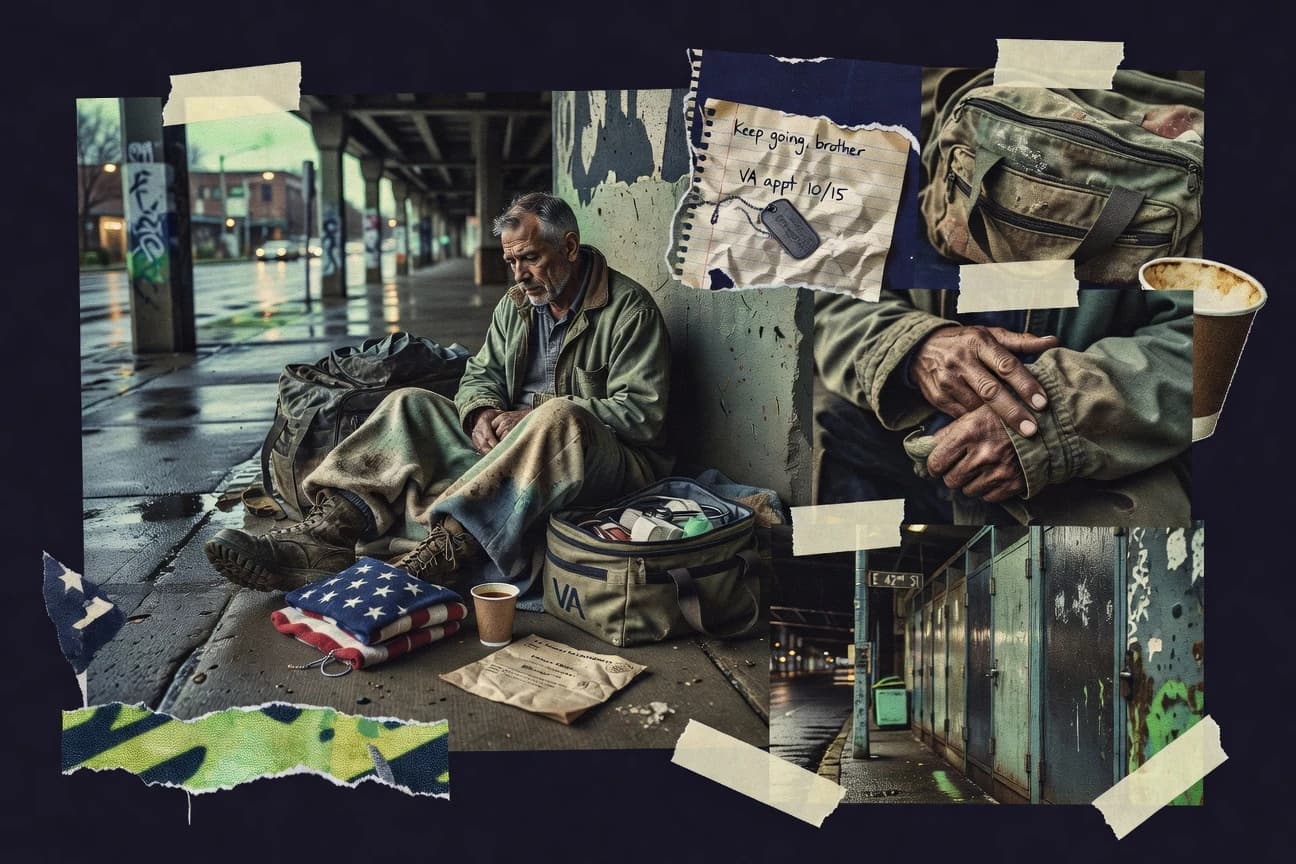
Homeless Veteran Statistics
On a single night, 35,574 U.S. veterans experienced homelessness, and combat service, poverty, and housing instability pile up fast, with 76% of homeless veterans coming from combat roles and 49% of at risk veterans citing a lack of affordable housing. The page connects the sharp edges behind the statistics, from 85% unemployment to 7 times higher suicide rates, and what works as VA and HUD programs move tens of thousands of veterans toward stability.

Housing Discrimination Statistics
A 2025 and 2026 eye opener is here, with mobility access still failing in real life, including 15% of properties missing accessibility standards for mobility impairments in 2022. The page also connects disability, family status, income source, and LGBTQ bias to concrete denial outcomes so you can see exactly what gets people turned away and why.

Glass Ceiling Statistics
Women hold 33.4% of Fortune 500 board seats and just 6% of FTSE 100 chair roles, while their executive pipeline is thinner still as only 10.6% of Fortune 500 CEOs are women and promotion to senior roles trails men. Glass Ceiling charts the pressure points across boards, pay, and hiring so you can see exactly where progress stalls and who carries the cost.

Discrimination Statistics
Even as EEOC age charges dipped 2% in FY 2023, they still represent a major share of all filings, and the data keeps surfacing the same pressure points from layoffs to healthcare and housing. The page stitches together the latest findings on age, disability, sex, LGBTQ, and race based discrimination so you can see where bias is most likely to hit and how it overlaps in real life.

Hate Statistics
Online radicalization is fueling offline extremism, with the FBI reporting 66% of domestic extremism tied to the internet in its 2022 assessments, while neo Nazi groups surged 28% as SPLC tracked 733 hate groups active in the US in 2022. This page pairs those shifts with who is targeted and by whom, including 61% of hate crimes against Black Americans involving White perpetrators and LGBTQ youth facing 4x higher hate victimization, so you can see patterns that standard headlines miss.