
Market data
Diversity Equity And Inclusion In Industry
Explore verified diversity equity and inclusion in industry statistics and market research reports with sourced data and trend analysis.
Latest update:
 Megan Gallagher
Diversity Equity And Inclusion In The Tmt Industry Statistics
With 2025 and 2026 figures front and center, this page measures who gets hired, promoted, and sponsored in TMT as well as where the pipeline still breaks. Use the sharp contrasts across roles and levels to pinpoint which DEI gains are actually sticking and which gaps are widening in the next cycle.

Diversity Equity And Inclusion In The Financial Industry Statistics
While many firms still talk about inclusion, the statistics page shows where representation and opportunity have moved in 2025 and where they stubbornly have not, down to the hiring and leadership gaps that shape real careers. Use these up to date benchmarks to spot the difference between public commitments and measurable progress in the financial industry.

Female Leadership Statistics
Female leadership data in 2026 points to a real shift, showing where women are gaining ground and where progress still stalls fast. If you want a clear read on what’s changing in power and pay, this page connects the headline numbers to the decisions leaders are making right now.

Diversity Equity And Inclusion In The Cosmetic Industry Statistics
Cosmetic brands still market beauty as universal while the numbers reveal uneven representation across founders, leadership, and hiring pipelines. See the most recent 2025 and 2026 figures side by side with where progress stalls, so you can tell whether DEI is becoming measurable action or staying cosmetic.
Diversity Equity And Inclusion In The CRO Industry Statistics
New 2026 DEI snapshots show how far the CRO industry has come and where it still falls short, with measurable shifts in who gets hired, promoted, and supported. Read these stats to see the contrast between stated inclusion efforts and the outcomes that actually changed.
Diversity Equity And Inclusion In The Retail Industry Statistics
One in four retail workers say they have been treated unfairly by a manager because of a protected characteristic, yet only 3.0% of US employers measure inclusion climate with listening platforms like pulse surveys. See how structured hiring and diverse leadership lift outcomes while biased wording and pay gaps still hold retail back.
Diversity Equity And Inclusion In The Beef Industry Statistics
New 2025 data exposes how uneven opportunity runs through the beef industry, from who gets hired and promoted to who is represented in leadership roles. This statistics page puts those gaps side by side, so you can see where progress is real and where it still stalls.

Women In Leadership Positions Statistics
Women still hold only 36.0% of S&P 500 board seats in 2024 while leaving a job over lack of equal opportunity is 1.5 times more likely for women than for men. Track the sharp gaps behind the headline, from compensation and leadership in tech and energy to discrimination rates and CEO representation across countries, and see how the EU’s board quota deadline makes the stakes feel immediate.

Wage Gap Statistics
Women in OECD countries still earn about 19.1% less than men on average, and the gap stretches from 3% to 30% across countries, even though pay transparency and equal pay reporting rules are designed to close it. This page connects the drivers behind the difference, from occupational segregation and motherhood penalties to how pay equity audits and structured job evaluations can reduce the gap.

Diversity In The Workplace Statistics
A quick look at Diversity In The Workplace reveals how representation and inclusion are shifting fast, with 2025 figures showing progress alongside stubborn gaps. You will see where companies are moving forward and where “covered on paper” still does not translate into real day to day change.

Women In Technology Statistics
Women hold just 28% of computing roles in 2025, a stubborn gap that still shapes who gets hired, promoted, and backed with resources. This statistics page maps the shifts behind the headlines and highlights the clearest 2025 trends, so you can see where progress is real and where it’s stalling.
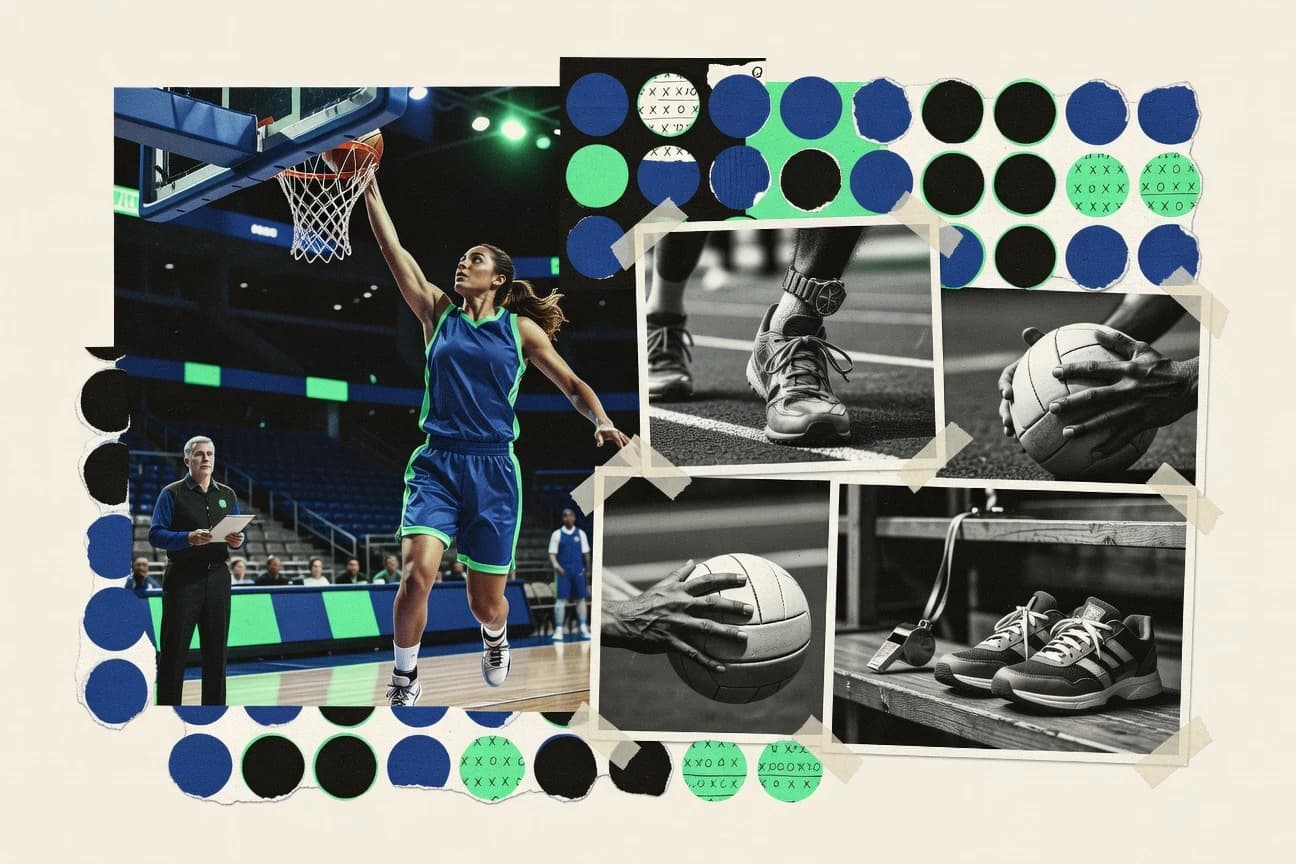
Women In Sports Statistics
WNBA 2024 media rights are valued at $120 million per year while women earn 21% less than men in U.S. professional sports, a mismatch that makes the rest of these stats hit harder. From 1.83 billion cumulative viewers for the 2023 Women’s World Cup to women holding 32% of head coaching roles in NCAA basketball, the page connects pay, media, and participation into one view.

Diversity Equity And Inclusion In The Motion Picture Industry Statistics
Even with 49% of entertainment companies reporting annual DEI training, women still represent 39.7% of speaking characters on scripted TV and LGBTQ+ characters account for just 10.2% of scripted TV speaking roles. This page connects that on screen imbalance to behind the camera signals like DEI budget line items and board representation, backed by union, industry, and peer reviewed evidence to show what is changing and what still is not.
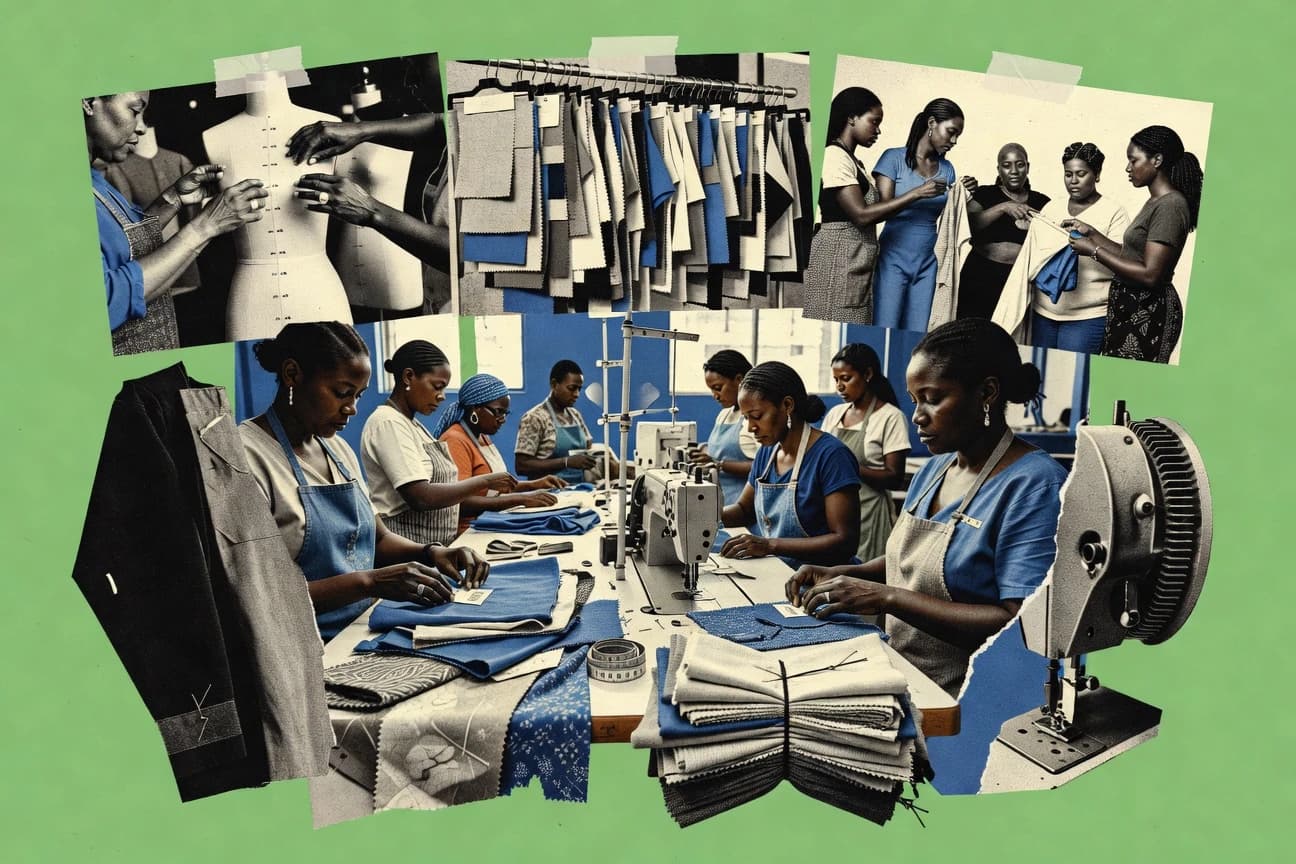
Diversity Equity And Inclusion In The Fashion Industry Statistics
Behind the runway, DEI signals are uneven, with only 12% of 2023 US apparel retail job postings including DEI language while 55% of companies still rely on DEI training programs. The page connects representation and outcomes, from limited DEI leadership and persistent reports of discrimination to the inclusion payoff where employees who feel included are 2.6 times more likely to be highly engaged.

Diversity Equity And Inclusion In The Event Industry Statistics
Recent figures reveal a widening gap between event industry intent and who actually gets booked, with 2025 data showing progress that is real yet uneven across roles and segments. Read the statistics page to see where the momentum is coming from and where bias keeps winning despite new DEI commitments.

Pay Gap Statistics
Pay Gap statistics puts a spotlight on the biggest drivers behind pay differences, including how the gap shifts by sector and role rather than staying fixed. You will see the latest figures, with 2025 and 2026 comparisons where available, that turn a familiar headline into a sharper question about who is actually benefiting and who is being left behind.
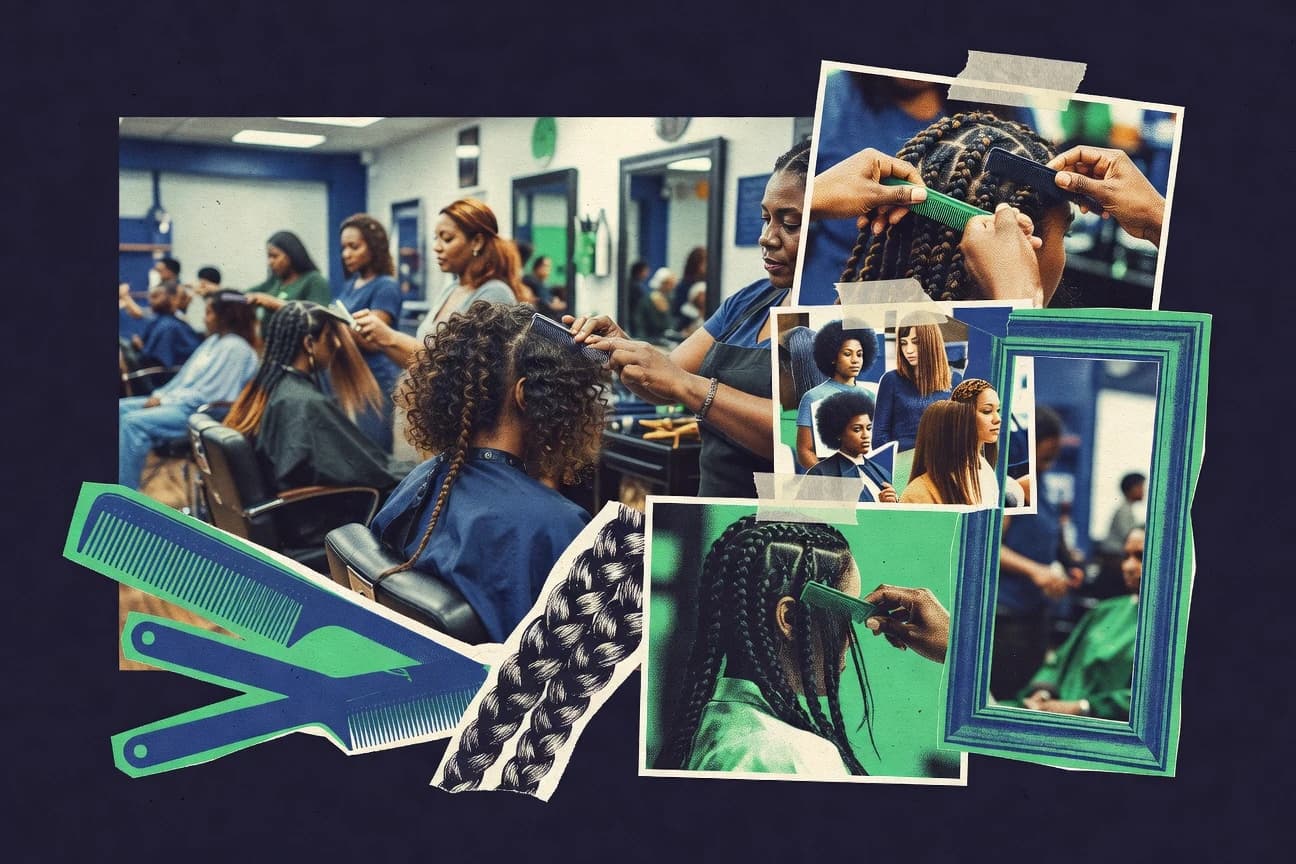
Diversity Equity And Inclusion In The Hair Industry Statistics
A projected $29.4 billion global hair care market by 2025 and $16.3 billion U.S. hair care sales by 2027 sit beside proof that inclusion is not optional, with 81% of consumers saying they prefer inclusive brand messaging on social media and 50% saying representation shapes what they buy. The page connects demand to what happens behind the chair, including civil rights penalties, hiring bias gaps, and evidence that behavior based inclusion training and manager coaching can meaningfully change fairness, retention, and engagement.

Diversity Equity And Inclusion In The Banking Industry Statistics
Bank DEI is not just a pledge, it is a performance and measurement question, from 88% of Fortune 500 firms tying diversity to ESG reporting in 2023 to a reported 78% saying belonging is a key driver of engagement. Yet the experience gap is hard to ignore, with 27% of US bank employees reporting unfair treatment at work alongside 52% feeling included, making these figures a sharper lens on what banking organizations must fix and how they can prove it.

Diversity Equity And Inclusion In The Advertising Industry Statistics
New 2026 findings show how far DEI progress in advertising still has to travel while budgets and brand commitments keep moving. You will see where representation improves and where hiring, pay equity, and leadership gaps hold steady, and what that means for the next cycle of campaigns.
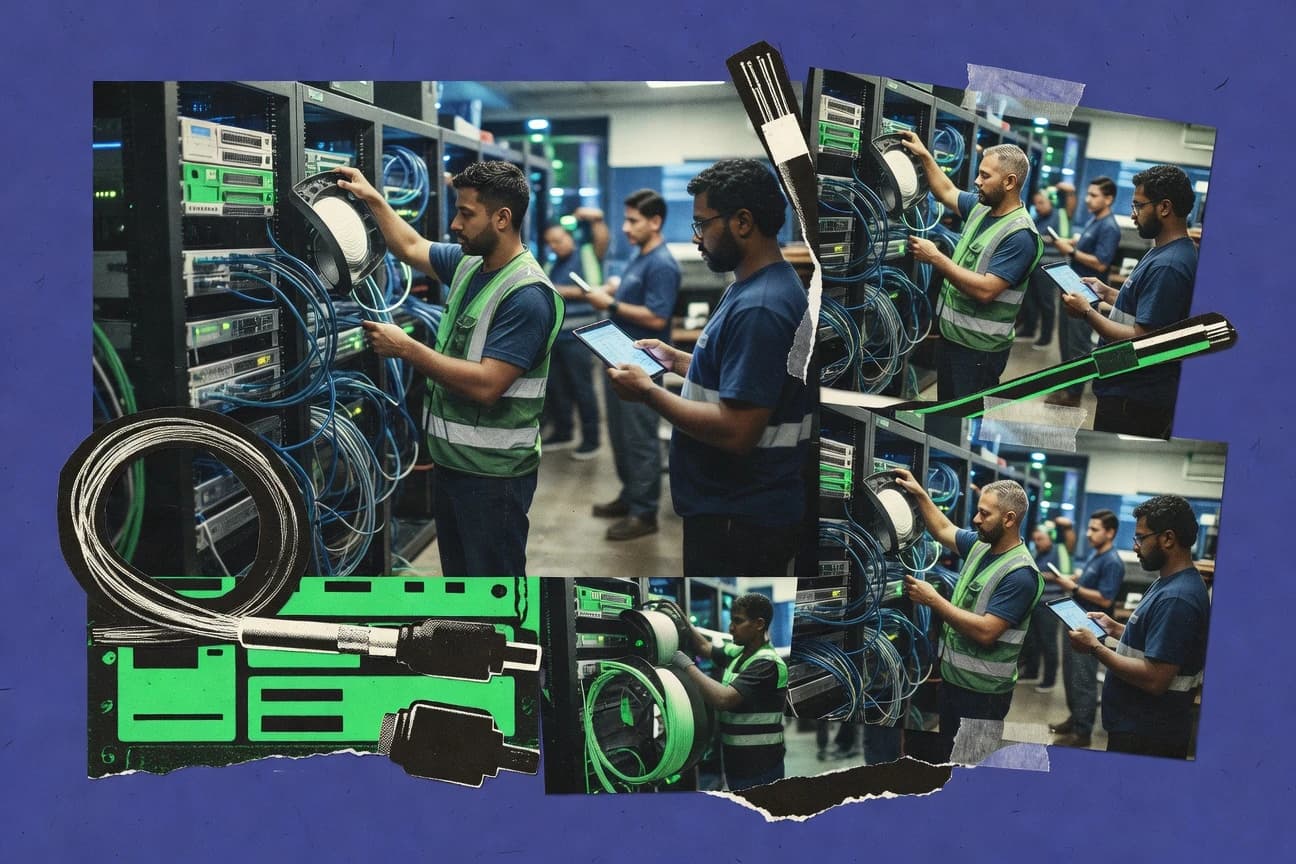
Diversity Equity And Inclusion In The Telecom Industry Statistics
See how telecom DEI is shifting in 2026, from representation and pay equity to who actually gets promoted and funded. The standout contrast is how reported progress can diverge from workplace outcomes, making the statistics page a must read for anyone tracking real inclusion.