
Market data
Diversity Equity And Inclusion In Industry
Explore verified diversity equity and inclusion in industry statistics and market research reports with sourced data and trend analysis.
Latest update:
 Megan Gallagher
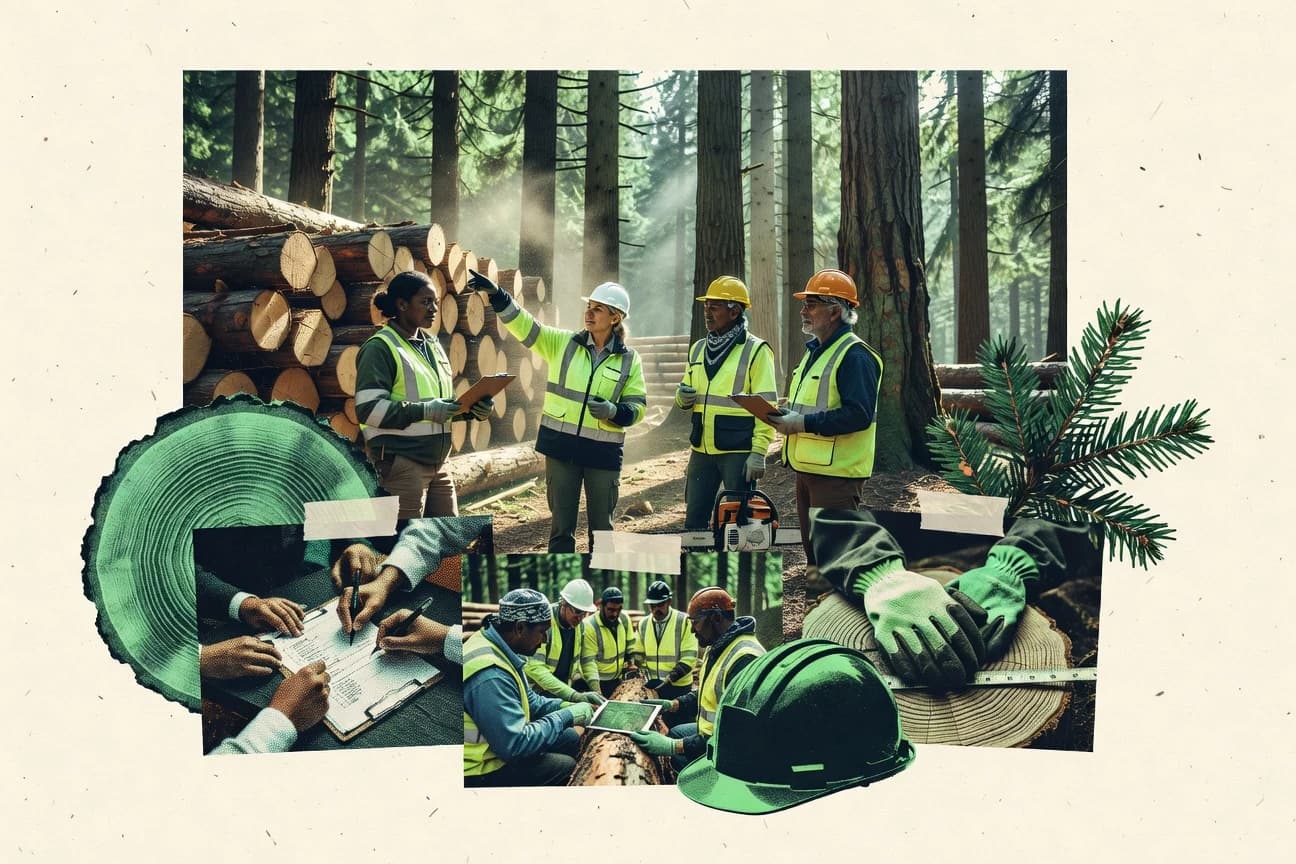
Diversity Equity And Inclusion In The Timber Industry Statistics
In 2025, DEI tracking in the timber industry shows a sharp split between who is counted and who is represented, and the gap widens where the pipeline is weakest. If you care about accountability that goes beyond slogans, these timber specific statistics make the case with numbers you can compare and verify.
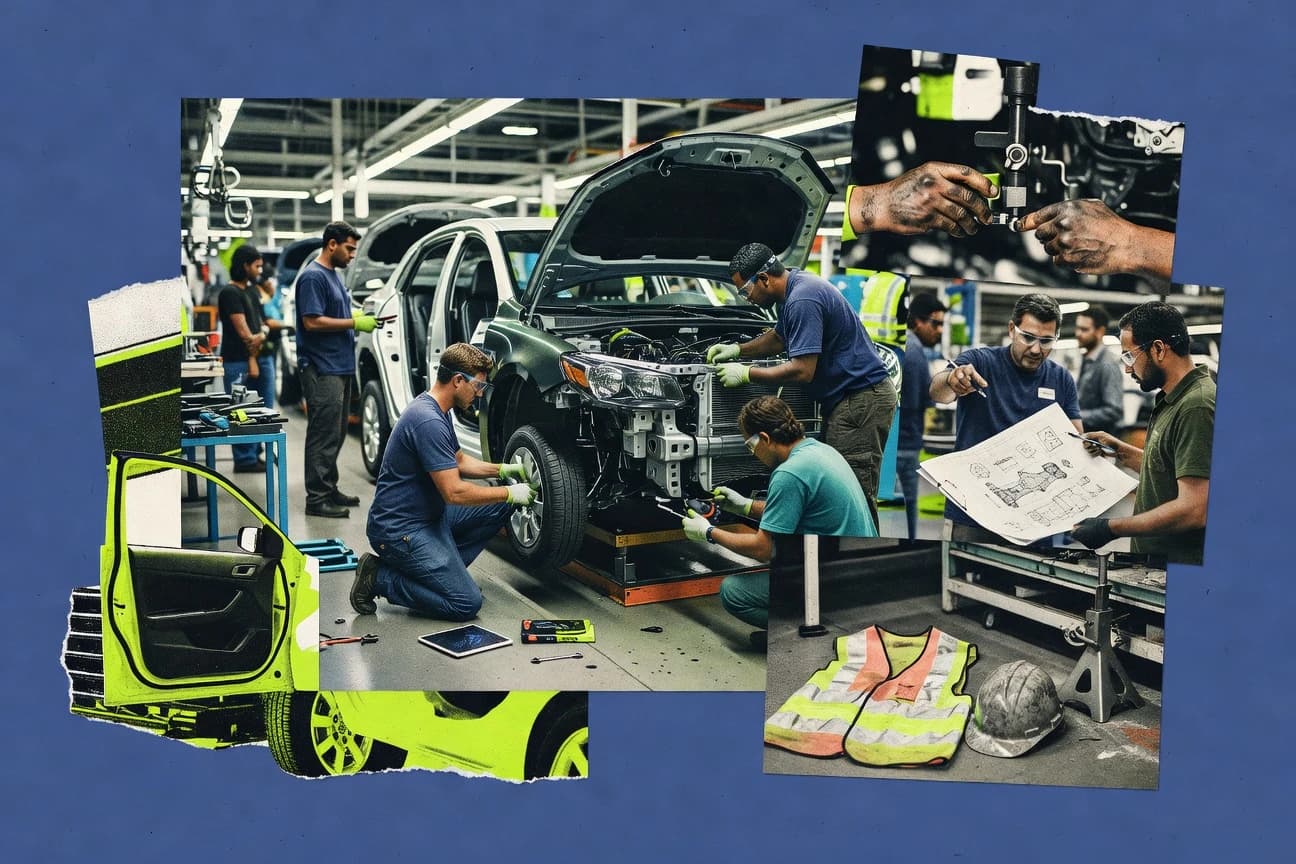
Diversity Equity And Inclusion In The Automobile Industry Statistics
With DEI software and services growing from $9.8 billion globally in 2023 to a forecast $16.7 billion by 2030, the statistics page for the automobile industry asks what changes inside plants and boardrooms to match that momentum, from 36% of ERG participation to pay gap risk and promotion outcomes. You will see the sharp gaps between stated inclusion and lived experience, including 27% of employees reporting biased behavior with no belief anything will improve and 47% who say they would recommend their employer more if progress on inclusion were measurable.

Diversity Equity And Inclusion In The Life Sciences Industry Statistics
The latest life sciences DEI statistics reveal a stubborn gap between who leads and who gets hired, even as representation indicators move in the right direction. See which 2025 benchmarks are improving and which stubbornly resist change, and what that means for accountability across research, clinical trials, and the workplace.
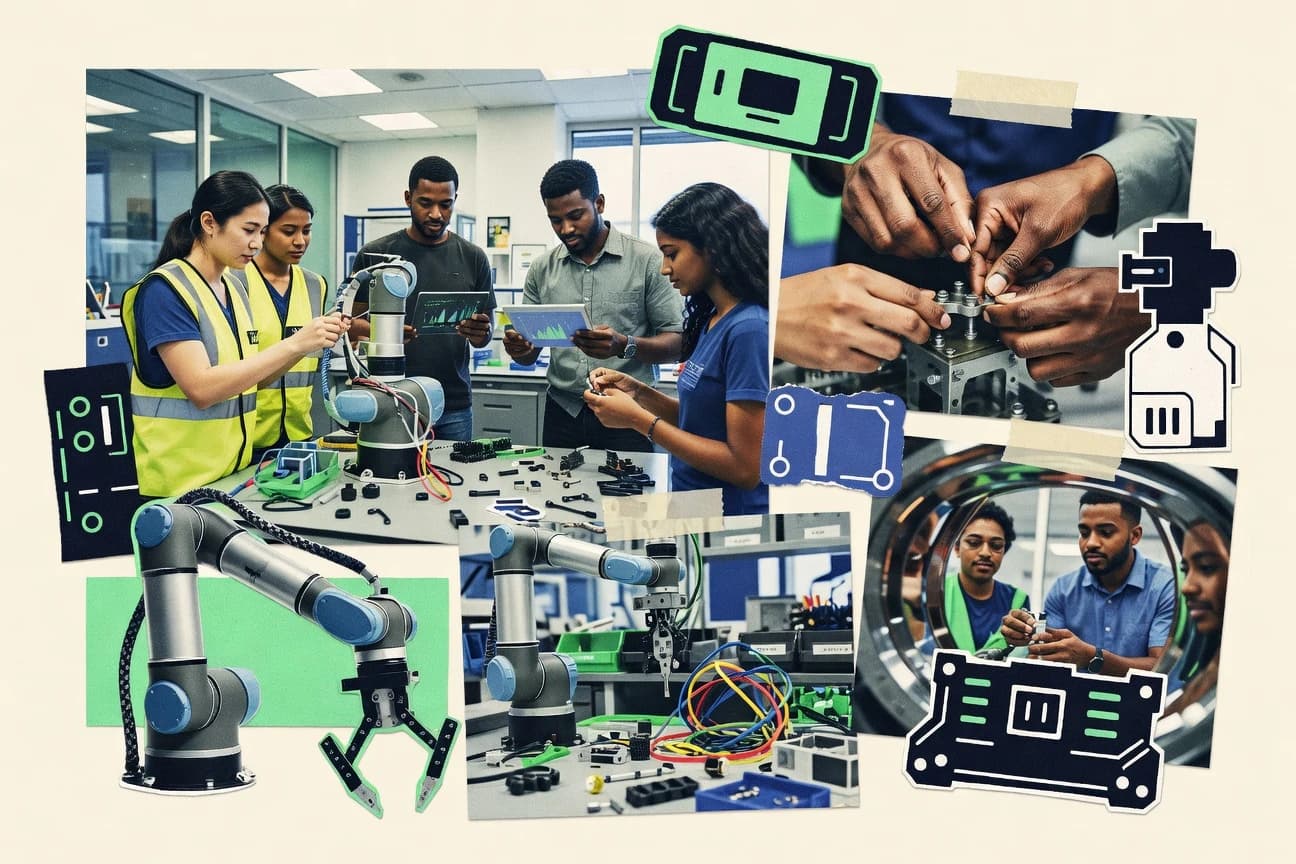
Diversity Equity And Inclusion In The Robotics Industry Statistics
Robotics is still unequal, but the 2025 snapshot shows where change is actually landing and where it stalls, especially across hiring, retention, and pay. These statistics surface the gaps behind the headlines and the patterns that keep repeating, so you can see what inclusion efforts must fix next.

Diversity Equity And Inclusion In The Insurance Industry Statistics
Insurance may rank as a conservative industry, but the latest DEI statistics reveal where that caution is breaking down. See which groups remain underrepresented, how pay and promotion gaps hold up in 2025, and what those shifts suggest for change inside carriers.

Gender Wage Gap Statistics
Even in 2026, the gender wage gap still shows up in paychecks, with women earning only about 84 cents for every dollar earned by men. This page breaks down the gap behind the headline number so you can see how much of the difference comes from occupation, work history, and workplace realities.
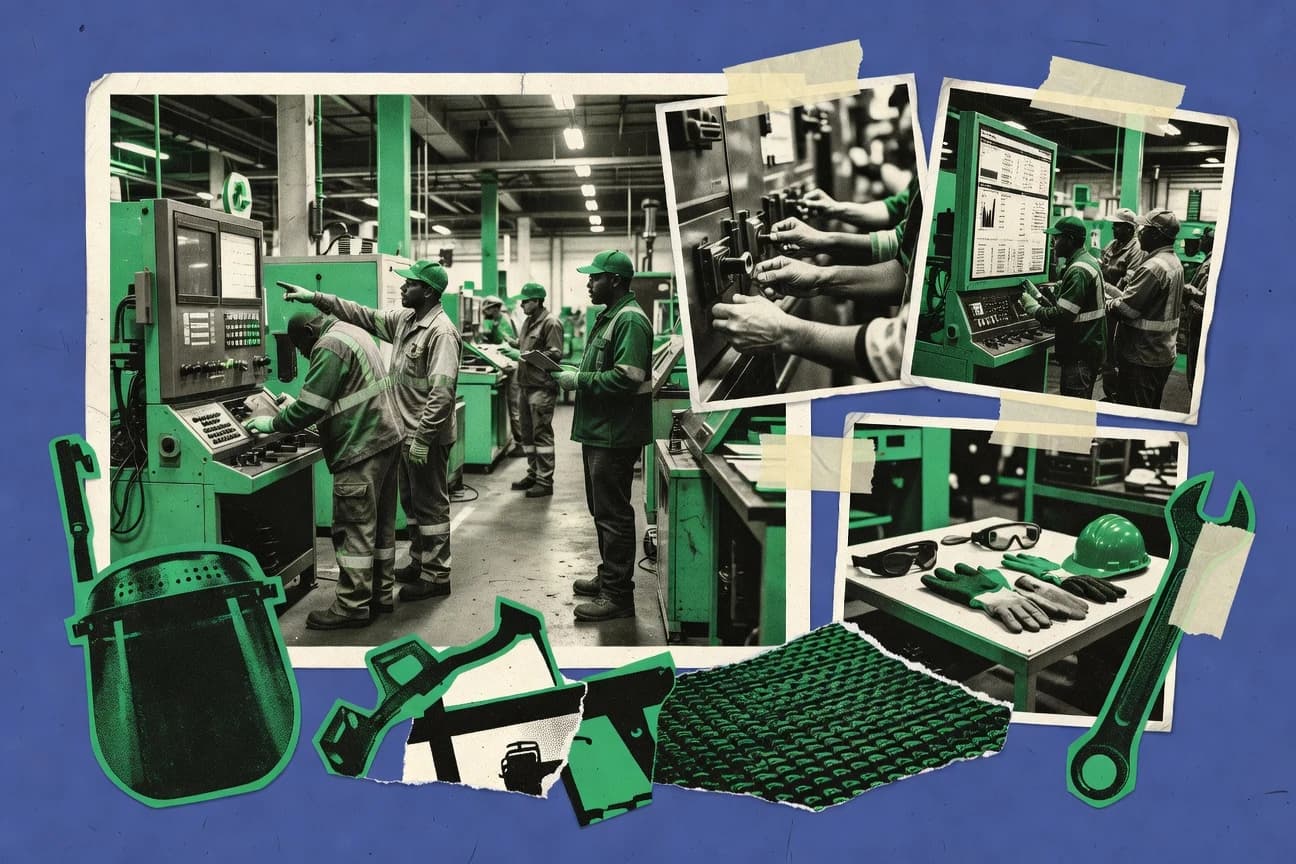
Diversity Equity And Inclusion In The Manufacturing Industry Statistics
When DEI moves from policy to the shop floor, the change is measurable, and 2025 employment and wage patterns show who is gaining access and who is still being left out in manufacturing. These statistics lay bare the gaps across representation and advancement so readers can pinpoint exactly where inclusion efforts are working and where they are stalling.

Diversity Equity And Inclusion In The Peo Industry Statistics
What looks like progress can still leave people feeling excluded, with 40% of employees saying their company needs to do more on DEI, even as 62% link inclusion initiatives to better team performance. Get the benchmark context behind the headline figures, from workforce representation and pay equity guardrails to how companies measure accountability and whether inclusion is reaching the people it is meant to help.
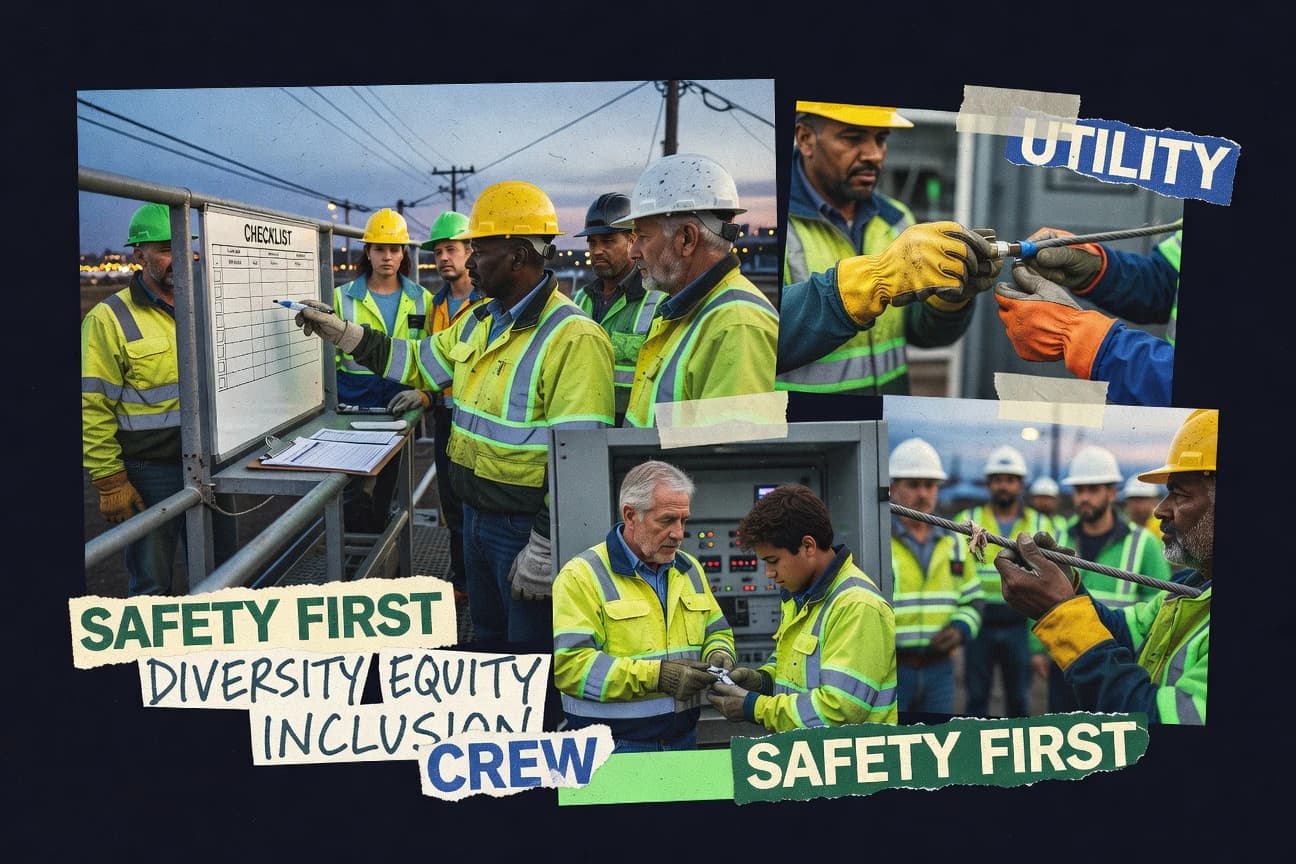
Diversity Equity And Inclusion In The Utilities Industry Statistics
See how DEI priorities are changing inside the utilities industry with 2026 snapshot statistics that reveal where hiring, advancement, and pay equity are moving and where gaps are stubbornly persistent. The contrast between reported commitments and measurable representation makes it clear why utilities leaders and stakeholders need these benchmarks now.

Diversity Equity And Inclusion In The Film Industry Statistics
Fresh 2026 data on representation and behind the scenes decision power reveals a sharp gap between who gets seen on screen and who shapes budgets, hiring, and creative leadership. Read these statistics to understand where film workplaces are actually improving and where progress is stalling.
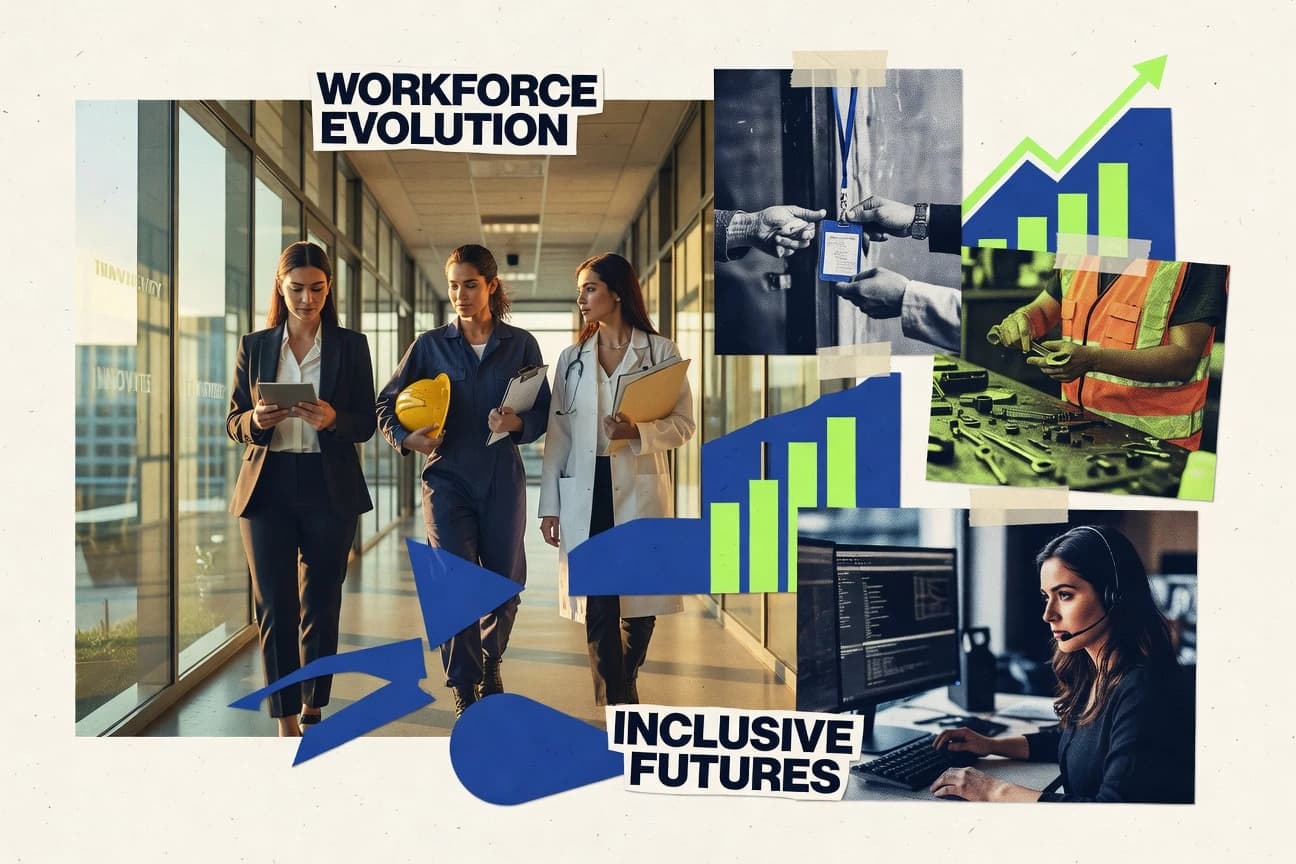
Females In The Workforce Statistics
From women’s 46.6% share of US employment in 2024 to women holding just 26% of software developer roles, this page lays out where progress looks real and where it stalls. It also connects leadership gaps, unpaid care burdens, and gender based violence to explain why representation keeps shifting across sectors and occupations.
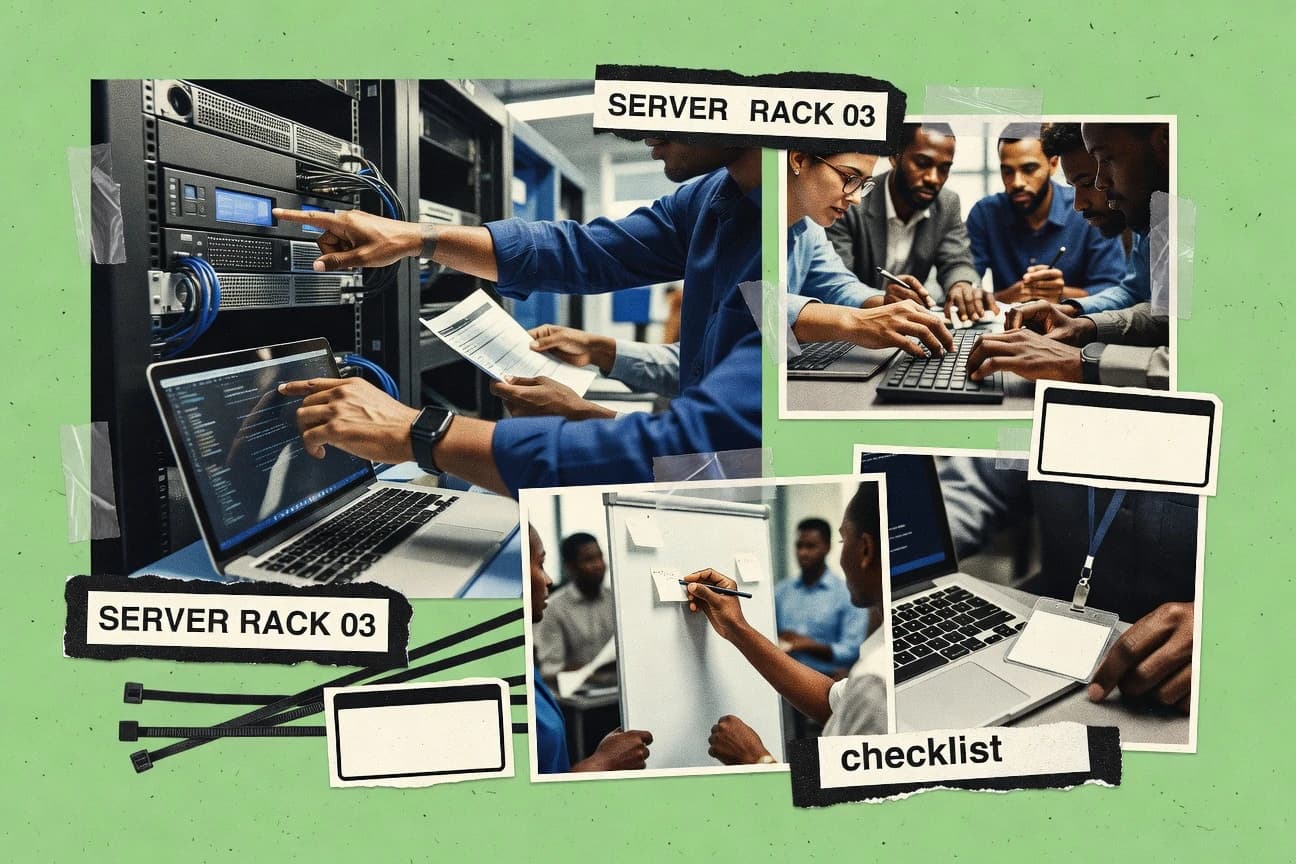
Diversity Equity And Inclusion In The IT Industry Statistics
A stark split emerges when you compare representation with influence, from women accounting for 42.6% of US software developers to only 20% of managers in US tech firms, alongside survey signals like 33% of employees who do not see real D and I commitment. This page also connects DEI to outcomes and investment, including the DEI software market projected to hit $19.1 billion by 2030, so you can see what is holding tech back and what is actually moving performance.

Diversity Equity And Inclusion In The Cryptocurrency Industry Statistics
Crypto still presents a paradox for inclusion: while women and other underrepresented groups hold only a sliver of leadership and workforce roles, their visibility is beginning to shift in newer hiring and investment patterns. This page translates the latest 2025 statistics into a clear, numbers first look at where diversity is improving and where accountability is still missing.

Diversity Equity And Inclusion In The Commercial Industry Statistics
See how DEI is shifting inside commercial industry workplaces, with 2025 figures highlighting where representation is improving and where barriers are still holding steady. You will find the concrete gaps behind hiring, promotion, pay equity, and leadership access, side by side with the progress that suggests change is no longer theoretical.

Men In Nursing Statistics
With men still only 19% of Australia’s nursing workforce in 2021, the page shows where representation jumps, from emergency nurse practitioners to leadership roles. It also connects those staffing realities to burnout and demand, using US projections of 203,200 new registered nurse openings from 2022 to 2032 and benefits up to $7,500 per employee per year in union contracts.

Women In Business Statistics
With women leading just 5% of venture backed startups, the gap between ambition and funding is stark, and the business case is urgent. This page breaks down the latest women in business statistics to show where progress is real and where the pipeline still falls through.
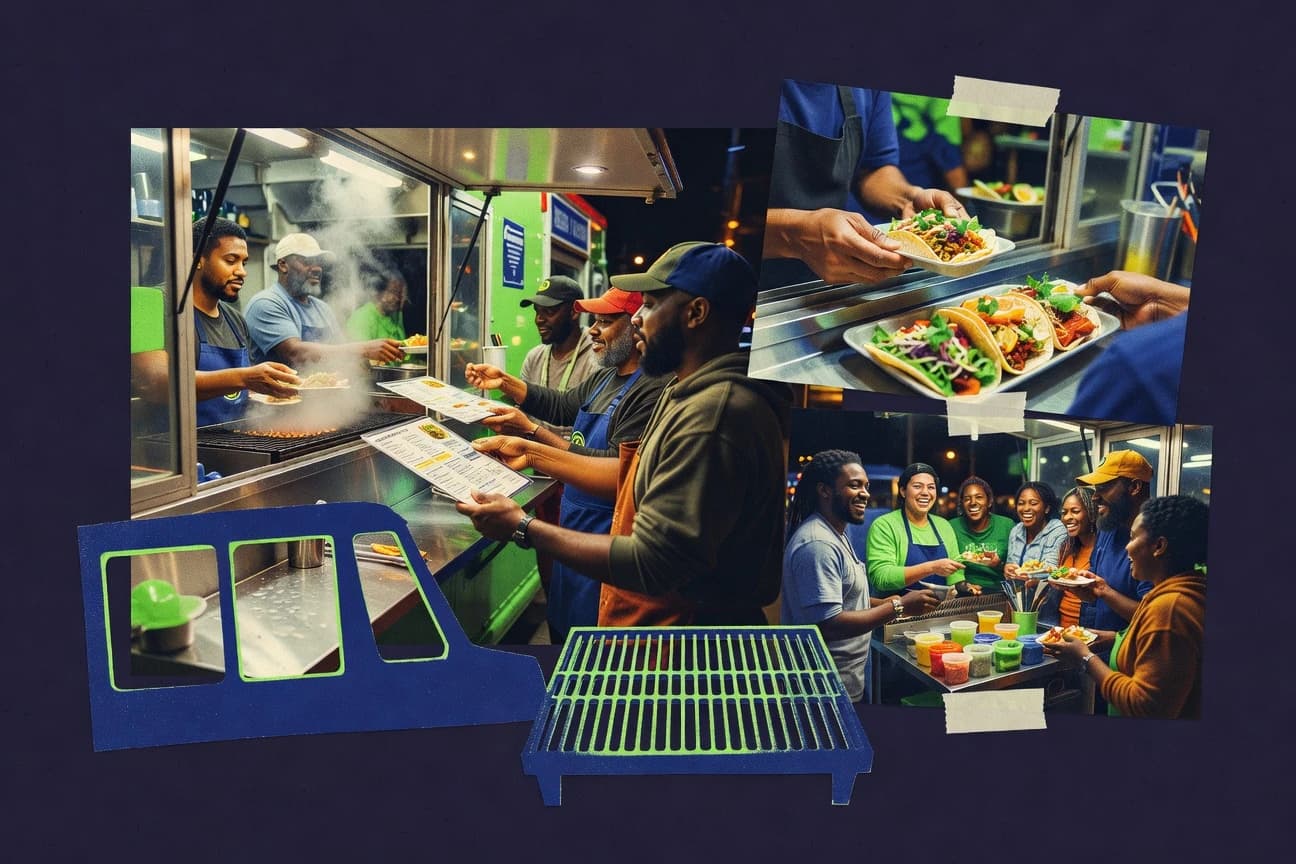
Diversity Equity And Inclusion In The Food Truck Industry Statistics
The latest snapshot shows who is getting the keys to the food truck industry and who is being left out, with 2025 figures highlighting stark gaps in ownership, leadership, and hiring by race, gender, and other identities. Before you assume progress is evenly shared, this page puts the most current DEI outcomes side by side and makes the mismatches impossible to ignore.

Diversity Equity And Inclusion In The Furniture Industry Statistics
Workplace unfairness is still reported by 27% of identity based workers in 2023, yet firms increasingly bet on inclusion to boost engagement and hiring intent, with 62% saying DEI improves employee engagement and 35% tying it to whether they will stay. This page follows that tension into furniture specific supply chain reality, from 74% of procurement teams weighing supplier diversity to the gap where 40% of job seekers say identity related factors blocked their hiring.

Diversity Equity And Inclusion In The Crypto Industry Statistics
Women are 31% of the global software workforce and 30% of US senior leadership positions, yet workplace discrimination still costs the US economy $25.6 billion and 61% of employees say they would consider leaving a company with poor DEI. See how crypto hiring is shaped by measurable signals like 58% of employees reporting an inclusive culture, 1.3x stronger candidate quality from inclusive sourcing, and 19% lower absence tied to inclusive management practices.
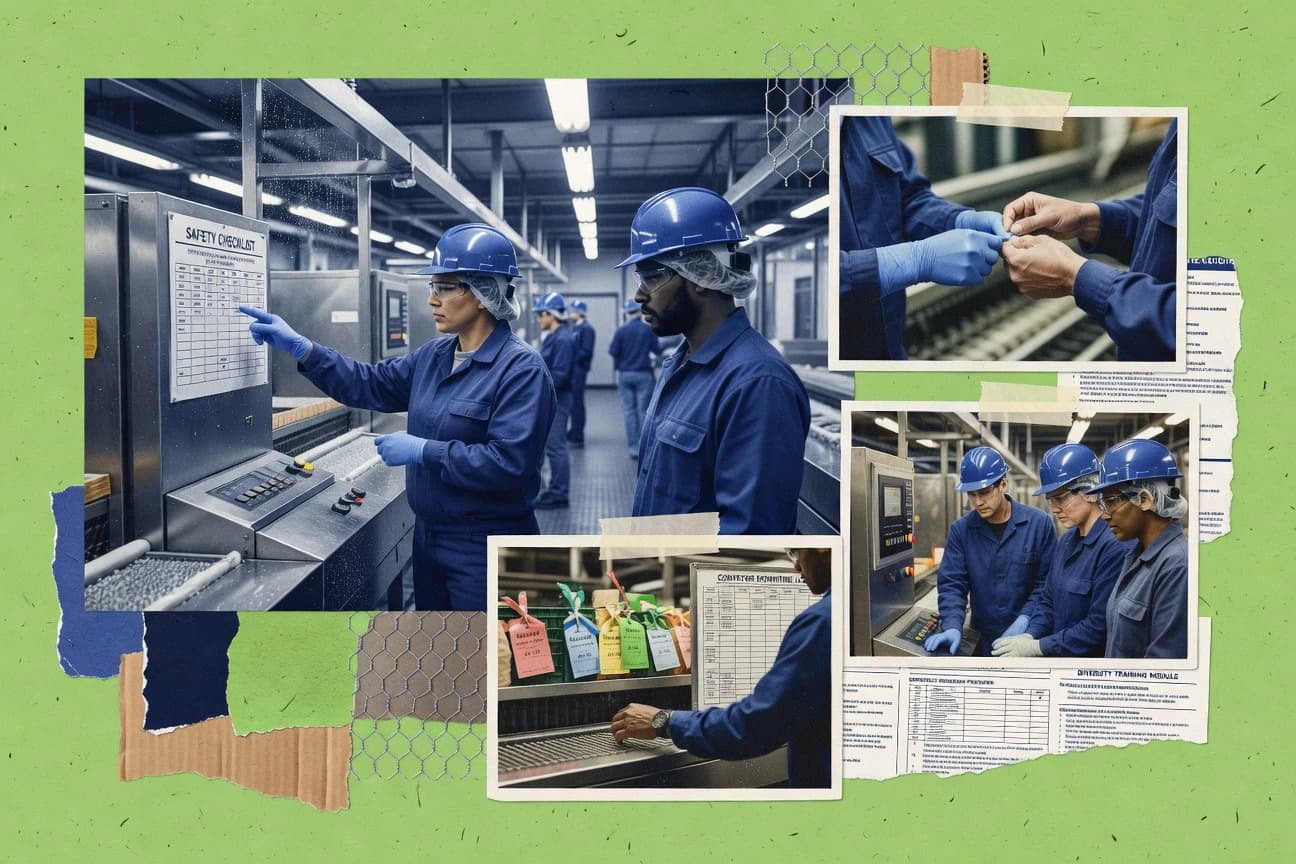
Diversity Equity And Inclusion In The Poultry Industry Statistics
Two headline shifts stand out in the latest Diversity, Equity and Inclusion in the poultry industry statistics, showing how representation and pay equity don’t move in lockstep across roles and regions. Read the page to see exactly where progress is real and where the gap is widening, using the most current 2025 figures available.