
Market data
Diversity Equity And Inclusion In Industry
Explore verified diversity equity and inclusion in industry statistics and market research reports with sourced data and trend analysis.
Latest update:
 Megan Gallagher

Women In Law Enforcement Statistics
Women still make up only 14.7% of sworn officers in large cities and just 9.8% in rural agencies, while leadership remains narrower with only 7.8% of police chiefs being women as of 2021. Then look at what starts to change when agencies invest in recruitment and support, including 73% of departments actively hiring women through targeted campaigns and women in policing reporting higher harassment and discrimination pressures that directly shape retention and advancement.
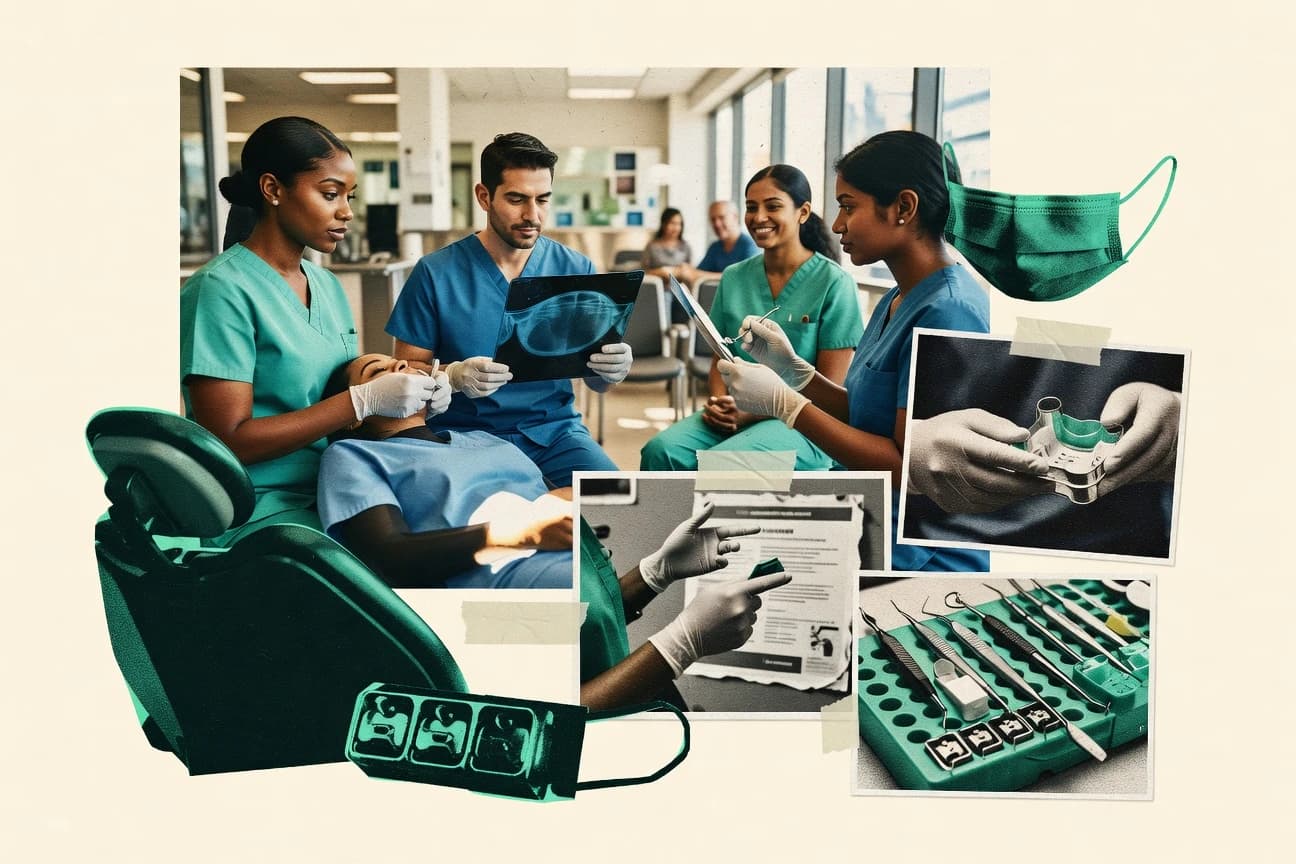
Diversity Equity And Inclusion In The Dental Industry Statistics
Pay and access gaps show up fast in the dental workforce, from a $27,500 median pay gap estimate for Black workers versus White workers to 1.4% unemployment among dental hygienists, while nearly half of consumers say they would switch providers for better inclusivity and representation. See how interpreter needs, culturally competent care, and even scope of duties shape day to day inclusion, including 58% of employees saying diversity matters and 48% of organizations using DEI KPIs.

Diversity Equity And Inclusion In The Services Industry Statistics
When 67% of executives say they have a formal DEI strategy yet only 38% of organizations provide DEI training for all employees, the services industry reveals a gap between intent and everyday practice. This page pulls together current signals on leadership accountability, workforce representation, and inclusion outcomes across consulting and healthcare staffing, including 61% of employees reporting available inclusion resources.
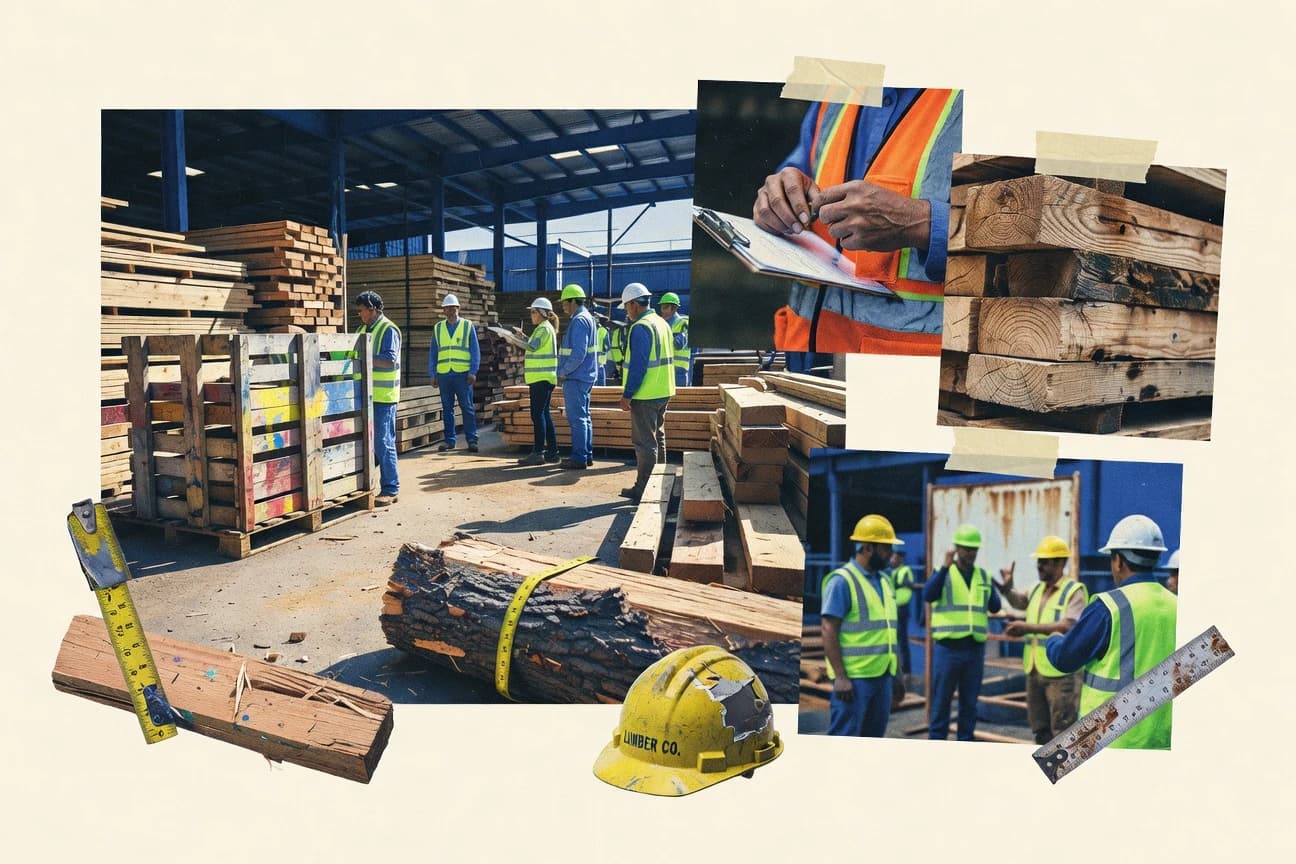
Diversity Equity And Inclusion In The Lumber Industry Statistics
With women making up 14.2% of the lumber production workforce and just 11.3% of executives in 2023, leadership still lags far behind the entry pipeline. The page pairs that tension with region by role breakdowns and the measurable impact of DEI efforts like training, pay equity audits, and veteran and disability supports, so you can see where progress is real and where it is still stuck.

Diversity Equity And Inclusion In The Medical Device Industry Statistics
Pay gaps in medtech still show up in the dollars and in the decision pipelines, from women earning 280:1 versus 310:1 at the CEO to median worker level by gender to Black executives at only 3.1 percent of VP+ roles. This page turns those tensions into measurable accountability with 2023 outcomes like 92 percent pay parity for multiracial tech workers and DEI training participation that boosts bonuses by 8 percent for diverse groups.

Diversity Equity And Inclusion In The Interior Design Industry Statistics
Women make up 89% of the US interior design workforce, yet leadership stays stubbornly out of reach with only 18% of firm principals from underrepresented racial groups and women at 32% of C suite roles in 2022. This page pairs gender and race disparities with pay and inclusion gaps, showing who gets high value projects, billable hours, bonuses, and psychological safety, plus how initiatives are starting to move the needle.

Women Leadership Statistics
Women are still underrepresented at the top in 2023, from only 20% women department chairs to 10.4% of Fortune 500 CEOs, yet progress is real with provost roles at 40% for U.S. research universities and women holding 33% of U.S. university president posts. See where leadership pipelines widen and where they stall across academia, corporate power, and politics, including the striking gap between women as 52% of PhD graduates and just 20% of senior academics globally.
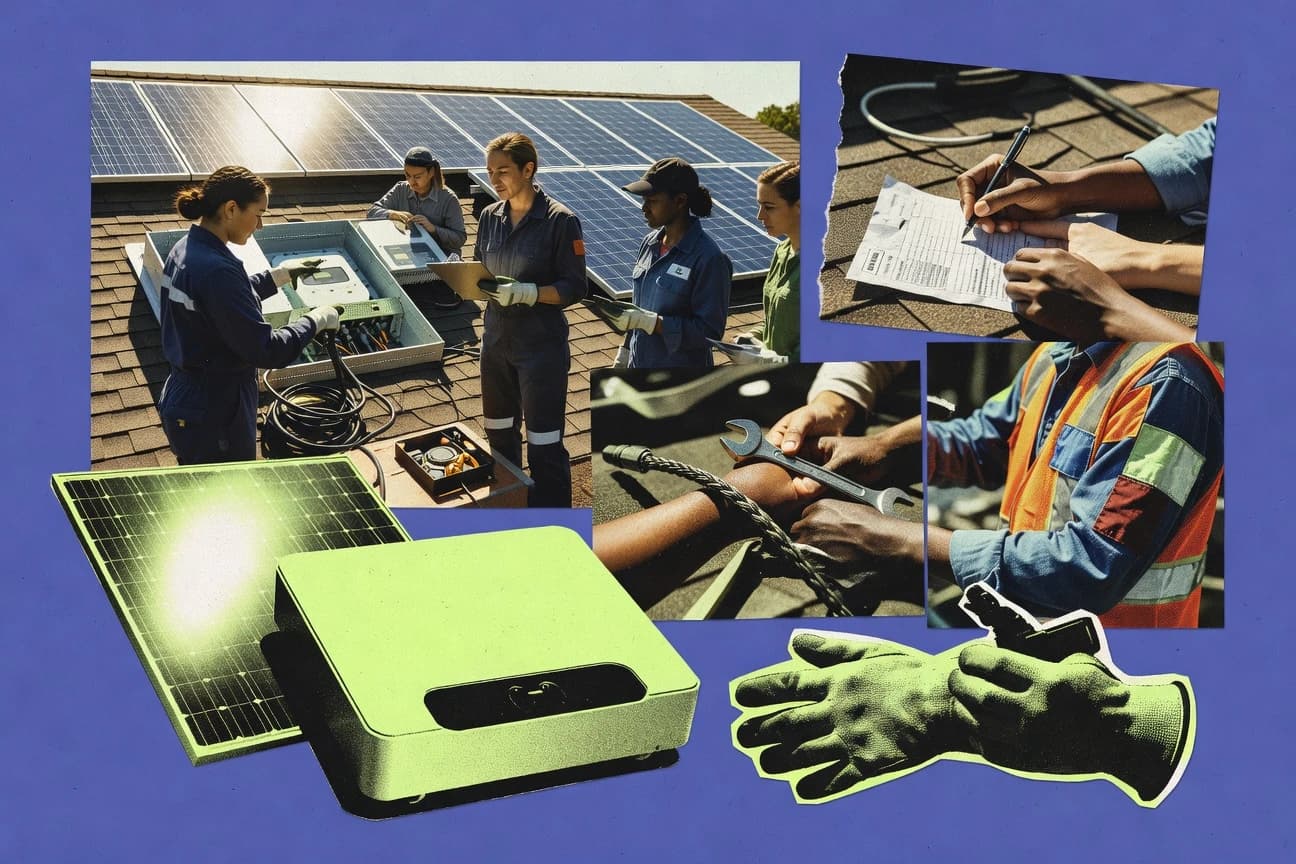
Diversity Equity And Inclusion In The Solar Industry Statistics
What does progress look like when pay, retention, and representation are measured instead of promised? This page compiles standout DEI signals from 2025 and beyond, including global supplier diversity spend reaching $12B in 2022 and U.S. solar training pushing minority retention to 82.4% post training in Europe, alongside shrinking gaps like the U.S. solar gender pay gap tightening to 14.2% in 2023 from 19.8% in 2019.

Diversity Equity And Inclusion In The Supplement Industry Statistics
Even as equity training and accommodations expanded, women-led and minority-led progress still runs into contract and leadership friction, with 11% of venture funding going to women-led startups up from 4% in 2019 and only 22% of women holding board seats and 4% Black executives across 100 plus firms. This DEI statistics page connects gaps in hiring, pay, and inclusion scores to real outcomes like a 25% YoY jump to $1.2B in equity focused supplier diversity spend in 2023 and an 18% gender pay gap in 2023.

Diversity Equity And Inclusion In The Trucking Industry Statistics
The latest DEI benchmarks in trucking reveal how inclusion is moving from policy to outcomes, with diverse supplier spending hitting $2.1B with minority firms in 2023 and retention gains climbing as much as 18% after 2022 DEI interventions. But the pay and representation gaps stay stubborn, including a 6.5% median wage gap between men and women, making this page essential for anyone trying to understand what progress looks like and what still blocks it.

Diversity Equity And Inclusion In The Medical Industry Statistics
With 76% of med students reporting DEI curriculum integration in 2023, the page shows how training pipelines are changing even as leadership still lags, including just 17% of US hospital CEOs who were women in 2021. You will see how hospitals fund and operationalize equity, from DEI training and supplier diversity spending to pay equity audits and patient outcome gaps that reveal why representation is only part of the work.
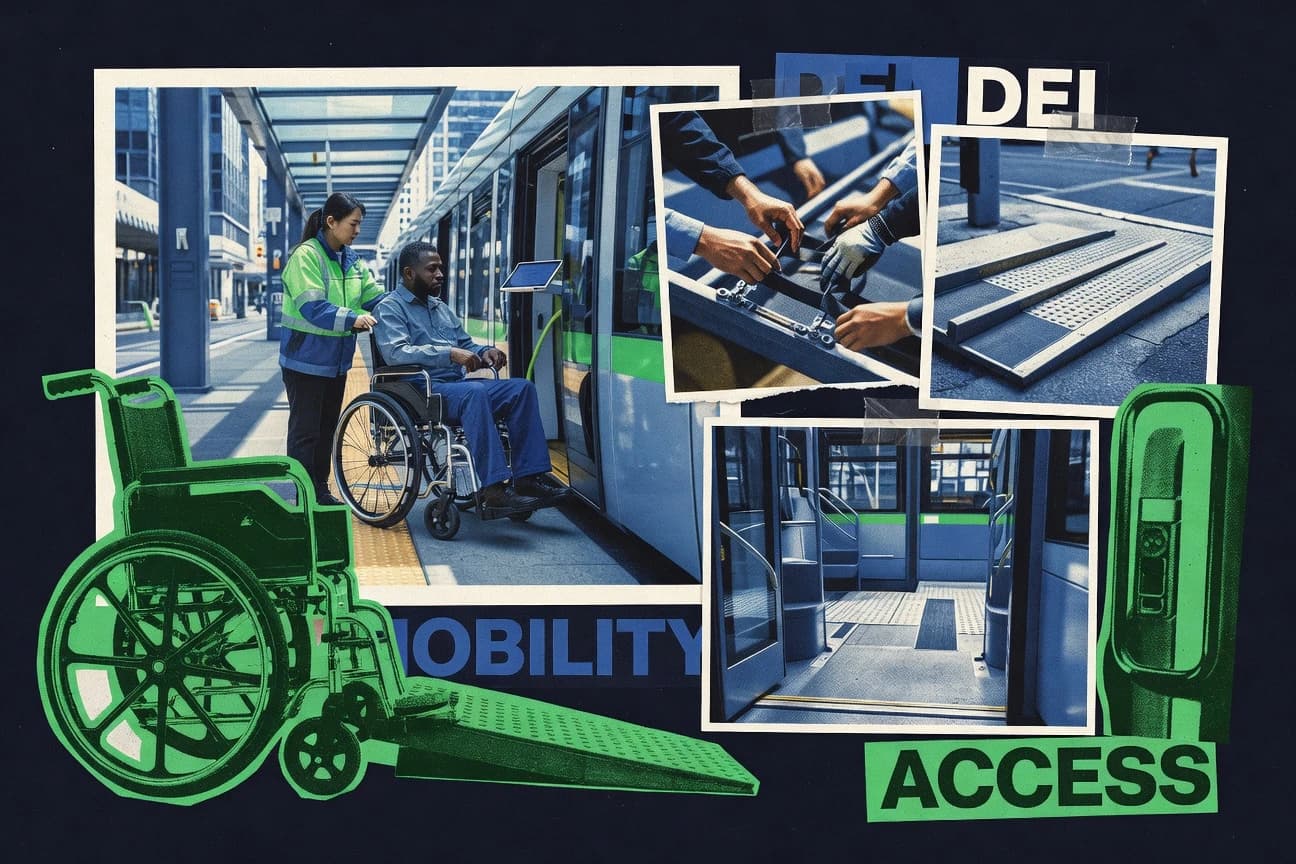
Diversity Equity And Inclusion In The Mobility Industry Statistics
From women’s engineering still at just 15% globally to board and executive representation slowly shifting, the DEI in the mobility industry page connects real commitments like Uber’s $10M Black driver support and GM’s Everyone In training for 20,000 people to measurable outcomes such as 92% engagement where DEI is strong. With 2023 figures spanning hiring, pay parity audits, supplier diversity, and retention gains, it shows how inclusion is becoming a performance strategy not just a workplace pledge.
Diversity Equity And Inclusion In The Aerospace Industry Statistics
NASA’s MD-715 reports 2.8% of aerospace staff have disabilities in 2023—plus 1.9% are in STEM roles; explore the full DEI picture.

Diversity In The Fashion Industry Statistics
The fashion industry still lacks diversity in leadership, representation, and size inclusivity.

Diversity Equity And Inclusion In The Fast Fashion Industry Statistics
Fast fashion reports show varied progress on diversity, equity, and inclusion across brands and supply chains.

Diversity Equity And Inclusion In The Sales Industry Statistics
Nearly 56% of employees say there are not enough diversity and inclusion efforts in their workplace, and 30% of employees report they have personally experienced discrimination at work. In sales settings, the numbers also reveal gaps in belonging, fairness, and leadership accountability, from pay concerns to ineffective or unenforced DEI initiatives. This post breaks down the statistics to show what sellers and employers are facing and what that means for performance, retention, and trust.