
Market data
Diversity Equity And Inclusion In Industry
Explore verified diversity equity and inclusion in industry statistics and market research reports with sourced data and trend analysis.
Latest update:
 Megan Gallagher

Diversity Equity And Inclusion In The Data Center Industry Statistics
Recent DEI metrics in the data center industry reveal how far representation and inclusion still lag behind the scale of today’s hiring and investment, despite steady progress reported through 2025. The gap between stated commitments and workforce reality is specific and measurable, making this the page to understand where change is happening and where it is not.

Women In Leadership Statistics
Women hold 32.7% of board seats in S&P 500 companies, yet leadership representation slips sharply across roles from 24% of C suite positions to uneven partner and legal leadership in the U.S. Add in Europe’s higher board share and the policy and pay transparency rules shaping promotion decisions, and you get a clear picture of where progress is advancing and where it stalls.

Diversity Equity And Inclusion In The Mortgage Industry Statistics
See how diversity and inclusion are progressing inside the mortgage industry, with 2025 figures that quantify where representation is improving and where it still lags behind. The contrast is the point, because these workplace and lending statistics reveal not just who is being reached, but who is being left out.

Women In Computer Science Statistics
Women still face a steep drop-off as careers advance, but the 2025 Women In Computer Science statistics make that tension impossible to ignore. Read the page to see where progress is actually showing up and where the gap stubbornly holds despite all the push.

Diversity Equity And Inclusion In The Financial Service Industry Statistics
See how representation and leadership in financial services have shifted, including a 2026 snapshot where 46% of employees report more belonging than they did before DEI efforts. The page pinpoints where gains are real, where they stall, and what those differences mean for pay equity, hiring pipelines, and retention.

Diversity Equity And Inclusion In The Media Industry Statistics
With 2025 figures, the page cuts through media talk to show where representation is actually moving and where it still stalls across newsrooms, entertainment, and leadership. You will see the gap between stated commitments and measurable outcomes, plus the statistics that explain who gets seen, who gets promoted, and who remains sidelined.

Dei Statistics
Dei statistics cut through the noise by showing where people are moving and where they are getting stuck, with the latest 2025 figures doing the heavy lifting instead of hand me downs from older reports. You will see the sharp contrast between what organizations claim and what their outcomes reflect, with enough numbers to make the conversation more honest.

Diversity Equity And Inclusion In The Roofing Industry Statistics
Construction teams are still navigating 38,000 OSHA recordable injuries estimated for 2022 while only 1.9% of roofers are women, yet 68% of construction professionals say DEI improves project outcomes and top quartile gender diverse executive teams are 1.5 times more likely to outperform financially. This page turns those mismatches into practical signals on safety, pay equity, hiring and retention, plus what 28% of employers with a chief diversity role are doing differently.

Diversity Equity And Inclusion In The Paper Industry Statistics
See how inclusion is reshaping the paper industry from R and D to safety and leadership, with diverse teams driving measurable innovation. In 2023, turnover for underrepresented groups fell 14.3% after equity programs, and across the sector results keep pointing to stronger performance when DEI is treated as practice, not promise.
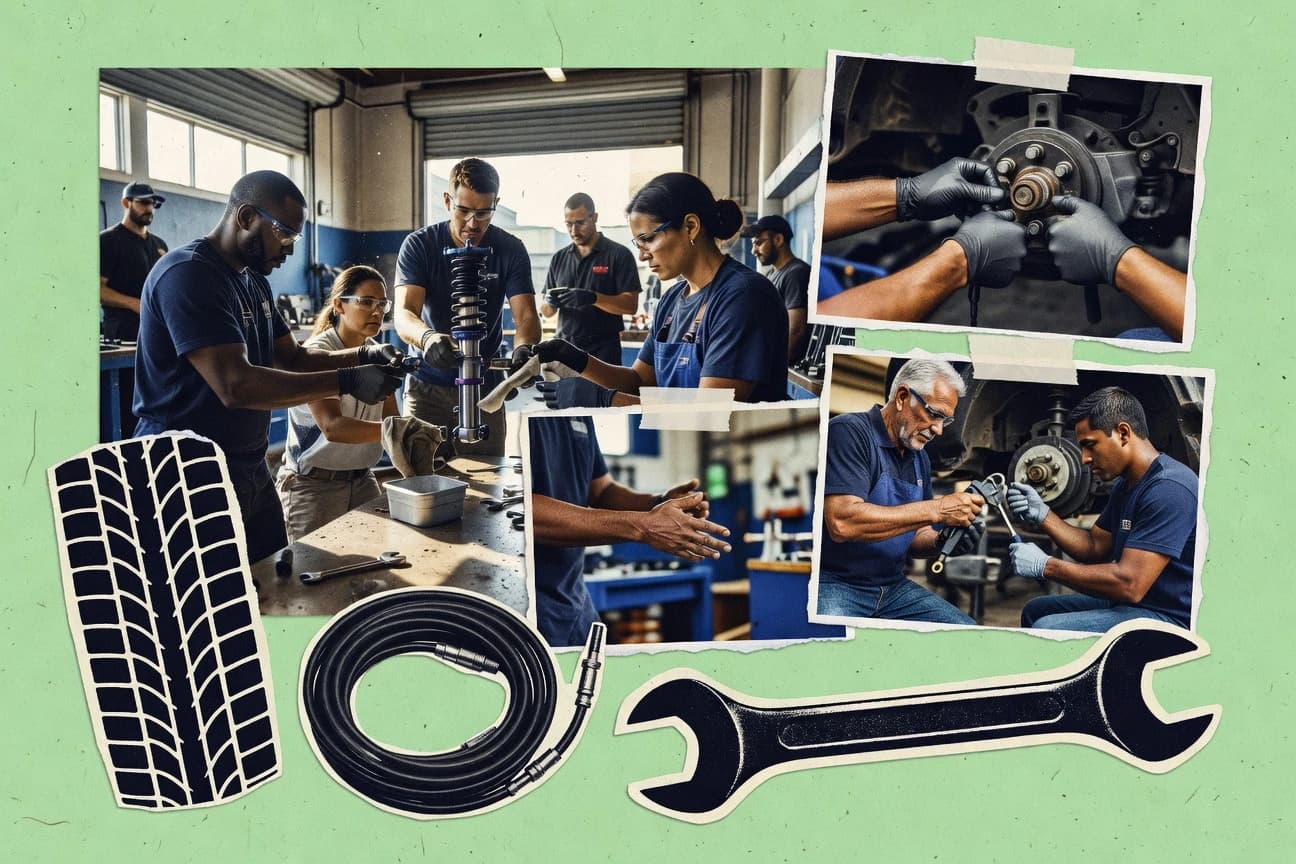
Diversity Equity And Inclusion In The Automotive Aftermarket Industry Statistics
Explore how inclusion practices are reshaping the automotive aftermarket, from engagement up 18.4% in 2023 to turnover down 12.7% in 2022, with benefits that reach hiring, pay equity, safety, and innovation. If you want to see which DEI actions actually move measurable business outcomes, this page makes the case with clear, industry specific numbers.

Diversity Equity And Inclusion In The Hospitality Industry Statistics
See why DEI is no longer just a values issue in hotels and restaurants, from 83 percent of employees reporting higher engagement when their employer takes DEI action to companies with stronger inclusion practices delivering 1.2x lower turnover and top quartile diversity firms posting 3.4 percent higher revenue growth. You will also find the uncomfortable pay and bias gaps behind the headlines, plus the legal and enforcement stakes that shape what “fair treatment” actually means for hospitality work.
Diversity Equity And Inclusion In The Supply Chain Industry Statistics
See how DEI progress is actually moving through supply chains with standout 2025 indicators that reveal where inclusion is gaining traction and where it still stalls. You will also find the surprising gaps between stated commitments and measurable supplier outcomes, making this page essential for anyone tracking accountability in 2025.

Diversity Equity And Inclusion In The Fitness Industry Statistics
In 2026, women made up just 44% of fitness industry leaders while LGB people held only 3% of management roles, revealing how representation still lags where decision making happens. The page pairs those gaps with pay, hiring, and program participation figures so you can see exactly which DEI promises translate into power and which remain stuck in outreach.
Diversity Equity And Inclusion In The Fast Food Industry Statistics
With food service turnover running as high as 160% to 200% a year and only 33% of employees strongly agreeing they are treated fairly, the page connects the real retention pressure fast food faces to the DEI tools, pay transparency rules, and compliance spending now shaping workplaces. It also puts spotlight on fast food relevant signals from union coverage and wage equity gaps to $1.8 billion in DEI training and compliance software and an estimated 2.2% annual wage growth, revealing what operators must fix to keep talent and reduce risk.

Diversity Equity And Inclusion In The Finance Industry Statistics
Newer hiring and promotion figures reveal how far inclusion in finance has come, and where it still stalls: representation climbs while leadership remains stubbornly uneven. The statistics page pinpoints the gaps that matter most to real careers, from recruitment pipelines to advancement outcomes.

Diversity Equity And Inclusion In The Watch Industry Statistics
Hiring and promotion patterns in the watch industry have shifted enough to be noticeable, yet the lived reality still lags behind what the latest workforce and leadership statistics suggest. Read how the numbers track progress on diversity, equity, and inclusion across roles and gatekeeping points, where gains meet stubborn gaps.
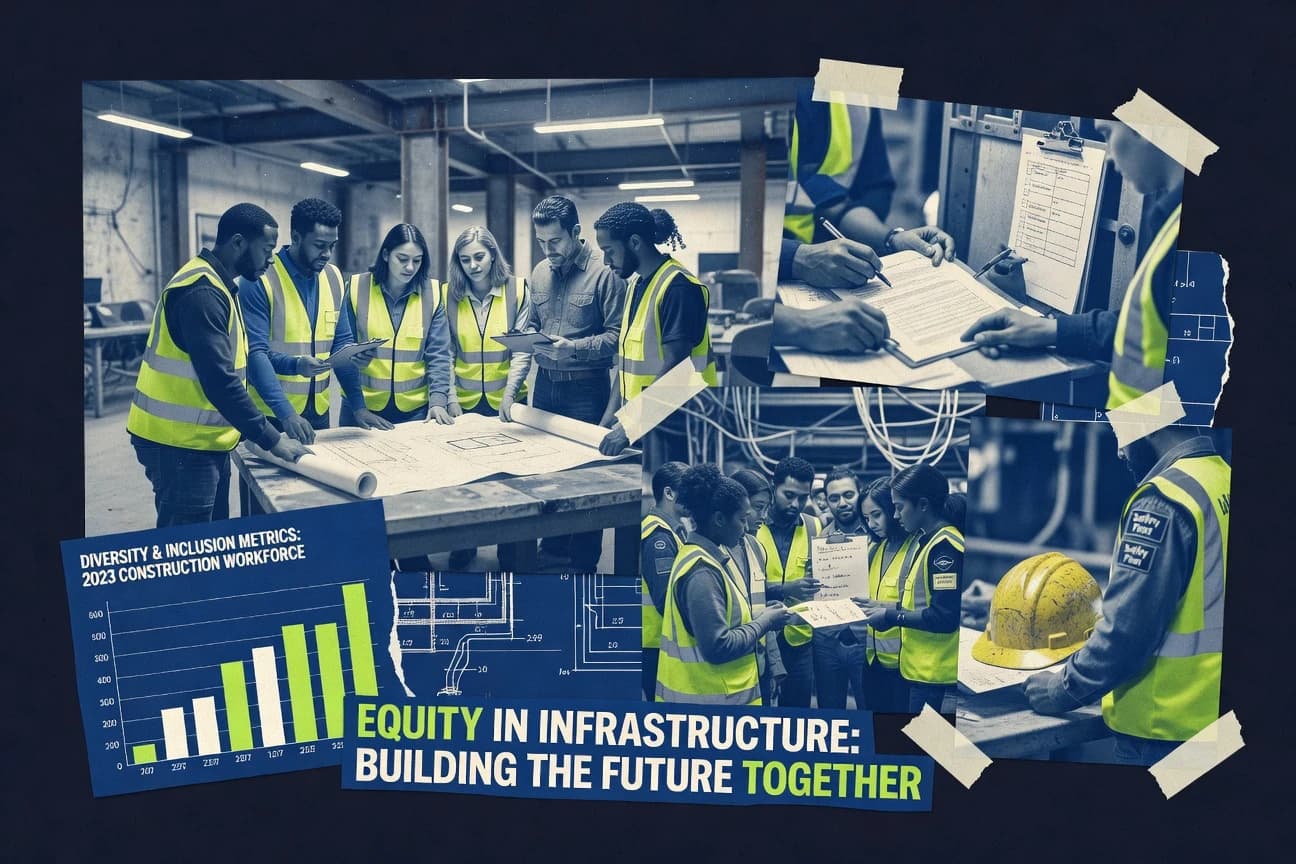
Diversity Equity And Inclusion In The Infrastructure Industry Statistics
What keeps inclusion efforts from stalling in infrastructure is now quantifiable, from women holding 39% of U.S. engineering jobs to 73% of infrastructure leaders backing contractor DEI resourcing. This page connects procurement and pay policy shifts, supplier diversity spend, and measurable workplace outcomes so you can see where training, management behavior, and accountability move retention, performance, and harassment reporting.

Diversity Equity And Inclusion In The Legal Industry Statistics
The latest DEI snapshot in the legal industry shows where progress is stalling even as representation improves, with 2025 and 2026 figures highlighting sharp gaps across hiring, promotion, and leadership. Read to see which disparities are widening fastest and what the data suggests is actually changing inside law firms.

Diversity Equity And Inclusion In The Travel Industry Statistics
More travelers are voting with their bookings, with 42% saying they are more likely to choose a company that delivers diverse and inclusive experiences, while inside the industry 46% of U.S. hotel employees report experiencing or witnessing discrimination at work. The page pairs these demand signals with workforce and pay gaps, plus accessibility and leadership metrics, so you can see exactly where DEI is working and where it still falls short.

Diversity Equity And Inclusion In The IoT Industry Statistics
See how DEI gaps persist in IoT hiring and leadership even as adoption accelerates, with a clear snapshot of the 2025 numbers behind who gets built for and who gets built into the industry. The contrasts between representation, pay, and workplace support are specific enough to challenge common assumptions about progress.