
Market data
Diversity Equity And Inclusion In Industry
Explore verified diversity equity and inclusion in industry statistics and market research reports with sourced data and trend analysis.
Latest update:
 Megan Gallagher

Diversity Equity And Inclusion In The Wealth Management Industry Statistics
In US wealth management, women still earn only 82 cents for every dollar men earn, and the gap widens further by race with Black wealth advisors facing a 28% pay disparity versus white peers. See how representation also stalls, from women dropping to 19% of registered investment advisors in 2023 to Black professionals holding just 3.2% of advisor roles in the US.
Diversity Equity And Inclusion In The Alcohol Industry Statistics
In 2023, major alcohol companies moved DEI from “optional” to standard practice with 92% implementing mandatory training, even as women made up 18.4% of U.S. distillery C suite roles and Black executives held just 3.7% of board seats in major spirits. The page connects how representation, pay equity audits, supplier diversity, and marketing casting are progressing in parallel so you can see where measurable momentum is building and where gaps still persist.
Diversity Equity And Inclusion In The Multifamily Industry Statistics
DEI in multifamily is no longer a side project since 84% of properties report having DEI policies or programs as of 2024, yet discrimination and accessibility gaps still shape who gets to feel truly at home. This page pairs that momentum with hard pressure points like 18.5% of renters reporting discrimination in the rental process and only 0.7% of apartment listings using explicit ADA accessibility features in marketing copy to show exactly where DEI efforts help and where they fall short.
Diversity Equity And Inclusion In The Petrochemical Industry Statistics
In 2025 era reporting, women still face a 12% gender pay gap in petrochemicals after controls, even as ExxonMobil hits pay equity for women at 100% and boosts inclusion to improve safety by 5% and productivity by 12%. This statistics page pulls together workforce diversity, leadership representation, ERG reach, DEI training adoption across 85% of firms, and the measurable lift from initiatives at ExxonMobil, Chevron, and Dow to show what progress looks like when it is quantified.

Inclusion Statistics
Inclusive policies are turning into measurable outcomes across money, school, health, and work, from 1.4 billion adults still excluded from finance to financial inclusion raising GDP by 2 to 3 percent. You will see how inclusion reshapes lives at scale, bringing 258 million more children into education and cutting mental health disparities by 27 percent.

Diversity Equity And Inclusion In The Video Game Industry Statistics
Despite 65% of studios running DEI training in 2023, only 40% measure whether it works and 20% offer basic accessibility accommodations like flexible hours. The page maps how that gap shows up in real outcomes too, from 50% higher post education unemployment for autistic developers to women dropping to 24% of the workforce in 2022 and underrepresented employees staying at rates 20% lower than average.
Diversity Equity And Inclusion In The Bpo Industry Statistics
Women now make up 58% of the global BPO workforce and their pay gap has tightened, with female VPs earning 92% of male counterparts in 2023. Still, representation is uneven across regions and roles, so the page tracks exactly where BPO DEI efforts are closing gaps and where they are not.
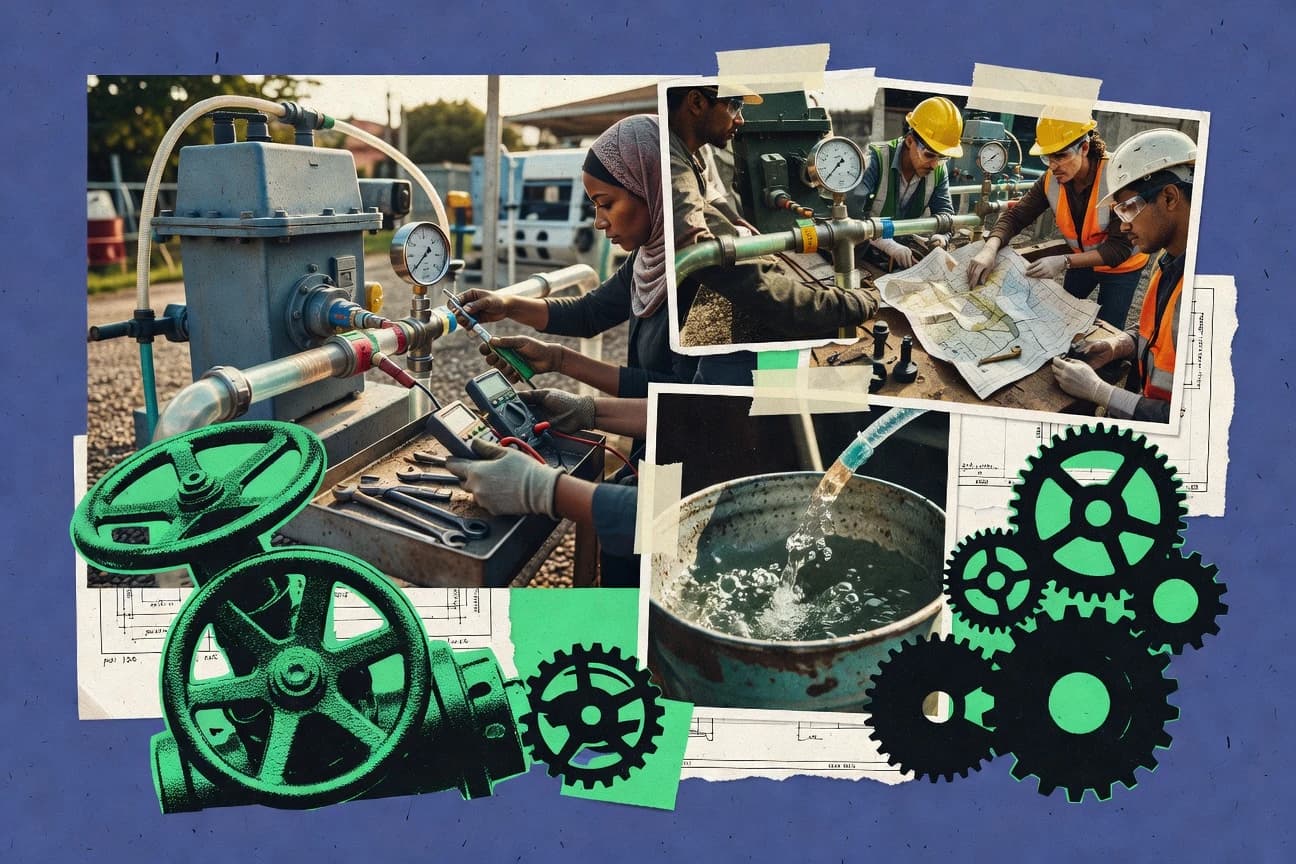
Diversity Equity And Inclusion In The Water Industry Statistics
With the U.S. women workforce at 41.0% (2023) and 3.9% of workers reporting a disability (2023), this page sets a measurable baseline for where inclusion already holds up and where water utilities still fall short. It also links DEI to real outcomes and pressure points from a 60% jump in intent to leave when inclusion fails to $39.1 million in 2023 WIFIA funding, plus global water scarcity affecting at least 12.4% of people between 1990 and 2020.
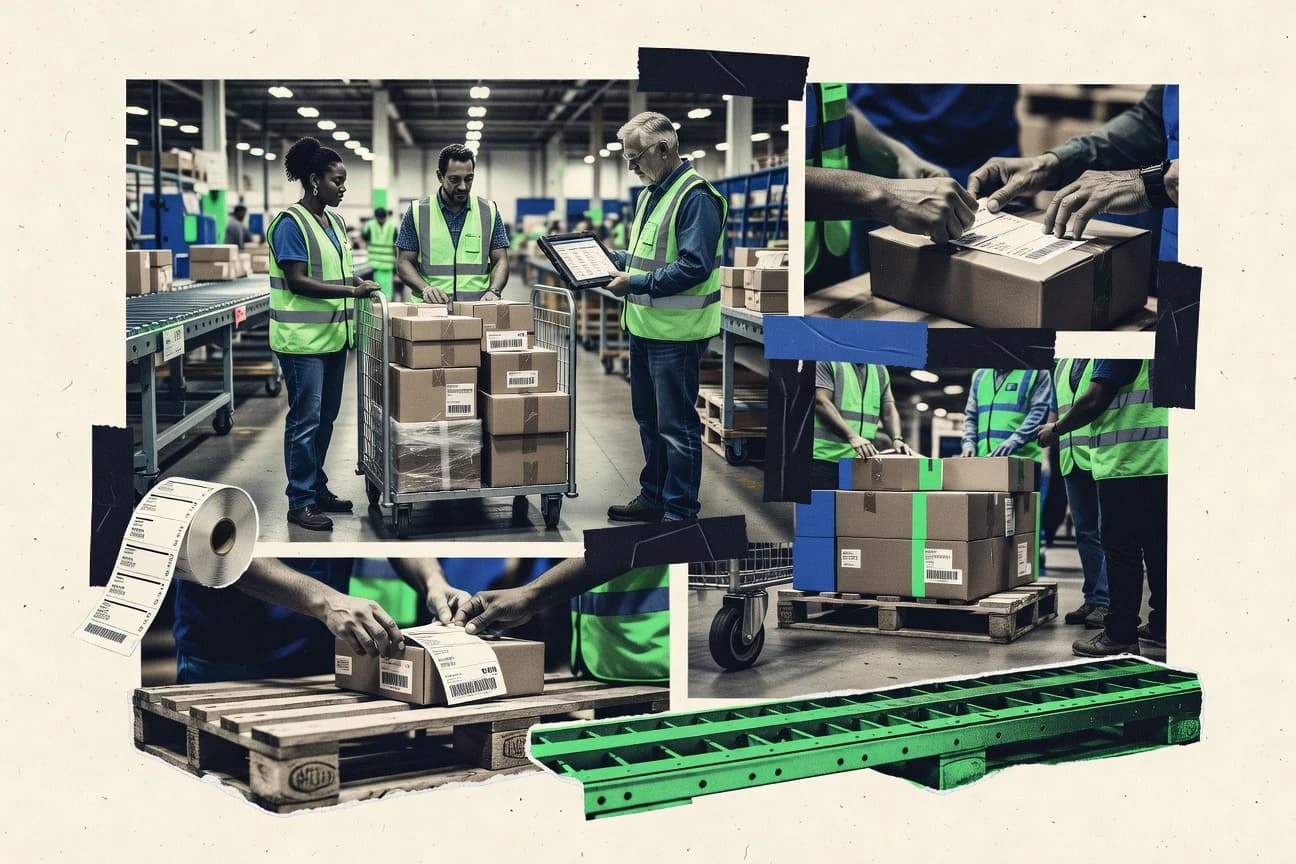
Diversity Equity And Inclusion In The 3Pl Industry Statistics
With 81% of companies now having formal DEI policies and 52% reporting that investors increasingly demand DEI metrics in ESG disclosures, the 3PL industry is being pushed from values to verifiable measurement. But workplace realities still lag, with 67% of workers reporting discrimination and 28% saying they left a job due to weak DEI initiatives, making these statistics essential for anyone tracking hiring, retention, and leadership accountability.
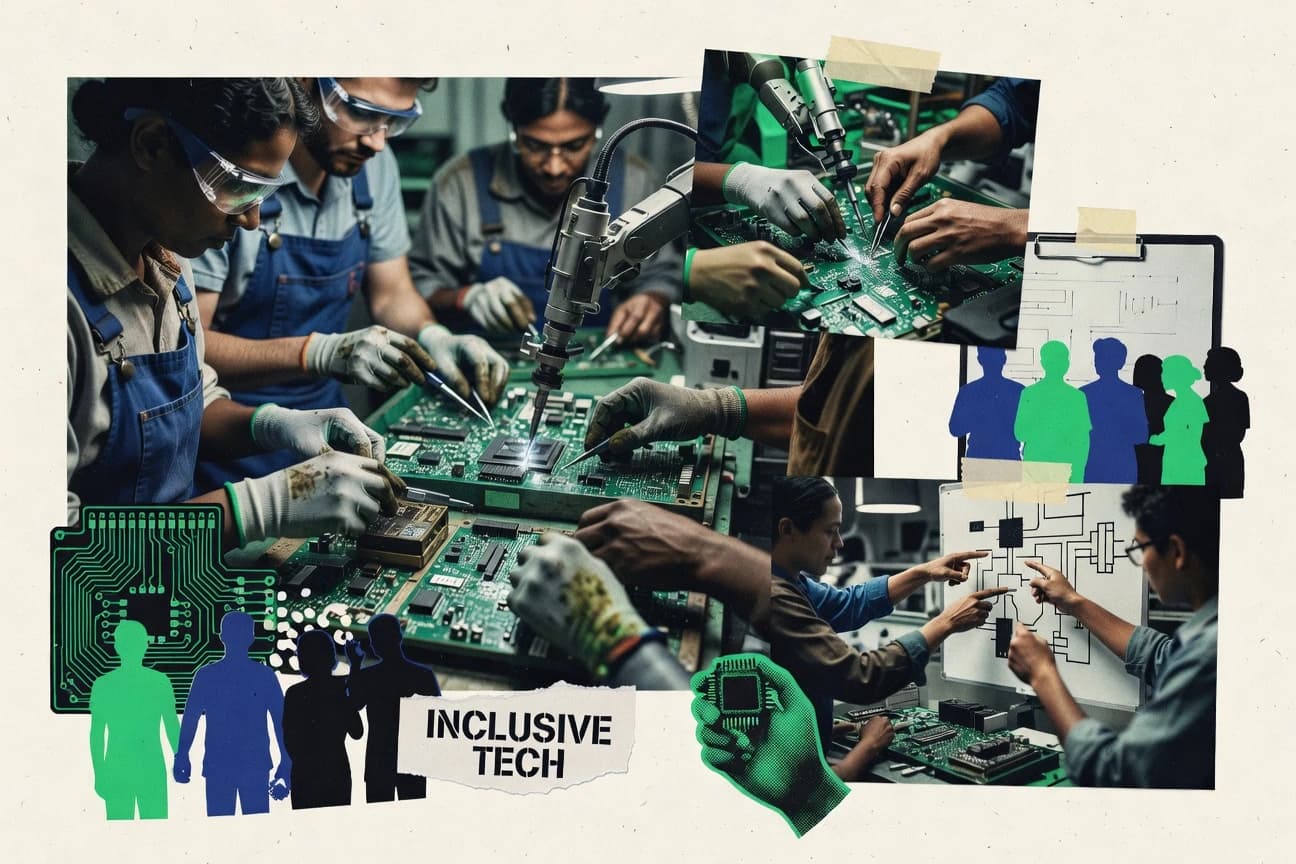
Diversity Equity And Inclusion In The Electronics Industry Statistics
New 2026 figures reveal how far diversity in electronics is progressing and where it still stalls, across hiring, leadership, and pay. You will see the sharp gap between representation and opportunity, plus the concrete metrics used to measure whether inclusion is actually taking root.
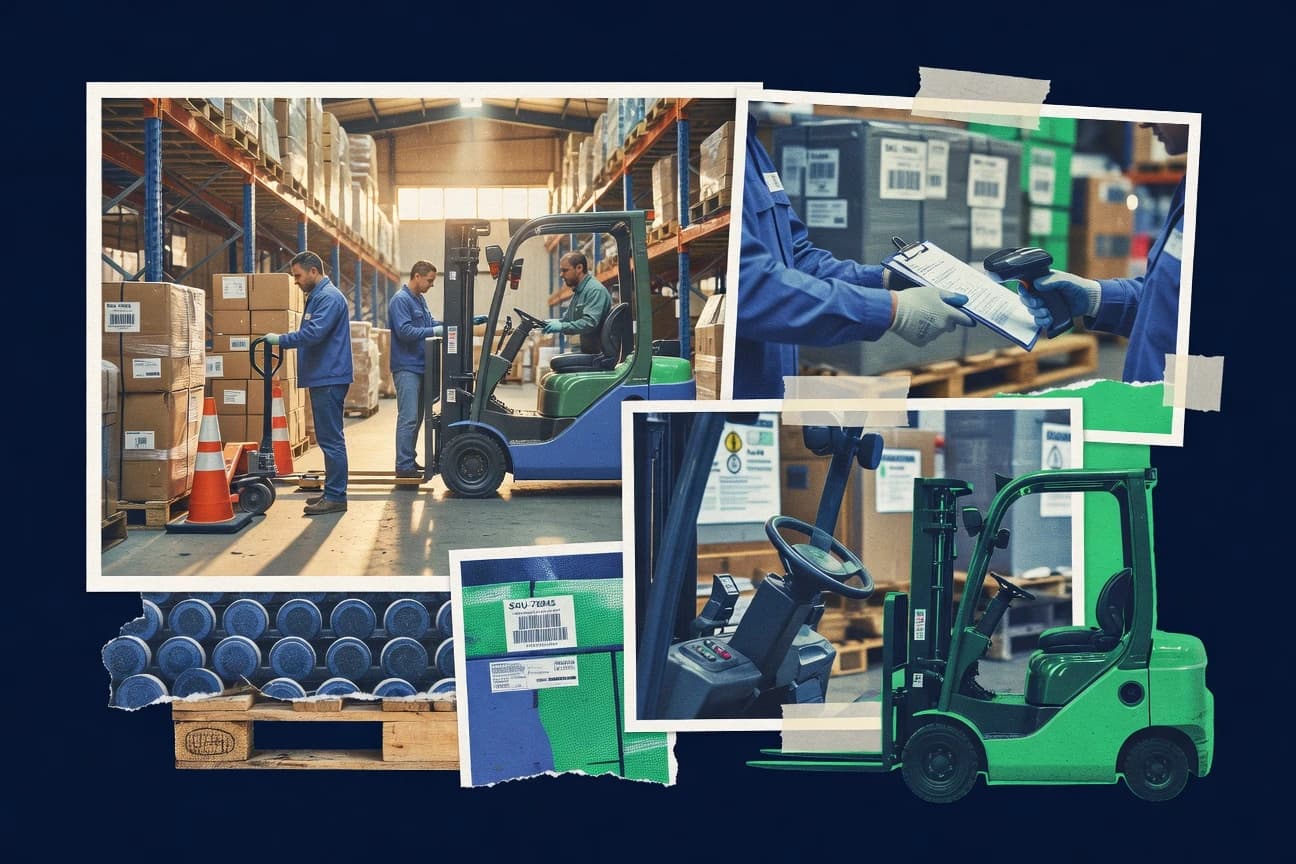
Diversity Equity And Inclusion In The Material Handling Industry Statistics
With 68% of S&P 500 companies now overseeing board level diversity, the stakes for warehousing and trucking are no longer just cultural they are measurable, from a 2.5x injury risk for Black and African American workers to a 19% higher turnover when inclusion feels low. Pair that with 0.7% productivity lift tied to top decile gender diversity in leadership and 1 in 4 women reporting sexual harassment, and you get a clear picture of where material handling DEI efforts must move next.

Diversity Equity And Inclusion In The Igaming Industry Statistics
Get the clearest snapshot of how Diversity, Equity, and Inclusion is actually playing out in iGaming, with the most up to date 2025 and 2026 figures showing where progress is accelerating and where it is stalling. The contrast between representation and workplace realities is stark enough to make you rethink what “inclusion” means in this industry right now.

Diversity Equity And Inclusion In The Podcast Industry Statistics
The latest DEI numbers for the podcast industry reveal a striking mismatch between who gets hired behind the mic and who is heard by listeners, with representation trends moving at a slower pace than audience demand. Use these 2025 to 2026 snapshots to see which pipeline gaps are tightening and which are still wide open, so your next move is guided by evidence not assumptions.

Diversity Equity And Inclusion In The Heavy Industry Statistics
See how equity and inclusion in heavy industry are shifting beyond slogans as recent 2025 and 2026 benchmarks reveal where progress is real and where it stalls. The page puts representation and workforce experience side by side so you can spot the gaps that keep closures, hiring, and advancement from adding up.
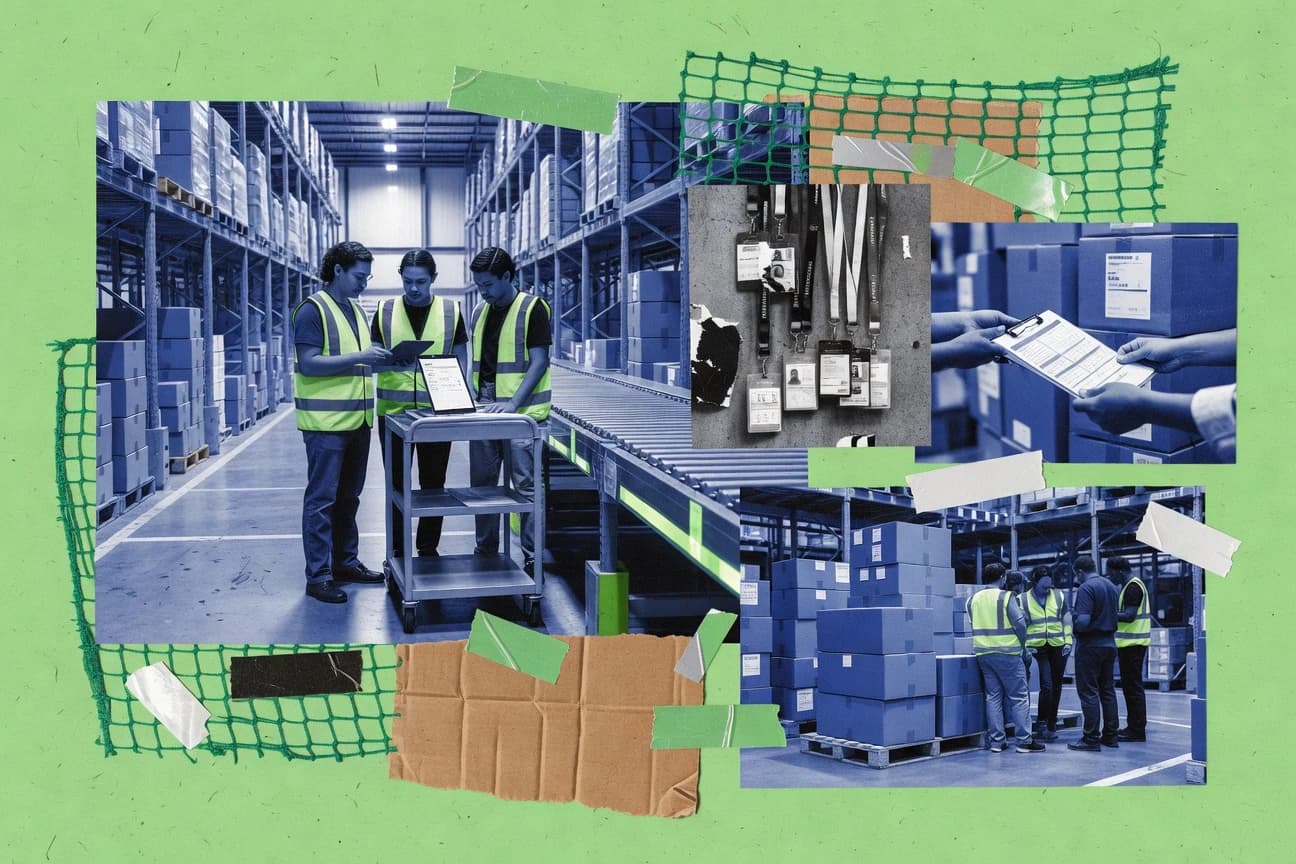
Diversity Equity And Inclusion In The Warehouse Industry Statistics
Fair communication boosts productivity for 73% of warehouse workers, yet 41% say they have never received any DEI training, leaving a sharp gap between intent and everyday practice. From a 37% reduction in bias complaints with structured bias training to 11.4% of logistics and warehouse employees being women and 54% of employers treating DEI as business strategy, these stats show exactly what changes culture and safety on the floor.

Microaggressions In The Workplace Statistics
Microaggressions at work are showing up in patterns people feel but often cannot name, from who reports mistreatment to how often it is dismissed. The latest 2025 findings add a sharper edge to the data, revealing how small moments accumulate into real impact on retention and wellbeing.

Gender Discrimination In The Workplace Statistics
Gender discrimination still shows up in paychecks, promotions, and who gets heard, but the latest workplace figures make the imbalance harder to ignore. See how 2026 data shifts what we thought we knew about bias and where it hits hardest for employees.

Diversity Equity And Inclusion In The Game Industry Statistics
New 2025 hiring and workplace metrics reveal how far progress really has gone for DEI in game studios, and where the pipeline still frays. The page puts role, leadership, and representation side by side so you can spot the gaps hiding behind broad optimism.

Diversity Equity And Inclusion In The Chemicals Industry Statistics
Spotlight on chemicals industry DEI where 2026 hiring and leadership snapshots reveal whether progress is real or just promised. Pairing workforce representation and inclusion outcomes side by side, the page surfaces the gaps that still separate intention from everyday culture.

Diversity Equity And Inclusion In The Technology Industry Statistics
Recent evidence still shows a stubborn gap between what tech says and what people experience, from discrimination and biased hiring outcomes to pay and representation disparities. With results that point to practical levers like structured interviews, psychological safety, and pay transparency, this page connects DEI measurement to hiring fairness, workplace inclusion, and business performance.