
Market data
Digital Transformation In Industry
Explore verified digital transformation in industry statistics and market research reports with sourced data and trend analysis.
Latest update:
 Karl Becker

Digital Transformation In The Education Industry Statistics
With 37% of learners using digital tools during COVID-era school closures and 74% of remote educators saying they still needed more training, the real gap is not access but capability. This page tracks what it will take to scale safely and effectively, from rapid LMS and training market growth to broadband funding and rising ransomware risk.

Digital Transformation In The Plastics Industry Statistics
Smart manufacturing budgets are accelerating fast, with global spending projected to reach about $335 billion by 2025, while IIoT expands from $195.3 billion in 2022 toward $499.3 billion by 2030, and MES software is forecast to hit $20.0 billion by 2026. For plastics producers facing rising OT risk, it also tracks what this shift enables and what it complicates, from ransomware-driven breach exposure and 2040 design for recyclability pressure to quantified wins in scheduling, OEE, and predictive maintenance.

Digital Transformation In The Business Industry Statistics
Digital Transformation In The Business Industry traces how investment is accelerating, with digital transformation services climbing to $1.5T in 2023 and public cloud spending forecast at about $678.8B in 2024 while RPA momentum is still building toward $13.7B by 2026. You will also see the security and execution tension behind that growth, from Zero Trust adoption reaching 83% and agile teams finishing projects 37% faster to the global data breach cost of $4.45M and ransomware exposure in 3.1% of IP addresses.

Digital Transformation In The Semiconductor Industry Statistics
Semiconductor digital transformation is scaling fast, with the digital twin market sized at $14.4 billion in 2024 and predictive maintenance pushing toward $12.5 billion by 2026, while cloud CAD and real-time analytics promise up to 54 percent and 10 percent OEE gains respectively. But the same push for visibility is where risk shows up most, as 86 percent of manufacturers report supply chain disruption from poor transparency and the median US data breach cost hit $9.44 million in 2023, making cybersecurity and data governance non negotiable.

Digital Transformation In The Food Packaging Industry Statistics
As packaging goes digital, the pressure is rising fast and the gaps are obvious, with 90% of packaging forecast to be digitalized by 2030 while 40% of firms still face cybersecurity risks tied to IoT adoption and 48% of EU companies struggle with smart packaging data privacy compliance. This page connects the biggest blockers, from legacy integration delays and data silos to skills and ROI timelines, to show what it really takes to scale digital labels, traceability, analytics, and edge intelligence without breaking trust.

Digital Transformation In The Msp Industry Statistics
Cloud and security budgets keep rising even as breach containment averages just 58 days and phishing drives 36% of incidents, pushing MSPs to modernize fast. See why worldwide managed services are projected to hit $372.6 billion by 2028, with $188.3 billion forecast for security software and 92% of organizations already adopting some form of AI.

Digital Transformation In The Automotive Aftermarket Industry Statistics
With generative AI expected to reshape 63% of customer journeys by 2027 while cybercrime losses are forecast at $74.6 billion in 2023, automotive aftermarkets face a retention and trust test at the same time their operations are digitizing fast. This statistics page maps how data quality, CRM and connected service spending, and cloud and access security translate into practical wins like lower inventory carrying costs and faster, more personalized parts and service experiences.
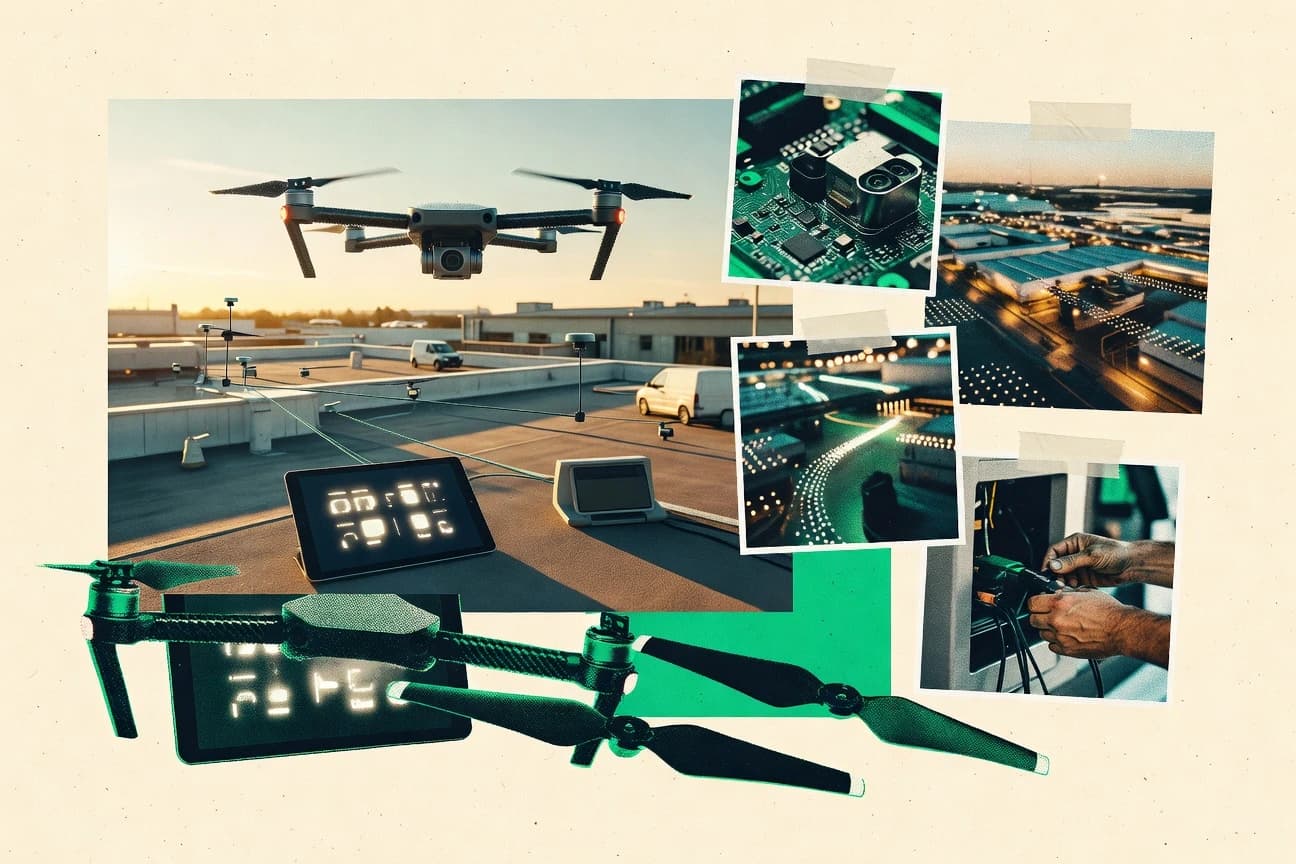
Digital Transformation In The Drone Industry Statistics
Cloud and data governance are becoming the make or break layer for drone programs, with 55% of organizations reporting a formal data governance setup and Gartner estimating poor data quality costs $12.9 million per year. At the same time, drone software and related services are projected to grow at a 19.4% CAGR from 2021 to 2028, meaning the competitive edge is shifting from flying hardware to digitized workflows that turn imagery into decisions.
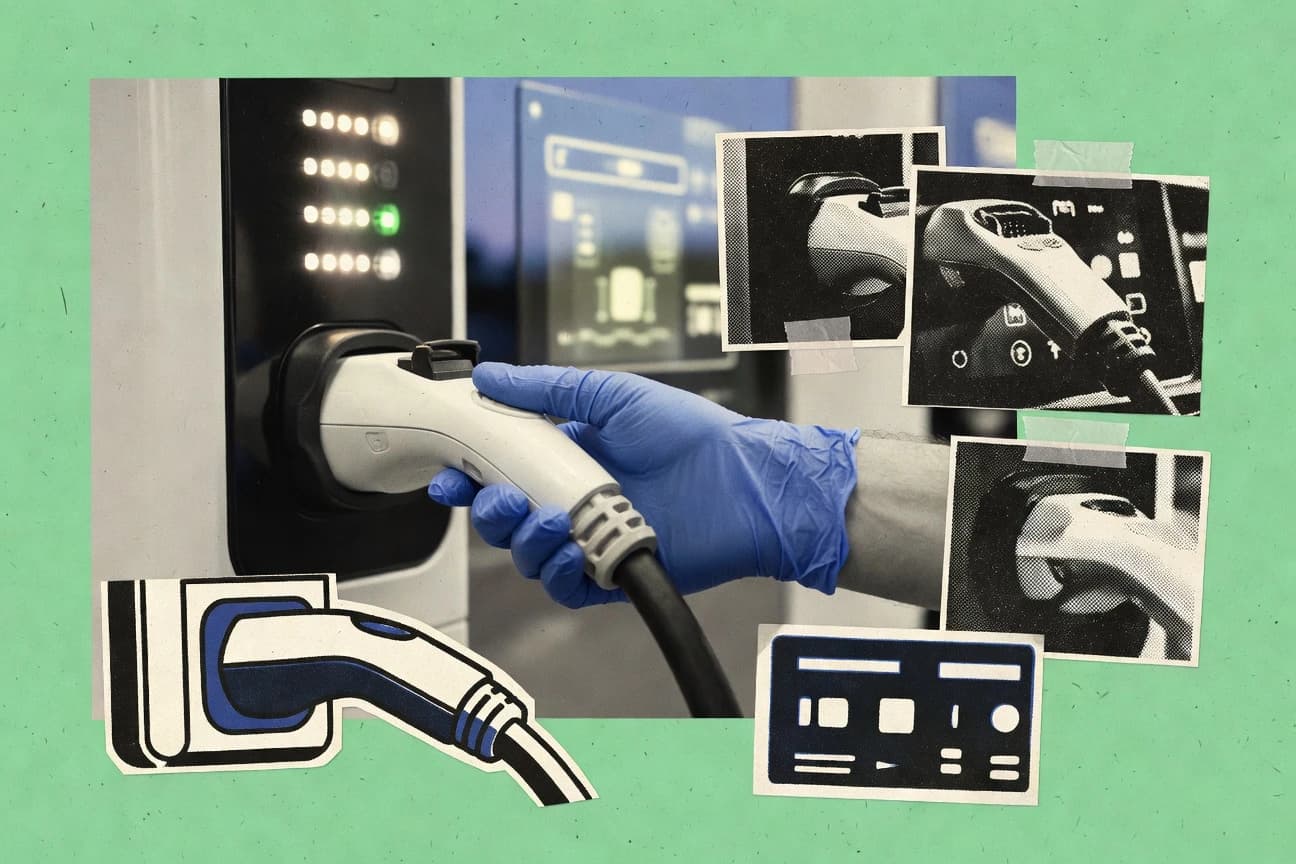
Digital Transformation In The Ev Industry Statistics
EV momentum is clearly tilting toward software led operations, with Europe projected to reach 60% electric new car sales by 2025 and global EVs topping 40 million in the fleet by end 2023, while digital twins, OTA and predictive analytics help scale production and squeeze lead times. The page also weighs the friction points, from interoperability gaps in charging to range anxiety and privacy risks, so you can see exactly what it takes to turn transformation into faster, cleaner adoption.

Digital Transformation In The Gas Industry Statistics
Gas digitization is no longer a pilot exercise when 86% of utilities already have smart or advanced metering systems in place or planned, yet outage risk still costs utilities millions each year and data quality remains a top priority for 57% of enterprises. This page connects the money and the measurable gains behind predictive maintenance, intelligent optimization, and secure OT to modernize 3,300+ miles of U.S. transmission capacity with confidence.

Digital Transformation In The Industrial Industry Statistics
See how manufacturers are turning connected data into measurable gains, from 45 percent fewer cases of unplanned downtime with predictive maintenance to 1.5x higher OEE when real time optimization and advanced analytics are in place. But the same datasets that power success also explain why 30 percent of industrial firms stall on ROI because integration and infrastructure are not ready and governance lags.

Digital Transformation In The Fmcg Industry Statistics
With global public cloud spending forecast at $795.2 billion in 2024 and AI and security budgets rising fast, FMCG leaders are being pushed to modernize everything from ERP and track and trace to warehouse and warehouse defenses. The page connects the dots between adoption levels like 62% automation uptake and hard pressures like GDPR fines up to €20 million, showing where transformation delivers measurable cost wins and where it fails when data quality and compliance get ignored.
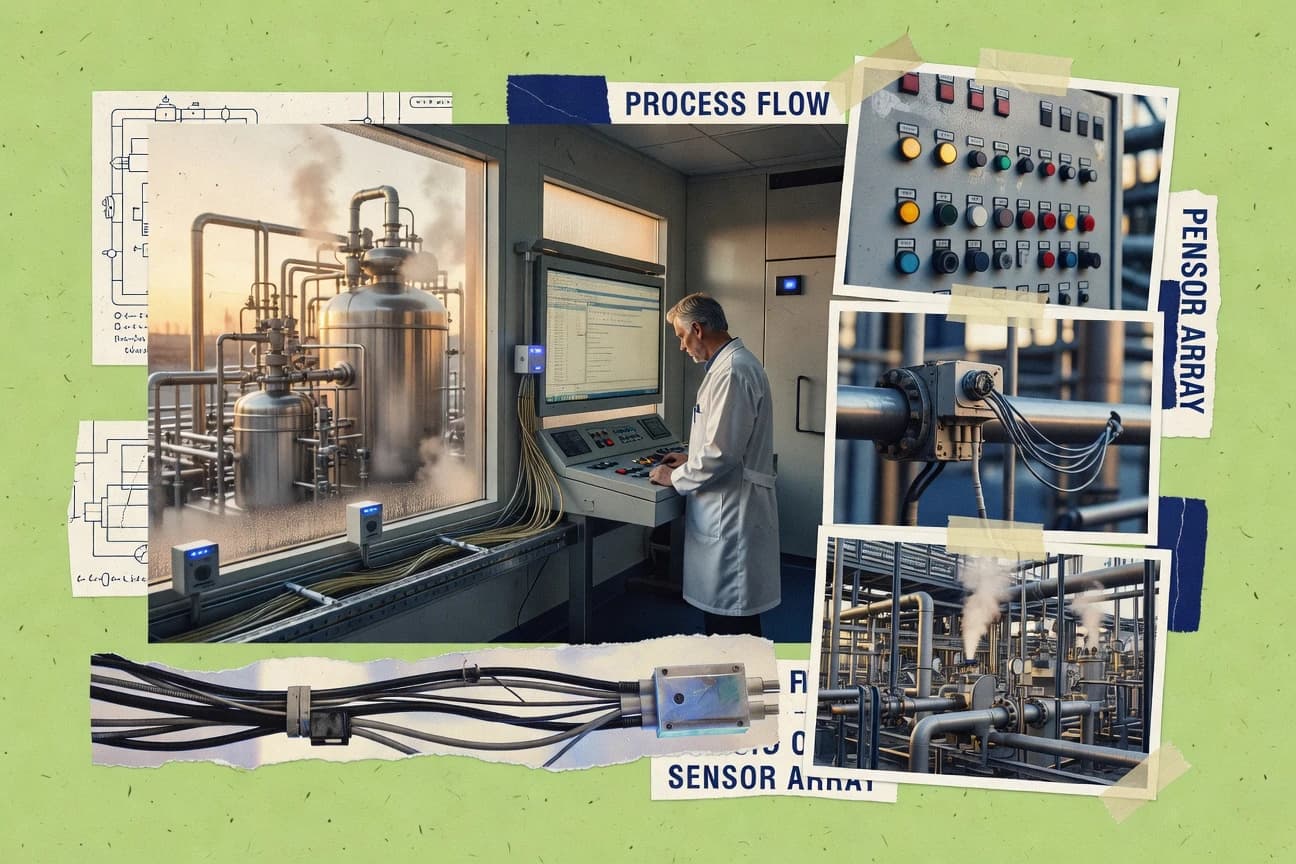
Digital Transformation In The Chemical Industry Statistics
Quality non conformance can cost an estimated 6% of global chemical sales each year, yet manufacturers are also prioritizing cybersecurity at 71% as the digital factory becomes non negotiable for OT and batch integrity. See how chemical leaders use connected worker adoption, industrial IoT and process automation market momentum, and targeted gains like up to 25% lower energy use and 15% to 20% less audit prep time to turn compliance pressure into measurable operational advantage.

Digital Transformation In The Cryptocurrency Industry Statistics
By 2024, crypto ownership climbed to 562 million users worldwide and institutional investors raised their crypto allocation to 52% of portfolios, showing how asset management is digitizing fast while payments and DeFi scale under real smart contract pressure. The page tracks the transformation end to end from $160 billion in stablecoins and $3 trillion in monthly derivatives to the 2023 security losses and regulatory milestones that shaped what can be trusted.

Digital Transformation In The Aviation Industry Statistics
From 5G inflight WiFi that lifts engagement by 40% to biometric boarding that cuts wait times and raises satisfaction by 35%, these aviation digital transformation stats prove the upgrade is measurable now. See how airlines are using AI and connected systems to boost NDC loyalty by 15%, reduce operating costs for 62% of adopters by 15%, and turn smarter passenger journeys into real revenue gains.

Digital Transformation In The Financial Service Industry Statistics
By 2030, the global digital transformation market is projected to hit $2.0 trillion, and financial services are already pushing it forward with AI spending of $256.7 billion in 2024, while fraud prevention and cybersecurity budgets surge and the cost of cyber downtime still averages $749,000 per incident. This page connects that scale to what actually changes day to day, from cloud uptime targets and real time payments to how DevOps, automation, and digital self service are reshaping both customer experience and compliance pressure.

Digital Transformation In The Food Service Industry Statistics
With 81% of U.S. consumers searching monthly for local businesses and 1 in 3 finding restaurants through Google and maps, food service digital transformation is no longer optional for visibility or revenue. See how digital ordering, payments, and forecasting are reshaping operations with proof like a 20% lift in order frequency and AI demand tools pulling inventory accuracy into measurable gains.

Digital Transformation In The Beef Industry Statistics
From 2023 automation that delivered $2.5 billion in annual US cost savings to Australian IoT ROIs averaging 250% in just two years, this page shows how beef producers are turning farm data into measurable performance. It also reveals the surprising tradeoffs behind the shift, where blockchain, RFID traceability, precision tech, and AI are simultaneously cutting costs, lifting premiums, and tightening sustainability outcomes across countries.

Digital Transformation In The Igaming Industry Statistics
With global DT tech spending headed to $2.6 trillion by 2026 and public cloud services projected to hit $679 billion in 2024, iGaming operators are scaling fast even as web apps account for 58% of breaches and data quality claims reach 33%. This page connects the pressure points behind faster delivery, stronger cloud security, and modernization of payments and account experiences, so you can see where resilience, personalization, and fraud prevention are being won or lost.
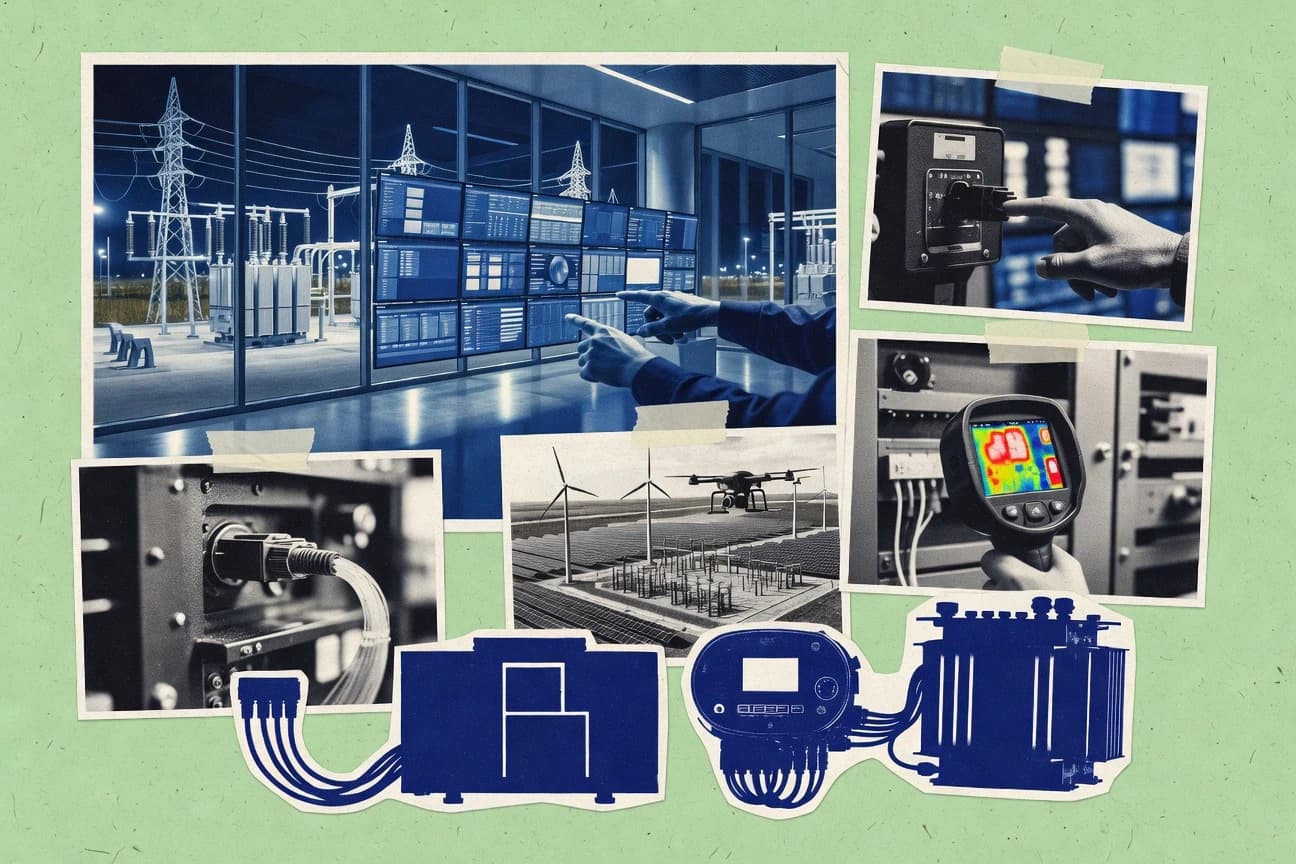
Digital Transformation In The Energy Industry Statistics
By 2025, 72% of energy firms plan to double digital workforce skills investment while AI integration is expected to reach 85% across operations, and the cost results are already visible. From predictive maintenance cutting unplanned downtime by 50% to smart grid upgrades improving efficiency by 12%, the statistics page connects where adoption is accelerating with what it changes in performance, risk, and emissions.