
Market data
Wellness Fitness
Explore verified wellness fitness statistics and market research reports with sourced data and trend analysis.
Latest update:
 James Okoro

Singapore Fitness Industry Statistics
Singapore’s fitness sector is moving faster than most people expect, with 2025 showing major momentum across gyms, group training, and class demand as participation patterns keep shifting. Get the statistics that explain what is actually driving the growth and where the biggest gaps and opportunities are appearing.

Canada Fitness Industry Statistics
Canada Fitness Industry numbers are changing faster than gym memberships do, with 2026 figures putting fresh weight on how Canadians train, spend, and stay consistent. Read these statistics to see what is rising, what is slipping, and where demand is shifting before the next round of budgeting and hiring.

Uk Wellness Industry Statistics
UK wellness is moving fast and the numbers are catching up, with 2026 data highlighting how demand is reshaping everything from retail to mental wellbeing support. If you think wellness growth is just another lifestyle trend, these statistics put a sharper, more practical lens on where the momentum is actually landing.
Uk Fitness Industry Statistics
UK fitness is moving fast, with 2025 showing the sector’s most measurable demand shift yet, including a growing wave of members and services tied to higher spending power. Get the headline stats and the surprising contrasts behind where growth is happening and what it means for operators planning for 2026.

Sauna Industry Statistics
Sauna Industry statistics reveal how demand and purchasing behavior are shifting, with 2026 projections pointing to a sharper rise in adoption than many expect. See what changed behind the scenes and which market signals are likely to matter most for operators trying to plan beyond the next season.

La Fitness Industry Statistics
LA Fitness ended 2023 with 695 clubs and 4.9 million members, delivering 60.7 million member visits while retaining 75% of its base and keeping monthly churn at 4.5%. Track how a company headquartered in Irvine scaled modestly with 7 new clubs yet grew per club demand to 7,333 members, alongside revenue details like $3.7 billion in membership dues, $0.2 billion in initiation fees, and $0.5 billion in other services.
College Students Exercise Statistics
College Students Exercise lays out the sharp disconnect between intention and real outcomes, with standout 2025 rates showing who actually moves and who stays stuck. See how time, access, and study pressure stack up against the results, so you can compare your own routine to what the latest data says is happening on campus.

Fitness Statistics
Americans are still most likely to stick with fitness weekly, with 58.0% exercising at least once per week in 2023, yet the industry is accelerating fast behind the scenes with 611.4 million global fitness app downloads in 2023 and a $105.6 billion sportswear market projected for 2024. If you have ever wondered whether gym culture, wearable tech, and costs are pulling people together or pushing them out, this page connects the research and spending to the results that matter.

Uae Wellness Industry Statistics
See what changed in the UAE wellness market in 2025, where shifting demand and spending patterns are reshaping everything from spa visits to preventive care. Get the specific figures behind this momentum so you can spot where growth is accelerating and where it is quietly cooling.

Fitness Coaching Industry Statistics
From a 20 billion USD global online fitness coaching market forecast by 2026 to 8.3 billion USD group fitness coaching projections by 2027, the growth story is clear, but the real clue is how clients want to be coached, with 88% preferring flexible scheduling and 80% willing to pay more for personalized nutrition. This page connects the demand, pricing power, and tech shift like AI and wearables to what actually makes coaching stick, so you can spot where the industry is heading next and why.

Germany Fitness Industry Statistics
Germany’s fitness industry is still growing, with fitness studios generating €11.2 billion in revenue in 2023 and projected to reach €12.7 billion by 2028, while membership rises toward 12.9 million. Yet the picture is not purely upbeat since turnover remains high with an estimated 24% annual churn and many adults still skip exercise due to time or cost, making this a sharp look at where demand holds and where it slips.

India Wellness Industry Statistics
India’s wellness market is projected to grow at a 9.5% CAGR from 2024 to 2032, taking it to about $xxx billion by 2032, even as India still faces heavy demand pressure from low physical activity and high obesity rates. Pair that with mass scale digital adoption, where smartphone and internet users reached 759.3 million and 749.1 million in 2024, and you get a clear tension between rising consumer readiness and urgent health gaps driving everything from yoga and alternative medicine to spa and wellness tourism.

Self-Care Industry Statistics
Self-care is no longer a niche add-on, with global personal care hitting $271.0 billion in 2023 while the digital health wave is projected to reach $461.9 billion by 2030. This page maps the scale and shift across everything from skin and oral care to sleep, stress, supplements, and remote monitoring so you can spot where consumer habits are accelerating fastest.
Japan Gym Industry Statistics
Japan Gym Industry benchmarks shift fast, and the latest 2026 figures reveal where growth is concentrating while older assumptions about demand no longer hold. Get the comparison that matters for owners and operators trying to plan capacity, staffing, and pricing with confidence.

Ergonomic Statistics
Chronic pain affects 25% of U.S. adults and sprains, strains, and tears account for 69% of all nonfatal workplace injuries and illnesses, so the data point is clear and urgent. This page connects those burdens to what actually works, from participatory ergonomics and workstation redesign to training and risk scoring, including improvements measurable in pain symptoms, usability, and compliance.

Diet Industry Statistics
Diet decisions move faster than the results. With US OTC weight loss drugs at $2.1 billion in 2023 and GLP one medications driving a 15 to 20 percent loss for many, the page confronts what everyone wants to know about staying power, since 78 percent regain within 5 years and 95 percent of diets fail long term.
Online Fitness Industry Statistics
See what it takes to keep users coming back in online fitness, where DAU averages 25 percent of installs and push notifications lift open rates by 88 percent, while churn still averages 45 percent in the first month. This page connects design choices to measurable outcomes for 2026 and beyond, including live classes with 3x higher attendance, personalized recommendations boosting retention by 27 percent, and gamified apps delivering 50 percent higher 90 day retention.

Bench Press Statistics
Bench press is more than a strength metric with 36% of powerlifters reporting shoulder pain and a 25% per year shoulder injury rate, plus 80% of pec tears happening during the eccentric. This page pulls in the “fixable” mechanics too, from grip width that can raise elbow stress by 50% to scap retraction that can double impingement risk, so you can see exactly what might be stealing your gains.
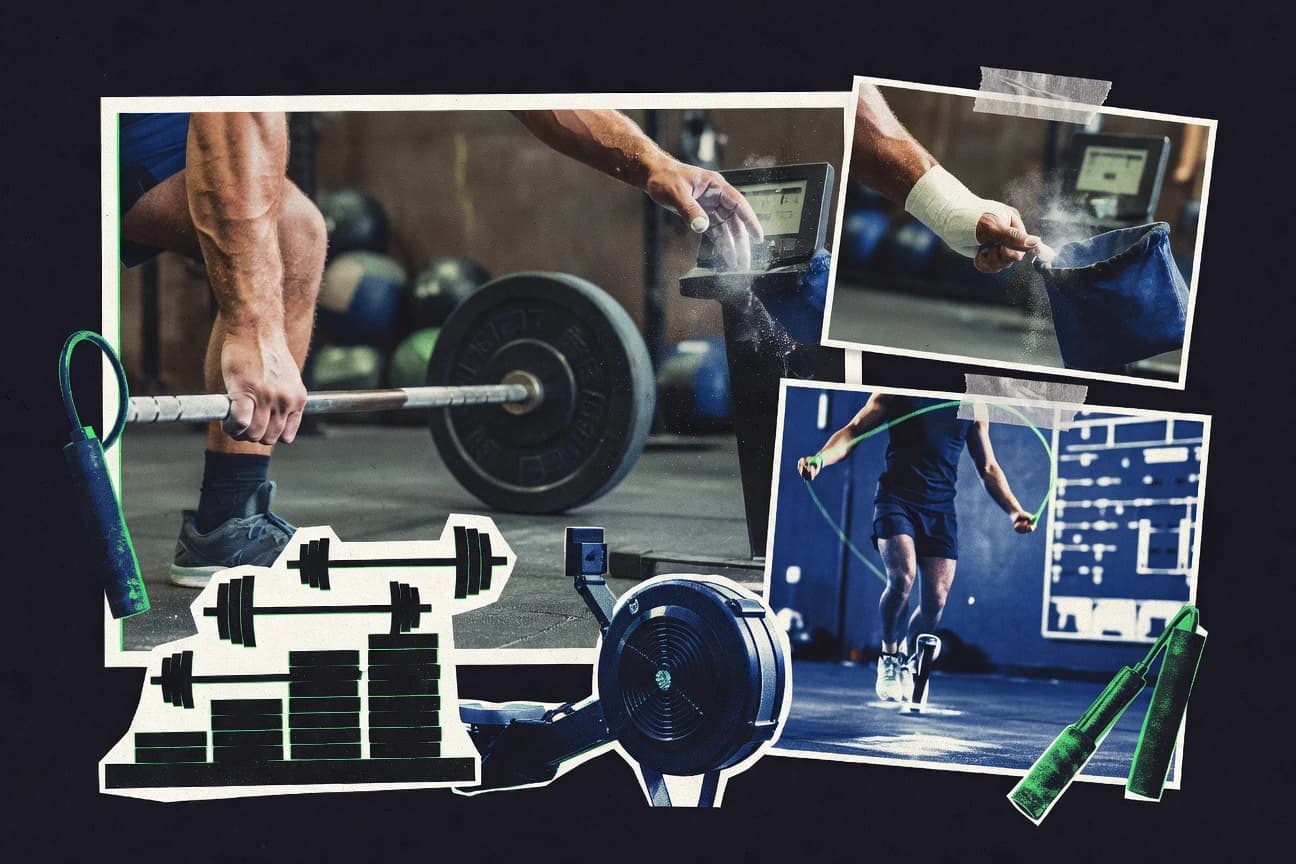
Crossfit Growth Statistics
CrossFit Growth charts why the community is getting younger, more diverse, and more medically connected at the same time, with the adaptive-athlete share of the Open having tripled since 2021 and women aged 40 to 54 driving suburban box growth. You will also see how Open participation runs nearly at 50% female and keeps parents close to the leaderboard, while more than 2.8 million people follow CrossFit on Instagram and the Games reach ESPN Plus and Disney Plus audiences.

Gym Membership Retention Statistics
If you feel memberships slipping through the cracks, start with this. Global churn spikes to 40% in the first three months for new members, yet mid sized clubs hold on at 67% retention when coaching, scheduling, and onboarding are handled well in the first year.