
Market data
Diversity Equity And Inclusion In Industry
Explore verified diversity equity and inclusion in industry statistics and market research reports with sourced data and trend analysis.
Latest update:
 Megan Gallagher

Gender Equality In The Workplace Statistics
Only 10.6% of Fortune 500 CEOs are women in 2023—see the promotion and pay gaps driving leadership inequality.
Diversity Equity And Inclusion In The Ict Industry Statistics
In US ICT, people with disabilities are 12% of the population but only 3% of tech jobs (2023). Find the causes and solutions.

Race Discrimination In The Workplace Statistics
Black workers reported discrimination at work based on race/ethnicity at 26% in 2021—see what the data reveals and what protections apply.

Diversity Equity And Inclusion In The Petroleum Industry Statistics
U.S. women made up just 16.2% of oil & gas extraction workers in 2023—see how ERGs, leadership pipelines, and training are addressing the gap.
Diversity Equity And Inclusion In The Auto Industry Statistics
Women hold 37% of U.S. engineering roles and GM reports 34% women among its U.S. employees, yet top automotive disclosures still show just 0.3% LGBTQ+ representation where measured. Get the contrasts that matter for 2025 and beyond, from how structured, inclusive hiring can lift interview-to-offer conversion by 3.7% and reduce bias in resume screening by 12% to what disability, wage gaps, and rising DEI reporting demands mean for everyday opportunities in auto.

Racism In The Workplace Statistics
Nearly half of Black workers report they have faced bias in hiring or promotions, and pay inequities continue to show up in hiring callbacks, promotions, and earnings. This page brings those workplace realities into focus, from weekly microaggressions and fear of speaking up to how weak discrimination complaint systems and name based bias affect who gets considered and who is overlooked.

Gender Pay Gap Uk Statistics
With women earning a £102 lower median weekly pay than men for full time work and a 9.6% median hourly wage gap, this page pinpoints how hours, labour market participation, and occupation shape the UK gender pay gap in 2024. You also get the sharper contrasts, from part time working and STEM representation to the drop from graduates to professors and partner roles, plus what the Equality Act and reporting deadlines mean for employers.

Diversity Equity And Inclusion In The Health Care Industry Statistics
With medical residents and students still unevenly represented and 64% of medical students showing DEI interest in 2021, this page connects those pipeline gaps to real care outcomes, from a 1.6 times higher readmission risk for Black patients to 23.8 maternal deaths per 100,000 live births overall. It also tracks what hospitals and employers are doing now, including 58.0% with a formal DEI strategy in 2023 and 33.0% publicly reporting equity metrics, alongside barriers that still stall mental health access and prescription affordability.

Gender Pay Gap Statistics
Women in the US earned 0.82 dollars for every 1 dollar men earned in 2023, while Korea’s gender wage gap reached 33.6% in 2022, showing how pay gaps can widen even among established economies. You will also see what stronger pay transparency rules and related laws could change, including how the OECD finds a 2.0 percentage point reduction where transparency is robust.

Equal Pay Statistics
Whether it is a motherhood earnings penalty of 16% in an OECD study or the fact that 20% of the OECD gender wage gap remains unexplained even after accounting for observable factors, this page connects equal pay to discrimination you cannot ignore. You will also see how pay transparency and analytics translate into outcomes from higher talent attraction to lower poverty risk for women and estimated annual pay-discrimination costs of $2.7 billion in the US.

Diversity Equity And Inclusion In The Floral Industry Statistics
Women hold 18.6% of S&P 500 board seats in 2024, yet the workforce picture still shows stubborn gaps in retail trade where 7.1 million people work and 5.9% were unemployed in 2023, alongside long-running disparities by race and participation. Use these DEI signals across floral retail, logistics, and governance to spot where inclusion programs meet real life and where they still fall short.

Diversity Equity And Inclusion In The Creative Industry Statistics
Women lead more creative roles than many people assume, yet 46% of employees still say they would leave a company that does not value DEI, and board and executive representation gaps persist. Get the tensions behind brand trust and creative hiring, from 78% of S&P 500 companies with executive level DEI responsibility to how advertising, TV, and arts workforces break down by race and ethnicity.
Diversity Equity And Inclusion In The Pharmaceutical Industry Statistics
Women make up 34.2% of U.S. pharmaceutical and medicine manufacturing employees while many clinical trial processes still fall short, with 28% of sponsors not posting race and ethnicity results by trial completion. Read to see how the industry’s own reporting gaps and hiring and promotion bias indicators feed a stubborn pattern of exclusion across workforces and studies.

Diversity Equity And Inclusion In The Liquor Industry Statistics
A DEI push can change outcomes fast, with 2.3x more brand searches after a DEI campaign in 2023 and 2.5x higher odds of being high performing when DEI is strong, right alongside the policy reality liquor employers must meet. From 1,400+ CROWN Act laws enacted or proposed to growing discrimination and belonging pressure at work, this page connects what is required, what people experience, and what it means for hiring, retention, and compliance in the liquor industry.

Diversity Equity And Inclusion In The Diamond Industry Statistics
From 9.1% of US occupied jobs held by people with disabilities to women making up 36.2% of managers, this page maps how inclusion is measured across the diamond and jewelry supply chain, including forced labor and child labor risks. It also tracks what regulators now expect from 2024/2025 reporting cycles and what companies are starting to act on, so you can see where DEI claims meet verifiable human rights outcomes.
Diversity Equity And Inclusion In The Ltl Industry Statistics
Leadership diversity is a hiring and innovation lever, with 68% of job seekers saying it matters and 64% of employees linking diverse leadership to more innovation, yet discrimination and underrepresentation still hit transportation and warehousing where 19.4% report workplace discrimination and only 8.4% of U.S. workers are in the sector. This page pulls together DEI signal and workplace reality for the LTL industry so you can see what is driving trust and performance and where the gaps persist.

Black Women Education Statistics
Black women’s education outcomes are moving, but not evenly. While 31% hold a bachelor’s degree or higher and 17% have a graduate degree or higher, only 30% complete the FAFSA and 17% report a financial aid refund, revealing how credential gains and financial support do not line up.
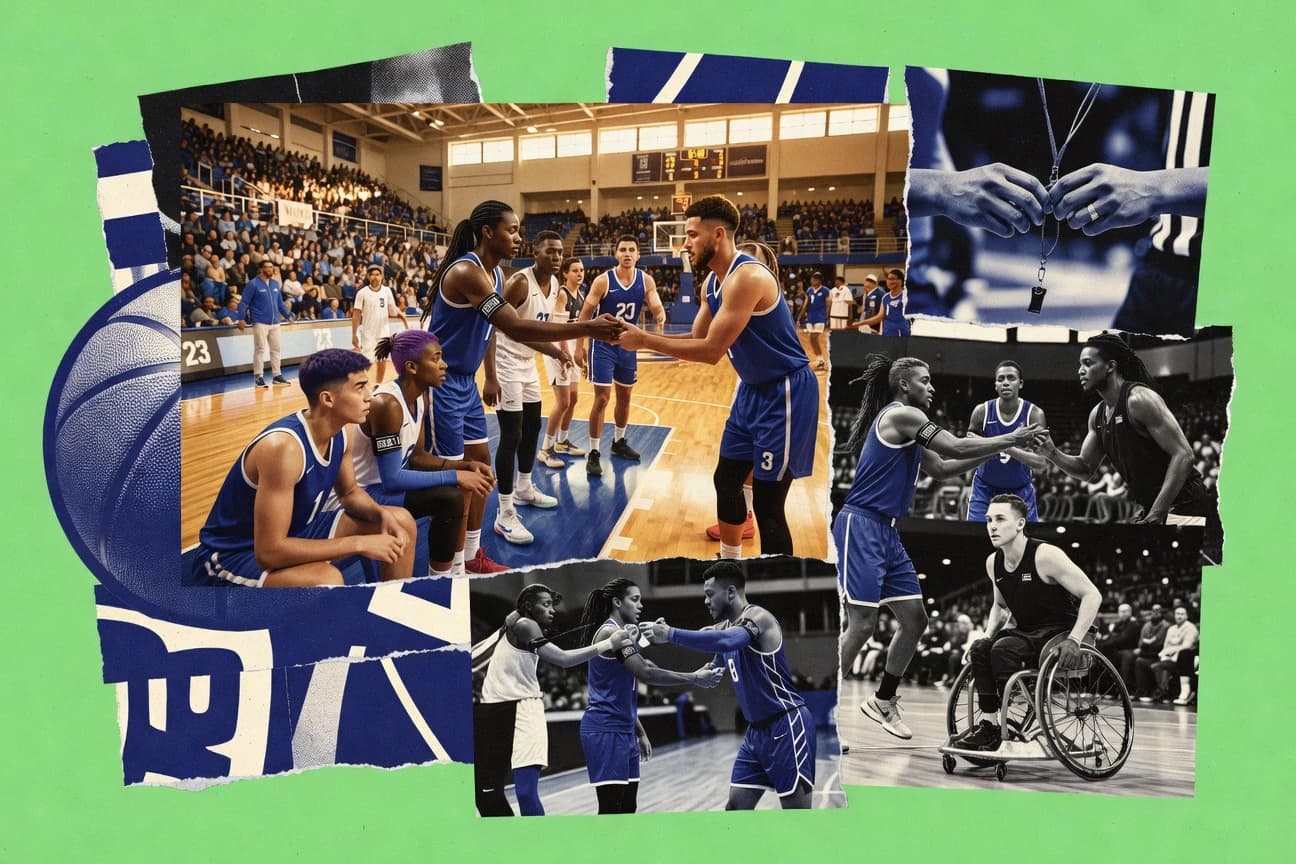
Diversity Equity And Inclusion In The Sports Industry Statistics
Representation is only half the battle, with 30% of referees in the UEFA Women’s Refereeing pilot and 33.6% of MLB players identifying as Latin, yet 53% of athletes still say they do not know how to report discrimination or harassment. Track where sports organizations are measuring DEI and where they are falling short, from quarterly metrics to gaps in annual unconscious bias training and access to senior roles.
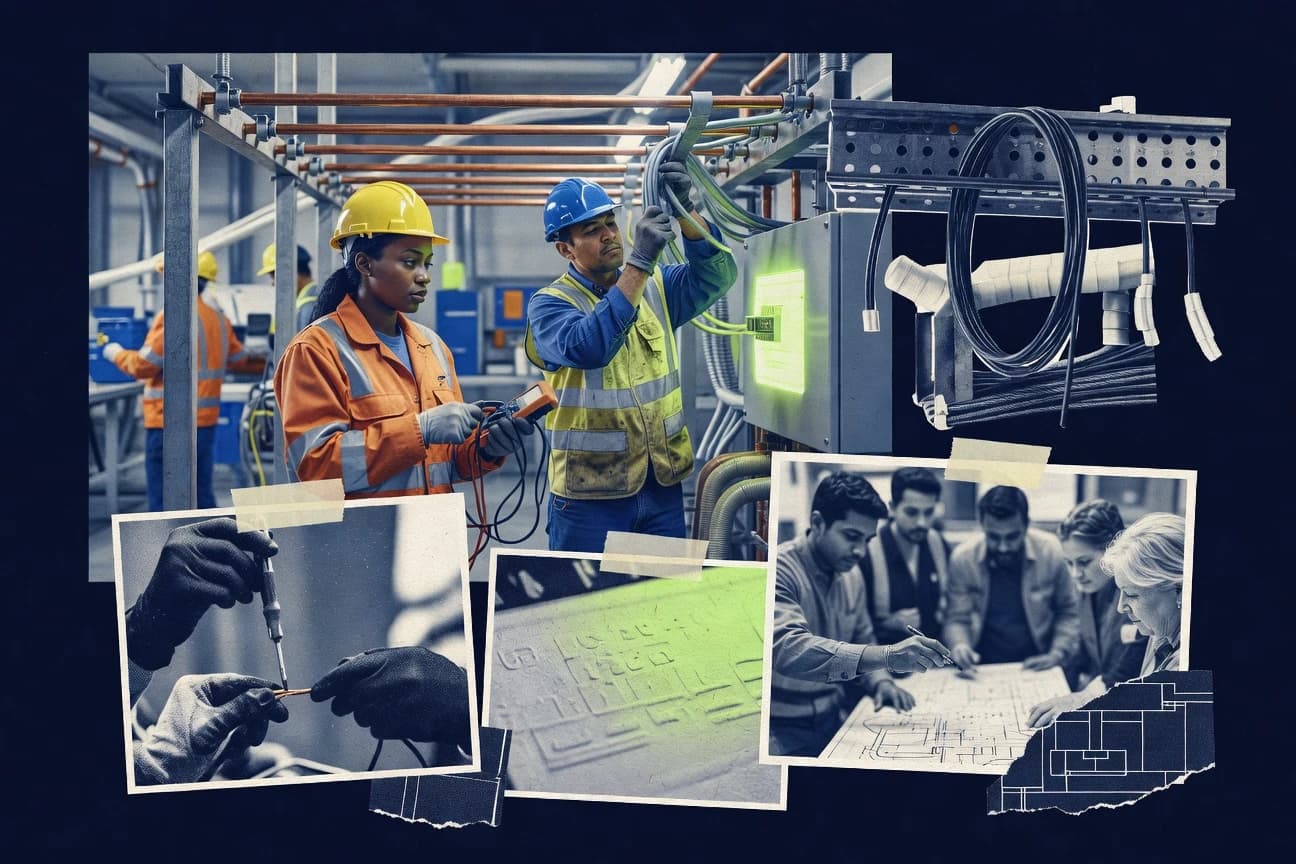
Diversity Equity And Inclusion In The Electrical Industry Statistics
Even as only 16% of electrical occupations report women in apprenticeships, the business case is getting harder to ignore as higher inclusion links to 27% lower turnover and a 35% lift in engagement when managers model inclusive leadership. See how union coverage, executive diversity, and supplier diversity spend are shaping DEI investment and talent needs as the clean energy buildout demands 3.5 million workers globally by 2030.

Diversity Equity And Inclusion In The Porn Industry Statistics
Even with DEI momentum, the gap is hard to ignore: 42% of Pornhub’s top 100 performers were from ethnic minorities in 2023 and trans performers rose to 12% of AVN nominees, while POC performers still receive 15% less per scene and OnlyFans’ top sellers skew away from non supermodel body types. Read the page for the contradictions across categories and platforms, from BBW view growth to who actually earns at the very top.