
Market data
Diversity Equity And Inclusion In Industry
Explore verified diversity equity and inclusion in industry statistics and market research reports with sourced data and trend analysis.
Latest update:
 Megan Gallagher
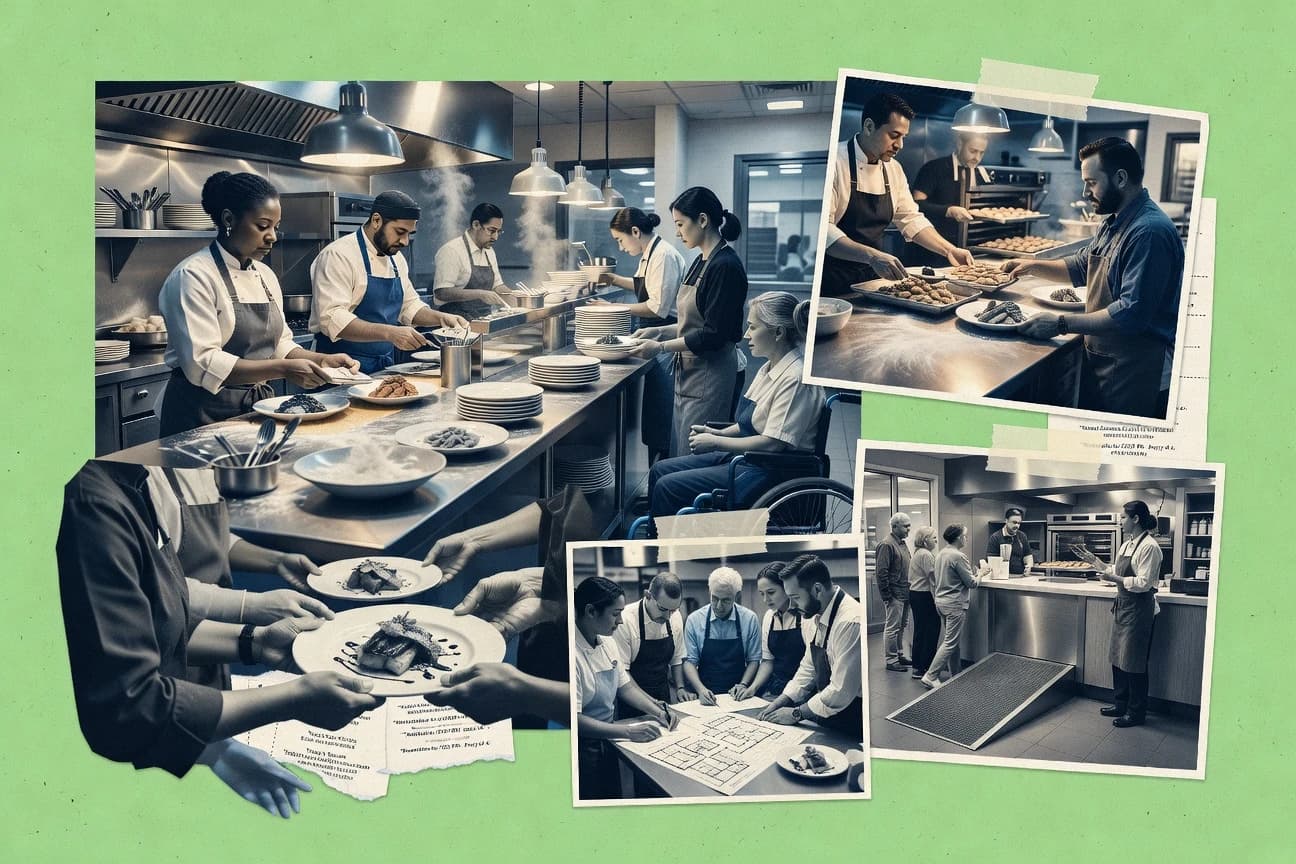
Diversity Equity And Inclusion In The Restaurant Industry Statistics
Black workers make up 26% of U.S. restaurant and bar jobs and Black women 11%, while Latino and Asian representation sits at 31% and 6% respectively, giving a clear baseline for measuring who gets hired, supported, and retained across NAICS 722. The page also connects workforce demographics to what actually moves outcomes, including evidence that structured onboarding can lift retention by 16% and that bias training can reduce implicit bias scores by 10 percentage points when paired with coaching, along with the real scale of the industry and its DEI adoption opportunity across more than 980,000 U.S. establishments.

Diversity Equity And Inclusion In The Nuclear Industry Statistics
Women hold 24% of the U.S. nuclear energy workforce and 28% of entry level technician roles, while women make up just 11% of the sector C suite and 3 out of 50 major companies have women CEOs. This page connects those gaps to measurable change, including an 85% retention rate for women, a leadership diversity index of 0.31, and a 40% drop in grievance complaints after DEI rollouts, to show what is working and where nuclear still falls short.
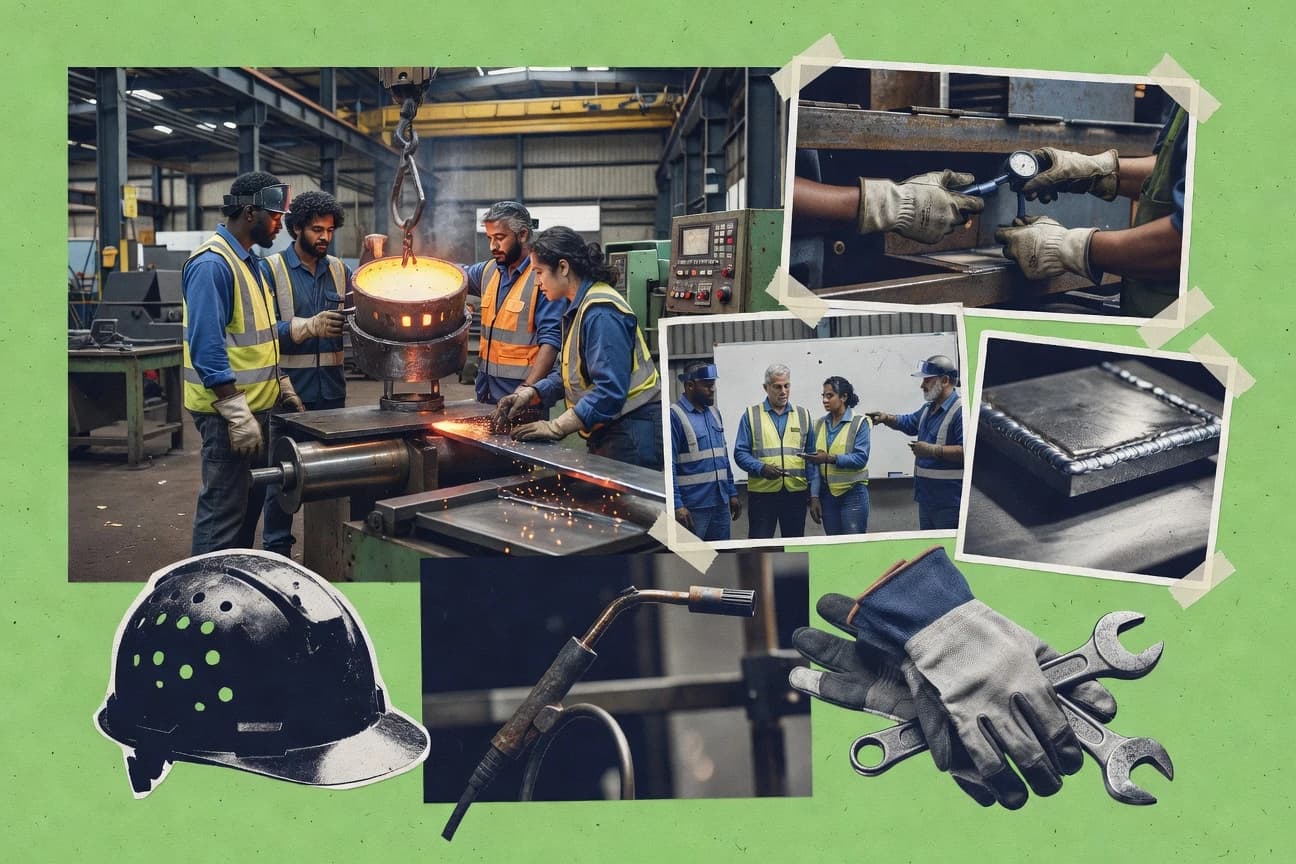
Diversity Equity And Inclusion In The Metal Industry Statistics
With 56% of BIPOC workers reporting microaggressions weekly and only 28% of metal suppliers holding DEI certification as of the latest available data, this page lays bare what inclusion looks like on the ground and what still gets missed. You will also see stark pay and leadership contrasts, including women earning 82.4% of men’s wages and promotions for women in metals running 65% lower over five years, alongside the measurement gaps that keep many firms from proving progress.
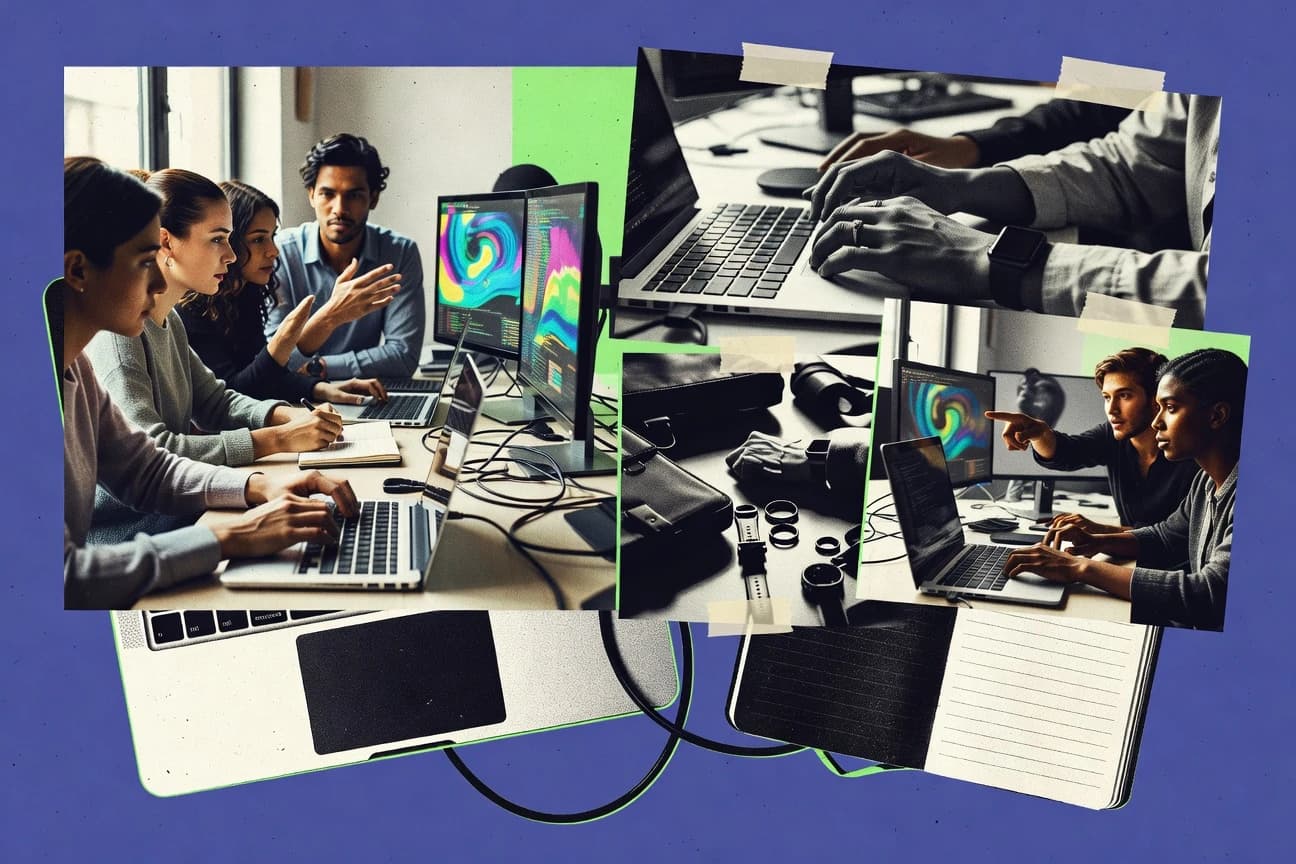
Diversity In Tech Statistics
Across disability, LGBTQ plus, and race and gender lines, the pipeline often breaks in the same place, with people with disabilities at 12% of US tech applicants but only 4% of hires. Even more jarring, neurodiverse hires can be missed when self identification is higher than what workplaces capture, while mental health disabilities are 25% in tech but tied to 40% attrition.
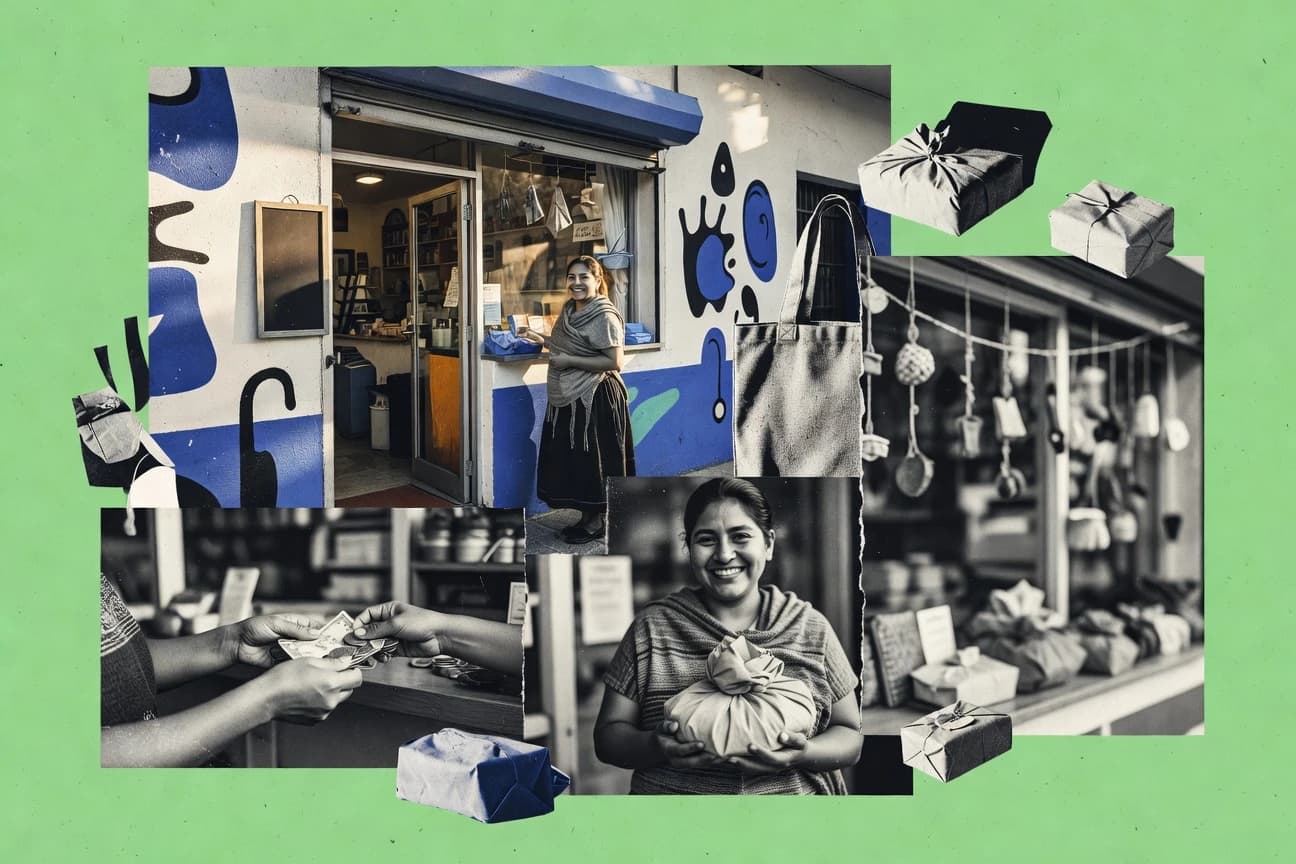
Hispanic Owned Businesses Statistics
Hispanic-owned businesses reached 4.65 million in 2021 and grew 34% from 2017 to 2021, outpacing overall business growth even as the pandemic hit. From Texas and California leadership to the surge in tech and e-commerce and the $800 billion in 2021 revenue, this page connects ownership patterns, jobs, and payroll to the momentum Hispanic entrepreneurs keep building.

Transgender Unemployment Statistics
Transgender unemployment stays stubbornly high, reaching 21.3% for Black transgender people and 17.8% for Latinx transgender people, far above the national average of 13.4% for trans women and leaving the gender gap unresolved. This page connects education, disability, rural versus urban life, and even post COVID shifts in a way that explains why many groups remain trapped between qualifications and hiring access, including contrasts like 8.5% versus 4.1% in Canada and 10.8% unemployment for trans adults versus 3.7% overall in the US.

Google Diversity Statistics
Women make up 34.2% of Google’s global workforce in 2023, yet hold just 19.1% of technical roles, a gap this page maps alongside disability representation that rose from 3.5% in 2020 to 4.8% in 2023. You will also see how groups like LGBTQ+ employees and Black or African American colleagues shift from workforce presence to leadership, including retention rates that help explain what changes and what does not.
Neurodiversity In Society Statistics
From police contact and courtroom bias to school exclusion and workplace discrimination, this page brings 2025 signals into focus, including 60% of youth in the juvenile justice system who have a learning disability. It also explains why neurodivergent people can be far more likely to face harm or disbelief, with autistic witnesses judged “unreliable” 20% more often and only 20% of neurodivergent defendants receiving appropriate courtroom adjustments.

Women In Hollywood Statistics
Even when women are everywhere on screen, power behind the camera still tilts. In 2022 and 2023 alone, women directors sit at 22 percent of top movie directors and just 24 percent of TV episodes on broadcast networks, while women make up 28 percent of below the line roles and still earn less across the industry.

Disability Discrimination In The Workplace Statistics
Disability discrimination complaints are still surging, with the EEOC reporting 24,258 disability charges in FY2021 and 37.2% of all EEOC charges in 2022 tied to disability, including 45% involving retaliation. Pay and participation gaps stay stubborn too, with UK disabled workers earning £11.50 an hour versus £13.20 for non disabled workers, showing how workplace bias continues to hit both rights and livelihoods.
Starbucks Diversity Statistics
Starbucks backs its inclusion promises with measurable momentum, from a 98% score on the 2023 Human Rights Campaign Corporate Equality Index to 24/7 ethics hotline access and 100% of new hires receiving inclusion and harassment policy handbooks. Beyond recognition scores, the page tracks change employees can feel, like a 16% drop in internal discrimination reports since 2021, pay equity maintained in the U.S., and 1.5 million hours of DEI training completed by partners worldwide.

Diversity In The Biotech Industry Statistics
See how biotech leadership still lags far behind the talent pipeline, with women at 49% of the workforce but only 32% of executives and a widening drop from lab roles to senior science positions. This page connects those shifts to what they cost, including higher mid career attrition for women and measurable gains when inclusion practices and diverse teams are backed by training, ERGs, and fair promotion.
Black Representation In Film Statistics
Overall Black inclusion reached 12% across top films, yet the Oscar record still shows the gap between presence and power, with only 15% of 2023 total wins going to Black winners and just 6.2% Black leads in top films that year. Track how Black acting and directing slowly gained ground, where genres swing hardest, and where progress since the #OscarsSoWhite era still falls short.

Female Truck Drivers Statistics
Women make up about 12.5% of US over the road drivers, yet 58% say the industry culture is still male dominated and harassment and gear gaps hit daily work, including 42% reporting verbal abuse and 60% citing the lack of women specific equipment. This page pairs those workplace barriers with practical retention and safety signals, from 72% wanting more women only training to median pay of $52,800 and a strong contrast in outcomes like fewer violations and 70% using fatigue management apps.

Women In Finance Statistics
Women still earn less across finance, with the industry paying women 82 cents for every dollar men earned in the US in 2022 and a motherhood pay penalty of 16% in banking. At the same time, more firms are building women-focused pipelines and DEI programs, so the real question is whether those initiatives are closing the gap fast enough.

Cybersecurity Diversity Statistics
With the average cybersecurity professional now 44 and Gen Z making up just 8 percent globally, age diversity is lagging behind the talent pipeline, while women are only 10 percent of cybersecurity leadership worldwide. This page brings together the sharpest contrasts across age, gender, disability, and ethnicity so you can see exactly where representation stalls and where inclusion efforts are starting to move the needle.

Diversity Equity And Inclusion In The Information Technology Industry Statistics
Disabled adults are employed in IT at 11% compared with 20% for non disabled workers, while 40% of sites still fail WCAG accessibility checks, and autistic people make up just 1% of tech workers despite 16% wanting tech careers. The page connects hiring and accommodation gaps with retention and pay realities across regions so you can see exactly where DEI progress stalls and what it would take to close the divide.

Diversity In The Igaming Industry Statistics
Women account for just 26% of the iGaming workforce while people under 25 make up a mere 12%, yet talent under 30 is still rising as youth programs drive a 10% increase in hires. This page pulls together the latest age, gender, and disability representation figures to show where inclusion is gaining ground and where it remains stubbornly out of step.
Diversity In The Trucking Industry Statistics
At a time when professional trucking is trying to close gaps in age, gender, and race, the median ages for women and men still land at 46 and 47 while women now make up about 8.1% of professional truck drivers and minority representation reaches 46.1%. You will see how veteran hiring programs account for 10% of new hires and why female drivers and LGBTQ+ inclusive workplaces tend to stick around longer than the industry average.

Female Breadwinner Statistics
Female breadwinners carry the bulk of household work while still facing the emotional and mental fallout of doing it all, from spending 58% of tasks in US homes to taking on 12 more hours per week of child physical care than husbands. Yet even when she earns more, the squeeze does not fully release because husbands’ leisure rises and unpaid gaps persist, making this page essential for anyone who wants the real tradeoffs behind “who does what” at home.