
Market data
Diversity Equity And Inclusion In Industry
Explore verified diversity equity and inclusion in industry statistics and market research reports with sourced data and trend analysis.
Latest update:
 Megan Gallagher

Invisible Disability Statistics
A disability pay gap of 12.2% in the UK and invisible chronic pain costing the US economy $635 billion a year reveal how hidden conditions can still hit work and livelihoods harder than people realize. You will see why 1 in 5 people with invisible disabilities are forced out of the workforce, how medical debt drives US bankruptcies, and what real financial shocks like 28% more income needs and 15% non-reimbursable health costs mean for everyday life.

Latina Entrepreneurs Statistics
Latina founders are powering $1.2 trillion in annual US GDP and driving $500 billion in revenue, yet access to capital still stops 48% at the starting line, while only 2% of VC funding goes to Latina teams. You will also see how mentorship gaps, hiring discrimination, and language and regulatory hurdles reshape growth, even as social media, faster business formation, and expanding e commerce keep momentum strong.

Supplier Diversity Statistics
United States companies directed $389 billion to diverse suppliers in 2023, totaling 18% of all procurement spend and proving diversity is now a measurable lever for revenue, innovation, and resilience. From certifications that place minority owned firms at 28% to the global market racing toward $1 trillion by 2028, the page connects who gets the contract with what it changes for jobs, GDP, ESG performance, and long term risk.

Women Entrepreneur Statistics
Despite women representing 37% of entrepreneurs globally, 131 million women entrepreneurs still face legal barriers across 98 economies while many are also trapped by unpaid care workloads that run 3 times heavier daily. This page connects barriers like a 42% US childcare gap and only 2.3% of total VC funding reaching women with the economic payoff of women-led firms, including the potential $28T boost from closing the gender gap by 2025.

Female Entrepreneurship Statistics
Women are turning firms into jobs and growth, with US women owned businesses employing 12.9 million workers and scaling revenue at double speed, while in the EU women owned SMEs also hold a 10% higher survival edge. Yet access is the bottleneck, since women entrepreneurs cite funding gaps and face higher loan rejection, and VC capture remains tiny with only 2.3% of global venture capital reaching women founded startups in 2022, so this page helps you see both the momentum and the friction side by side.

Diversity Equity And Inclusion In The Payments Industry Statistics
With women now at 41.2% of the global payments workforce in 2023 and gender pay gaps averaging 18.2% down from 22.4% in 2020, the page tracks how inclusion is moving from policy to payroll. It pairs leadership and tech participation figures with training reach and supplier spend, so you can see where DEI is accelerating and where representation still lags.

Diversity Equity And Inclusion In The SaaS Industry Statistics
Despite 2023 gains and commitments, women still make up just 26% of the SaaS workforce and 19% of SaaS developers, while inclusion gaps show up in retention, pay, and decision making across roles and ranks. This page connects those sharp contrasts with current DEI findings like 89% retention for diverse SaaS pilots versus 81% for homogeneous teams and the 18% higher retention tied to ERG participation, so you can see where progress is real and where it still falls short.
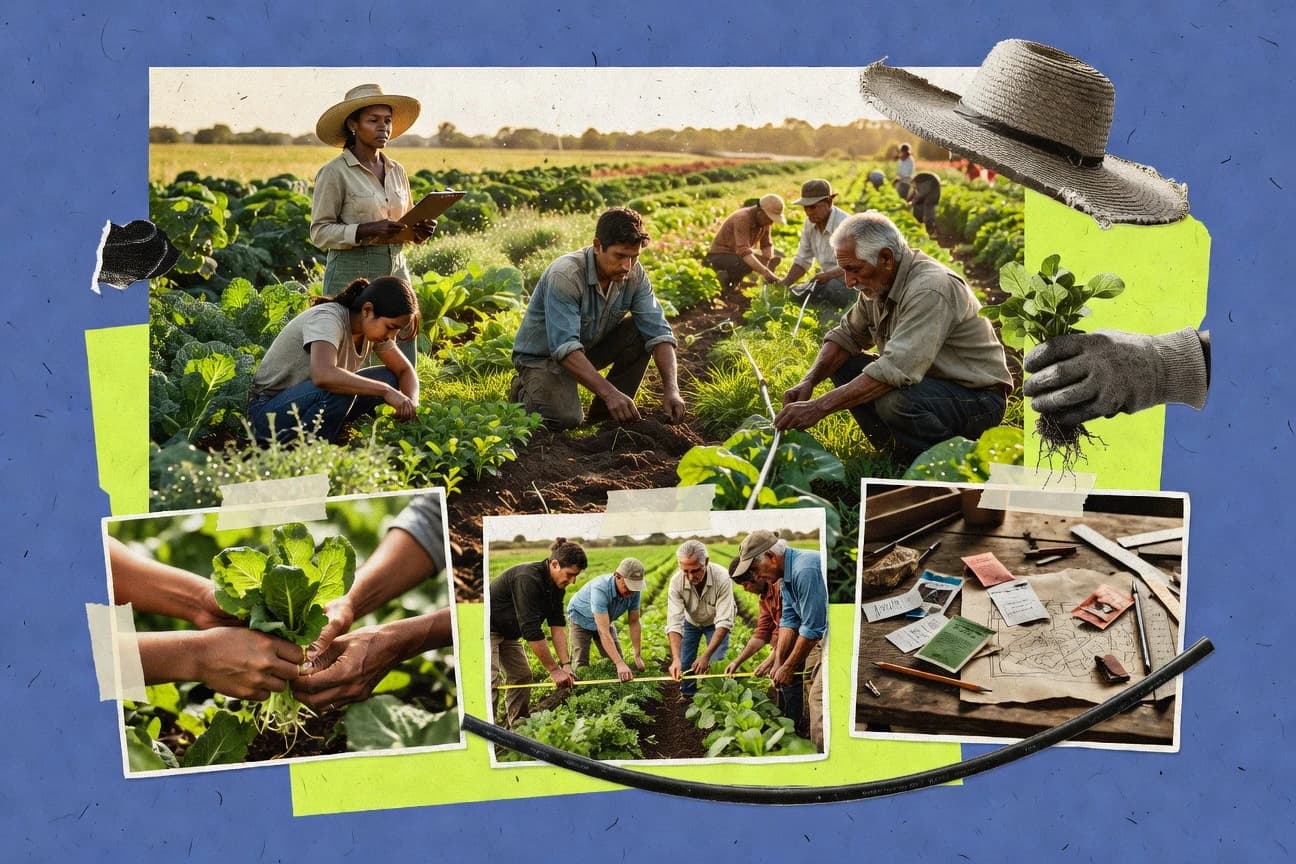
Diversity Equity And Inclusion In The Agriculture Industry Statistics
With women still earning only 77 cents for every dollar men make in similar ag roles and the age gap narrowing slowly, the page pinpoints why inclusion is not automatic in farming and agribusiness. It also tracks sharp progress and persistent inequities, including DEI training reaching only a slice of small farms and pay transparency cutting the gap by 8%, alongside land access and leadership disparities that are changing too unevenly.

Diversity Equity And Inclusion In The Semiconductor Industry Statistics
US semiconductor women still face a 14.2% average gender pay gap while many companies report near parity, from Intel’s 2.1% global unadjusted gap to NVIDIA’s 98.4% URM pay equity and KLA’s 99.5% across demographics. With women at just 22.4% of the US workforce and LGBTQ+ representation ranging from 4.3% to 6.3% across major firms, this page turns the tension between pay equity audits and representation gaps into a clear, current snapshot of where DEI is working and where it is still falling short.
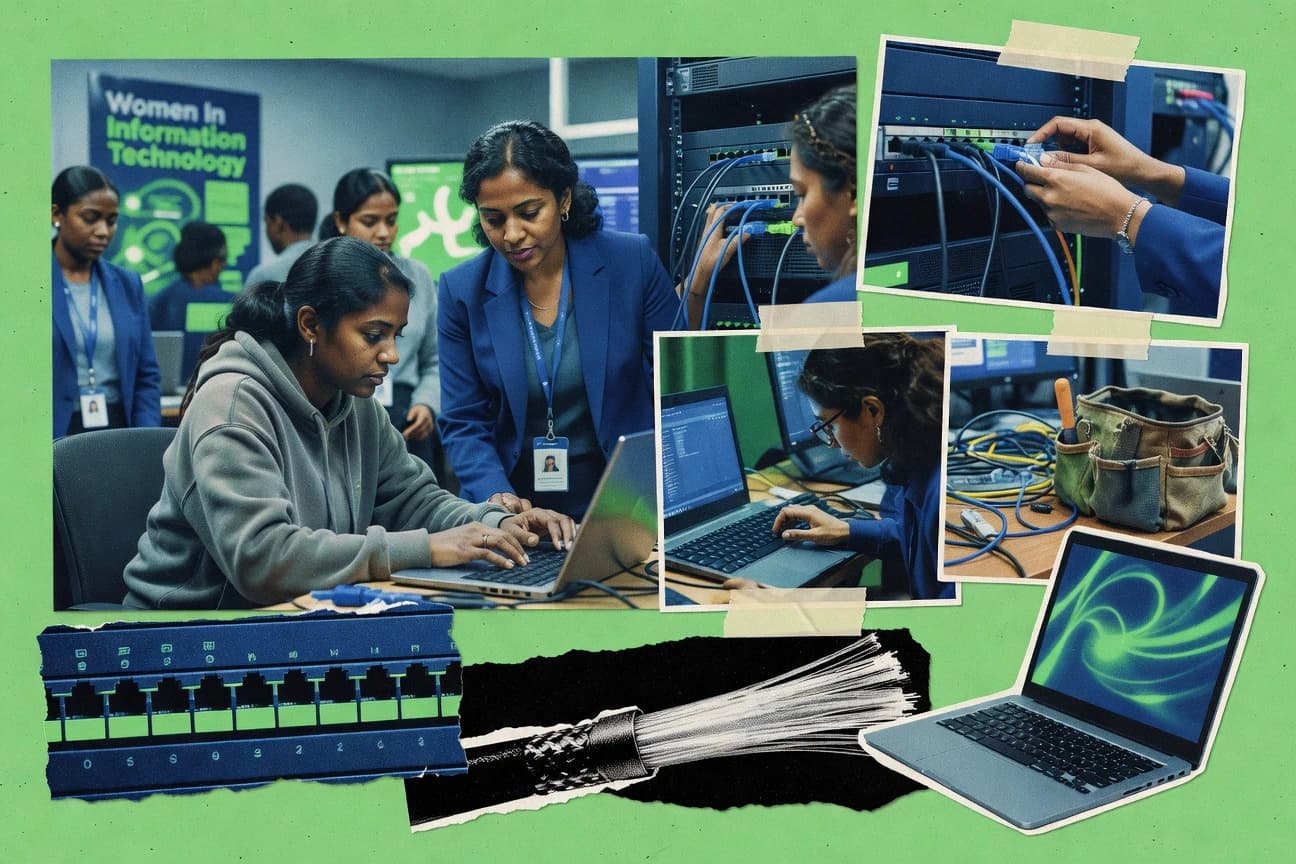
Women In Information Technology Statistics
Even with women earning only 92% of men’s pay for software engineering in 2022 and holding 8% of global CTO roles in 2022, initiatives are moving retention and leadership faster than many expectations suggest. See how 2025 momentum is built from results like a 25% boost in women’s CS enrollment from NCWIT programs and corporate training gains that lifted women promotions by 12% in 2023.

Gender Gap In Stem Statistics
Women are still only 30% of STEM researchers worldwide and hold 21% of US computer science PhDs even as representation is near parity at earlier stages, with girls reaching 47% of STEM tertiary enrollment but dropping to 35% in advanced programs. Gender Gap In Stem brings these sharp turn points together from hiring to leadership to show exactly where progress stalls and who pays the price.
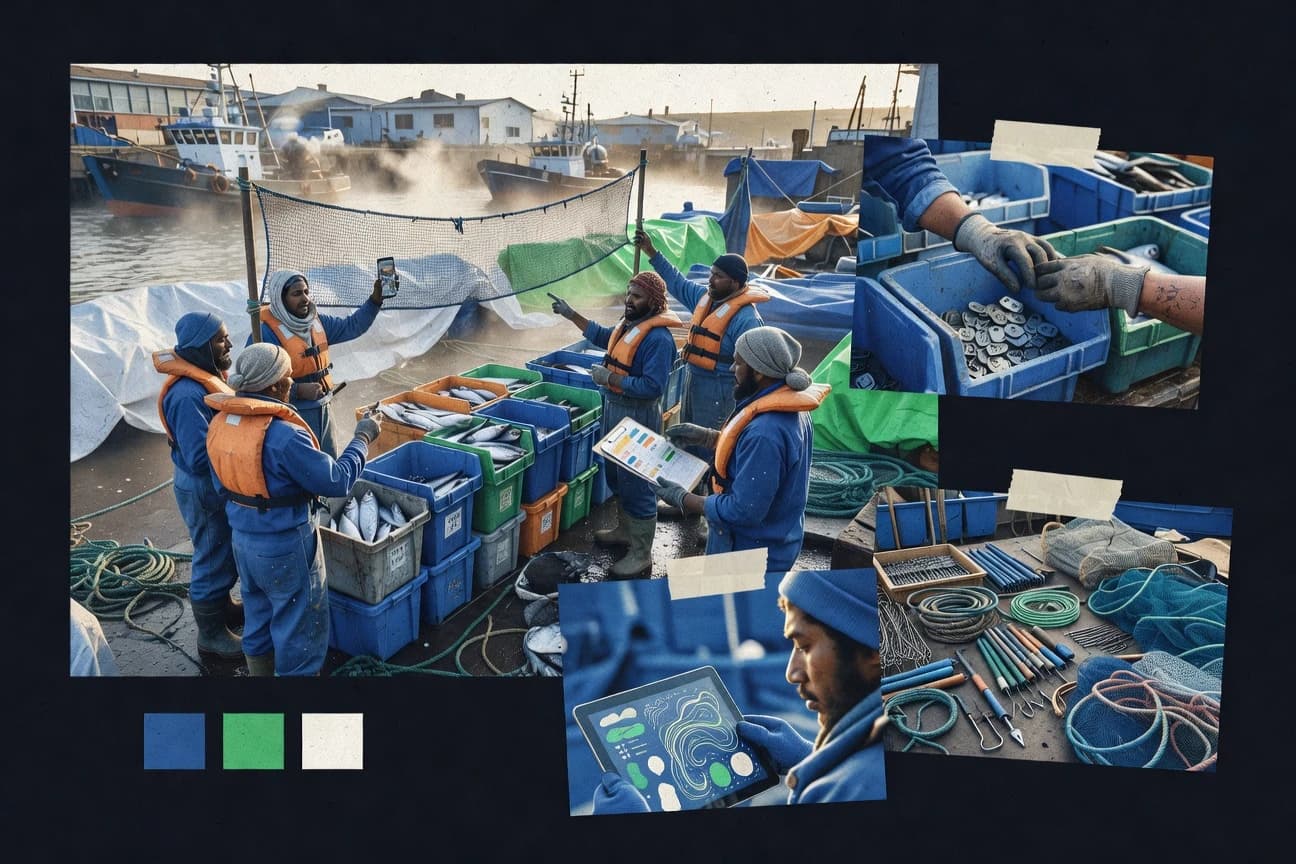
Diversity Equity And Inclusion In The Fishing Industry Statistics
Female fishers can earn up to 28% less than men on U.S. commercial fleets, while crews and communities still face sharp gaps by race, ethnicity, and migration status across processing work, benefits access, and leadership. Use the 2025 and 2026 latest DEI signals in this page to see exactly where progress is working and where pay inequality and exclusion keep repeating.

Disability Employment Statistics
With the US employment population ratio for people with disabilities at just 22.5% in 2023 compared to 65.4% for people without disabilities, this page connects the gap to real-world blockers like difficulty finding accommodations reported by 56% of US employers in 2023. It also compares earnings and discrimination barriers across countries, revealing why progress still hinges on access, understanding, and hiring practices.
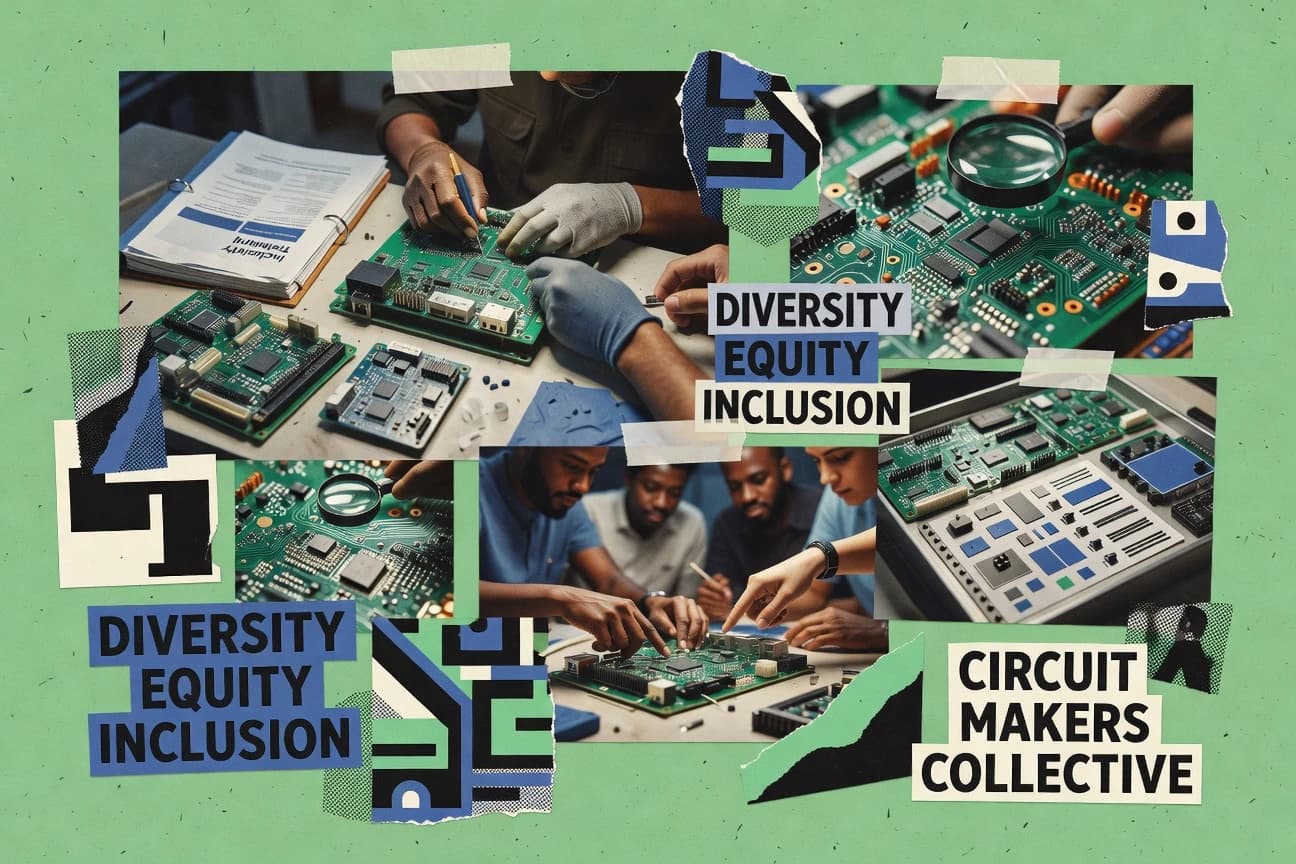
Diversity Equity And Inclusion In The Pcb Industry Statistics
From 90% DEI hiring quota compliance in the EU and a US gender pay gap down to 12% to 91% of employees reporting they feel included, this 2025 to 2026 snapshot shows where PCB companies are succeeding and where gaps still persist, even as only 40% of firms adopt a standard for DEI reporting. It also highlights the concrete investment behind the claims, including $50M in PCB DEI scholarships since 2020 and a 15% rise in the inclusion index over three years.
Women In The Workforce Statistics
Women still lack equal legal protection at work and home and harassment is widespread from the EU to Japan, where maternity bias can derail careers. This page tracks the latest participation and pay gaps, including a persistent US labor force gap that leaves women 11.4 percentage points behind men, plus leadership and compensation disparities that explain why progress is uneven even when quotas and reforms exist.

Diversity Equity And Inclusion In The Tobacco Industry Statistics
See how DEI in tobacco workplaces maps to both harm reduction outcomes and real employer risk, from 39% of LGBTQ+ workers reporting discrimination to 46% of employees saying DEI efforts are not effective, alongside the 2024 boardroom benchmark of 30% people of color directors. It also connects inclusion to performance and retention drivers, including a 12% turnover drop tied to effective inclusion programs, so you can spot where tobacco companies can act faster and more credibly.
Diversity Equity And Inclusion In The Animation Industry Statistics
From a 61% DEI top priority signal among HR leaders to only 36% of organizations reporting consistent DEI metrics, this statistics page tracks what change looks like across animation workplaces and why it still stalls. With 15% of U.S. animation professionals identifying as people with disabilities, rising accessibility guidance for animation production, and market forces like the $2.7 billion workplace culture analytics forecast for 2024, you will see where inclusion efforts pay off and where they are too expensive, too uneven, or both.

Diversity Equity And Inclusion In The Cruise Industry Statistics
A sector where women make up just 38% of seafarers worldwide and only 1.1% of cruise roles come through apprentices, the page pairs that baseline with 2023 US hospitality pipeline signals like 18.3% Hispanic representation and 35% reporting a disability to show what inclusion really demands behind the passenger-facing service. It also grounds the shift consumers feel, with 61% of Americans expecting DEI action and new transparency pressures like EU CSRD coming into force from fiscal year 2024, so you can see how workforce standards, training coverage, and customer trust connect.

Diversity Equity And Inclusion In The Gaming Industry Statistics
Only 7% of game developers with disabilities report being employed, yet 55% of disabled devs still face accessibility barriers at work, revealing a gap between hiring and real inclusion. The page connects these tensions to pay, promotion, and leadership outcomes across disability, neurodiversity, gender, and LGBTQ+ identities so you can see exactly where studio policies fall short and what it costs in retention and advancement.

Diversity Equity And Inclusion In The Airline Industry Statistics
Despite years of training and recruitment promises, only 8% of airline CEOs say they have a formal diversity strategy, while accessibility and inclusion gaps still hit passengers and frontline teams hard, from 45% of OECD respondents who would use a less accessible provider to 46% turnover in 2023 and lower engagement when people do not feel respected. This page connects leadership, hiring, pay, and workplace climate across pilots, mechanics, employees, and veterans so you can see where progress stalls and which changes measurably improve experience.