
Market data
HR In Industry
Explore verified hr in industry statistics and market research reports with sourced data and trend analysis.
Latest update:
 Nathan Caldwell

Employee Appreciation Statistics
When 55% of organizations fear employees will leave without recognition, but only 34% of workers feel valued only occasionally, Employee Appreciation becomes more than a nice gesture. See how recognition programs are tied to 39% higher engagement, a 2x greater likelihood to stay, and measurable gains like 43% lower turnover risk plus well being improvements from social recognition research.

Workplace Statistics
With 2025 workplace priorities in mind, the page contrasts big gains like 67% of job seekers weighing company diversity against harsh realities such as Black employees facing 24% higher layoff rates during downturns. It also ties engagement and performance to practices that actually change day to day work, from inclusive leadership boosting profitability to flexible work easing stress.

Workplace Wellness Program Statistics
With global workplace wellness spending projected at $5.2 trillion and the corporate wellness market forecast to grow at a 9.3% CAGR, this page connects investment to outcomes by pairing hard economics like a $9 billion US cost of workplace stress with trial results such as a 2.5% average reduction in medical expenditures and up to 1.4x higher health assessment completion when coaching follows digitally. You will also see where programs are gaining traction fastest, including 16.2% projected CAGR for digital therapeutics and how employee uptake shifts when incentives and nudges are used, from 24% higher screening participation to a 3.6% lift from personalized wellness nudges.

HR In The Private Equity Industry Statistics
With 4.7 million workers in the US footprint of private equity portfolio employment, this page pinpoints where HR is most likely to feel churn, from a 35% median turnover post acquisition to a 62% majority relying on workforce analytics at least monthly. It also surfaces the tension PE teams face between rising recruiting and compliance pressure and new tech spending, including a 12% global PE AUM growth in 2023 alongside 76% of employers using AI for recruiting screening or scheduling.

Ageism In The Workplace Statistics
Recent data shows 30% of workers ages 45 to 74 reported experiencing age discrimination at work at least once in the past five years, and that experience is linked to higher stress and a 2.4x greater likelihood of considering leaving. The page also tracks how bias travels into hiring and performance, including a 16% drop in callback offers for older applicants in controlled tests, plus policy and training gaps that help explain why so many workplaces still get inclusion wrong.

Workplace Violence Statistics
Retail workers are among the most frequently assaulted, and workplace violence homicides are a major slice of all occupational fatalities, with BLS reporting 1,040 workplace violence deaths in 2022 and millions of assault injuries tracked through NEISS. The page also weighs the real cost beyond the incident, from tens of thousands in direct employer expenses and six figure to multi million dollar litigation risk to evidence based prevention steps that can cut aggression outcomes by about 20%.

HR In The Insurance Industry Statistics
With insurers pouring $7.8 billion into information security products and services and spending $31.0 billion on cloud services, the page shows where budgets are really going while cyber claims carry 2.2x higher loss severity. It also contrasts talent and automation pressures, from a 32% data and AI skills shortage to 61% faster underwriting turnaround after automated tools, so HR leaders can spot which workforce bets are gaining traction now.

HR In The Farming Industry Statistics
Despite H-2A overtime rules kicking in after 48 hours and median farmworker weekly pay at $650, benefits, safety training, and retention vary wildly, with only 18% of farms offering paid sick leave and 52% annual turnover among hired crop workers. This page maps the labor pressure employers feel, from 68% struggling to find qualified production workers to how housing can lift retention by 25%, alongside the risks that keep workers on edge such as 23.2 farm fatalities per 100,000 and 1,700 heat-related illnesses each year.

HR In The Services Industry Statistics
With services pay growth averaging 4.2% in 2023 and women still facing an 18% pay gap, this page pinpoints what HR is fixing and what it is still missing, from 401(k) matching and mental health days to DEI budgets surging 47% since 2020. It also connects hiring and retention pressure points like 69% citing poor onboarding and 57% frontline turnover in the first year to the practical benefits, training, and compliance choices services leaders are making.

Time To Hire Statistics
See what changed in 2025 as hiring teams moved from “time spent” to “time to impact,” and why that shift is reshaping the benchmarks people actually use. Don’t just compare averages, understand the gap between roles that move fast and those that stall.

HR In The Gaming Industry Statistics
See how gaming HR trends are shifting as roles modernize and hiring expectations tighten, with 2026 data setting the pace on what studios are prioritizing right now. If you think the workforce story is just growth, this page challenges that with the specific people metrics behind retention, talent sourcing, and workload pressure.

HR In The Cruise Industry Statistics
Crucial HR decisions are being reshaped by fast changing retention and staffing pressure, with 2026 projections highlighting where cruise lines are most likely to feel the strain first. See how wage trends, onboard staffing needs, and contract realities collide in the crew experience, so HR leaders can plan ahead instead of reacting late.
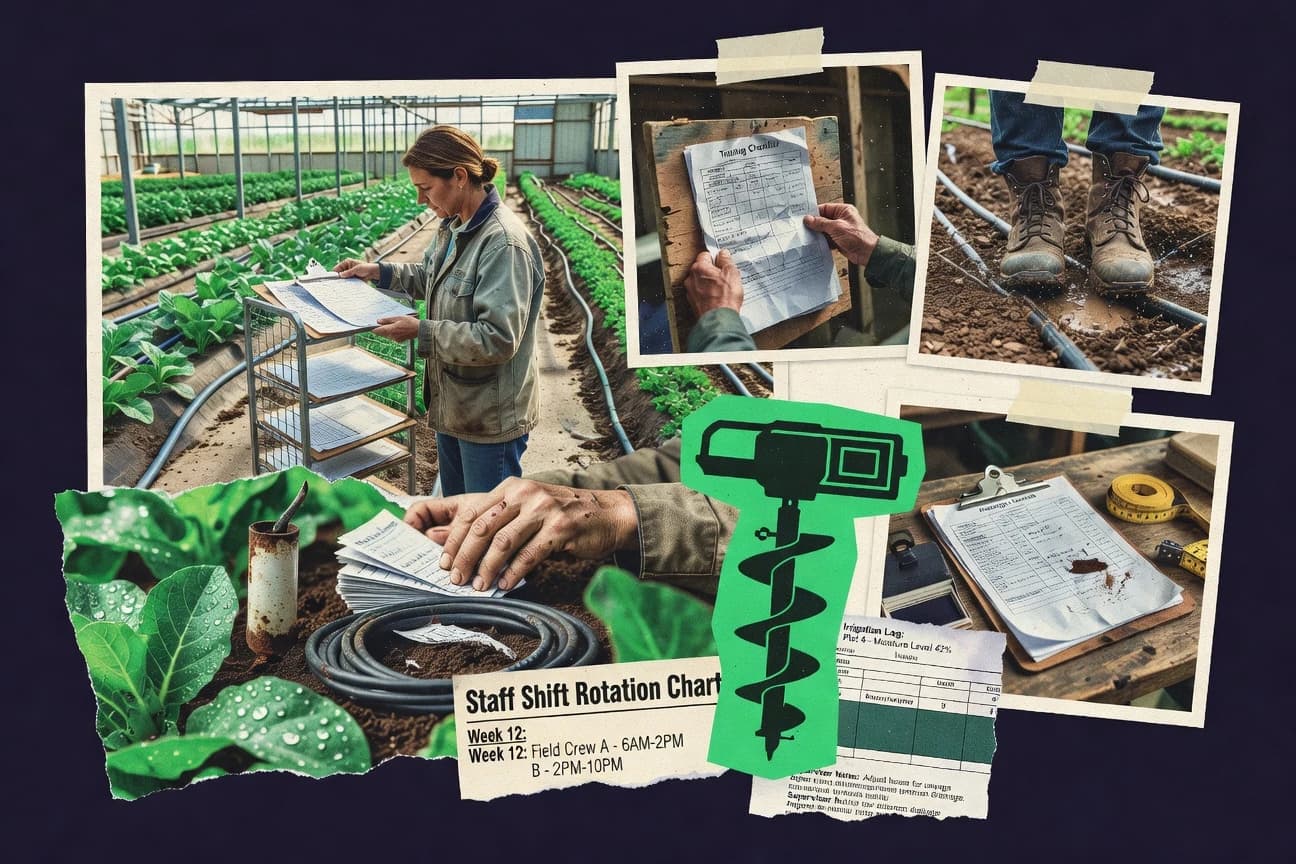
HR In The Agriculture Industry Statistics
See how hiring in agriculture shifted as 2026 data points reveal steadier recruitment alongside persistent hard-to-fill roles, changing what “workforce planning” means on the ground. This page connects those HR signals to real staffing pressure, so you can spot where supply is tightening before the gaps start to show.

HR In The Healthcare Industry Statistics
Healthcare IT and HR operations are being pulled in two directions at once. US healthcare spending hit $4.5T in 2023 and telehealth is projected to surge from $55.2B in 2023 to $300.0B by 2030, while ransomware incidents climbed to 202 cases in 2023 and compliance burdens keep rising, making HR and workforce decisions increasingly inseparable from cybersecurity and workflow performance.

HR In The Textile Industry Statistics
HR in the textile industry is about far more than hiring, because sustainability rules, energy prices, and smarter production all hit labor planning at once. With the EU pushing major textile waste and chemical compliance duties and digital and RFID adoption rising, this page connects the latest market pressures to practical workforce decisions.

Employee Referral Program Statistics
See how Employee Referral Program metrics are shifting in 2026, with referrals contributing a growing share of successful hires while time to fill keeps tightening. If you think referrals are just a perk, these numbers will challenge that assumption.

Mental Health At Work Statistics
More than half of workers report stress and anxiety from job pressures, while mental health has become more important at work for 56% of US adults since COVID. This page connects those lived workplace pressures to real cost and evidence for what helps, from burnout and depression and anxiety expenses to CBT, mindfulness, EAPs, and manager training that can actually move the needle.

Mental Health In The Workplace Statistics
A steady drop in serious psychological distress from 11.2% to 10.7% between 2017 and 2022 sits side by side with the reality that 43% of U.S. employees say work has negatively affected their mental health, and 70% report burnout harms their wellbeing. Find out which workplace supports are actually common, which are missing, and what the research links to engagement, sick leave, and job turnover.

Communication In The Workplace Statistics
With 61% of workers saying they have too much information to process and 39% missing important updates due to communication overload, this page explains why communication failures persist even as collaboration tools surge 1.8x from 2020 to 2022. It also maps the fixes people actually want, from clearer instructions and better internal search to video first communication and more transparency from leadership.

HR In The Esports Industry Statistics
HR in esports is moving fast, with 2025 workplace practices and hiring priorities shifting toward more structured roles as teams professionalize. Read how headcount decisions, compensation trends, and retention pressure compare against the industry’s rapid growth so you can spot what HR leaders are adjusting now.