
Market data
HR In Industry
Explore verified hr in industry statistics and market research reports with sourced data and trend analysis.
Latest update:
 Nathan Caldwell

Workplace Culture Statistics
Burnout is so common that 91% of employees say they feel it at least sometimes, yet psychological safety still matters just as much for well being with 70% calling it essential. This page connects the workplace levers that drive performance, fairness, and retention to the daily frictions that quietly push people out.

Return To Office Statistics
As of the latest findings, 63% of US knowledge workers say they prefer hybrid and 58% want at least some remote time, even as 41% of finance executives report increased hybrid return to office costs. This page connects the pressure on budgets, commutes, retention risk, and office utilization so you can spot where RTO is really helping and where it is quietly costing more.

Talent Shortage Statistics
With global finance already short of ESG and compliance experts, the biggest immediate warning is the projected 85,000 shortage of ESG reporting specialists by 2025, alongside a 1.1 million fintech talent gap by 2026 in banking. If you are hiring or budgeting, these figures explain why roles stay open longer and how quickly skills gaps ripple across investment, healthcare, construction, and tech.

Workplace Communication Statistics
When communication is off, it is not a “soft” problem. Forty percent of employees say workplace communication issues harm their work and 55% link ineffective communication to conflict, while 62% of organizations now use enterprise collaboration platforms like Teams or Slack as the messaging hub and many still lose time searching for knowledge.

Employee Statistics
One look at these employee statistics shows the push and pull employees feel right now, with 60% believing their organization is credible in 2024 while 40% say they do not have enough mental health support at work in 2023. You will also see why retention and performance hinge on practical support, from 80% staying longer with stronger learning and development to 58% already fearing replacement by AI.

Maternity Leave Statistics
Maternity leave can cushion health and bonding, yet it still comes with a visible tradeoff, from a 4% wage penalty per child in the US to motherhood lowering employment by up to 12% in the UK and 25% in Germany. This page brings together the latest cross-country comparisons and pay rules, showing where mothers bounce back fast, such as Sweden’s 89% return to work within 2 years, and where the gap persists, including parental leave coverage and take-up rates that reveal why outcomes differ even with similar time off.

Employee Burnout Statistics
Burnout is no longer a slow burn. Nearly 1 in 5 US employees reported burnout at work in 2019, yet by 2022 burnout was linked to a 63% higher risk of job turnover, higher sickness absence, and measurable declines in performance and healthcare quality.

Human Capital Management Industry Statistics
See how modern Human Capital Management is reshaping people outcomes, from employee engagement up 22% and turnover down to 12.4% to productivity per employee rising 17% and compliance violations dropping 64%. With the global HCM market projected to reach USD 52.3 billion by 2032 and AI powered adoption accelerating, this page shows what is changing now and why HR and business leaders are taking notice.
Call Center Turnover Statistics
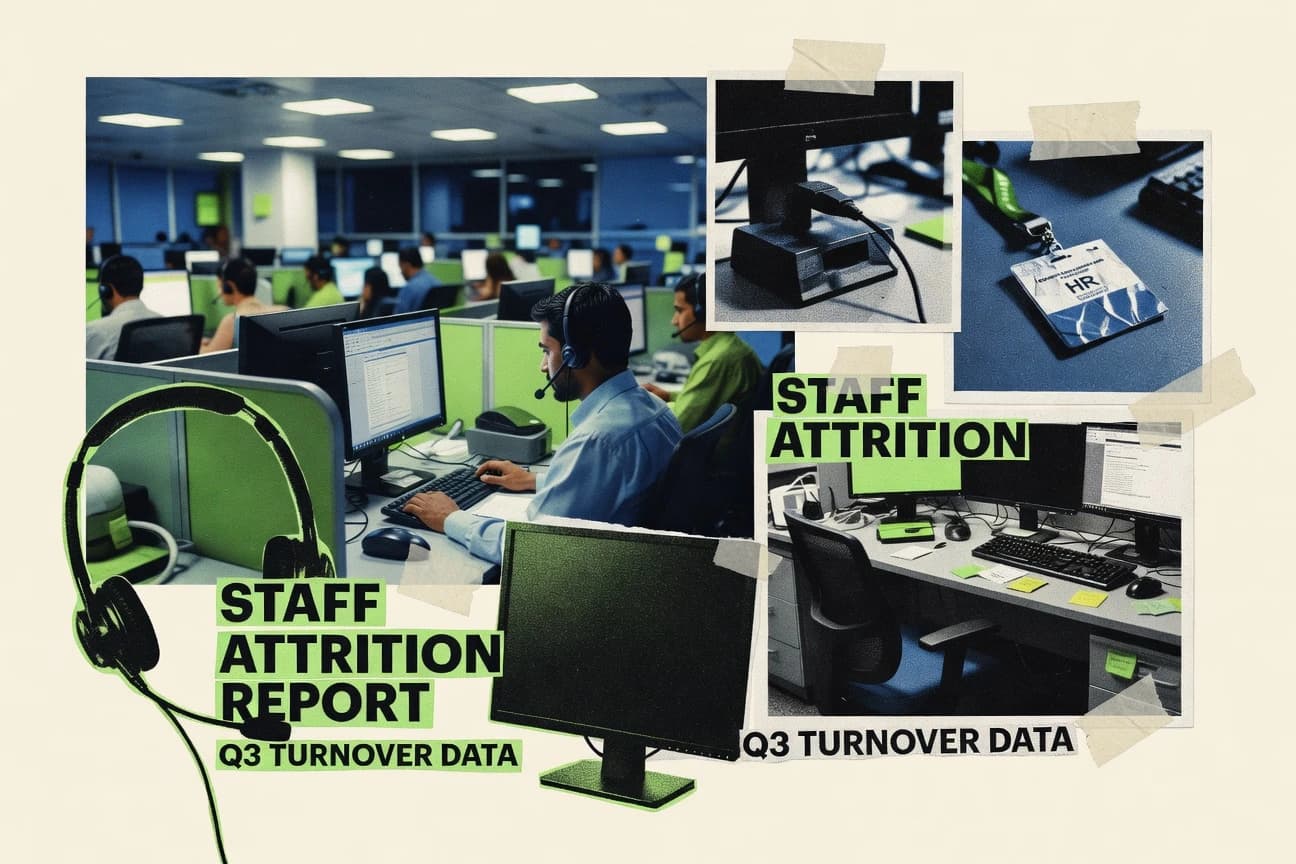
Agent exits are not just a staffing problem, they are a workflow and leadership problem, with high call volume driving 67% of turnover and burnout from repetitive work contributing to 45% of departures. This page connects the overlooked frictions such as shift inflexibility, tech glitches, and micromanagement to the real, recurring costs, including an updated global turnover benchmark of 25% with best practices versus 41.2% overall in 2022.

Hcm Industry Statistics
HCM adoption has surged from 55% to 72% since 2019 and cloud HCM now reaches 68% globally, reshaping everything from onboarding to performance management. You will also see why enterprises report 245% average ROI in 3 years, what AI and mobile are changing in HR, and how sectors like healthcare at 82% and finance at 88% set the pace while SMBs plan their next move.

Human Resources Consulting Industry Statistics
See how HR consulting is reshaping workforces and budgets, from 1.2 million consultants globally and $45.2 billion market value in 2022 to projections of $68.7 billion by 2030. Spot what’s driving the shift, including AI cutting workforce needs by 5% in 2023 while 82% of firms plan to hire more in 2024 and remote work climbs to 60%.