Market data
Health & Medicine
Explore health & medicine statistics and market research reports with sourced data and trend analysis.
Latest update:
 David Kowalski


Statistics · 2026
Sleep Deprivation Death Statistics
Sleep deprivation is not a minor lifestyle slip. With chronic cases linked to a 45% higher heart disease mortality and shift workers facing 40% higher cardiovascular deaths, this page connects short sleep and insomnia to real, measurable loss across heart, stroke, diabetes, road crashes, and even workplace fatalities.

Statistics · 2026
Pregnancy Test Statistics
When used correctly after day 1 of a missed period, home tests hit 97 to 99 percent accuracy, yet testing too early and diluted urine can swing results by turning false negatives from a rare glitch into a real risk. This page walks you through the sensitivity thresholds and the jump from urine to lab blood and ultrasound so you know which kind of pregnancy test fits your timing and why that 1 percent precision difference can matter.

Statistics · 2026
Condoms Breaking Statistics
Latex condoms break in head to head trials 1.2% of the time versus polyurethane at 2.1%, and the stakes are clearer when “perfect use” still shows 2% pregnancy failure compared with typical 13% including breakage and mistakes. The page also tallies the sharp swing points that drive real world risk like oil based lube breakage reaching 12.4% and proper sizing cutting breakage to as low as 0.5%, so you can pinpoint what actually changes outcomes.

Statistics · 2026
Pregnancy Loss Statistics
Why do losses happen so often for reasons that are both biological and heartbreakingly specific, from fetal chromosomal issues causing 50 to 70 percent of miscarriages to placenta abruption driving 30 percent of third trimester losses. This page also weighs the emotional aftermath, including 39 percent of stillbirth parents reporting complicated grief and a 3x higher suicide attempt risk in the year after stillbirth, so you can make sense of what may be known, what remains unexplained, and what support and next steps could matter.

Statistics · 2026
Benzodiazepines Statistics
Chronic benzodiazepine use can bring a quiet double hit of impairment and risk, including daytime drowsiness in 15 to 25% of users and an elderly fall risk increase of 1.5 to 2 fold over age 65. It also lays bare hard-to-ignore tradeoffs, from respiratory depression rising to as high as 20% with opioids and overdose mortality of 0.22 per 100,000 prescriptions to a current clinical reality where in 2021, 12.6% of US adults filled benzodiazepine prescriptions.
Statistics · 2026
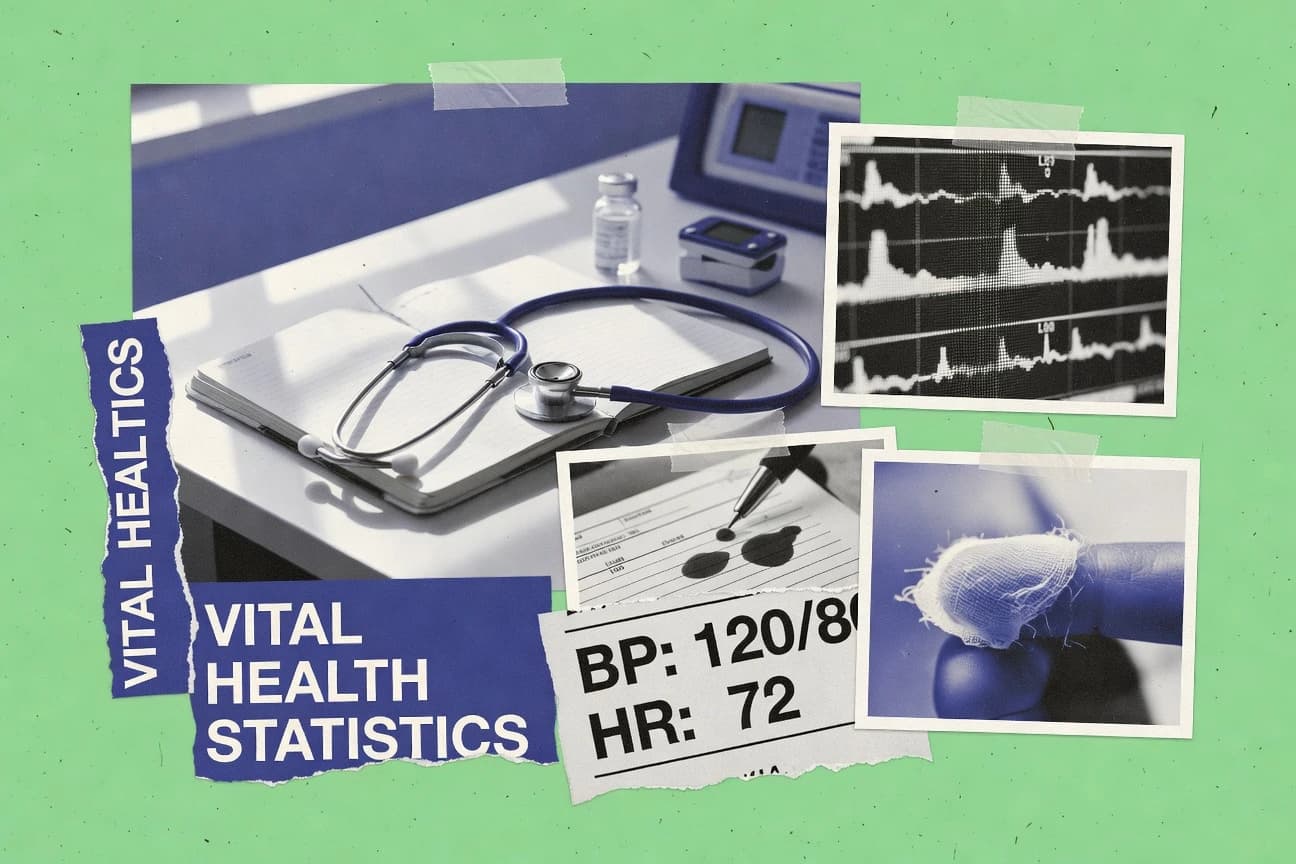
Vital Health Statistics
Vital Health closed 2023 with a rare mix of momentum and discipline, growing revenue 17.8% to $2.3 billion while lifting net profit margin to 12.4% and pushing training ROI to $4.20 per $1. From clinician burnout at 14% and 89% physician job satisfaction to 99.99% IT uptime and 4.2 million patient visits handled with 97.1% telemedicine follow up adherence, this page connects performance, people, and patient outcomes in one place.

Statistics · 2026
Circumcision Statistics
From brit milah on the 8th day to taunuu in Samoa and VMMC programs across Africa, this page tracks how circumcision practices, rates, and reasons diverge worldwide, while the evidence on benefits and risks is front and center. It is updated with 2025 level HIV prevention projections and includes standout complication and policy contrasts like Sweden’s anesthesia and age rules, Germany’s court shift, and WHO VMMC scale up.

Statistics · 2026
Nicotine Addiction Statistics
Nicotine hijacks the brain fast, delivering dopamine 2 to 10 times more than cocaine per dose while tolerance builds within days and withdrawal can peak at 24 to 48 hours and last up to 4 weeks. See how genetic differences and rapid receptor changes keep dependence locked in for years, and why quitting rarely fails due to willpower alone when proven treatments like varenicline reach 25 to 30% abstinence at 1 year.

Statistics · 2026
Lsd Statistics
LSD turns perception up to 11, with geometric hallucinations, strong color enhancement, and visual tracers in 95 percent of users at 150 micrograms, while brain imaging links the experience to default mode network connectivity lasting up to 12 hours after the dose. At the same time, the page puts the risks and the hype into the same frame, from claustrum quieting and up to a 200 to 300 percent jump in emotional intensity to HPPD affecting 4.2 percent of hallucinogen users and the latest prevalence estimates for classic psychedelic use in 2023.

Statistics · 2026
Hallucinogens Statistics
Hallucinogen use is widespread, yet the risk profile swings sharply by substance, with 2011 DAWN hallucinogen related ED visits climbing to 33,452 and classic effects turning medical in only specific cases like PCP linked to 10% of violent ED injuries. The page tracks that split in one place, from LSD lifetime HPPD prevalence of 4.2% to ketamine bladder cystitis in 20 to 30% of chronic users, so you can see where harm spikes and where it does not.

Statistics · 2026
Missed Miscarriage Statistics
Missed miscarriages account for about 50% of first trimester miscarriages detected by ultrasound in the US, and the causes are more specific than most people expect. From chromosomal abnormalities driving 50 to 70% of cases and implantation and placental problems leaving fingerprints even when symptoms are quiet, to updated risk signals like IVF rates of 3 to 6% and progesterone deficiency in 10 to 20%, this page helps you connect what happened with what to ask next.
Statistics · 2026
Knee Pain Statistics
Obesity can multiply knee osteoarthritis risk up to 4 to 5 fold under age 50, yet smoking and targeted rehab can swing outcomes in surprising directions, including exercise based care that cuts knee pain by 20 to 30% within 12 weeks. This page also connects the dots from meniscal tears, malalignment, and quadriceps weakness to the lived burden of knee pain worldwide, so you can see which risk factors actually move the needle.

Statistics · 2026
Wisdom Teeth Statistics
From pericoronitis tied to 38% of impacted third molars to the fact that panoramic OPG is still the most common first look, this page cuts through what imaging and impaction angles really predict, including that up to 86% of removed mandibular third molars are impacted. It also maps your risk timeline from about 1% to 10% postoperative infections to typical pain lasting 3 to 5 days, plus how the global oral surgery and imaging markets and newer CBCT and AI tools are reshaping how wisdom-tooth care gets planned in 2023 to 2030.

Statistics · 2026
Heart Health Statistics
Heart disease still claims about 1 in 5 deaths in the U.S., with AHA estimating 805,000 deaths in 2021, even as modern treatments and systems push survival gains. From LDL lowering that cuts major vascular events by 24% per 1 mmol/L to real world resuscitation that reaches mid 40% ROSC rates by 2019–2020, these numbers show exactly where prevention, faster care, and proven therapies can change outcomes.

Statistics · 2026
Teen Sleep Deprivation Statistics
From faster reaction times to fewer classroom disruptions, sleep loss is quietly reshaping every part of teen performance, with sleep deprived students scoring 15% lower on standardized tests. Even before the long term effects show up, 2025 school reality is startling since most teens fall short and chronic short sleep is tied to big cognitive and mental health costs.

Statistics · 2026
Animal Assisted Therapy Statistics
Animal assisted therapy is gaining real-world momentum, with 15% of U.S. adults reporting use of complementary approaches in 2018 and recent evidence tying animal assisted interventions to positive mental health and social outcomes. But the practical details matter just as much as the benefits, from rare safety concerns and program costs often under $200 per 60 minute session to high caregiver and participant acceptability and willingness to try non drug supports.

Statistics · 2026
Marijuana Use Statistics
Legal cannabis is still catching up with real life risk and consumption patterns, from 0.7% of U.S. adults reporting daily or near daily use in 2023 to U.S. cannabis and related emergency visits running about 49.2% higher than the 2010 baseline. This page puts those shifting behaviors side by side with policy and market signals such as U.S. THC levels climbing to 25% in legal products in 2023 and revenues surging to more than $5.5 billion in FY 2023, so you can see what growth does not automatically erase.

Statistics · 2026
Bypass Surgery Statistics
With more than 1,245,000 CABG procedures worldwide in 2021 and 256,000+ isolated cases submitted to the STS in 2023, this page translates modern bypass surgery practice into numbers that actually change decisions, from early CABG timing and anemia related mortality risk to how costs swing by discharge destination and hospital factors. You will also see what has shifted in real care patterns, such as most patients receiving at least one arterial graft and only a minority discharged on DAPT, and how postoperative complications like atrial fibrillation and acute kidney injury can quietly reshape the bill.
Statistics · 2026
Amputee Statistics
From 2024 to 2030, prosthetics are forecast to climb at about a 6.2% CAGR, with lower limb reaching about $5.5 billion by 2030 and digital workflows now used by 63% of clinicians in prosthetic settings. You will also see the tension between capability and access, including phantom limb pain for 40% to 50% and cost or insurance barriers reported by 33% of U.S. patients, alongside outcomes trends from 3D-printed and microprocessor controlled technologies.
Statistics · 2026
Burn Statistics
With about 8.7% of U.S. adult e cigarette users using only on some days, Burn connects that non daily pattern to how nicotine salts and device settings change what actually reaches the body, from nicotine delivery to PM2.5 and VOCs. You will also see how shifting from smoking can cut exposure markers like exhaled carbon monoxide while the tradeoffs extend to dependence risk, cost effectiveness, and even the real world price tag of vaping related acute events.