
Market data
Health And Beauty Products
Explore verified health and beauty products statistics and market research reports with sourced data and trend analysis.
Latest update:
 Elena Vasquez
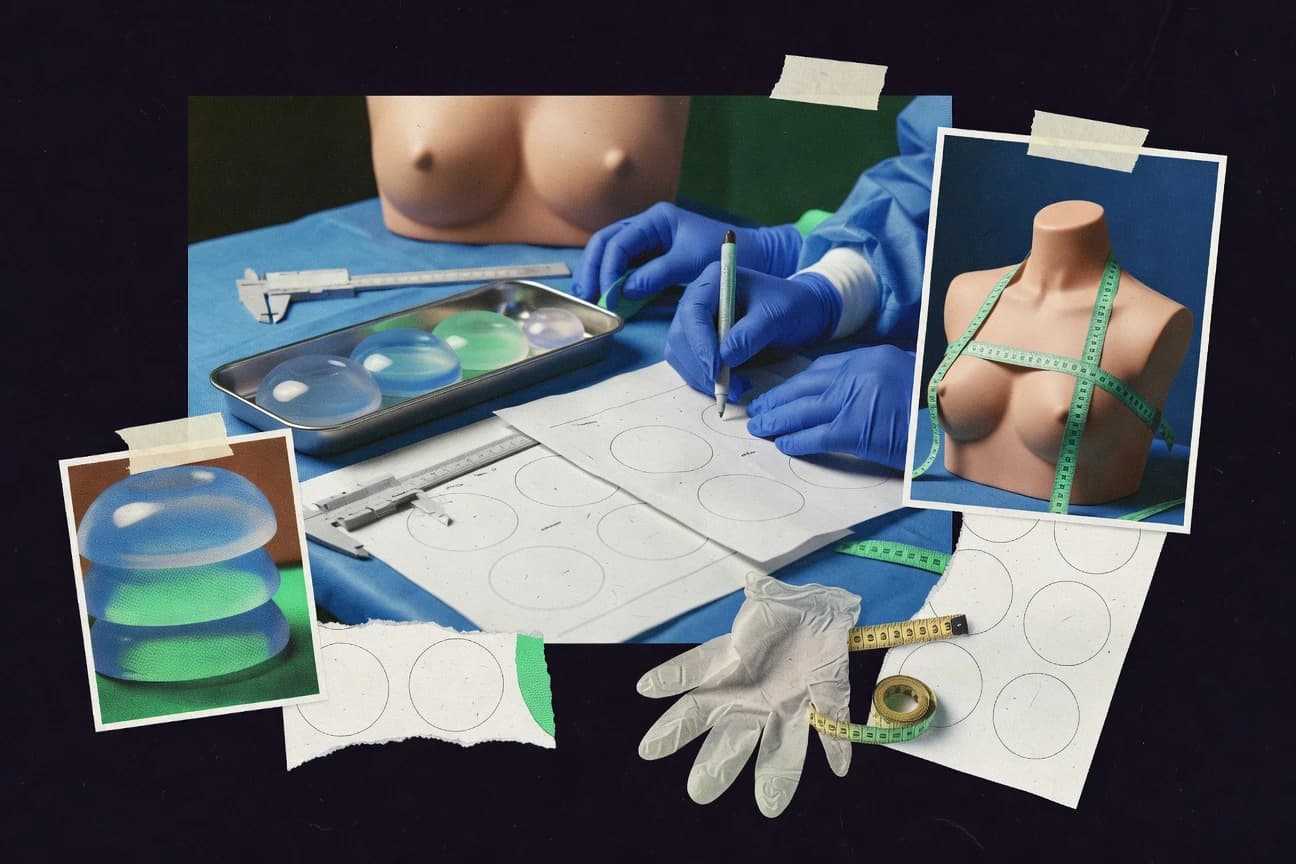
Breast Augmentation Statistics
Global breast implants are forecast to reach about $2.31 billion by 2027, rising from roughly $1.84 billion in 2023, while the fastest growth rate hovers around 1.6 to 2.8% CAGR depending on the outlook. Meanwhile, the human side is just as revealing as the market figures, from 70% reporting improved confidence to revision surgery affecting about 20% within 5 years, plus complication rates like seroma around 1 to 2% and capsular contracture developing in 10 to 15%.
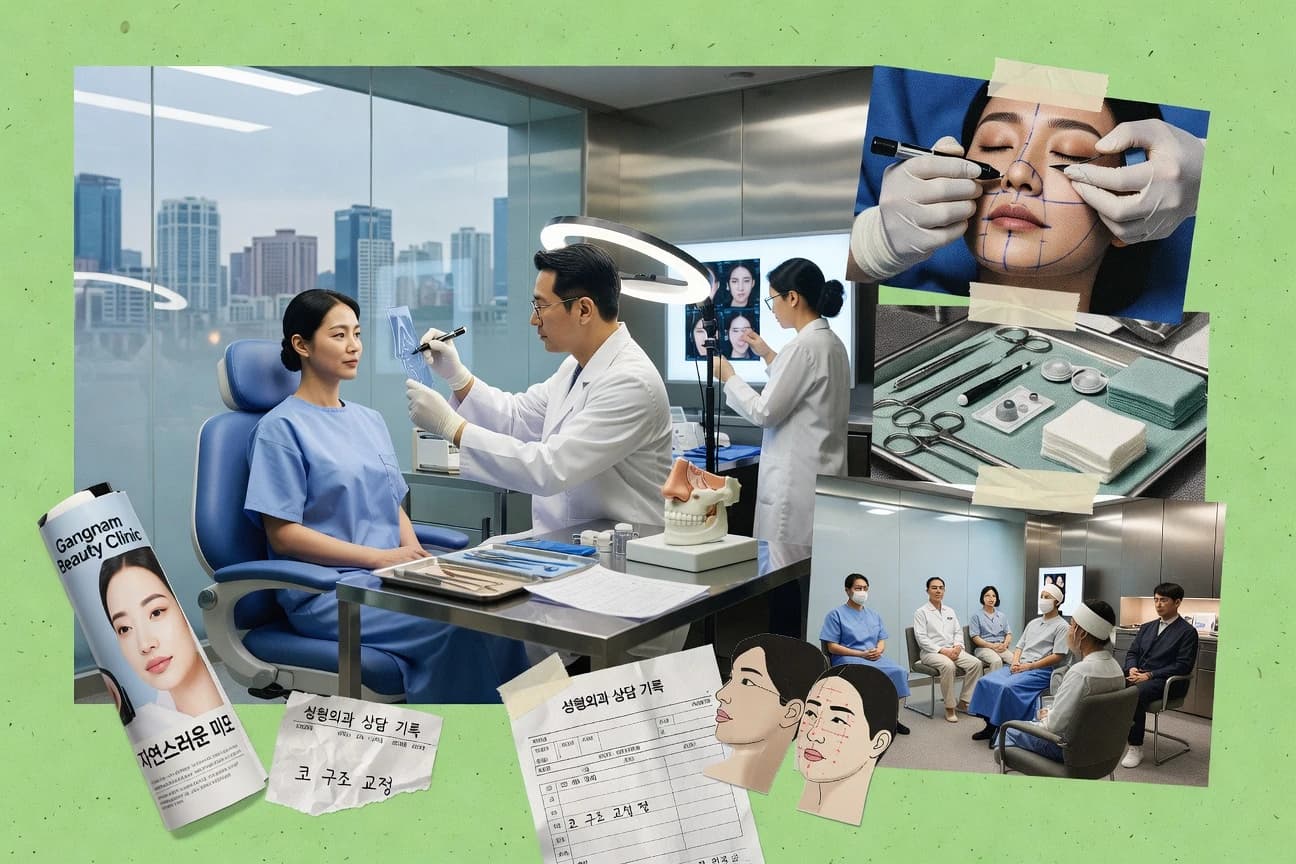
South Korea Plastic Surgery Industry Statistics
More than two thirds of South Koreans have tried some form of cosmetic treatment, yet last year searches and social buzz kept pushing demand with high online engagement and a mean of 2.1 procedures per person. This page connects behavior, pricing pressure, and outcomes in South Korea, from complication and revision rates to how shoppers actually pick clinics using social media, search engines, and influencer recommendations.

South Korea Beauty Industry Statistics
With 87.0% smartphone penetration and 54.9 million internet users in 2024, South Korean beauty marketing is turning screens into sales faster than ever, while TikTok leads engagement at 10.2 million users and a top global time spent per user in 2023. From MFDS handling 45,000 cosmetic complaints to online cosmetic return rates averaging 8.3% in 2023, the page pinpoints where innovation meets risk across formulations, compliance, and e-commerce demand.

Condom Sales Statistics
With global condom sales topping 25 billion units in 2022 and projected to grow at an 8.2% CAGR from 2024 to 2030, this page maps how brands and formats are reshaping demand, from Durex Invisible reaching 1 billion units globally in 2023 and SKYN’s 800 million non latex sales to ultra thin and flavored lines driving the sharpest shifts. You will also see how usage behavior is changing at the same time, with 18 to 24 year olds buying 45% of all condoms sold in the US and single men purchasing 55% more annually than couples.
Essential Oil Industry Statistics
A surprising split stands at the heart of this Essential Oil Industry stats page where nearly 75% of US aromatherapy users are women, yet 40% of consumers still reach for clearly labeled “100% Organic” products and 65% research benefits on social media before buying. You will also see what is driving demand and compliance, including 20% e commerce growth in 2022, a 300% surge in immune boosting interest during 2020 to 2021, plus strict standards like ISO TC 54 and child resistant packaging for methyl salicylate containing oils.
Toothpaste Statistics
From 85% of US adults brushing twice daily to 29% skipping brushing when traveling, Toothpaste stats in 2026 make personal habits feel surprisingly inconsistent. The page also tracks what drives purchases and protection, including 64% swayed by eco packaging, fluoride toothpaste reducing cavities by 24% in children, and 1.2 billion tubes ending up in landfills every year.

Beauty Industry Statistics
Beauty spending is surging while expectations shift just as fast, from the global beauty and personal care market’s projected USD 821.4 billion by 2032 to clean beauty priorities where 62% of Gen Z women want cleaner ingredients. Read this page to see what’s powering demand across age, identity, and channels, including 71% of young men using grooming daily and 55% of beauty buyers swayed by influencer culture.
Beauty Influencers Industry Statistics
Beauty influencers can turn modest followings into real money, averaging $5.78 earned per 1k followers annually while Sephora paid out $50M in commissions in 2023. Yet campaigns are far from automatic since 25% of beauty collabs fail from mismatched audiences, and TikTok Shop helped drive $1B seller revenue in 2023, making smart creator and content choices the difference between hype and revenue.
Botox Statistics
From glabellar frown lines that clear in 80% at week 4 to chronic migraine relief that cuts monthly days from 20 to 8, this page stacks clinically proven results and timeframes side by side. It also tracks Botox’s fast moving footprint in real care settings, including 70% US market share for Allergan and a global market projected to reach $9.81 billion by 2030.

Japanese Cosmetics Industry Statistics
From skincare budgets that climb to 55,000 yen a year at ages 35 to 44 to online shopping where the average basket hits 8,500 yen and return rates still reach 12%, this page maps exactly how Japanese consumers are buying beauty in 2023 and beyond. You also get the shift in what they trust now, with 75% favoring natural ingredient formulas and eco friendly packaging swaying 67% of purchases, plus export momentum that pushed total Japanese cosmetics exports to 1.15 trillion yen in 2023.

Uk Spa Industry Statistics
UK spa demand kept climbing in 2023, with 45 million visits up 20% and repeat visitors making up 65% of footfall, while day spas delivered 68% of all sessions. From £1.02bn in spend by international tourists to 62% of reservations made online and gift vouchers driving 22% of visits, this page maps what is fueling growth and where the biggest booking shifts are happening.
Global Dietary Supplement Industry Statistics
The global dietary supplements market is set to climb from USD 177.50 billion in 2023 to USD 308.78 billion by 2030 at an 8.2% CAGR, while consumer habits are splitting fast across age, gender, and region. From 42% of US adults aged 18 to 34 using supplements regularly and 61% of fitness enthusiasts relying on protein to 45% of Europe urban 18 to 24 year olds reaching for probiotics and 22% of Gen Z buying online, this page maps the shifts that are changing what people take and why.

Middle East Beauty Industry Statistics
GCC beauty is heading to $15.0 billion by 2030 as digital shopping and influencer trust reshape purchase journeys, from 67% of Saudi consumers buying beauty products online to 85% of internet users there accessing the web via mobile. You will also see how regulation and pricing pressures meet fast growth, with Saudi reaching a $4.8 billion beauty and personal care market by 2030 while UAE and Egypt post 6.5% and 7.2% CAGRs through 2030.
Hair Loss Statistics
Women face a 42% lifetime prevalence of androgenetic alopecia, and the hair loss treatment market is forecast to grow 6.4% CAGR from 2024 to 2030, so demand for real options is only rising. You will also see how local DHT patterns, early onset around ages 35 to 44, and treatment evidence like minoxidil 5% and finasteride DHT reduction stack up against the very different recovery timelines for conditions such as telogen effluvium and the autoimmune risk signals behind alopecia areata.
Mena Beauty Industry Statistics
Middle East and Africa personal care is set to climb at a 10.4% CAGR to about US$25.6 billion by 2028, but hair care growth is even faster at 12.2% from 2024 to 2032. The page connects these gains to what actually drives beauty demand in MENA including mobile led shopping, influencer and social discovery, and how import rules like EU REACH, INCI labeling, and UN Comtrade HS 3304 flows shape which brands can scale.

Skincare Beauty Industry Statistics
Active skincare products still command 42% of the market in 2023, but the real momentum is coming from healthcare, e commerce, and tighter rules, with 13% more U.S. dermatology visits between 2020 and 2022 and online reviews shaping 88% of skincare buys. You will also see how EU and U.S. regulators police claims and sunscreen testing while consumers spend $6.3 billion online on skin care, pushing brands to get results fast and stay compliant.

Hair Extensions Industry Statistics
Clip ins are the fastest growing forecast segment while online channels already account for 28% of reported hair extensions sales, reshaping how people buy and get installed. With the global market at $1.1 billion in 2020 for human hair and a 2022 review linking traction alopecia prevalence to 1 to 2%, the page connects demand, materials, and real wear risks so you can separate marketing claims from what actually matters.

Tanning Industry Statistics
U.S. indoor tanning is being pulled forward by a younger, more female driven clientele with 18 to 34 year olds making up 62% of visits and averaging 25 sessions a year, while 55% of frequent tanners are college educated women under 30. At the same time, health and compliance pressures are reshaping demand as sunless growth accelerates and industry revenue dynamics shift, including the $2.8 billion global indoor tanning market value and $1.5 billion worldwide sunless segment led by spray.
Luxury Fragrance Industry Statistics
While global growth targets stretch toward a USD 24.3 billion market by 2028, brand power in luxury fragrance is getting sharper, with Chanel holding 12.5% global share by revenue and sustainability, AI scent matching, and refillable packaging now reshaping what consumers buy. Expect the kind of splits that change shopping decisions too, from Baccarat Rouge 540 driving 60% of Maison Francis Kurkdjian’s USD 150 million revenue to luxury gifting peaking at 65% during holidays and unisex poised for a 6.8% CAGR through 2030.
Salon Spa Industry Statistics
Women aged 25 to 44 make up 42% of US salon customers yet millennials choose eco friendly salons 68% of the time, pushing 35% higher spending per visit, a gap you will want to understand. From global spa visitors hitting 1.2 billion to app driven booking in China where 72% book digitally, this page connects who shows up and what they value with workforce and market figures that explain where demand is moving next.