
Market data
Health And Beauty Products
Explore verified health and beauty products statistics and market research reports with sourced data and trend analysis.
Latest update:
 Elena Vasquez
Global Beauty Industry Statistics
Beauty buying is being reshaped by what people expect from products and who they trust, with social media discovery now reaching 73% of consumers aged 18 to 24 and 56% of beauty buyers swayed by influencer recommendations. This Global Beauty Industry statistics page connects that attention shift to spending power, platform behavior, and category momentum, from Asia-Pacific’s 45% skincare share and online’s 28% penetration in 2023 to rising demand for clean, cruelty free, and anti aging.
Cosmetics Skincare Industry Statistics
Beauty and skincare are still compounding fast, with the global cosmetics market headed from US$85.4 billion in 2023 to US$117.5 billion by 2028 and skincare set to rise from US$22.6 billion to US$39.0 billion by 2032. Meanwhile, EU and US compliance pressure is tightening alongside consumer behavior shifts like the 72% trust rate for customer reviews, making this a must read for anyone tracking where growth meets regulation.
Japan Beauty Industry Statistics
Japan’s beauty spend is rising fast while shoppers’ channels and values are shifting just as quickly, from live streaming hitting 100 billion JPY and beauty apps reaching 50 million downloads to sustainability claims boosting sales by 20% and clean label seekers making up 55%. Get the full spread, including why online beauty now averages 45,000 JPY per woman a year and how male consumers grew to 30% of the market.
Aesthetic Devices Industry Statistics
Aesthetic Devices Industry data shows the market climbing from $15.1 billion in 2023 to a projected $23.8 billion by 2030 while U.S. consumers logged 12.4 million non surgical cosmetic procedures in 2023 and FDA injury reporting for cosmetic and aesthetic devices topped 2,300 plus in 2023. You will also find how results stack up against risk across lasers, fillers, microneedling, and RF, including a 22% elasticity gain after microneedling and an overall adverse event rate of 1.9% for non invasive aesthetic laser treatments.
Cosmetics Beauty Industry Statistics
Global cosmetics growth is still climbing, with the market projected to reach 117.2 billion by 2028 and color cosmetics forecast to grow at a 5.4% CAGR from 2024 to 2030, even as fragrance raw-material prices fell 9.5% year over year. You will also see how compliance, from EU CosIng’s 24,311 ingredient listings to ingredient reformulation costs, reshapes what brands can launch and what shoppers actually buy.
Romania Beauty Industry Statistics
The Romania beauty market keeps tightening around fast growers and changing buyer habits, from Sephora reaching 50 million EUR in 2023 to online beauty products adding 22% of total sales as e commerce climbs. You will also see why tastes are splitting between indulgence and purpose, with 65% of millennials favoring natural ingredients and 67% of Romanians expecting carbon neutral beauty by 2030.

Beauty Skincare Industry Statistics
From 92% of US skincare buyers swayed by online reviews to a 15% YoY jump in global e commerce sales, this page explains why discovery has shifted and what it means for growth in 2023. With anti aging projected to reach USD 93.1 billion by 2027, plus Gen Z leaning hard toward natural ingredients at 82% and 71% influenced by social media, it maps the tensions brands must win to earn repeat routines.
Beauty And Personal Care Industry Statistics
Gen Z clean beauty is pulling demand forward, with 65% of U.S. Gen Z consumers favoring clean beauty brands and e commerce now taking 26% of global beauty sales, up from 19% in 2021. From 58% of Chinese beauty buyers under 30 powering 70% of live stream sales in 2023 to sustainability pressure, including 72% of consumers willing to pay a 20% premium for sustainable beauty in 2023, this page maps how purchasing rules are changing fast.
Beauty Market Statistics
Beauty Market statistics point to a decisive shift for 2025 buyers where men now make up 25% of the U.S. beauty market in 2023 and social media already guides 68% of U.S. beauty shoppers, while Asia Pacific still leads global share at 42.3% in 2022 and clean beauty grows fastest with a 12.1% CAGR projected for 2023 to 2028. Use the page to match audience power by age and gender with category momentum and market growth rates, from Gen Z’s surge in e commerce to skincare’s 38% share of global revenue and the premium segment pushing ahead globally.
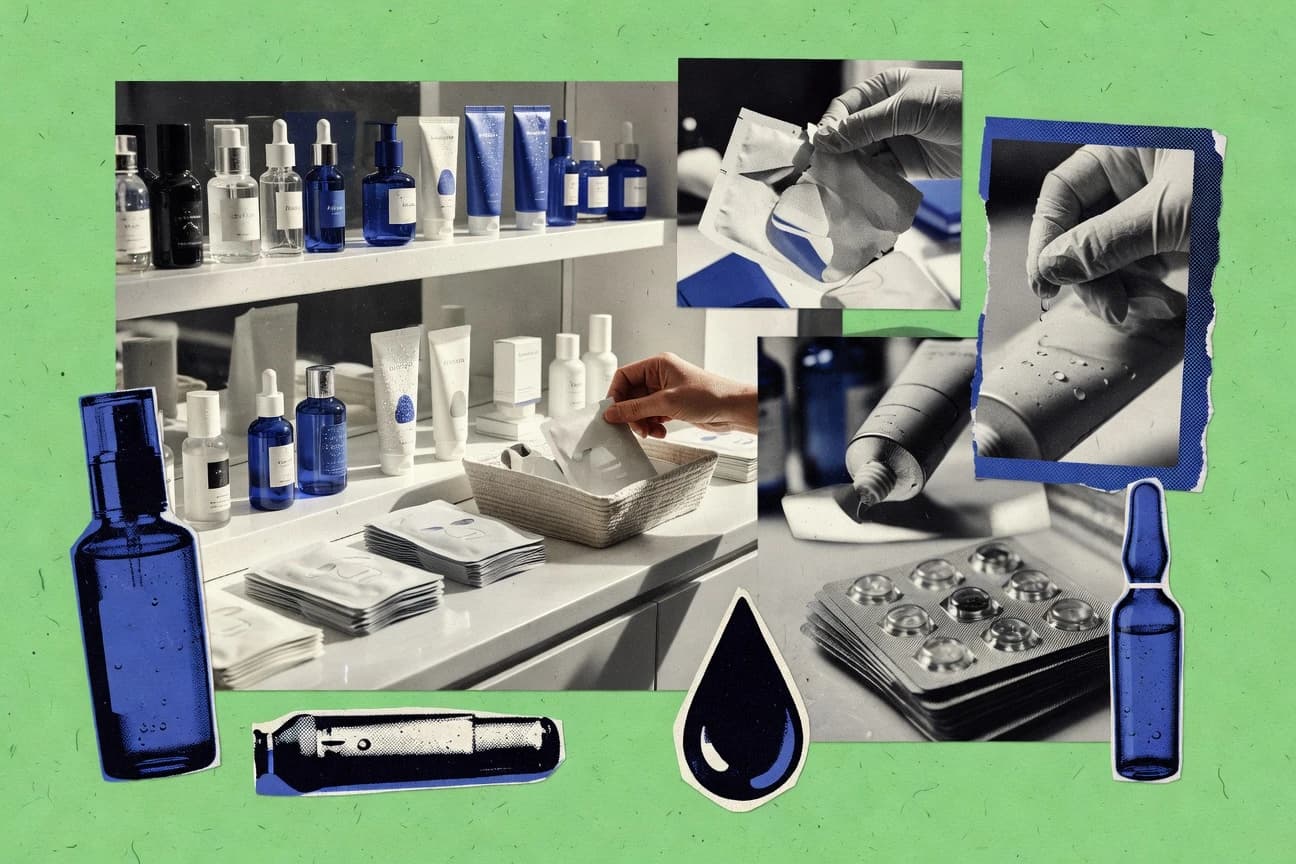
Korean Cosmetics Industry Statistics
See how Korea’s K-beauty leaders and new clean formulas are reshaping demand, from 58% of women aged 20 to 39 using K-beauty daily to online sales reaching 45% of the market in 2023. You get the business pulse behind it all, including export momentum, category winners like cushion and sheet masks, and the kind of product proof that makes a sleeping mask sell 10M units worldwide.

China Cosmetics Industry Statistics
Gen Z and livestream shopping are rewiring China’s beauty market, where 48% shop via Douyin or TikTok and 68% of purchase decisions are influenced by live streams, alongside 60% favoring domestic brands for affordability. With 12% projected growth for 2025 and a market projected to reach 580 billion RMB, the page maps exactly why 65% of urban consumers lean toward natural ingredients while regulators tighten claims and crackdown on counterfeits.
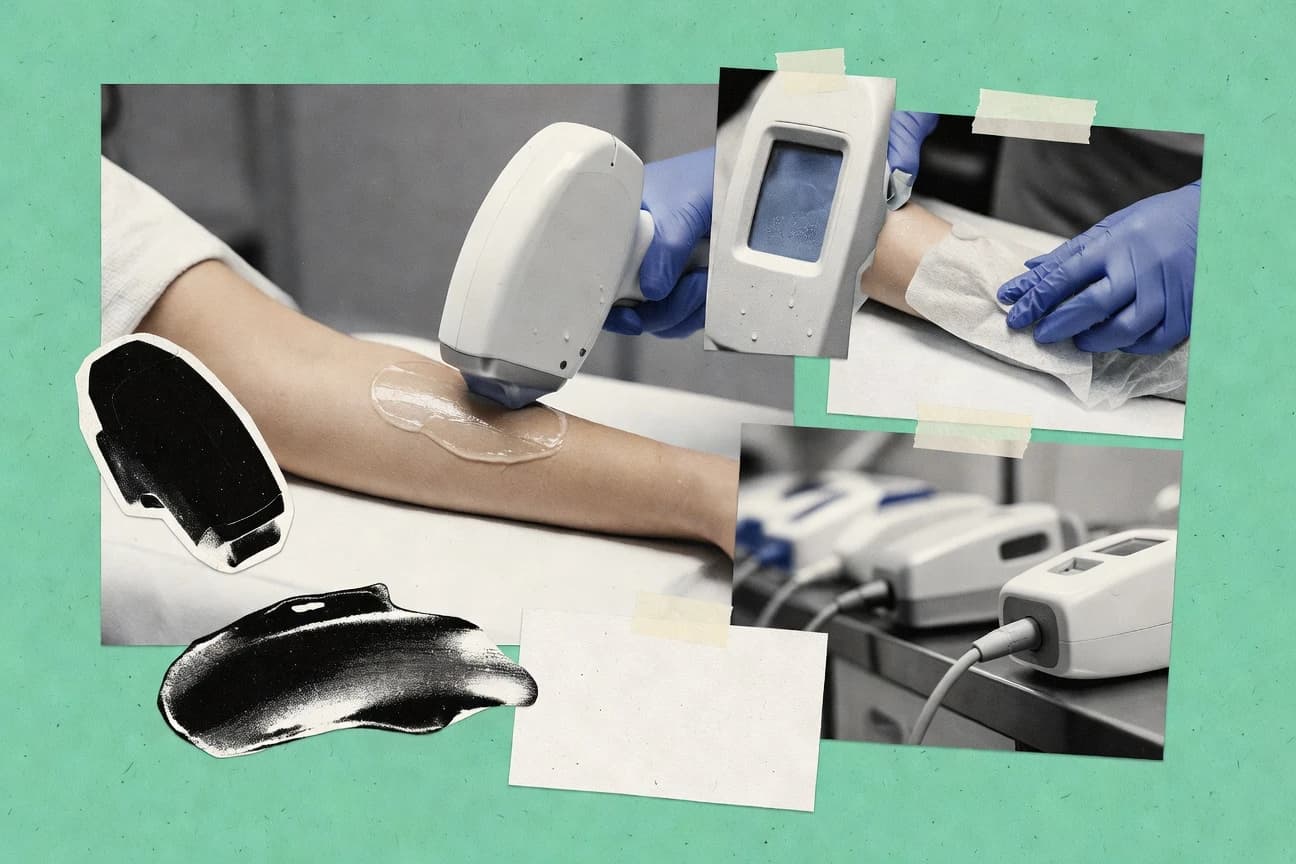
Laser Hair Removal Industry Statistics
52% of demand keeps rising in the U.S.—28% have tried it by 2023. Learn what’s fueling laser hair removal growth.