Market data
AI In Industry
Explore ai in industry statistics and market research reports with sourced data and trend analysis.
Latest update:
 Marcus Engström

Statistics · 2026
AI In The Military Industry Statistics
Ethical alarms are rising faster than battlefield adoption, with EU rules pushing military AI toward audits for 90% of systems by 2026 while US GAO reports 70% of DoD AI pilots lack ethical risk assessments. This page connects that gap to concrete outcomes, from lawsuits over Lavender’s civilian harm to contracting delays and growing market projections, so you can see where innovation is moving and where oversight is lagging.
Statistics · 2026
AI In The Heavy Industry Statistics
See how AI is already driving measurable gains across heavy industry in 2025, from a 95% accurate LNG demand forecast that cuts storage costs 18% to drones and computer vision catching anomalies with 99% detection while covering 40% more pipeline km each day. The page also tracks the hidden side of performance, showing where predictive models prevent corrosion, outages, and compliance delays before they happen alongside a market snapshot valued at $5.2 billion with a projected $25.4 billion by 2030.

Statistics · 2026
Nvidia AI Industry Statistics
From Q4 FY2024 Data Center revenue of $22.6 billion to forecasts like IDC’s $300 billion AI system spend by 2026, this page maps how enterprises are swinging toward accelerated compute and cloud AI, including 82% of IT leaders expecting higher cloud AI spending next year. It also connects the engineering reality behind that demand, from BERT training’s massive FLOPs and GPU time to practical scaling limits like memory bandwidth and NVLink throughput.

Statistics · 2026
AI In The Powersports Industry Statistics
See how powersports operators are turning AI into measurable advantage, from 2025-ready expectations like 82% of executives predicting AI dominance by 2030 to conversion wins such as virtual helmet try-on boosting e-commerce purchase rates by 24% and personalization lifting sales conversion by 31%. This page connects frontline proof with the bigger forecast, where $4.2 billion by 2030 and 36% CAGR sit alongside practical gains like AI moderating 100k livestream viewers per event and predictive tools reducing churn by 22%.

Statistics · 2026
AI In The Big Data Industry Statistics
AI and big data are booming, but the surprise is where the pressure shows up, from cloud analytics at $126.0 billion and AI software at $67.4 billion in 2024 to 61% of breaches linked to credential theft and a 21% survey share of AI projects delayed by data availability. You will also see what speeds up delivery, including 2.0x faster incremental ETL execution and 60% of enterprises embedding AI into existing analytics workflows, alongside the governance and measurement signals that keep models compliant and useful.
Statistics · 2026
AI In The German Car Industry Statistics
Level 3 autonomy is already at a 25% market share in Germany, and several systems are being stress tested with real-world scale like millions of kilometers and hundreds of TÜV scenarios. This page lines up the sharpest performance, safety, and factory impact figures from the biggest OEM and supplier names to show where AI is proving itself and where the risk still sits.

Statistics · 2026
AI In The Makeup Industry Statistics
Sephora users are already averaging 5 AI Virtual Artist sessions per week, and the AI try on and shade matching momentum looks poised to keep accelerating. From 92% of top beauty brands embedding AI tools by end 2023 to the $25B AI makeup market forecast by 2030, this page maps how personalization, conversion gains, and massive transactions are reshaping who wins in makeup and why that shift matters right now.
Statistics · 2026
AI In The Recording Industry Statistics
From YouTube’s automated takedowns of 97% of policy-violating copyright videos before humans stepped in to the sheer scale of 3.1 billion Content ID matches and $6.4 billion flowing to rights holders, this page shows how AI is reshaping enforcement and monetization in real time. It then collides with the legal and compliance questions driving 2025 era policy costs, from copyright protection for AI-generated works to risk rules under the EU Digital Services Act and FTC action on deceptive AI music claims.

Statistics · 2026
AI In The Textile Industry Statistics
AI is no longer a pilot project for textiles. With 85% of production expected to be AI augmented by 2028 and AI adoption already driving productivity up to 37% alongside ROI near 250% in 18 months, this page tracks what is actually changing across quality control, design, inventory, and sustainability worldwide.
Statistics · 2026
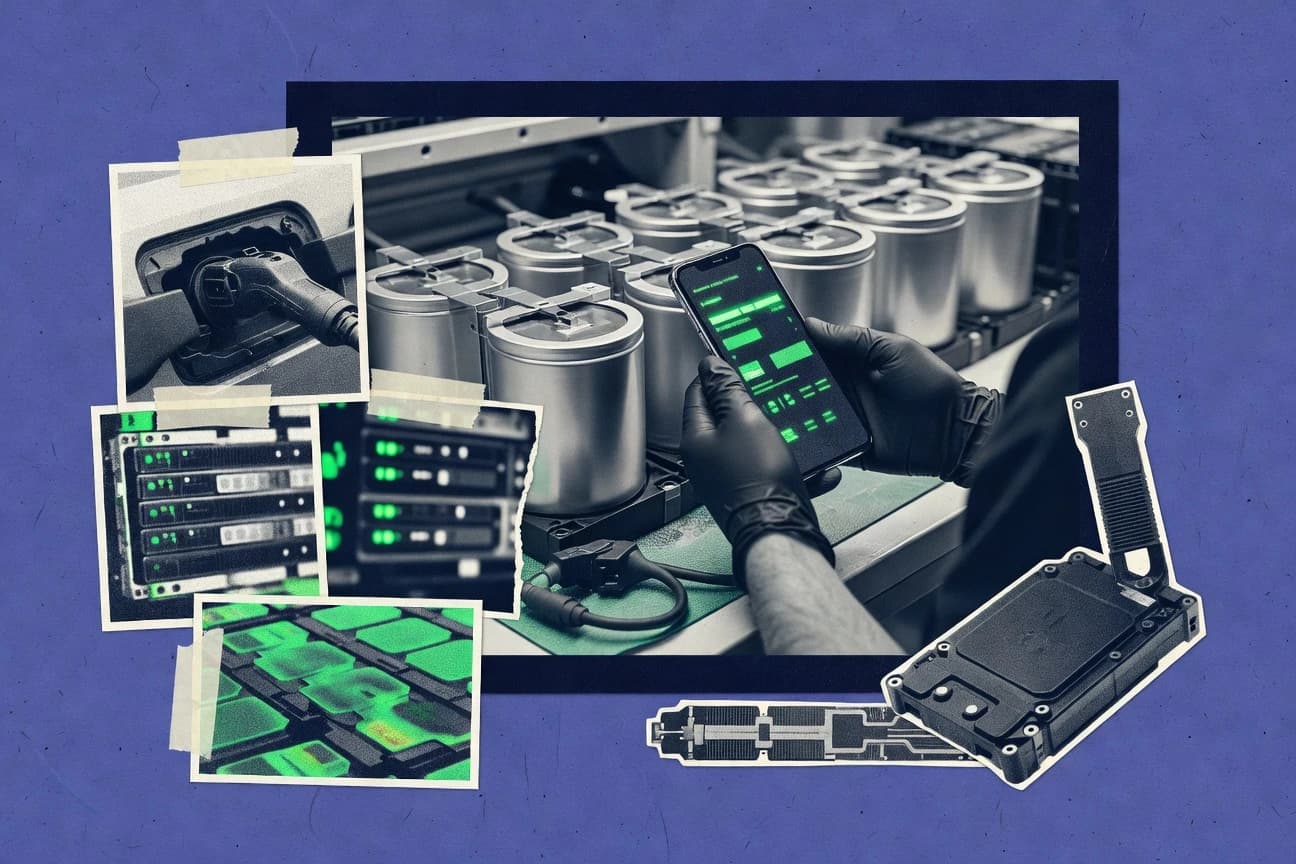
AI In The Electric Vehicle Industry Statistics
With 52% of EV buyers saying advanced driver assistance features sway their purchase choices, this page connects that demand to what AI is already improving in EV energy use, range prediction, safety, and battery health. It also tracks how AI in automotive is projected to hit $8.6 billion by 2030 and why global EV R and D spending for connected and automated technologies is expected to rise by $2.2 billion by 2026.

Statistics · 2026
AI In The Personal Development Industry Statistics
With 57% of executives planning to increase AI spending in 2024 and 23% of organizations already using genAI in production, the page shows where personal development is gaining budget and where “personalization” actually drives trial and retention, including the 47% of consumers who switched brands due to AI. It then pressures tests the opportunity against trust and regulation realities, from 71% of workers comfortable with AI at work if it improves performance to GDPR level data risk and FTC scrutiny, so you can judge what is scalable and what is a compliance headache.

Statistics · 2026
AI In The Life Coach Industry Statistics
By 2025, AI is estimated to automate 2.5% of global work time, roughly 1.2 trillion hours, while generative AI market growth is forecast to jump from $41.2 billion in 2023 to $1.1 trillion by 2032. See how that momentum connects to real life coaching and mental wellness outcomes, from 60% of executives already using generative AI and 70% of consumers open to AI in healthcare, to the privacy and safety stakes that can become financially painful fast.
Statistics · 2026
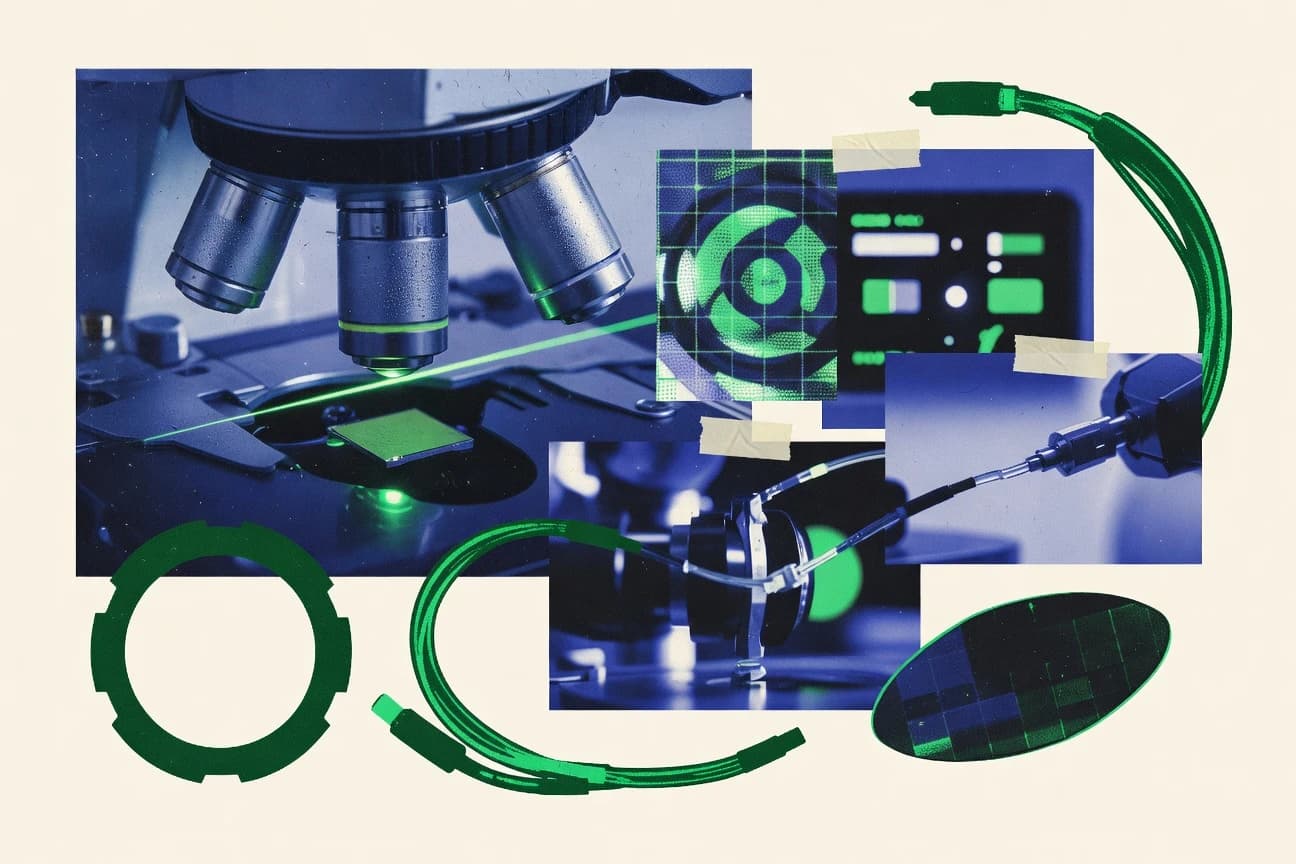
Optical AI Industry Statistics
Optical AI is racing ahead of traditional bandwidth limits, with the optical communications market projected to reach $13.0 billion by 2032 while hyperscale coherent links already lean on DSP and the 6G target peaks at 10 Tbps per device. The page connects that hardware reality to AI performance and cost, from 99% modulation classification and up to 3 to 6 dB SNR gains to GPT-style training at 10^22 FLOPs per run and AI accelerator goals of 10 to 100 TOPS per watt.

Statistics · 2026
AI In The Greeting Card Industry Statistics
With the global greeting cards market forecast to climb at a 4.7% CAGR from 2024 to 2032, the real story is how AI is already reshaping every step from personalization to production efficiency, including 42% of companies using generative AI and 58% of organizations using AI for customer experience. Flip through the page to see how 76% of marketers expect AI to personalize marketing, why EU and GDPR enforcement makes governance unavoidable, and what it means for US card volumes that still move at roughly 978 million units.
Statistics · 2026
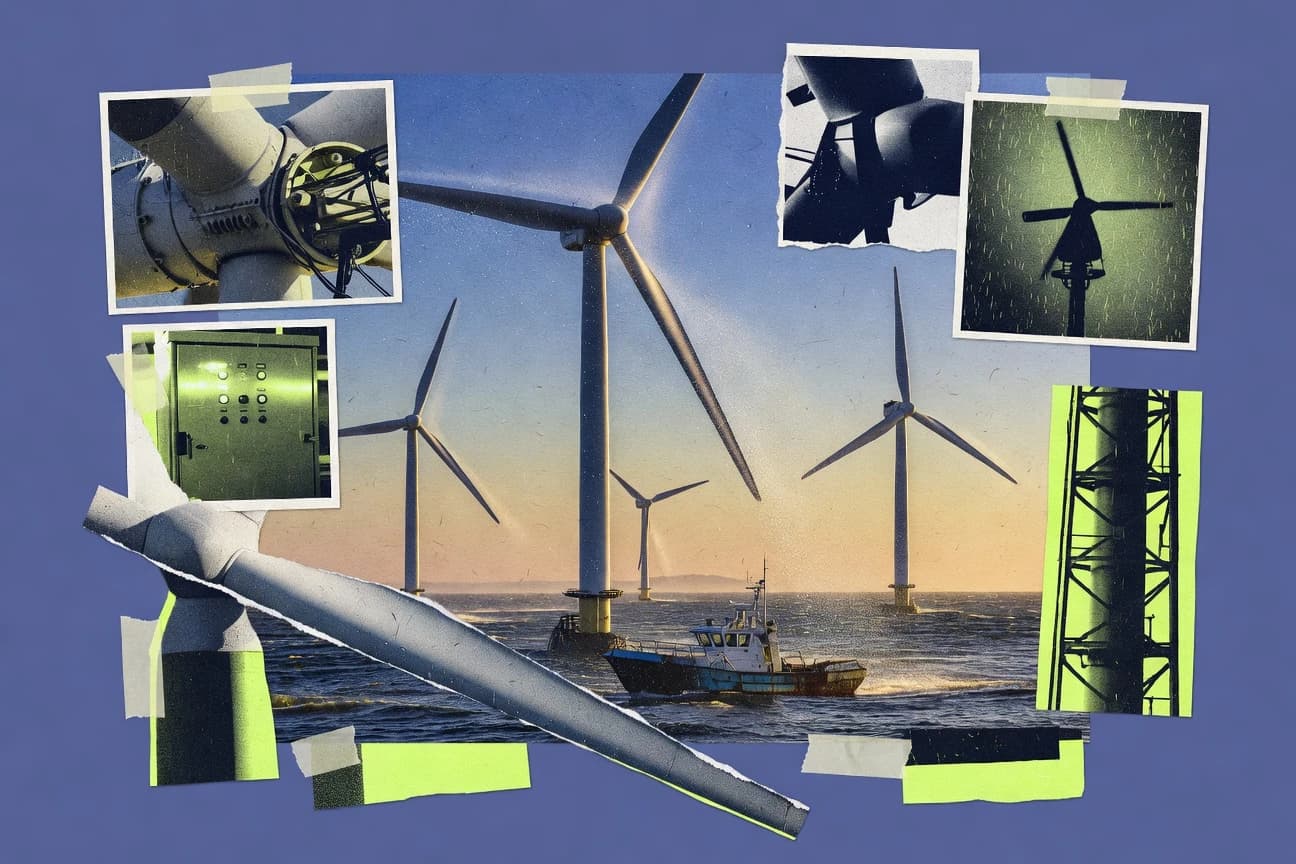
AI In The Wind Industry Statistics
With 46% of surveyed wind operators already using advanced analytics or AI and 2023 additions bringing EU capacity to 205.1 GW, this page explains why AI ready O and M is moving from pilot projects to measurable grid and maintenance value. It ties forecasting gains, condition monitoring market growth from $2.1 billion in 2022 toward $4.2 billion by 2030, and rising compliance and security needs into one practical picture of what wind teams must do next.

Statistics · 2026
AI In The Health Industry Statistics
Healthcare AI is projected to surge from a 2024 market size of $19.5 billion to $102.1 billion by 2032, with an expected $150 billion to $500 billion in annual value by 2026, but real adoption still shows a big operational gap where only 22% of physicians use AI weekly for admin tasks. This page connects the rules reshaping medical software, like the EU AI Act and FDA guidance, to measurable outcomes across imaging, triage, coding, and fraud to show where AI pays off and where it still struggles.

Statistics · 2026
AI In The Civil Engineering Industry Statistics
With the AI in construction market reaching $1.1 billion in 2023 and projected to climb to $9.3 billion by 2030, this page connects the money to what’s actually changing on sites and in workflows. Expect sharp contrasts like 60 to 80% less time spent on document review with OCR and NLP, alongside adoption gaps where only 35% say AI improves decision making and 24% of engineers report using AI day to day.

Statistics · 2026
AI In The Window Industry Statistics
Smart home operators are racing ahead while security and adoption lag behind. With 80% of customer service teams set to use generative AI by 2025 and global installed smart speakers hitting 1.4 billion devices in 2023, the page connects the biggest market pull for window linked energy savings with hard reality like a 70 day average breach containment time in 2023 and AI training costs that can run into millions.

Statistics · 2026
AI In The Mutual Fund Industry Statistics
With $1.5 trillion in forecast AI-related spending worldwide for 2025 and $309 billion projected for global generative AI by 2026, this page shows why mutual funds cannot treat AI as a side project when trust, security, and “off-benchmark” positioning all collide. You will see how concerns about AI decision making, breaches, and regulation map to measurable shifts in asset management and trading performance.
Statistics · 2026
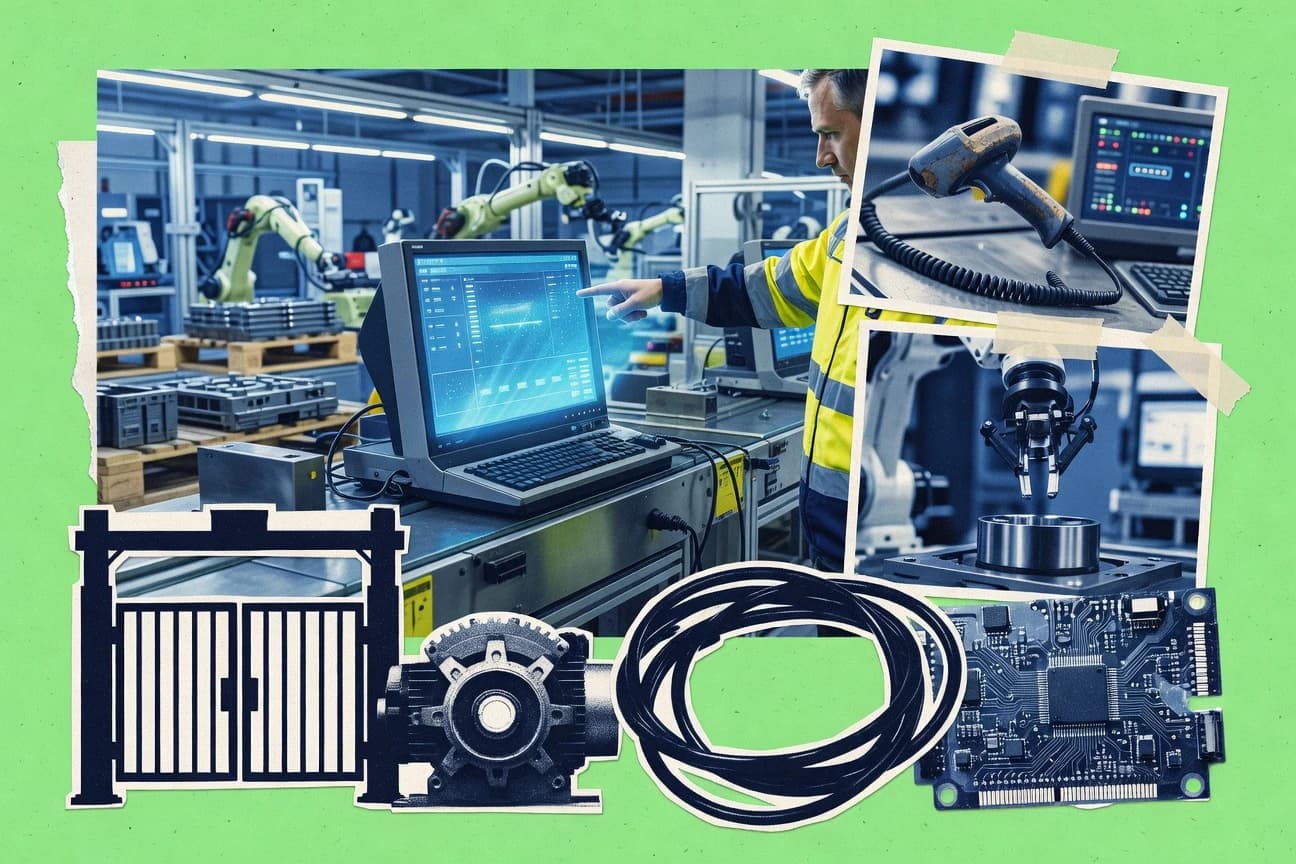
AI In The Poland Industry Statistics
With 43% of Polish organizations reporting an AI governance policy or responsible AI guidelines in 2024, this page connects the shift from readiness to real controls, backed by a growing technical and market base such as more than 25 operational data center sites in 2024 and generative AI forecast growth toward about $0.6 billion by 2028. It also highlights the practical mismatch behind adoption, where only 5.1% of enterprises provided AI or data solutions in 2023 while robots usage reached 26% in 2022, revealing where AI momentum is translating into deployable products and services.