
Market data
AI In Industry
Explore verified ai in industry statistics and market research reports with sourced data and trend analysis.
Latest update:
 Marcus Engström

AI In The Pet Care Industry Statistics
With the US pet care market projected to reach $300.8 billion in 2025, this page shows where AI is already proving value across EMR ready workflows, imaging faster triage, and documentation automation that hits a 0.86 F1 score on unstructured notes. It also pairs performance breakthroughs like 0.87 sensitivity and 0.90 specificity on radiograph abnormalities with the hard reality that 92% of organizations worry about AI model risk, revealing why slow governance and uneven data quality can still throttle what the money could otherwise fund.

AI In The Eyewear Industry Statistics
In 2025, AI-driven optical design and smart retail tools are shifting eyewear decisions from gut feel to measurable outcomes, changing how frames are chosen, stocked, and priced. The page tracks the numbers behind that shift so you can see where automation is paying off and where it’s still falling short.
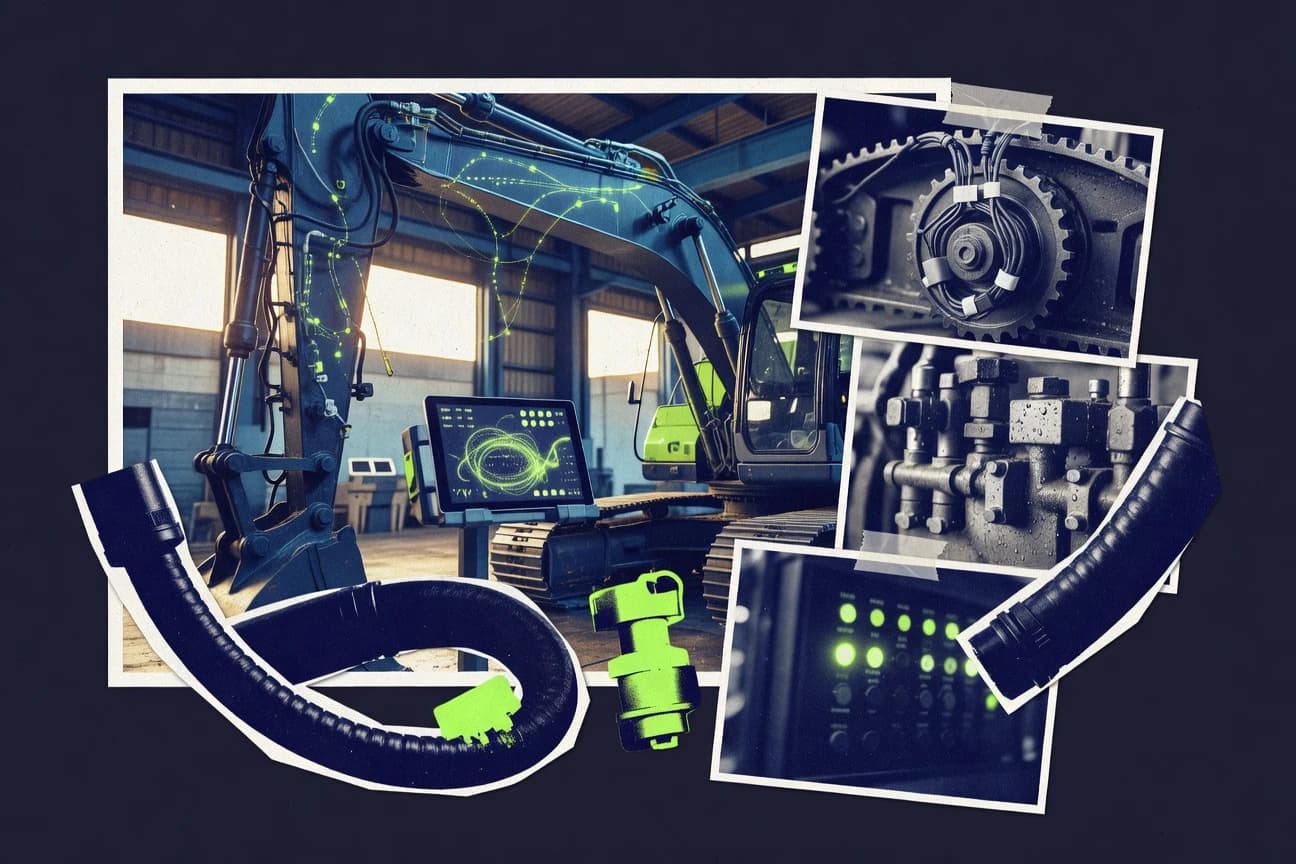
AI In The Heavy Machinery Industry Statistics
See how AI is reshaping heavy machinery decisions with the latest 2025 and 2026 benchmarks, where gains in predictive maintenance and machine uptime are starting to outweigh the cost of deployment. The contrast is stark, fewer shutdowns and faster troubleshooting are rising alongside sharper workforce and supply chain impacts, making the statistics impossible to ignore.
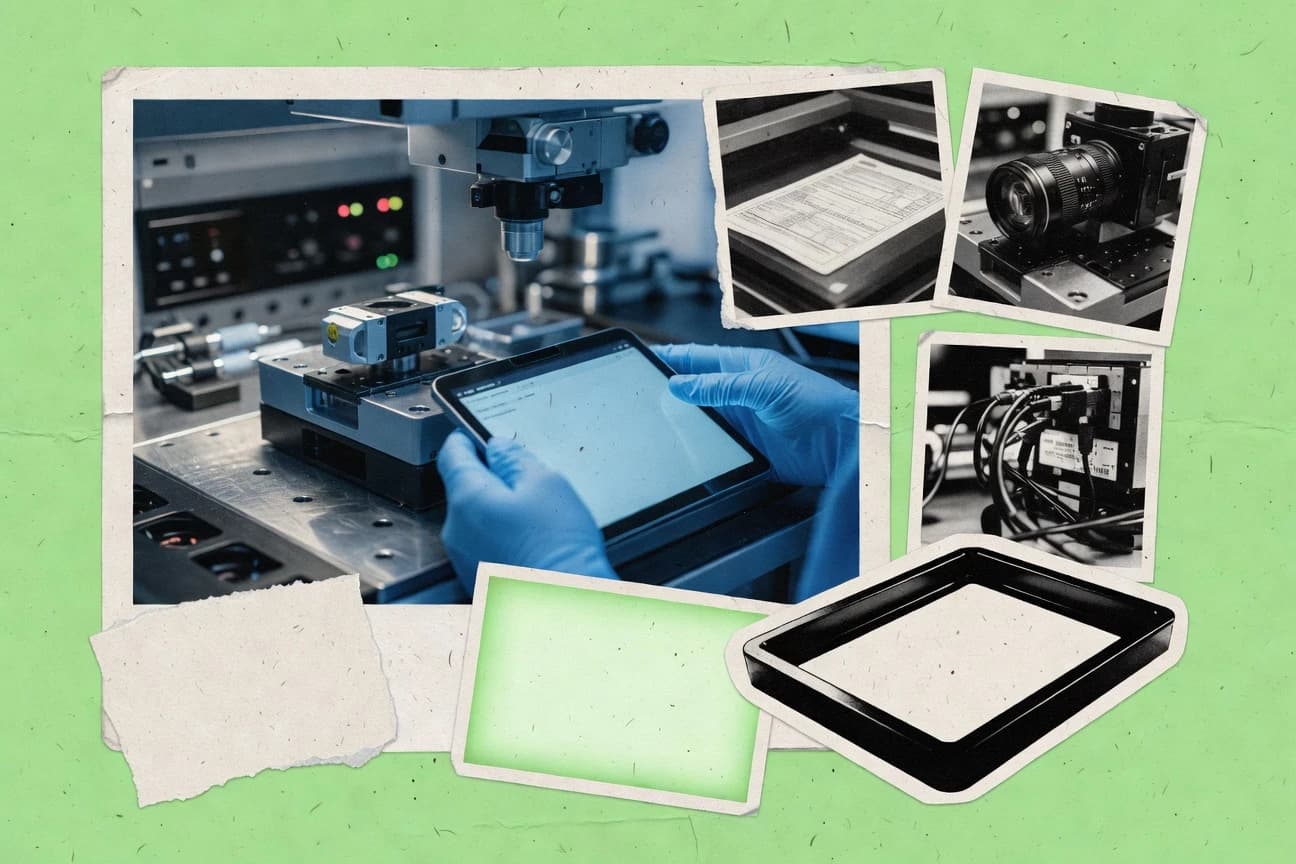
AI Quality Assurance Testing Industry Statistics
See how AI quality assurance testing budgets and model verification practices shifted by 2025, and why the cost of late defects is rising even as teams automate more tests. You will also spot the measurable gap between what models promise and what passes QA, with 2025 benchmarks that make the tradeoffs impossible to ignore.

AI In The Print Industry Statistics
AI in the print industry is already reshaping how production teams plan, automate, and measure quality, with 2026 figures pointing to faster adoption and tighter operational control than many teams expected. Read the statistics page to see the sharp contrast between where AI investment is going and what it is actually changing across workflows and outcomes.

AI In The Security Industry Statistics
Global cybersecurity spending is projected to reach $188.3 billion by 2030, while AI in cybersecurity is already carving out $68.5 billion by 2028, and the gap between promise and reality shows up fast in the breach timeline where the average containment time is 75 days and many breaches sit undetected for months. It also breaks down what is actually working, from 99 percent plus enterprise phishing detection accuracy to 23 percent of organizations running AI-enabled SOC tooling in production, and why stolen credentials remain the leading path for attackers.

AI In The Management Industry Statistics
With $297.0 billion in expected global enterprise AI spending by 2026, the management stack is shifting from experiments to budgets and measurable ops impact. See why 55 percent of enterprise decision makers plan to use generative AI and how AI is already cutting IT incident resolution time by 30 percent plus, alongside the compliance and security stakes like the EU AI Act timeline and the $14.6 million average breach cost for zero trust nonadopters.

AI Restaurant Industry Statistics
Restaurant data is shifting fast in 2025 and 2026 as AI driven operations move from experiments to measurable impact. This page pulls the most telling figures on adoption, labor pressure, and ordering behavior so you can see exactly where AI is already changing outcomes, not just where it might.
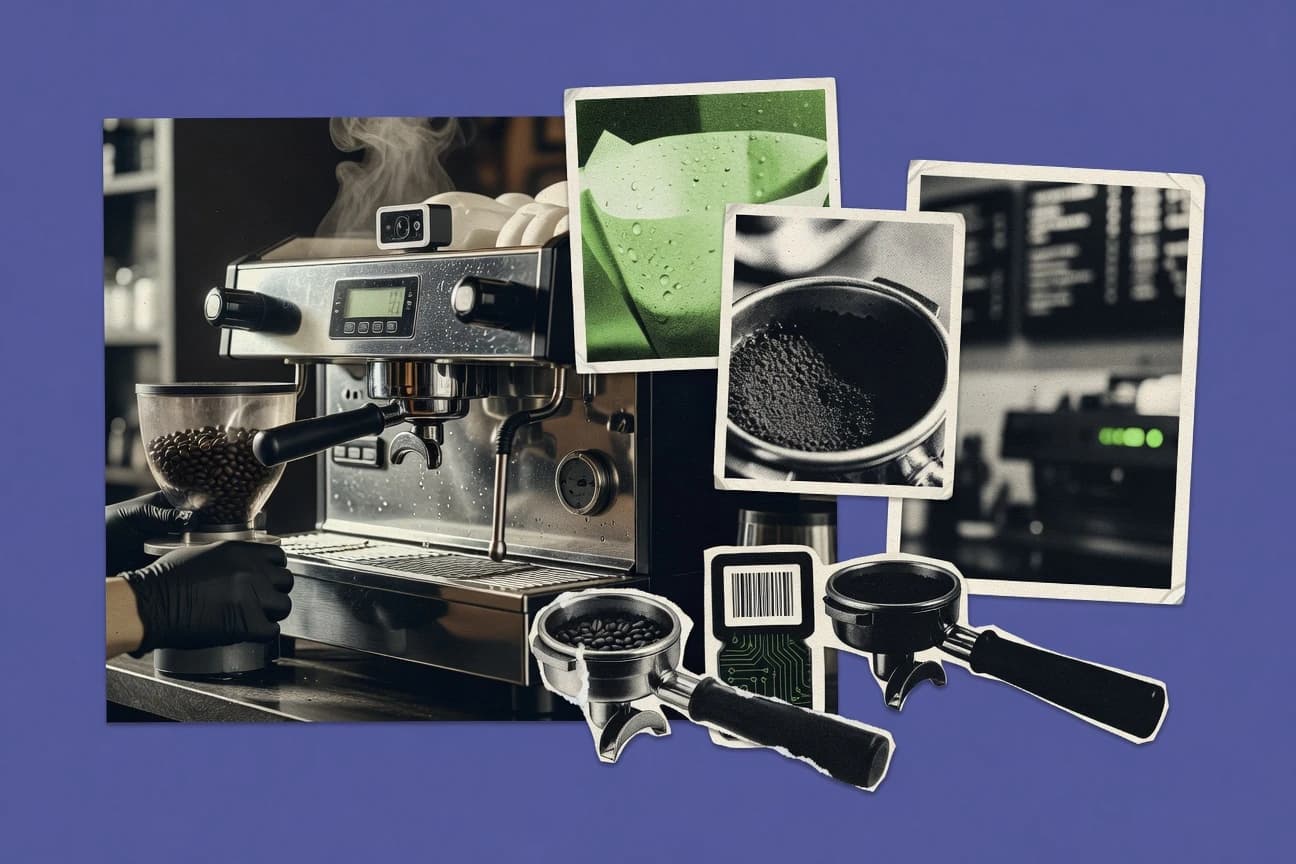
AI In The Coffee Industry Statistics
In 2025, AI is already shifting coffee industry decisions from gut feel to measurable outcomes, and the statistics on adoption and impact show where that change is most visible. The page puts current benchmarks side by side with where automation still stalls, so you can spot what AI will likely fix next and what it still cannot.
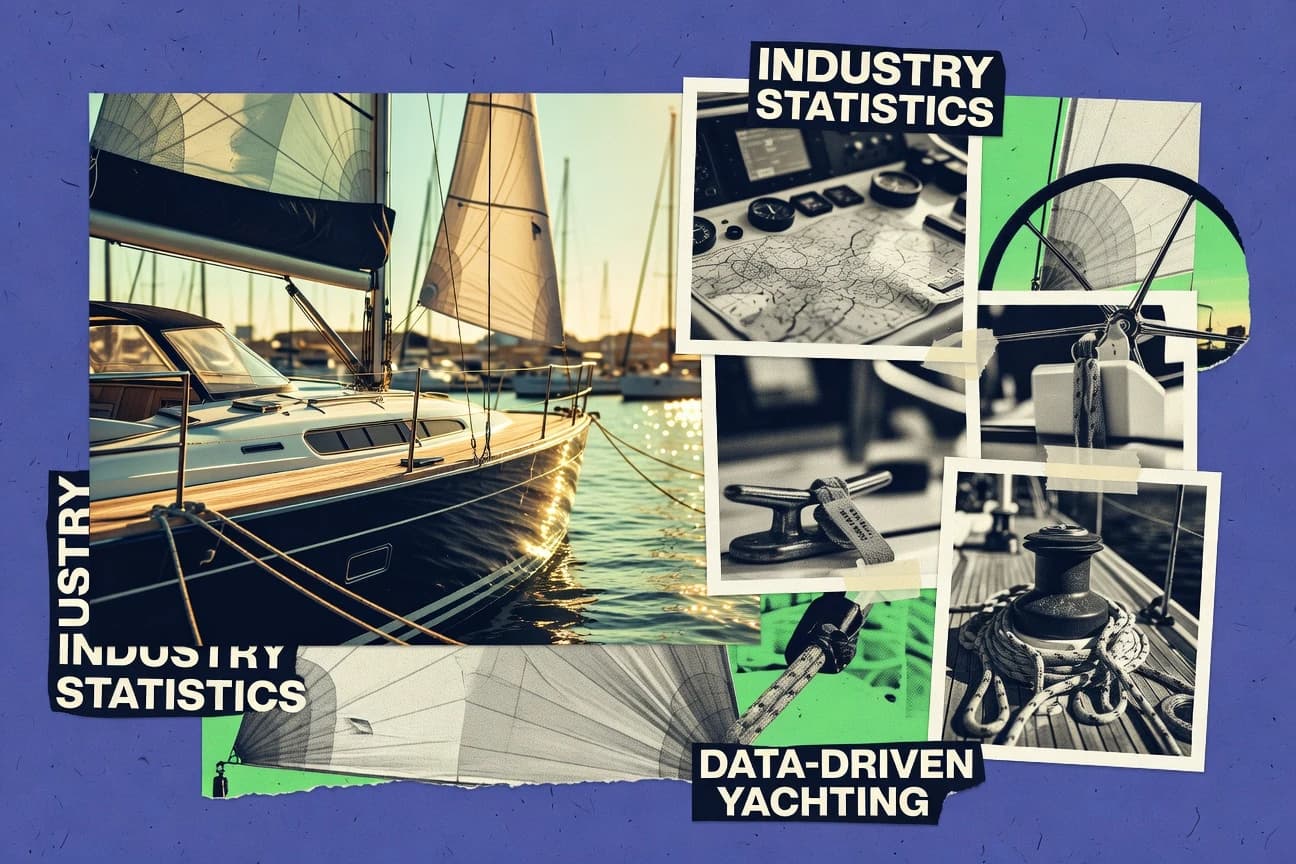
AI In The Yachting Industry Statistics
As 2025 figures begin to show a measurable shift in how AI is being adopted across yachting operations, the page pinpoints where automation is delivering real efficiency and where it is still stalling. The contrast between quick wins and stubborn gaps makes the statistics worth a read for anyone tracking whether AI is becoming a practical onboard tool or a future promise.

AI In The Green Industry Statistics
See how AI is reshaping sustainability work in 2026 with faster, more accurate decision making than traditional workflows, even as costs and compliance pressure rise. The page contrasts those gains with the hardest bottlenecks teams still face so you can judge where AI will actually deliver next.

AI In The Self Improvement Industry Statistics
In 2024, the U.S. consumer wellness market tied to mental wellbeing apps and services grew 4.8 percent year over year to $554.1 million, even as global digital therapeutic app revenue climbed to $12.1 billion and guided mindfulness apps reached $5.9 billion. Pair that financial momentum with evidence of measurable behavior change, from small-to-moderate depression and anxiety benefits to higher habit completion, and you will see why 71 percent of executives expect generative AI to reshape customer experience within 2 to 3 years.

AI In The Retirement Industry Statistics
Even as 34% of adults 65+ report using a chatbot or AI assistant in 2024, the biggest promise for retirees is showing up inside care and coverage, where 71% of healthcare workers say AI can improve patient outcomes and AI-assisted coding can cut labor time by 25% for key documentation tasks. Pair that with the practical stakes of fraud and claims friction, from 880,418 FBI Internet Crime complaints totaling $12.5 billion to industry surveys that find average 30% cost savings from AI and automation, and you get a clear picture of what is changing now and what retirees should watch next.
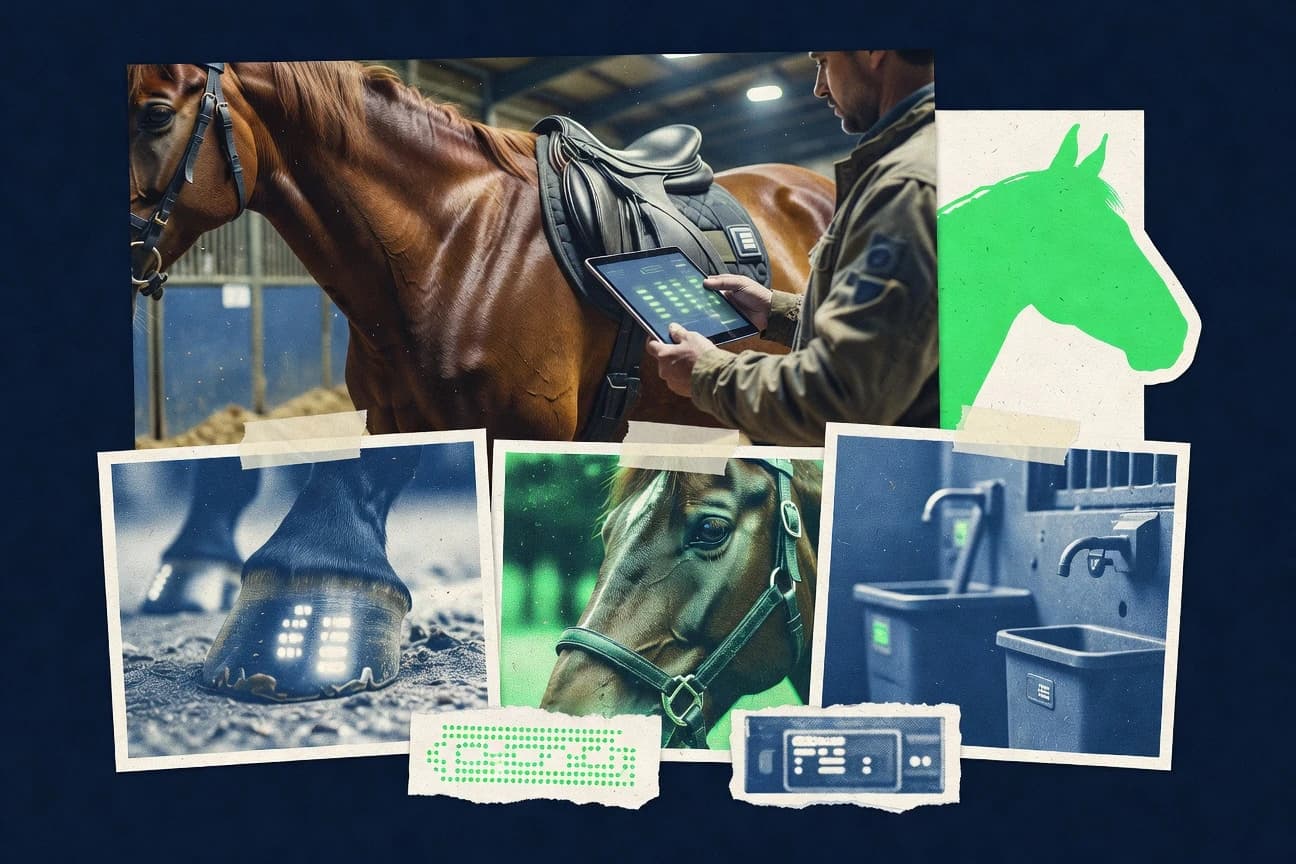
AI In The Horse Industry Statistics
See how AI adoption is reshaping horse operations, with standout 2025 figures showing a faster shift from experiments to real workflow use. The page also lays bare what that progress costs and who benefits, turning expectations into a clear before and after.

AI Email Security Industry Statistics
Email security spend is climbing and AI is moving from promise to process, yet phishing is still driving the initial break in 84% of social engineering cases and BEC losses hit $2.9 billion. See how targeted training and email controls can cut phishing by 99.9%, while organizations leaning on threat intelligence feeds and email security tooling are trying to stay one step ahead of credential theft.

AI In The Apartment Industry Statistics
As of 2025, AI is no longer just automating back office tasks in the apartment industry it is directly changing how leases are filled, issues are resolved, and operations are staffed. Read the page to see the biggest 2025 shifts side by side and find out where AI adoption is actually paying off versus where it is still stalling.
AI In The Cyber Security Industry Statistics
Even with the US cyber security insurance average topping $1.2 million per large firm, the AI cybersecurity market is projected to surge to $47.8 billion by 2030 as organizations report faster detection, fewer false positives, and major savings like $1.8 million avoided per breach with integrated threat intelligence. The page also connects the pipeline between cloud misconfigurations and managed SOC pressure, from 14% of breaches tied to cloud setup errors to SOC costs dropping 20% to 40% with AI assisted services.

AI In The Skincare Industry Statistics
AI tools are reshaping skincare faster than most brands can adjust, with 2025 data showing a sharp jump in how often AI is used for formulation, diagnostics, and personalized routines. If you have ever wondered whether the hype matches real adoption, these AI In The Skincare Industry statistics reveal the practical gaps between pilot programs and everyday consumer impact.
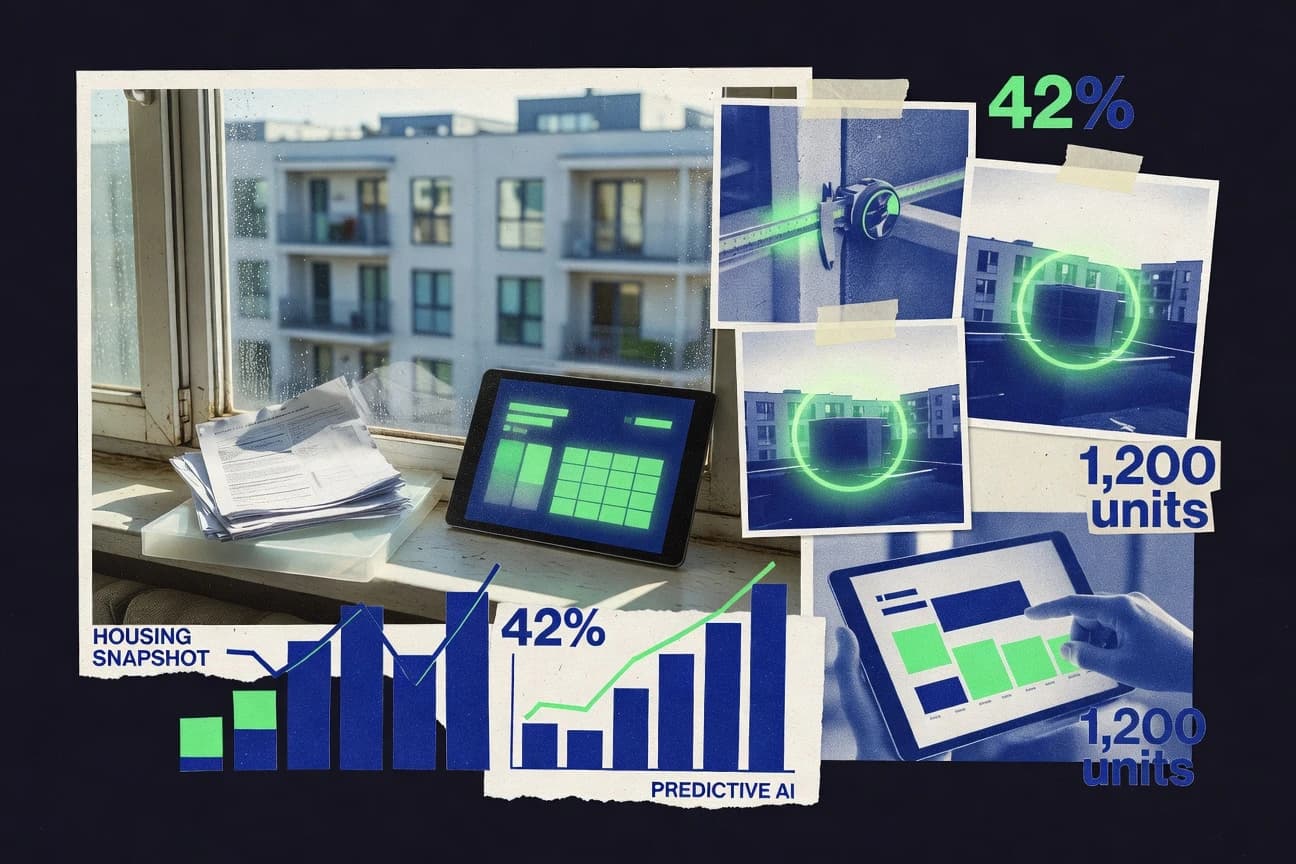
AI In The Housing Industry Statistics
See how AI is reshaping housing outcomes, from decision speed to cost pressure, with the latest 2026 figures showing a sharper shift than many forecasts anticipated. The page pairs concrete adoption metrics with real-world impacts so you can judge whether the promise is translating into measurable change.

AI In The Tax Preparation Industry Statistics
See how AI is reshaping tax preparation performance, with 2025 figures highlighting where accuracy gains and faster turnaround are actually showing up in day to day work. The tension is sharper than expected, because some of the biggest benefits arrive alongside new risk signals in how returns are reviewed and exceptions are handled.