
Market data
AI In Industry
Explore verified ai in industry statistics and market research reports with sourced data and trend analysis.
Latest update:
 Marcus Engström
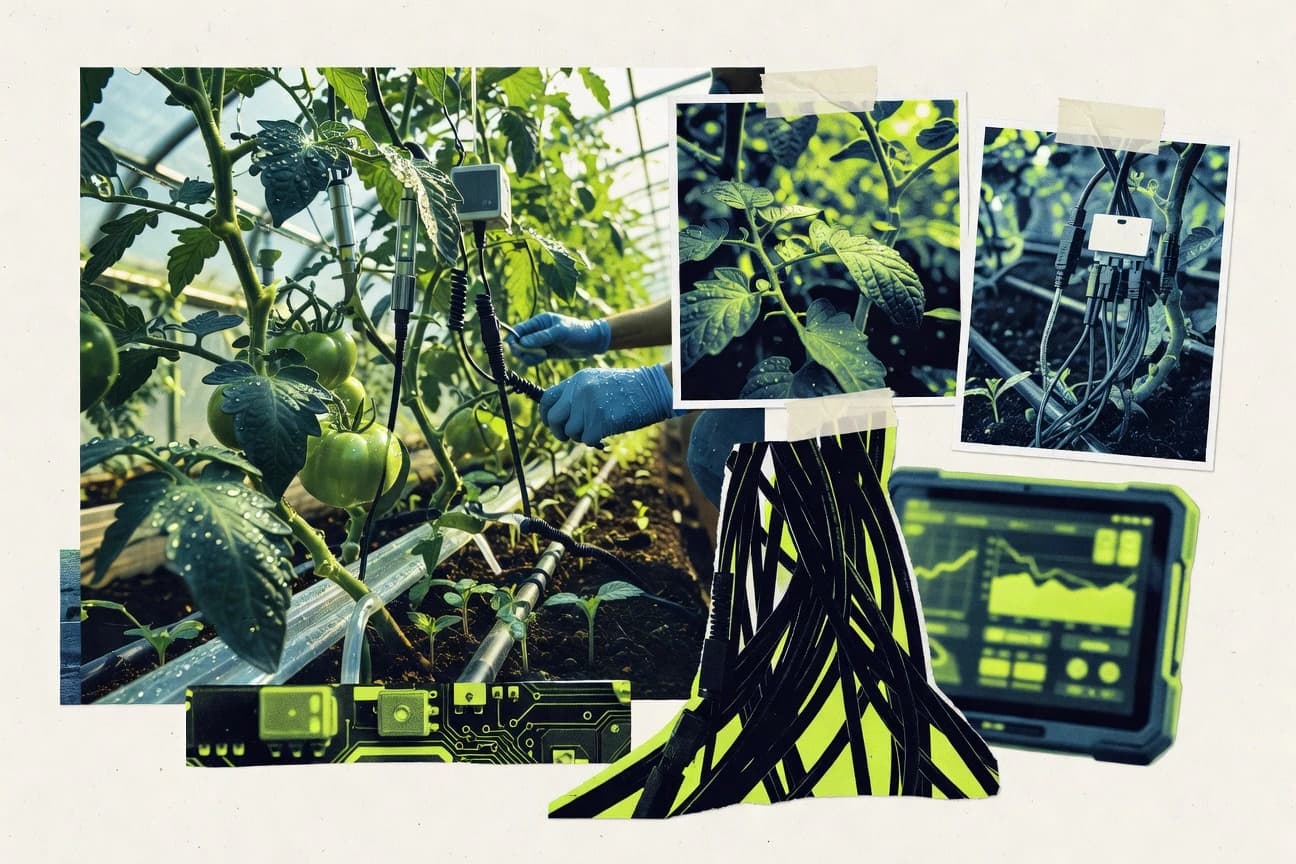
AI In The Horticulture Industry Statistics
As AI adoption accelerates across nurseries, growers, and greenhouses, the 2026 figures reveal where technology is delivering measurable gains and where it is still stalling. The page sets those breakthroughs against the ongoing constraints in labor, forecasting, and supply chain risk so you can see which use cases are worth scaling first.

AI In The Dental Industry Statistics
The global dental AI market is forecast to reach $3.2 billion by 2030 as studies show caries detection specificity around 0.86 to 0.88 and radiograph interpretation speedups up to 30%. Yet adoption still hinges on real-world friction like workflow integration, where 46% of healthcare organizations cite it as the biggest barrier, making this page essential for understanding both the performance and the path to deployment.

AI In The Hi Tech Industry Statistics
See how AI is reshaping high tech by turning “experimental” into measurable output, with 2026 momentum that signals what budgets and product teams are prioritizing next. The page pairs the latest adoption shifts with the cost and performance tension behind them so you can spot where the industry is speeding up and where it is still hesitating.

AI In The Health Insurance Industry Statistics
See how AI is reshaping health insurance performance in 2025, where automation is pushing claims workflows toward faster processing and fewer avoidable handoffs, while insurers still struggle to keep quality and compliance steady. This page puts the sharpest tensions side by side so you can understand what’s changing now and what risk remains before AI goes fully mainstream.

AI In The Restaurant Industry Statistics
Restaurants are sitting on a huge incentive set for AI right now, with $997.7 billion in global restaurant revenue in 2023 and a software backdrop growing toward $28.74 billion in global AI in retail, yet 80% of AI projects still fail to land fully. This page connects those stakes to what actually changes operations, from potential 20% less food waste with better forecasting and 15 to 20% higher order accuracy to the real-world cost and risk numbers that decide whether chatbots and automation earn their keep.

AI In The Credit Card Industry Statistics
See how AI is reshaping credit card risk and decisioning, with the latest 2026 signals pointing to faster, more precise underwriting than the industry was relying on before. The page pairs those performance gains with the real tradeoffs in approval behavior, fraud pressure, and model drift so you can judge what’s changing and what might be slipping.

AI In The Baking Industry Statistics
AI is already shifting bakery production from guesswork to measurable control, with computer vision quality inspection cutting scrap and rework by 20 to 50 percent and AI process control reducing temperature time errors by 30 to 60 percent. Meanwhile, executives still debate the jobs impact, but 60 percent say AI will create new roles rather than eliminate them, even as data quality blocks 35 percent of projects.

AI In The Accommodation Industry Statistics
Hotel operators are planning bigger AI bets for 2025 while guests already notice the difference, with 28% saying they would pay more for a more personalized stay. At the same time, data protection remains the pressure point, since GDPR penalties can reach 4% of annual global turnover and 74% of organizations expect tighter AI risk rules within 24 months.

AI In The Global Mining Industry Statistics
Mining is responsible for only 2.6% of global electricity use, yet the same industry is chasing double digit efficiency and recovery gains through AI energy optimization, grade control, and predictive maintenance, with major commercial momentum like a US$4.6 billion AI in mining forecast for 2024 and US$8.0 billion by 2030. This page pairs that upside with hard constraints like a 76% AI governance gap and higher cyber risk, plus 2.7 times higher tailings dam failure probability in extreme rainfall, so you can see where AI pays off and where it can quietly add exposure.

AI In The Travel Agent Industry Statistics
Travel agents are being reshaped by AI at a pace that shows up in the latest 2025 and 2026 figures, with automation gains colliding against customer expectations for speed and personalization. Read these statistics to see where efficiency is actually improving bookings and where it is straining trust.

AI In The Securities Industry Statistics
From $6.5 billion in global AI spend in financial services to 3.0x faster AI based analytics in wealth operations, these securities focused stats show where AI is already paying off and where it still costs time, risk, or money. You will see how model governance, bias remediation, and compliance monitoring moved from pilot to production, alongside the hard security and oversight gaps that can make or break real world deployment.
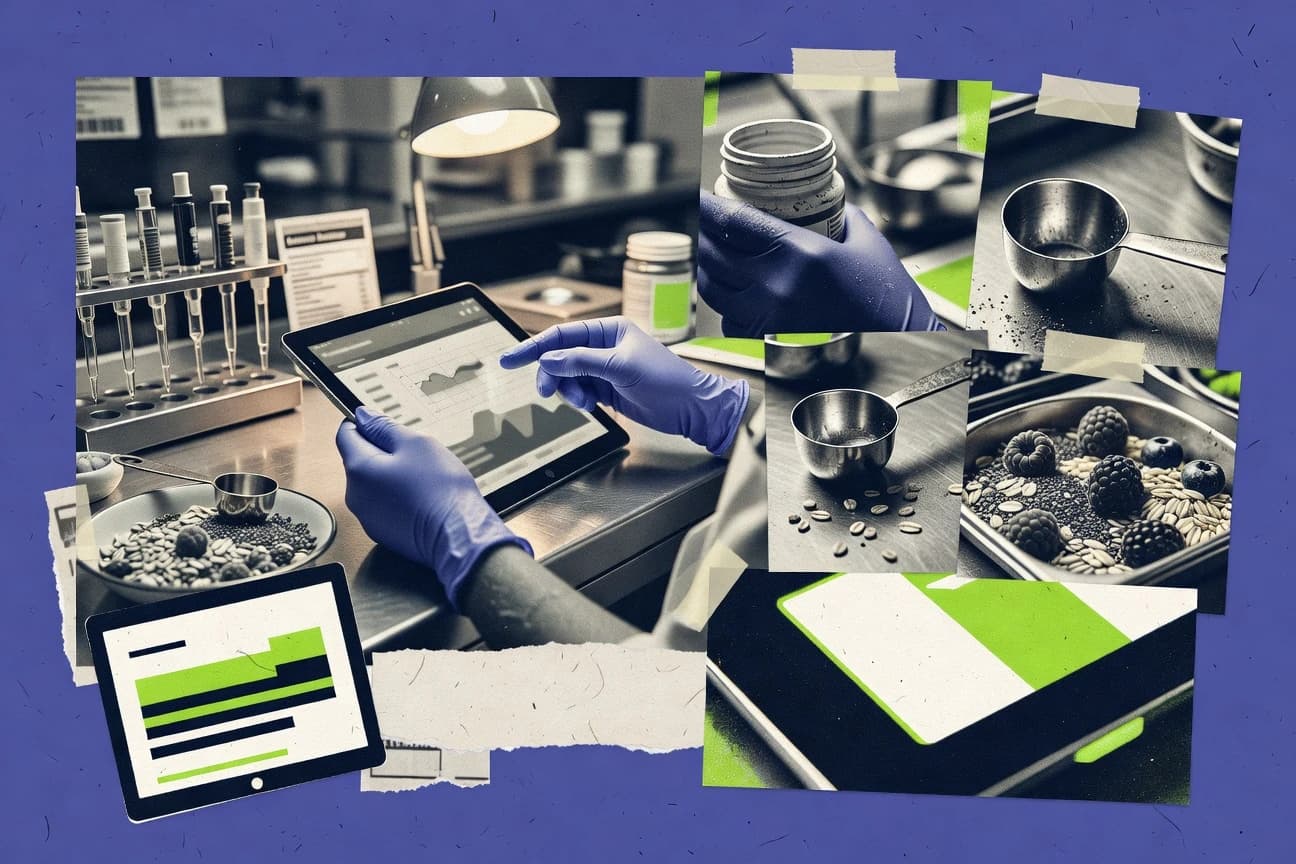
AI In The Nutrition Industry Statistics
See how AI is reshaping nutrition decision making, from supply chain timing to the way recommendations are generated and checked. The most up to date figures in this AI in the nutrition industry statistics page show a sharp shift in adoption and measurable operational impact, making it worth reading before the gap widens between what’s promised and what’s delivered.
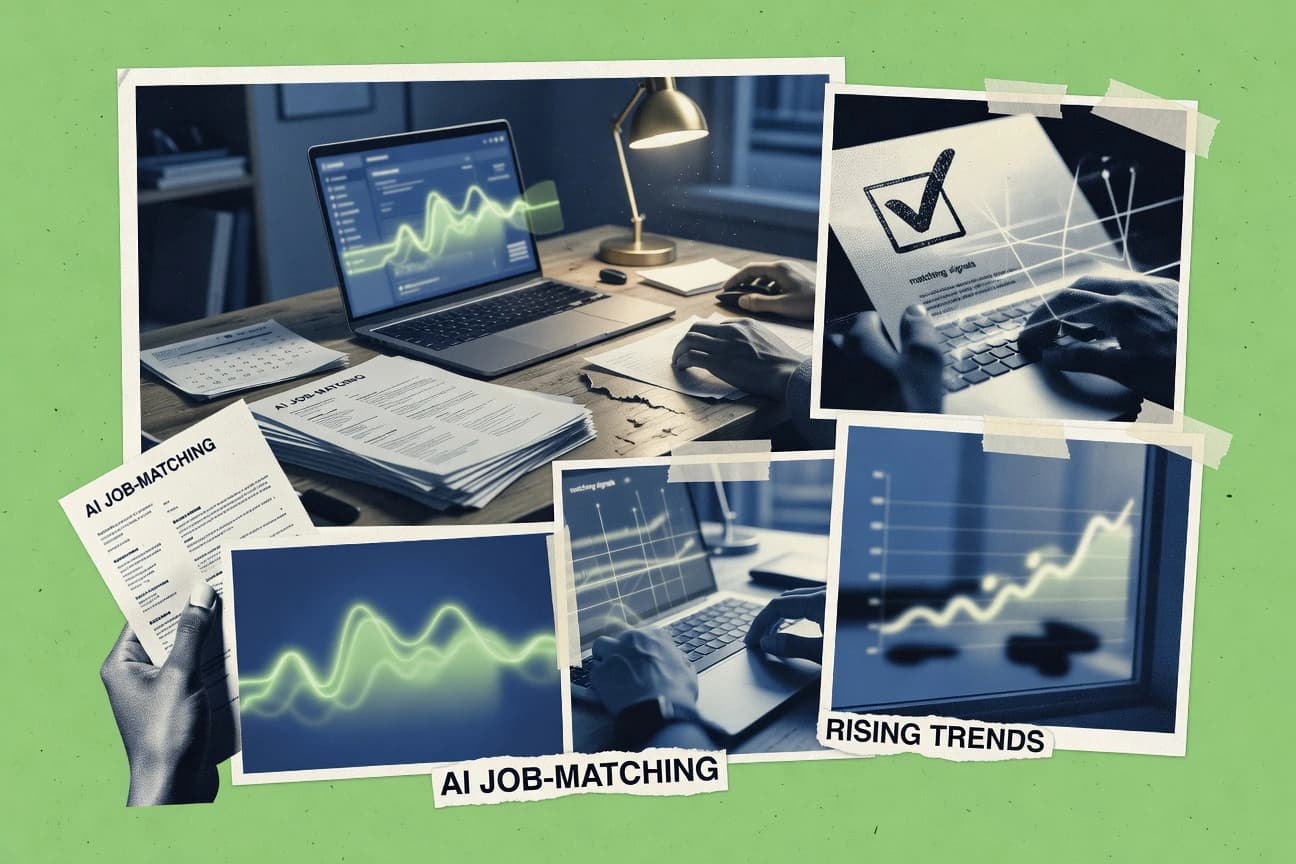
AI In The Job Industry Statistics
Worldwide AI software revenue is up 35% year over year in 2024 to about $14.5 billion, while hiring processes are still facing a trust gap, with 69% of job seekers worried AI screening could be unfair if it is not properly checked. This page connects the policy and compliance reality of EU “high risk” employment AI to measurable workplace outcomes like a 43% faster time to hire and shows why recruiters are racing ahead even as workers question whether automation will replace them.
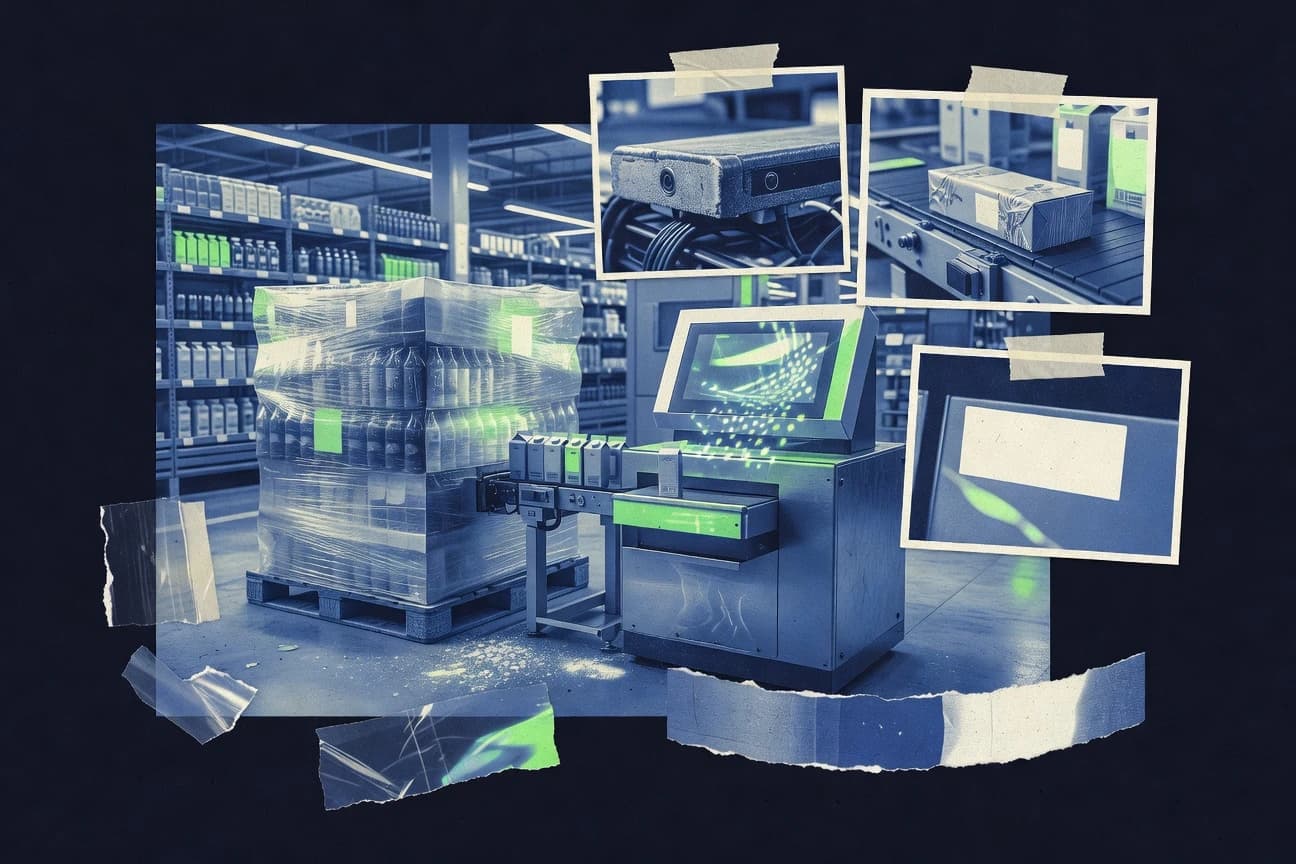
AI In The Cpg Industry Statistics
CPG leaders are betting on an AI edge, with 73% of executives expecting competitive advantage and 80% of customer service organizations forecast to use at least one generative AI capability by 2026, while shoppers increasingly reward personalization with 35% more likely to buy. The page connects that pressure to hard operational wins across support, supply chain optimization, and retail analytics, so you can see where AI adoption is accelerating and where regulation and ROI still create friction.
AI In The Consumer Product Industry Statistics
Consumer product leaders are steadily shifting how AI shows up in real operations, with 2026 benchmarks revealing which use cases are moving from experiments to measurable performance. Read these statistics to see the gap between flashy pilots and what actually scales, plus the tradeoffs that emerge when budgets, supply chains, and customer expectations collide.

AI In The Meal Kit Industry Statistics
AI is already reshaping meal kit profit and customer experience, from reducing customer service costs by up to 30% and cutting pricing errors by as much as 20% to lowering warehouse energy use by 10 to 20%. With US revenue estimated at $2.6B in 2019 and rising through online grocery and meal kit demand, the more surprising signal is how adoption is surging while data quality remains a hidden bottleneck with up to 30% of revenue at risk.

AI In The Global Financial Industry Statistics
AI is already reshaping global finance, with 2025 figures showing how quickly adoption and operational impact are moving from pilots to measurable outcomes. The page pulls the clearest contrasts across investment, risk, and productivity so you can see where AI delivers fastest and where it still creates friction.

Gen AI Industry Statistics
Gen AI industry benchmarks are moving faster than the hype, with 2026 projections showing where spending, adoption, and hiring are actually concentrating next. Get the clearest snapshot of the shift, using the latest figures to separate near term momentum from what quietly stalled.

AI In The Tech Industry Statistics
See how AI is reshaping tech work in 2025, with adoption rising even as budgets and governance tighten. If you want a grounded read on what is actually changing behind the rollout headlines, these stats make the tradeoffs impossible to ignore.

AI In The Elearning Industry Statistics
With 43% of organizations now planning to use generative AI for learning and development in 2024, the AI education market is simultaneously swelling from $8.1 billion in 2023 to a projected $18.6 billion in 2024, even as classroom outcomes keep ticking up. This page connects the scale of adoption to hard learning effects like a 24% cut in time to competency and a 38% drop in instructor grading time, so you can see where AI actually changes the workflow and where it is still catching up.