
Market data
Upskilling And Reskilling In Industry
Explore verified upskilling and reskilling in industry statistics and market research reports with sourced data and trend analysis.
Latest update:
 Margot Villeneuve

Upskilling And Reskilling In The Home Improvement Industry Statistics
Home improvement upskilling is forecast to drive a $2.1B economic boost by upskilling 1M workers by 2025, while every $1 spent on reskilling returns $4.70 in sector GDP. You will see how digital safety and green programs cut downtime, reduce overruns, and turn skills gaps into measurable output gains, plus why the market is moving fast enough that 75% of jobs will require digital reskilling by 2030.
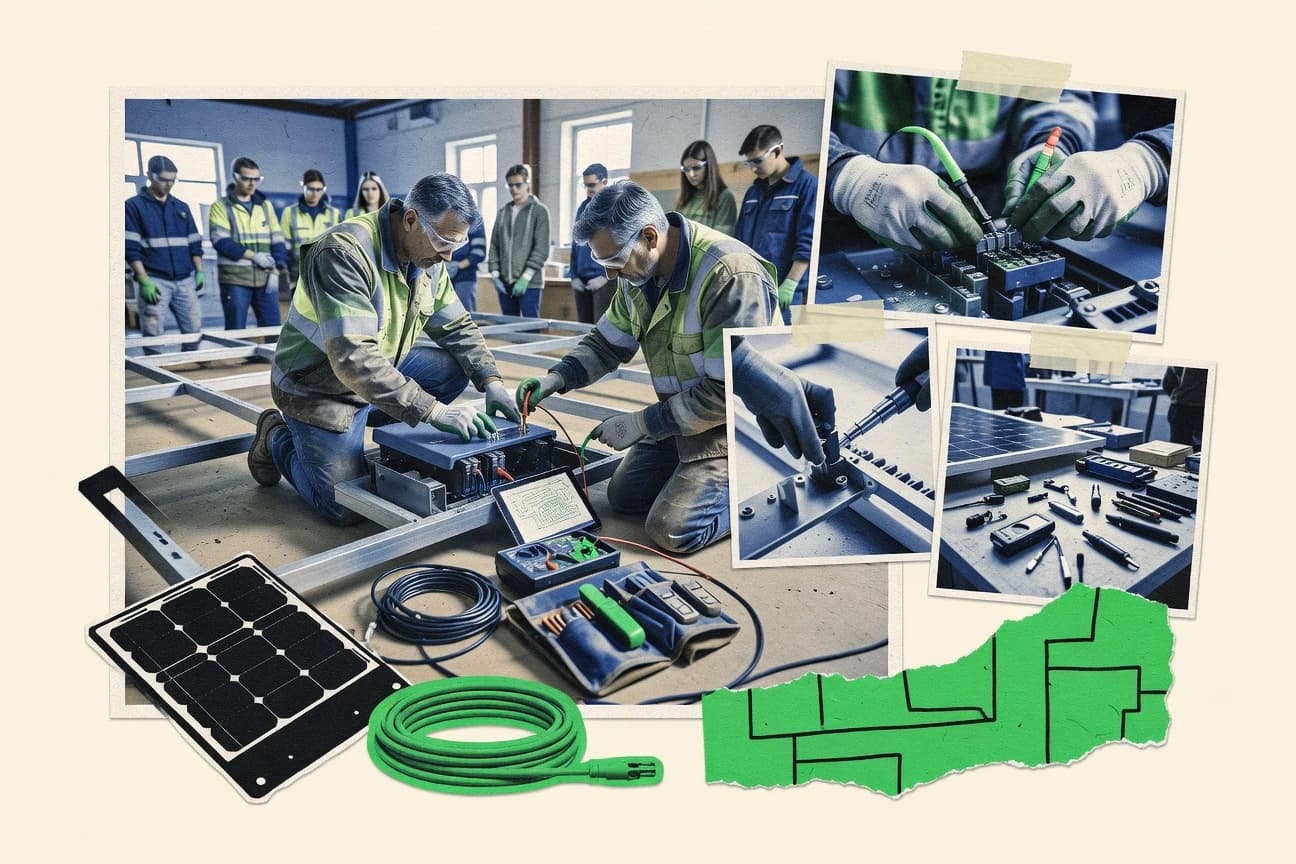
Upskilling And Reskilling In The Solar Industry Statistics
With 58% of U.S. solar workers saying they need extra training to keep up with technology and 41% of employers struggling to fill advanced digital skill roles, this page makes the shift clear from installing panels to proving grid compatibility, documentation, and electrical safety. It also stacks the case for reskilling at scale, from 173,000 U.S. solar workers in 2023 to training backed results like 4.2 times higher promotion rates after job relevant instruction.

Upskilling And Reskilling In The Medical Device Industry Statistics
Even with medical devices getting more connected, a major share of firms are still stalled by training gaps, including 66% of medtech SMEs struggling to reskill on budgets under $500K and 53% held back by regulatory uncertainty. See what it takes to close the skills mismatch, where 57% face time limits and how targeted programs are starting to cut time to market and boost productivity.
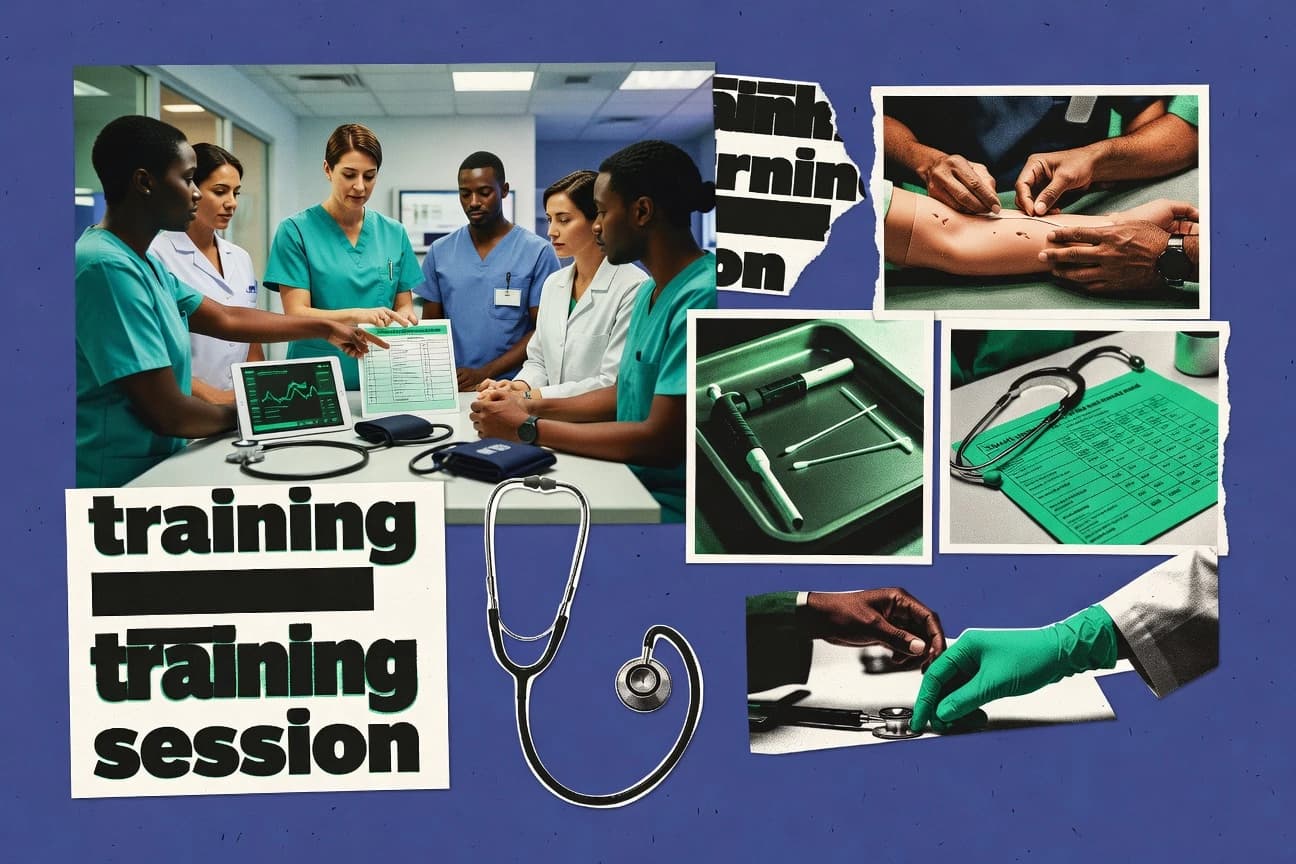
Upskilling And Reskilling In The Medical Industry Statistics
Healthcare upskilling is no longer a “nice to have” when the credential based attacks cost an average $4.6 million and clinical decision support and cybersecurity markets are surging, while 67% of physician organizations still train on EHR use only annually. This page turns those tensions into a practical workforce roadmap, showing where skills gaps are accelerating, how structured and simulation based training measurably improves clinical outcomes, and which roles are projected to expand fastest through 2032.

Upskilling And Reskilling In The Cleaning Industry Statistics
Training is becoming a deciding factor in cleaner workplaces, with 57% of US employers reporting formal training programs and 38% boosting training as skills change. At the same time, injury and risk remain stubbornly tied to cleaning realities while automation pressure grows, shown by 0.47 estimated task automation probability and the need for safer, smarter reskilling.

Upskilling And Reskilling In The Adult Industry Statistics
With 62% of organizations increasing learning and development investment in 2024, this page weighs how fast companies are building adult reskilling pipelines against the stubborn reality that 43% of US employers still can’t fill roles due to a lack of skilled applicants. From mentoring-backed performance gains to the cost barrier stopping 26% of EU adults, the statistics reveal where upskilling is working and where it’s quietly falling short.

Upskilling And Reskilling In The Energy Industry Statistics
With clean energy investment pushing a 2.0 trillion dollar global clean energy bill in 2023 and solar plus wind concentrating the renewable workforce, the real question is who will have the skills fast enough. The page ties together the hard cadence of change, from 6% of workers’ skills projected to be replaced by 2027 to major job growth in electrician, solar, and wind roles, so you can see exactly where upskilling and reskilling efforts need to land.
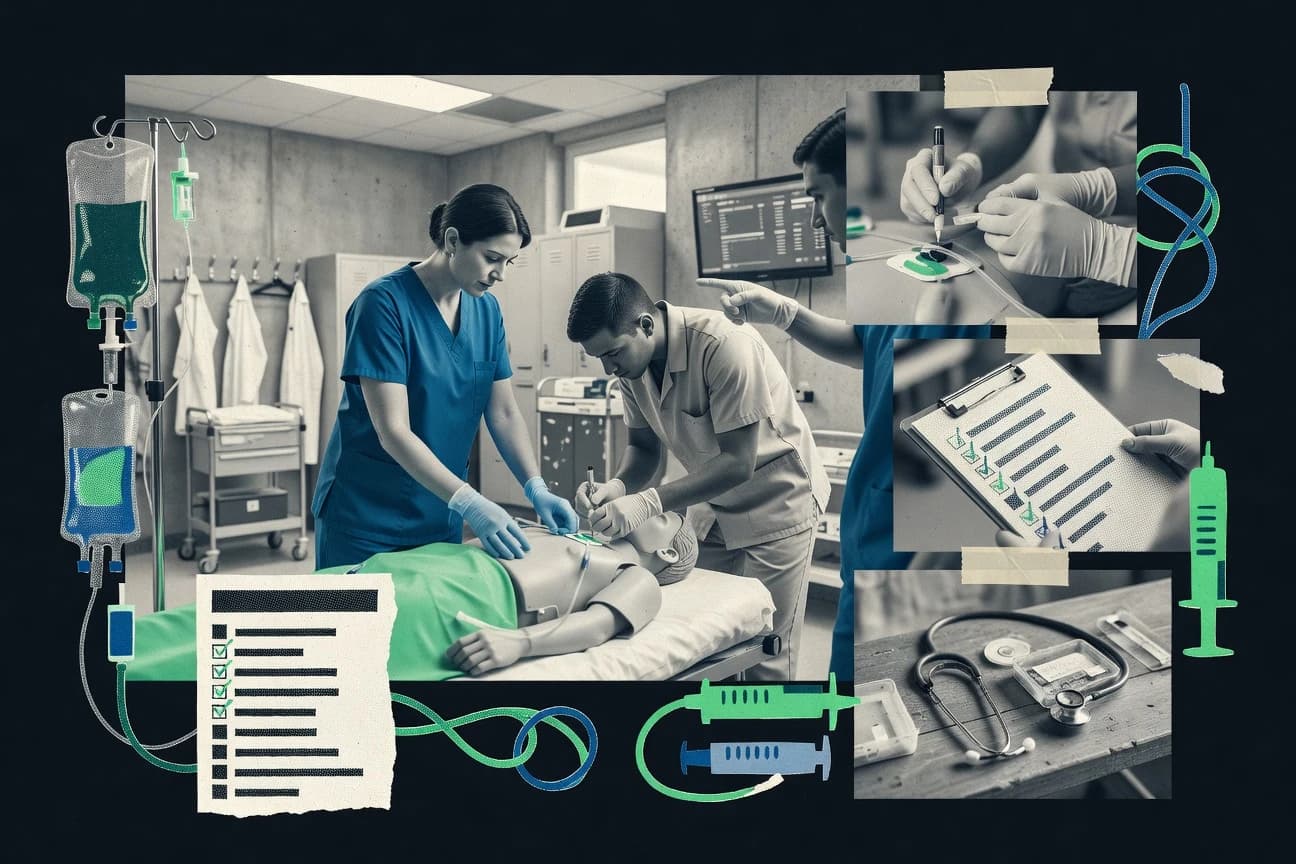
Upskilling And Reskilling In The Healthcare Industry Statistics
Healthcare is projected to grow in demand for trained people while technology and safety pressures accelerate the need to reskill fast, with the digital health market forecast to reach a 23.3% CAGR to 2030 and U.S. physician shortages projected at 54,000 by 2033. This page connects the dots between workforce gaps, simulation and patient safety evidence, and rising digital and cyber training needs so leaders can plan learning that actually closes the clinical and informatics skills gap.

Upskilling And Reskilling In The Renewable Energy Industry Statistics
Seven in ten executives say workers’ skills make or break business outcomes, while clean energy buildout keeps jumping, with global solar additions reaching 447 GW in 2023 and clean energy jobs projected to rise by 14 million by 2030. This page pulls together the workforce figures behind those targets and links them to what upskilling and reskilling actually need to look like, from apprenticeships and simulation training to the hiring pressure coming from solar installers, wind turbine technicians, and grid upgrades.

Upskilling And Reskilling In The Pharma Industry Statistics
By 2030, 25% of global pharma workforce roles are expected to face major task shifts from automation, so capability planning can no longer lag behind the shop floor. The page ties that pressure to how teams are actually building compliance ready skills, from $4.2 billion in 2024 life sciences corporate training spend to simulation driven cuts in training time and rising use of learning analytics, so you can see what it will take to keep qualification, data integrity, and validation training moving at pace.

Upskilling And Reskilling In The Freight Industry Statistics
Half a year’s momentum is visible in the freight skills gap, with 44% of US companies creating new positions that require reskilling while 2.0 million job openings for transportation and material moving roles signal hiring pressure that training has to meet now. You will also see why safety, pay, and AI enabled learning are all tied together, from 76% of employers saying safety training reduces injuries to forecasts of faster AI adoption and the pay stakes that decide whether transitions from truck driving to logistics are worth it.
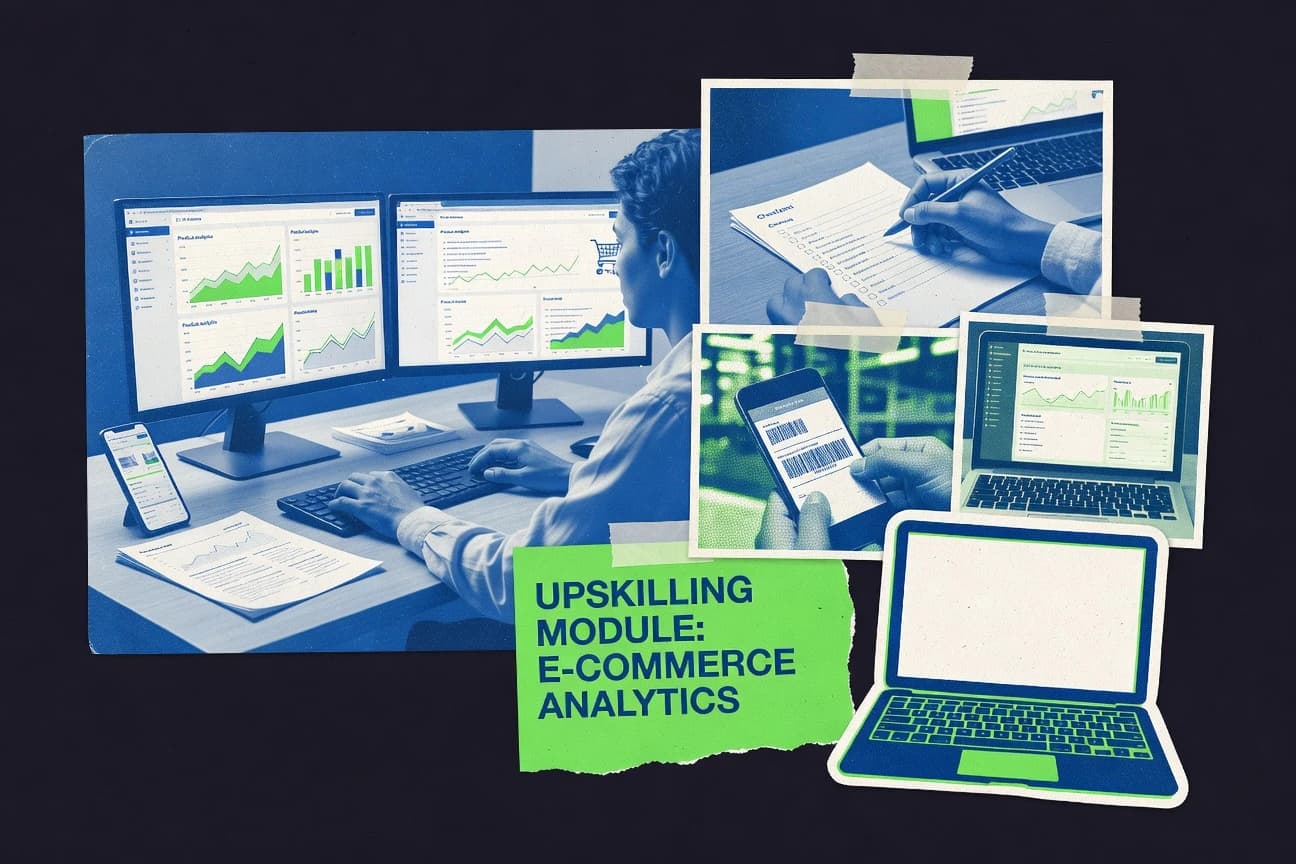
Upskilling And Reskilling In The Ecommerce Industry Statistics
Retail and eCommerce hiring now demands digital capability with 28% of postings requiring it, yet only 54% of companies are preparing employees to pick up new skills in the next 1 to 2 years. See how training is scaling from short microlearning that lifts completion to faster onboarding and measurable performance gains, alongside the $2.0 trillion reskilling and upskilling forecast by 2025.

Upskilling And Reskilling In The Health Care Industry Statistics
With 51% of healthcare organizations seeing ransomware impact in 2023 and 38% reporting ongoing gaps in patient safety training, the case for reskilling is suddenly urgent and very measurable. At the same time, the demand is still outpacing supply, from 5.1 million healthcare and social assistance job openings in 2022 to a forecast of 2.2 million new healthcare support jobs by 2032, making skills upgrades in safety, workflows, and digital tools the difference between staffing pressure and patient outcomes.
Upskilling And Reskilling In The Staffing Industry Statistics
With 6.8 million additional EU jobs expected to require training upskilling by 2030 and U.S. staffing spending climbing as employers push for measurable impact, this page connects workforce learning to the staffing reality of faster placements, retention, and ROI. You will also see how 44 percent of organizations plan to increase training and reskilling spending in 2024 while 38 percent already use learning analytics and benefits data shows why reskilling is becoming a cost and performance lever, not a nice to have.

Upskilling And Reskilling In The Beauty Industry Statistics
With 5 percent barber employment growth projected from 2022 to 2032 and 17 percent growth for skin care specialists, the U.S. beauty workforce is being pulled toward faster skill refresh than many training plans are built for. Add in 57 percent of U.S. adults buying beauty, skin, and hair products monthly and growing demand for updated chemical safety, SPF and product education, and bite sized digital learning, and you get a clear reason to read this page before your next client question, tool change, or trend shift outpaces your skills.

Upskilling And Reskilling In The Bicycle Industry Statistics
With electric bicycle sales up 20% in 2023, the page tracks why hiring pressure and compliance demands are forcing faster repair, safety, and digital skill pathways across shops, workshops, and manufacturing. It also connects labor-market churn and record vacancy volumes to the scale of training investment, showing what upskilling and reskilling really look like when the gap is not just technical but regulatory and measurable.

Upskilling And Reskilling In The Promotional Products Industry Statistics
Promotional products businesses are feeling the skills gap firsthand, with 38% of global firms saying workforce skills are a major constraint to growth, yet structured reskilling can cut turnover by 6.5% and raise productivity by 10%. See how training in practice pays off, including a 3.2x higher likelihood of wage growth for workers who complete employer training and new digital delivery trends where 27% of training hours now come through online formats.

Upskilling And Reskilling In The Automotive Industry Statistics
With 48% of workers saying they need training to be ready for AI enabled change, and the global automotive training services market forecast to reach $6.8 billion by 2025, this page connects what automation threatens to what reskilling can actually deliver across vehicle software, manufacturing, and connected systems. You will see why 89% of organizations report skill gaps hurting performance and how frequent training and better learning analytics are becoming the difference between falling behind and keeping production and security moving.

Upskilling And Reskilling In The Food Manufacturing Industry Statistics
Food manufacturers are betting on skills-based hiring, with 82% planning to use it for at least some roles, even as 70% of employers struggle to find workers with the right skills. The page connects that gap to hard outcomes, from training-driven safety and productivity gains to market forecasts and injury and compliance pressures shaping exactly what upskilling and reskilling must deliver next.

Upskilling And Reskilling In The Telecommunications Industry Statistics
Half of telecom skills in network engineering could become obsolete by 2025 without upskilling, while cybersecurity, cloud native, and edge capabilities are already lagging across the workforce. This page puts the most urgent gaps side by side with the real training ROI, showing why reskilling is quickly turning from HR priority into network performance and deployment speed.