
Market data
Mental Health Psychology
Explore verified mental health psychology statistics and market research reports with sourced data and trend analysis.
Latest update:
 Helena Kowalczyk

Native American Mental Health Statistics
Only 12% of American Indian and Alaska Native people with mental illness get treatment, even though many live more than 100 miles from the nearest provider and face long waits of 6 to 8 weeks. You will also see how higher rates of depression and anxiety, trauma carried across generations, and barriers like stigma, broadband gaps, and staffing shortages shape both everyday care and suicide risk.

Alcohol Addiction Statistics
Alcohol addiction is not just about drinking more. In the U.S., 29.5 million people age 12 and older had alcohol use disorder in the past year, and the odds swing dramatically with biology, trauma, and early exposure, from a 4x lifetime risk tied to starting before 15 to withdrawal seizures in 5 to 15 percent of untreated cases.

Teen Ocd Statistics
Severe teen OCD rarely stays “pure” which is why 41% of teens with OCD also have ADHD and 42% have social anxiety, turning daily rituals into a school and friendship problem. This page brings the most current teen rates into sharp focus, including a suicide attempt rate 10 times higher than the general population and treatment gaps like a 40% high school dropout risk when OCD goes untreated.

Black Women Mental Health Statistics
Only 31% of Black women with mental illness get any treatment, even as 60% face insurance barriers and appointments take 28% longer, while mistrust from past discrimination keeps care out of reach. This page connects anxiety, depression, PTSD, and suicide risk to real access gaps and stressors like stigma, rural travel, and microaggressions, including 40 to 50% postpartum depression and rising depression during COVID.

Eating Disorder Treatment Statistics
If stigma and insurance delays are pushing people to wait over 2 years, you can see how 67.3% of individuals with an eating disorder are stalled for far too long, with denial hitting 54.2% of severe anorexia inpatient admissions. This page pairs those access barriers with hard reality like $30,000 per month residential treatment and average 4.7 month public clinic wait times, then challenges dropout and relapse risks with recovery outcomes that show why getting help early changes everything.

Transgender Suicide Rate Statistics
Current findings show trans people experience dramatically higher suicide risk than the general public, with USTS 2015 reporting a lifetime attempt rate of 40.4% for transgender respondents and 51% past year ideation for cis people at 4.0% versus 51% for trans. The page connects those outcomes to real-world patterns across countries and contexts, including low-support family environments and post surgical risk, so you can see why ideation and attempts are not isolated events but outcomes shaped by conditions and access.

Depersonalization Disorder Statistics
Find out how DSM 5 diagnosis can hinge on measurable distress and reality testing that stays intact in 98% of cases, while CDS 30 scores above 70 flag DPDR with 84% sensitivity and 68% of fMRI studies point to temporal lobe hypoactivation. You will also see why prevalence is roughly 1.7% globally and which sensory and memory distortions, from eye and heartbeat accuracy to altered REM patterns, most reliably separate depersonalization from look alike conditions.

Antisocial Personality Disorder Statistics
ASPD affects about 3.0% of people globally and 3.7% of men versus 1.6% of women in the US, yet it concentrates even more intensely around substance dependence, with 92% of lifetime ASPD cases linked to substance use disorder and odds as high as 13.0 for ASPD with substance use comorbidity. You will also see how this pattern shifts across settings and traits, from 47 to 64% in prison to near total overlap with nicotine dependence at 85%, plus the specific symptom profile that defines deception, impulsivity, and lack of remorse.

Suicide From Bullying Statistics
Cyberbullying has surged into life and death stakes, with a 2022 meta-analysis finding it tripled suicide risk for ages 13 to 18 and a 2023 Thorn survey reporting 17% of 12 to 17 year old victims had suicidal thoughts. Suicide From Bullying gathers the sharp, uncomfortable patterns behind who is most at risk and which interventions actually reduce attempts.

Mood Disorder Statistics
From 2020 to today, mood disorders hit with staggering scale and severity, including major depression affecting 264 million people worldwide in 2020 and sleep disruption in 80 to 90% of depressed patients. You will also see how specific symptoms flip the picture across diagnoses, like grandiosity in 72% of acute bipolar I mania and executive-function cognitive impairment lingering in 40% of remitted depression, alongside risks like suicidal ideation in up to 70% of untreated depression.

Untreated Mental Illness Statistics
Every year, untreated mental illness costs the US $193.2 billion in lost earnings and drains global productivity by $1 trillion through depression and anxiety, while the US also racks up $122.7 billion in criminal justice costs for untreated serious mental illness. The page tracks what that missed care becomes across health, work, and suicide risk, including US untreated depression at $44 billion annually in medical costs and a shocking pattern where people without treatment face sharply higher heart disease, dementia, and mortality rates.

Asian American Mental Health Statistics
In 2021, only 22% of Asian Americans with suicidal thoughts got help, even while 8.1% received mental health treatment compared with 19.2% nationally. From therapy access barriers like language and stigma to care shifts such as a 300% rise in telehealth visits during COVID 19, these 2025 and most recent figures clarify exactly where support is falling through and who it reaches least.

Remote Work Mental Health Statistics
A single year of working from home has left 41% of remote workers newly diagnosed with clinical depression after the transition, alongside a 29% jump in burnout that reaches 6.8 out of 10 on the Maslach scale. This page maps how loneliness, workload blur, and virtual strain collide across roles from teachers to IT and executives, so you can see what to watch for before it hardens into chronic stress.

Postpartum Mental Health Statistics
Untreated postpartum depression can raise child emotional and behavioral risks sharply, including a 2.5-fold jump in behavioral problems, 1.5 times higher insecure attachment, and 1.6-fold long term ADHD risk, while maternal suicide contributes to 20% of postpartum deaths. This page pairs that urgency with current prevalence and risk patterns, including postpartum depression affecting about 17.22% of women globally, and it highlights what helps, from screening plus treatment that can halve chronicity risk to therapies that can cut symptoms within weeks.

Veterans Depression Statistics
Seven percent of U.S. veterans screened positive for depression across Oct 2019 to Sep 2021, yet many never reach specialty care, with 61% of VA outpatients with depression symptoms not in specialty mental health in a 2019 study. Use this page to connect the dots between depression, PTSD, treatment delays, and real world outcomes like suicidal ideation and suicide risk, including 3,000,000+ 988 contacts in 2023 and 183,000 veterans served through PTSD and depression specialty clinics in FY2023.
Youth Substance Abuse Statistics
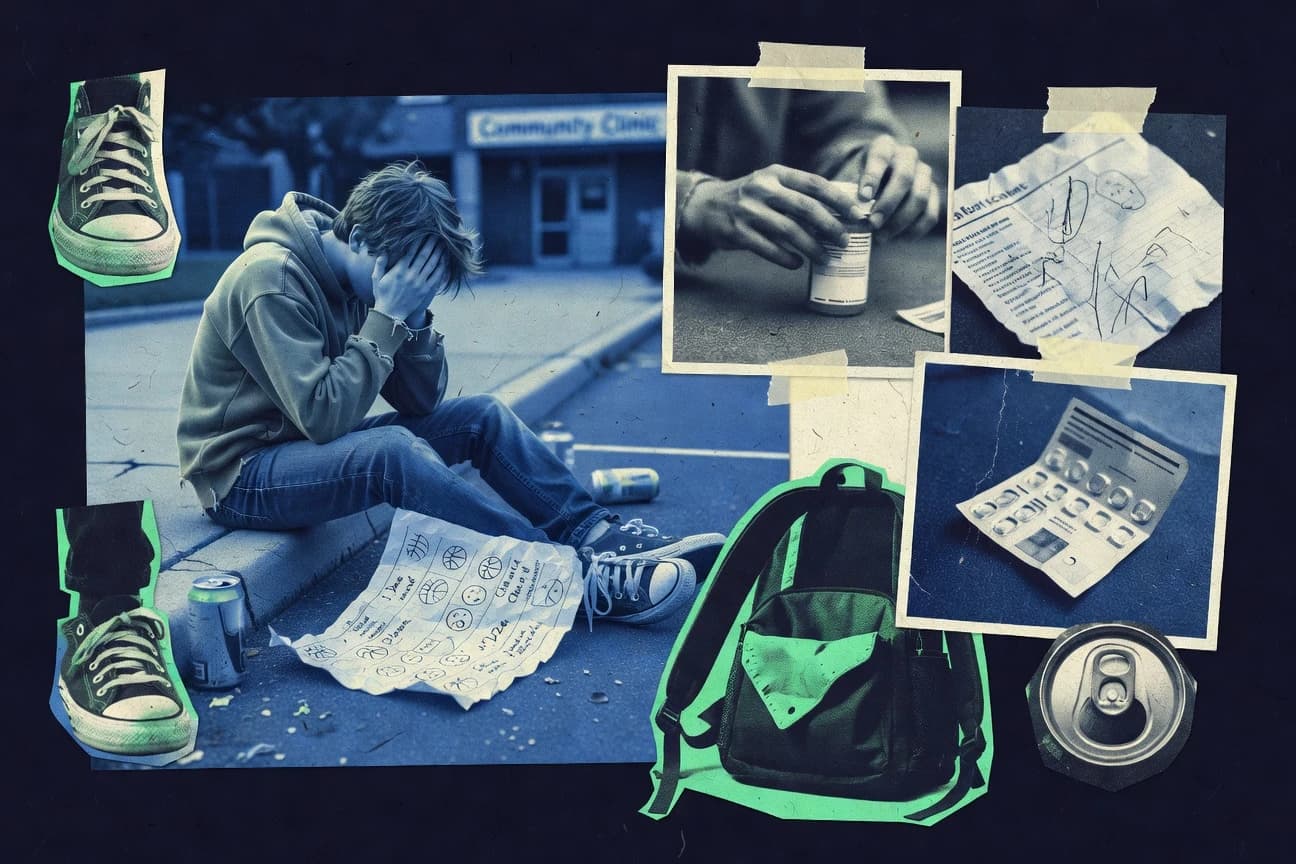
Six thousand plus SAMHSA certified adolescent residential treatment facilities were listed in 2024, yet only a small share of youth with substance use disorder actually reaches specialized specialty providers, while overdose deaths among ages 0 to 19 reached 16,225 in the CDC’s most recent provisional count. This page pairs hard youth substance use prevalence figures with evidence based options like motivational interviewing and multisystemic therapy, so you can see both what is happening and what works.
Ptsd In War Veterans Statistics
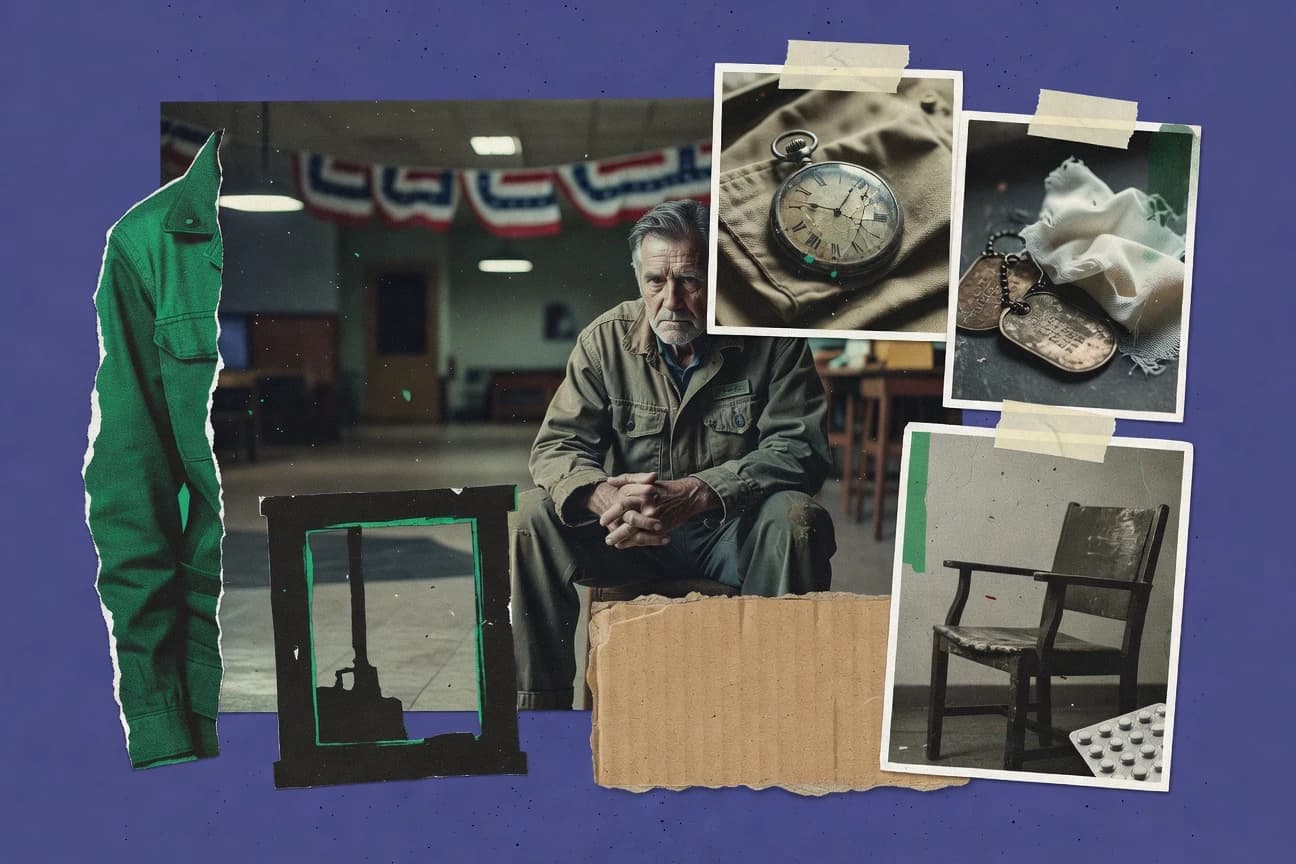
Even with 56% of U.S. veterans with PTSD reporting they needed mental health care but did not receive it in the past year, the impacts keep stacking up, including $47.9 billion in estimated annual PTSD costs across the U.S. and major gaps in guideline treatment within VA care. This page connects what veterans report and what systems deliver, then contrasts it with what evidence-based therapies can achieve, so you can see exactly where the break in care happens and why it matters.

Black Youth Mental Health Statistics
Black adolescents who needed mental health care often went without it at 20.7% for 2019 to 2021, while stigma, discrimination, and a stressed workforce keep care out of reach. From workforce shortages to funding gaps and rising psychiatrist workload, this page puts hard figures behind what Black youth and families face, including 4,546 outpatient Mental Health HPSAs as of 2024.

College Mental Health Statistics
With 15% of students using campus counseling despite 50% saying they need it, the gap is smaller when stigma, wait times, and cost get in the way. This page pulls current, high impact figures on mental health barriers like 40% delayed help due to fear, 70% citing cost, and 48% stopping because of privacy, plus what actually improves access and outcomes.

Mental Health Statistics
You do not have to look far to see the gap between need and care, from 9.5% of US adults reporting a serious mental illness and 5.8% still facing unmet treatment needs to only 48.0% of adults with any mental illness getting counseling or therapy in the past year. Pair that reality with what is scaling now, like teletherapy reaching 23% of outpatient behavioral health visits in the US by 2021 and the global digital mental health market projected to hit $19.9 billion by 2030.