
Market data
Healthcare Medicine
Explore verified healthcare medicine statistics and market research reports with sourced data and trend analysis.
Latest update:
 Claire Beaumont

Reproductive Health Statistics
Even before many teens can choose their own futures, 12 million girls marry before 18 each year and 14 million unintended pregnancies occur annually in the US from contraceptive gaps, while globally adolescent birth rates remain highest in sub-Saharan Africa. This page pairs that reproductive risk with prevention deficits and reproductive health care realities, including only 34% of adolescent girls in low income countries having comprehensive sex education and 2022 adolescent HIV infections and prevalence that underline how urgent timely protection is.
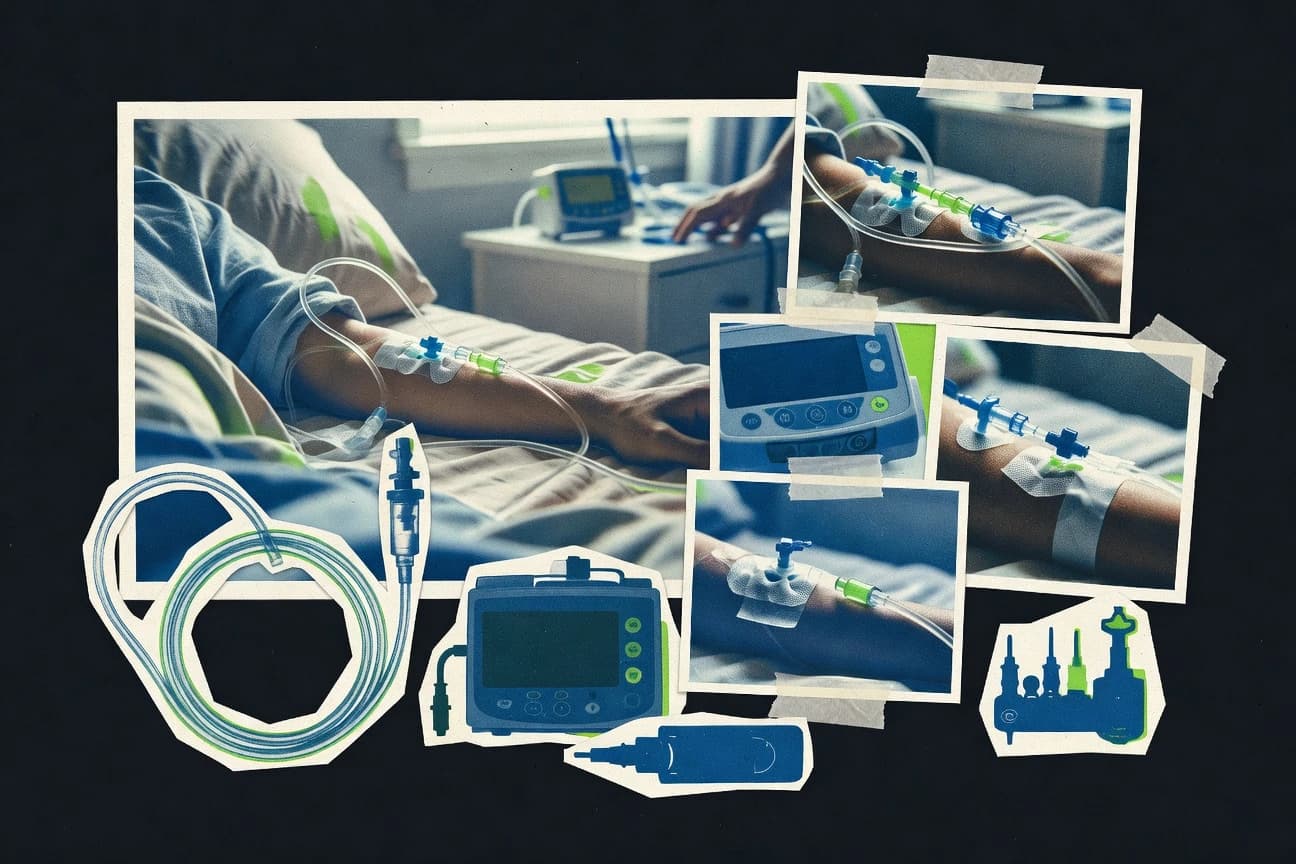
Home Infusion Industry Statistics
The home infusion therapy market is set to climb from USD 45.93 billion in 2023 to USD 79.97 billion by 2030, with a 7.8% CAGR from 2024 to 2030, while U.S. penetration has already reached 25% of all infusion therapies by 2023. See why parenteral nutrition still leads at 38.4% share, telemedicine is credited for 35% of 2023 growth, and how remote monitoring, needle free delivery, and tighter reimbursement dynamics are reshaping patient access and margins.

Plastic Surgery Industry Statistics
From $4,875 breast augmentation fees in the U.S. to $3,500 in Mexico and $2,000 to $4,000 double eyelids in South Korea, this page maps how costs and procedure choices shift across countries and categories as the global market pushes past 2023 momentum toward an $83.1 billion forecast by 2030. You will also see where demand concentrates, including 26.2 million Americans getting minimally invasive cosmetic treatments and injectables driving 90% of the non surgical U.S. market.

Cosmetic Surgery Aesthetics Industry Statistics
The latest market and patient behavior data show how fast cosmetic surgery and aesthetics are shifting, from the global aesthetic medicine market projected to reach USD 123.31 billion by 2030 to the U.S. already at about USD 17.8 billion in 2023 revenue. You will also see the surprising human patterns behind it, like 72% of U.S. patients citing social media influence and 18% of U.S. men turning to procedures, alongside safety and outcomes statistics that help separate mainstream practice from avoidable risk.

Aesthetic Surgery Industry Statistics
Women made up 86.1% of global aesthetic surgical procedures in 2022, yet the demand is spreading wider with men reaching 13.9% of worldwide surgery and repeat patients driving 40% of U.S. clientele. From U.S. spending of $13.3 billion in 2022 to a projected 10.9% CAGR for the global aesthetic surgery market through 2030, these figures track who is choosing what, what it costs, and how quickly the market is reshaping.

Transplant Statistics
With 46,000 total organ transplants in 2023 and the US hitting its highest ever level of 21,000 deceased donors, this page puts the pressure points side by side, from 103,000 people on the waiting list in January 2024 to 17 daily deaths while they wait. It also traces the biggest drivers of who gets transplanted and why, including a 50 fold rise in HCV positive donor use, persistent racial inequities, and how heart, kidney, liver, and lung outcomes compare when systems are stressed or improved.

Medical Communications Industry Statistics
With 12,600 Europe medcomms jobs in view alongside a U.S. workforce of 18,500, this statistics page tracks how roles are shifting toward digital, remote, and contract work as the global market grows from $2.25 billion in 2023 to a projected $3.45 billion by 2030. You will see why staffing remains tight, from a 2,100 medical writer shortage to 25 percent of projects at risk, and how AI adoption and omnichannel engagement are reshaping budgets, pay, and productivity.

Plasma Industry Statistics
From CSL Behring’s 35% share of 2023 plasma fractionation revenue to the U.S. industry’s USD 30 billion economic contribution, this page puts the market’s biggest power plays and cost pressures in one view, including rising plasma raw material prices to USD 200 per liter. It also pairs company performance and capacity control, like the top 10 fractionators holding 85% of global market capacity, with the hard realities of safety and supply where demand is projected to outpace collection by 20% by 2030.

Healthcare Access Statistics
While the uninsured rate for U.S. adults remains 10.6% in 2022, access problems go far beyond coverage as 27% of adults skipped care due to cost and rural transportation barriers hit 19%. From 4.5 billion people missing essential services worldwide in 2019 to specialist wait times averaging 27.4 weeks in Canada in 2023, the page connects affordability, distance, and workforce gaps into one clear picture of who gets care and who does not.

Hospital Industry Statistics
With labor costs up 12% and supply chain costs rising 18% in 2023, hospital margins and cash flow are getting squeezed even as total hospital revenue reached $1.3 trillion in 2023 and outpatient care now accounts for 60% of 2022 revenue. This page stitches together the financial pressure points and staffing realities behind patient volume, denials, cybersecurity risk, and investment so you can see what is likely to shape the next operating year.

Abortion Safety Statistics
Abortion is far safer than childbirth, with US maternal death reported at 23.8 per 100,000 live births versus just 0.41 per 100,000 legal abortions, and the risk remains low across procedure types. You will also see how abortion complication rates are typically under 2.1 percent for surgical care and how the harm profile stays lower than many everyday surgeries and emergency pregnancy outcomes.

Heart Transplant Waiting List Statistics
See how the U.S. heart waitlist shifts from urgency to eligibility, with ECMO at just 4.1 percent but often the fastest path to action and 89.6 percent of pediatric candidates shaped by congenital heart disease. Pair that with the adult list’s pressure points, including 28.3 percent stable Status 4 and LVAD bridging at 23.4 percent, to understand who is most at risk and why outcomes hinge on acuity.

Gestational Surrogacy Statistics
Gestational surrogacy in the US averaged $157,000 in total cost in 2023, where the familiar headline number hides sharp inside splits like $42,500 base compensation and a 2023 IVF and medical bill of $35,000. You will also see how outcomes and risk profiles compare, from a 72.3% US C section rate and 12.5% miscarriage after heartbeat to an 85.6% cumulative live birth rate after three cycles, plus how legal and payment rules vary dramatically across countries and states.

Remote Patient Monitoring Industry Statistics
Remote patient monitoring is shifting from promising pilots to measurable outcomes fast, with 29% of healthcare organizations reporting RPM in 2023 and the global RPM market forecast hitting $16.1 billion revenue in 2023. This page connects adoption and reimbursement momentum like Medicare billability for CPT 99453 and 99454 with clinical impact ranging from pooled 20% fewer hospital readmissions to workflow efficiency gains and near real-time alert triage.

Patient Experience Statistics
Cost is pushing care decisions and follow ups is slipping, with 7.7% of US adults postponing medical care because of cost and 35% of patients reporting they did not get follow up after discharge. Then the experience gap widens from avoidable insurance delays and repeating information to support that should come automatically, alongside $7.3 billion in diagnostic error costs and a clear link to where patient experience tools are gaining ground.

Condom Failure Rate Statistics
Even with correct and consistent use, the annual pregnancy risk is about 2%, yet real world failure is pushed far higher by slippage, inconsistent use, and quality drift, including 22% reporting slippage and 3.2% failing defect checks in defect assessments. This page ties together behavior and manufacturing signals, from WHO leakage related failures to lot level rejections and common handling surprises like hot storage and expired condoms, so you can see exactly where the risk actually enters.

Mammogram Call Back Statistics
With 1.7 million breast imaging callbacks in the U.S. and only 3.7% of screened women ending up with a diagnostic biopsy, this page shows why recall can be common even when cancer is uncommon. You will also see how BI-RADS 4 patterns, DBT versus 2D, and supplemental ultrasound shift recall rates and downstream costs so screening programs can improve performance without flooding patients with avoidable follow-up.

Egg Retrieval Statistics
See why egg retrieval totals can swing from about $3,500 in India to roughly $15,000 out of pocket in the US, while outcomes and safety rates vary just as sharply across patient profiles, protocols, and trigger choices. This page brings the latest cost, success, and complication benchmarks together with treatment trends like rapid egg freezing growth to help you translate numbers into realistic expectations for retrieval and next steps.

Orthopedic Device Industry Statistics
See why orthopedic device demand is so relentlessly tied to real-world surgery volume and long-term revision needs, with a US$31.7 billion global orthopedic implants market in 2022 sitting beside fast growing guidance and minimally invasive segments. From US adoption pressures like navigation and orthopedic sports medicine reaching US$9.3 billion projected by 2030 to outcomes and safety levers such as infection risk and 10 year implant survival, this page turns clinical reality into market sizing you can actually use.

Hospital Readmission Statistics
See how 30 day readmissions can quietly turn into major Medicare costs, from an estimated $15.9 billion in 2014 potentially preventable readmission spending to readmission related costs of 3 to 8 percent of total hospital costs, and what works to reverse the cycle with transitional care that meta analyses link to a 25 percent reduction in readmissions. It also surfaces the practical tension behind compliance and performance, including how HRRP penalties can cut Medicare payments by up to 3 percent for excess readmissions and how high social risk patients face sharply higher readmission rates.