Market data
Fashion And Apparel
Explore fashion and apparel statistics and market research reports with sourced data and trend analysis.
Latest update:
 Sophie Moreland


Statistics · 2026
Textile Processing Industry
Statistics · 2026
Textile Printing Industry
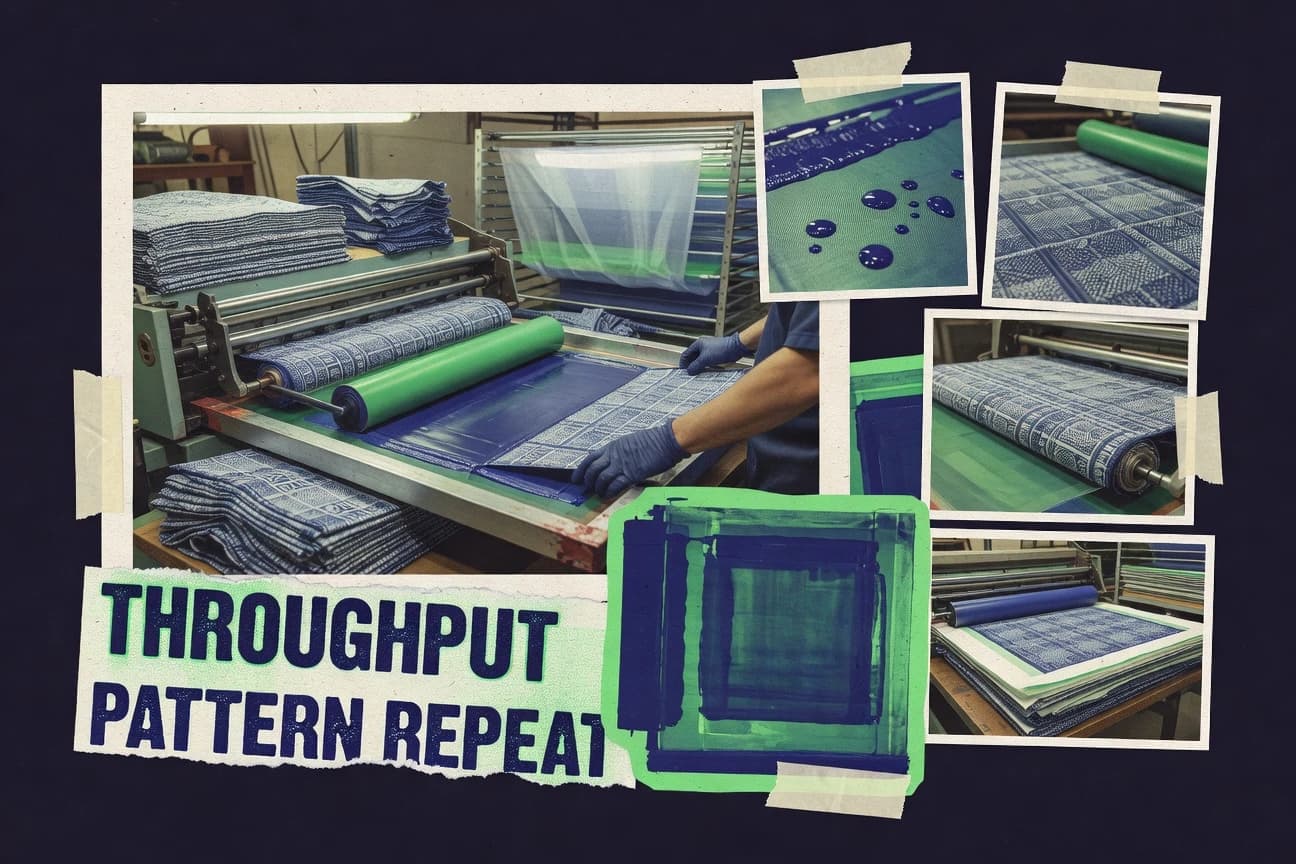
Digital textile printing is forecast to grow at a 7.5% CAGR over 2024 to 2032, and the global digital printing equipment market already sits at $9.8 billion in 2023, even as waste, water, and chemical exposure remain measurable pressure points from EU REACH to dyeing and finishing effluent tests. Expect hard contrasts such as higher precision in variable-data inkjet and reported 20 to 60% water savings in some configurations against conventional processes that can use tens of kilograms of chemicals per tonne and generate hundreds of mg/L BOD5.

Statistics · 2026
Textile Manufacturing Industry
Water guzzling surprises: making one cotton T-shirt uses ~1,200 liters of water—here’s where textile firms cut waste and lift efficiency.

Statistics · 2026
Tailoring Industry
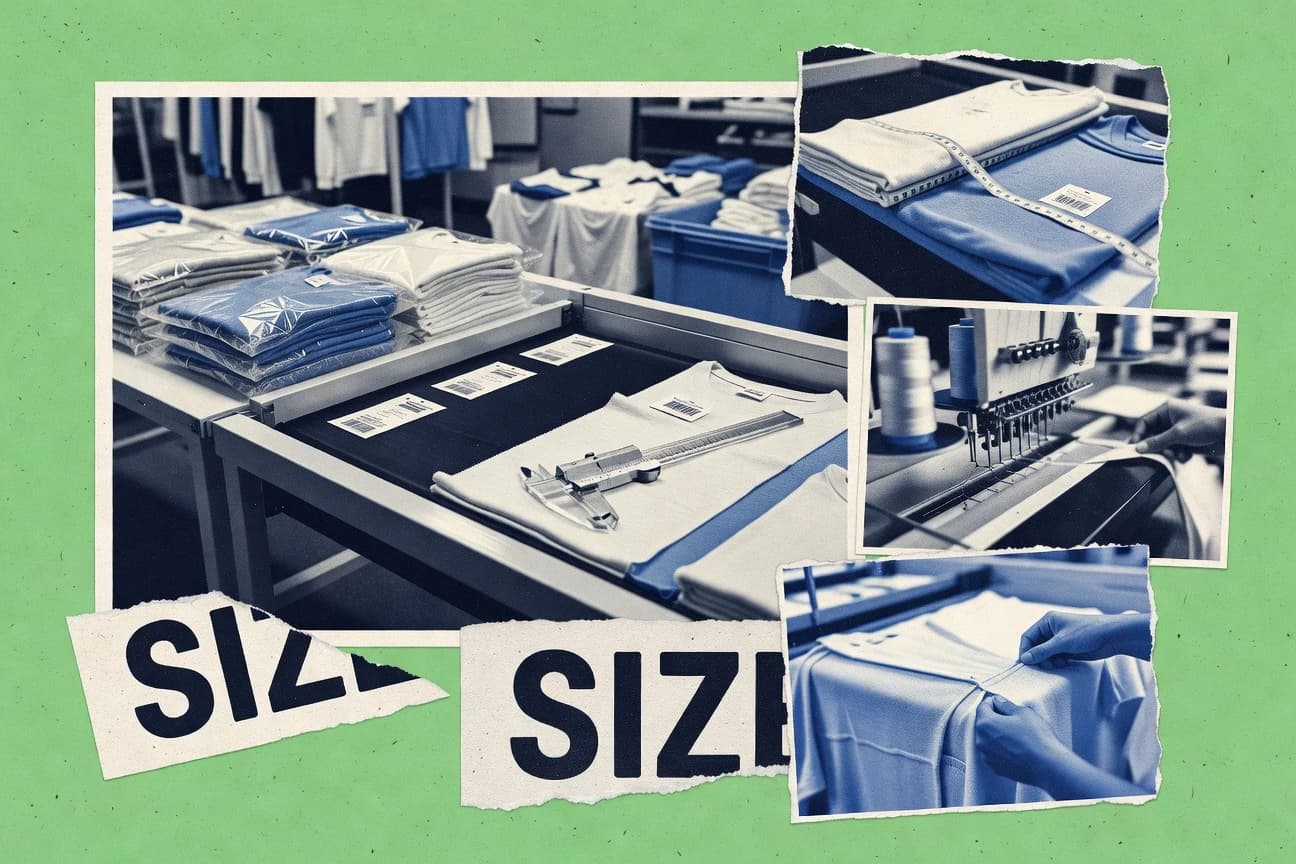
Tailoring Industry statistics capture how demand and pricing are shifting, including a 2026 snapshot of key trends that separate everyday alterations from premium made to measure work. See the sharp contrast between what customers are willing to pay now and how fast staffing, fabric costs, and turnaround expectations are changing.
Statistics · 2026
T Shirt Industry
The global T-shirt market is projected to climb from $13.6 billion in 2023 to $18.8 billion by 2032, while U.S. cotton tops worth $5.4 billion show just how supply chain heavy this category really is. You will see the pressure points where pricing, shipping, and returns collide with new online and customization demand, plus the chemical and durability rules that are reshaping what gets made.

Statistics · 2026
Swimwear Industry
From a fast pace of sustainability with carbon footprints 60% lower and 28.6% projected sustainable materials share by 2028 to speed and scale like Amazon’s 28% U.S. online swimwear share in 2023 and online sales taking 42.7% of revenue, this page puts the biggest shifts side by side. You will see how brands and shoppers are moving at once, including Summersalt’s 300% growth since 2017 and 72% of Gen Z favoring eco friendly fabrics, so the market’s direction feels immediate rather than historical.
Statistics · 2026
Sustainable Apparel Industry

Statistics · 2026
Sunglasses Industry
UV protection is far from the only driver as 42% of Gen Z choose fashion first and frequent travelers push polarized ownership to 55%, yet the market still moves toward smarter, more specialized options. With the global sunglasses market projected to reach $24.5 billion by 2030 at a 6.2% CAGR and 2023 online sales hitting $4.7 billion, this page connects how shoppers actually buy and why brands are redesigning lenses, frames, and retail for 2025 onward.

Statistics · 2026
Suit Industry
62% of Gen Z prefer sustainable suits, helping drive a 15% market shift in 2023—explore how demand and production reshape the industry.
Statistics · 2026
Streetwear Industry
Streetwear is getting more data dense than hype, with 2026 measurements showing how fast growth, spend, and demand are shifting compared to what brands built their plans on. Get the key industry indicators that explain why collections now rise or stall in weeks, not seasons.
Statistics · 2026
Spandex Industry
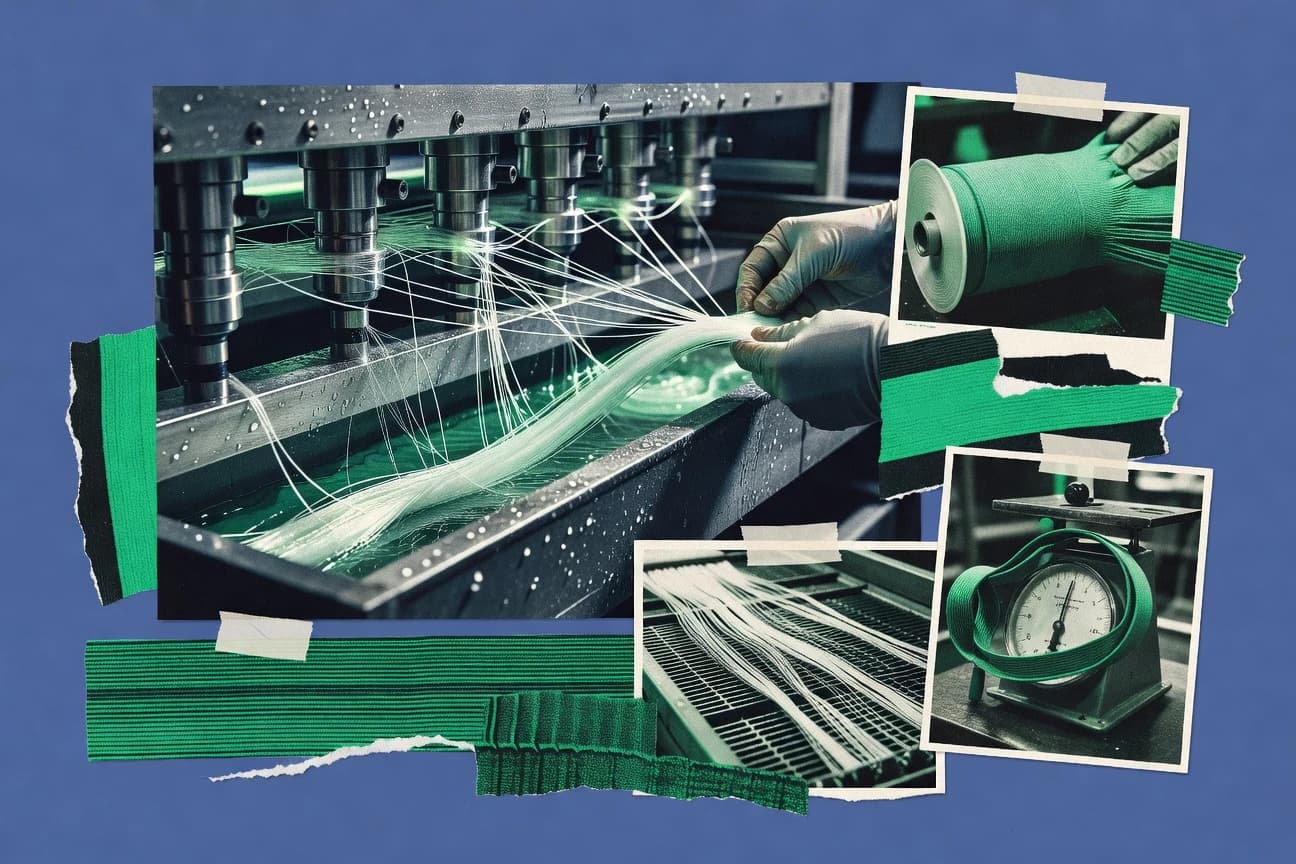
Spandex Industry breaks down why stretch demand is rising even as the hidden costs get sharper, from 26.0% of elastane use in activewear to oil price and electricity shocks that shape polymer production costs. You also get the sustainability and compliance edge: higher climate impact than cotton in a key LCA, textile microfibers driving a 35% share of ocean inputs, and the hard REACH thresholds that can regulate elastane-adjacent chemistry.
Statistics · 2026
Sock Industry
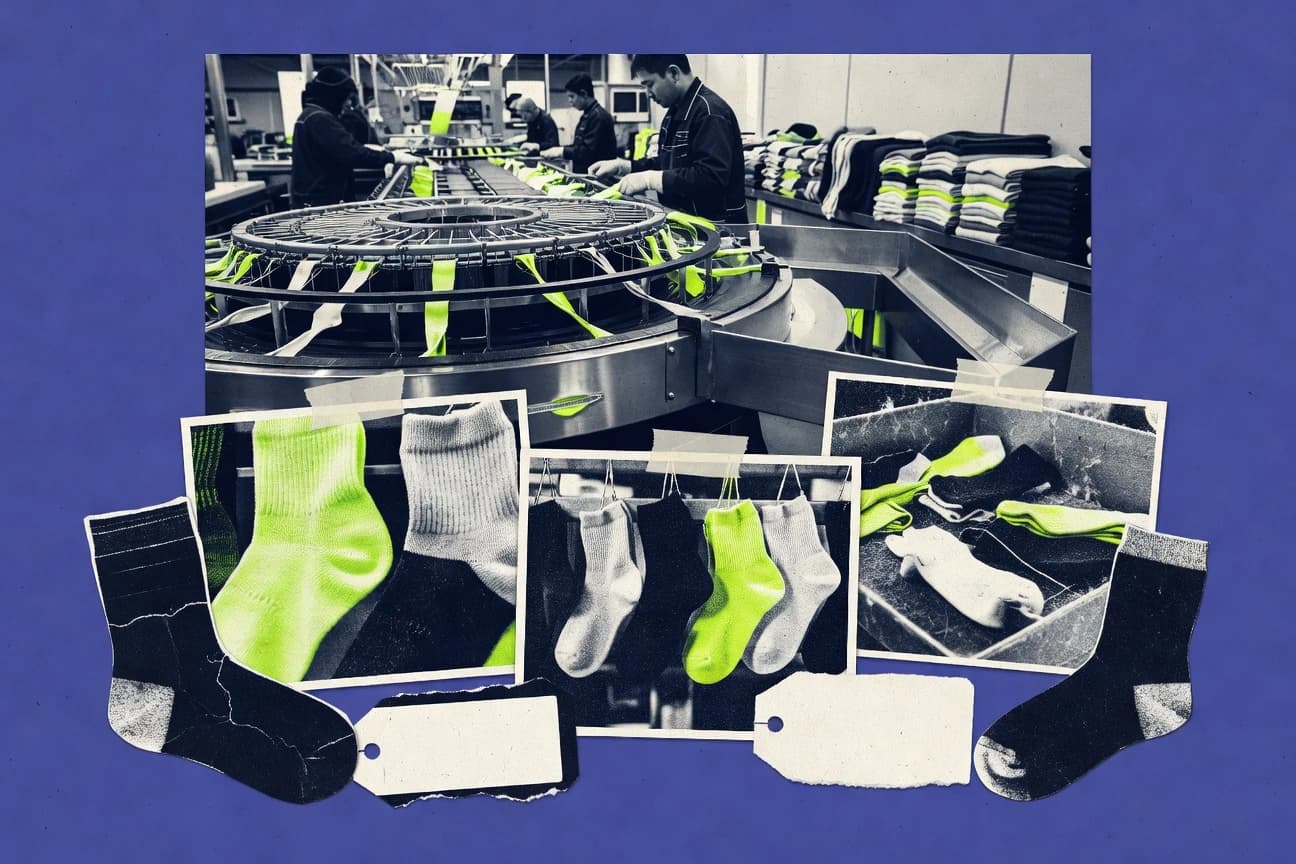
Sock Industry tracks how quickly demand, pricing, and production are shifting, with 2025 figures that show where the margin pressure is really coming from. One stat breaks the usual pattern, making it worth a close look before you assume the market is moving the way it did last cycle.

Statistics · 2026
Sneakers Industry
Sneakers Industry statistics in 2026 track how fast demand is shifting, with real pressure points on pricing, supply, and who’s buying now. Read the page to see the surprising gap between hype and purchase behavior, and what those 2026 figures suggest for brands trying to stay ahead.
Statistics · 2026
Silk Industry
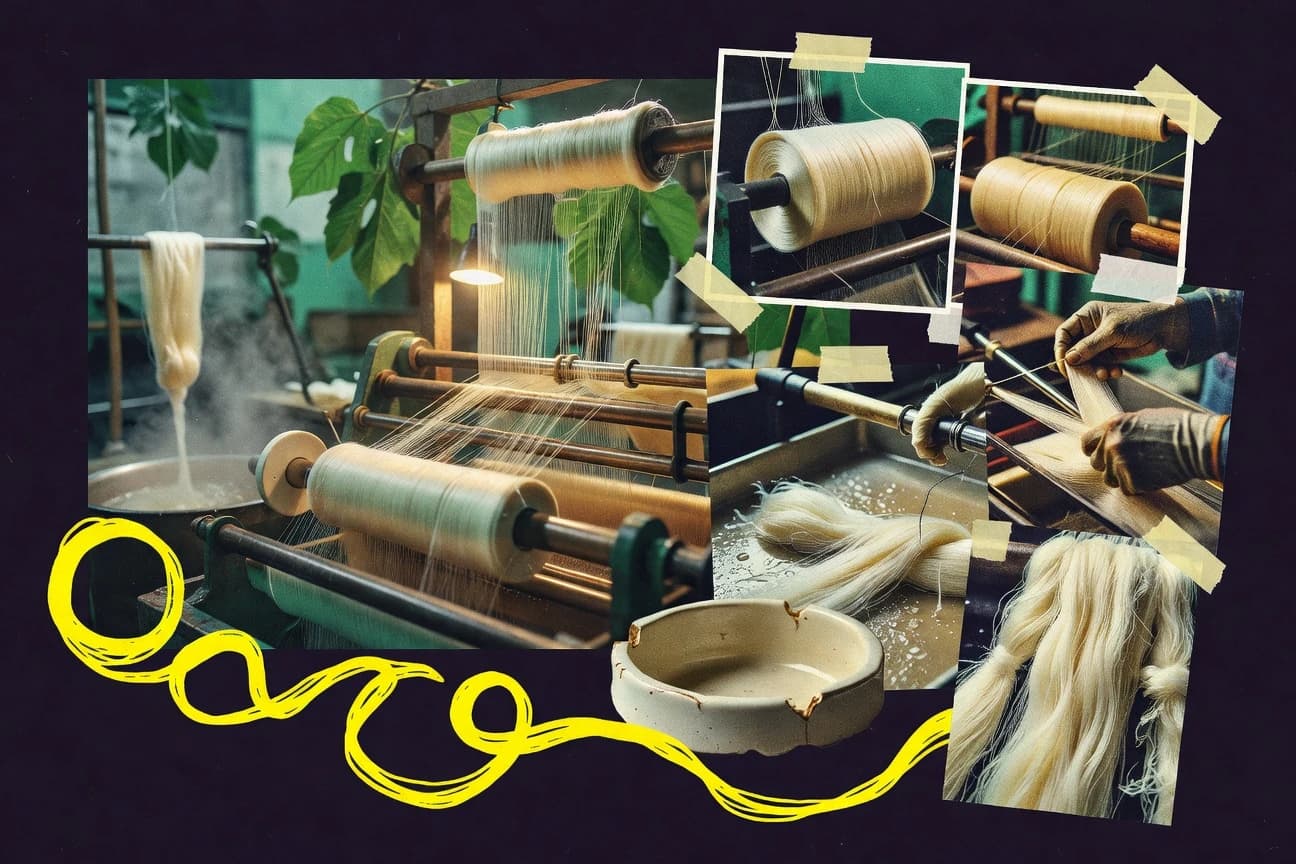
Vietnam produced 0.05 million tons of raw silk in 2022—how does that compare with China’s dominance and global export flows?

Statistics · 2026
Shoe Industry
Nike’s footwear revenue hit $32.7B in FY2023—plus the stats behind synthetic materials and the plastic waste footprint.
Statistics · 2026
Shapewear Industry
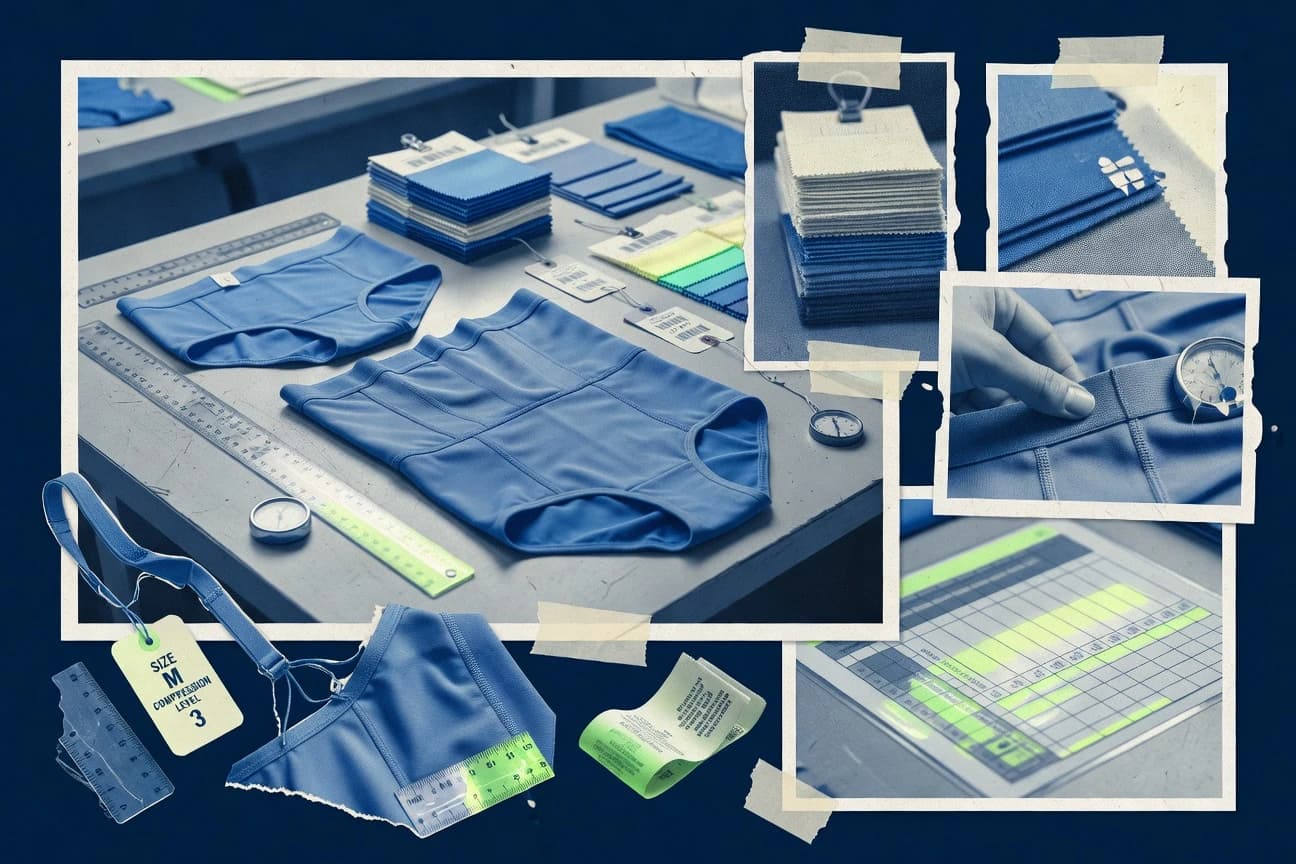
A who owns what kind of shapewear year, where Spanx leads with 25 percent global share and USD 750 million revenue while Skims takes 18 percent US share and USD 500 million, and the loyalty fight is even tighter at 32 percent for Spanx versus 25 percent for Skims. Then look beyond brands to behavior and product tech, with 68 percent of US women aged 25 to 54 having bought shapewear in the past year and seamless plus AI compression mapping tightening fit by 30 percent.
Statistics · 2026
Plus Size Industry
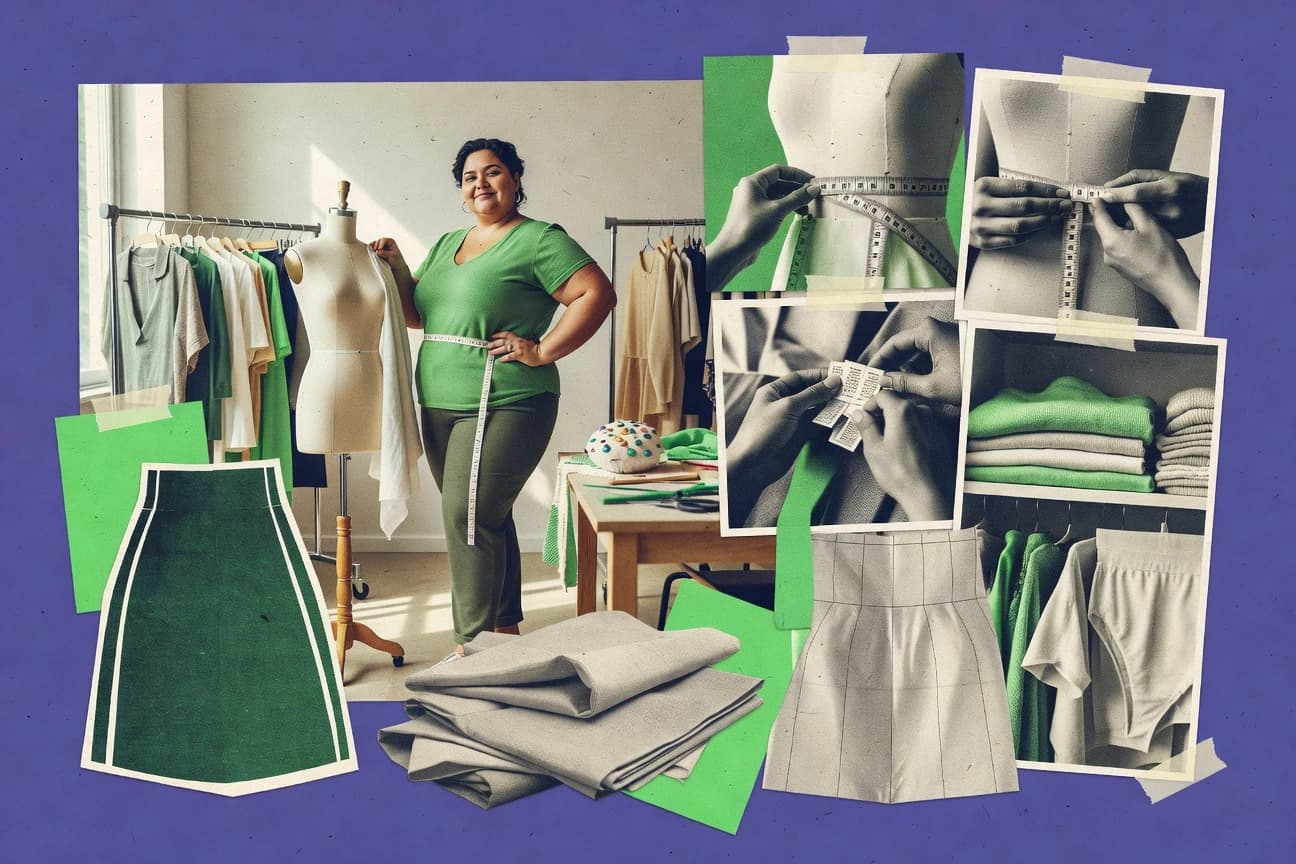
Plus sizes are no longer a niche bet with Christian Siriano taking 30% of line sales and Girlfriend Collective reaching 40% of total revenue while SKIMS and Aerie still reveal the sharpest gap in sizing access, with 70% of shapewear sales coming from XL plus and 25% of category sales from plus size bras. If you want the clearest signal for 2025 and beyond, Eloquii’s sales doubled after its Fullbeauty Brands acquisition, plus the market is expanding at a global 6.7% CAGR from 2023 to 2030 as brands from Torrid to Lane Bryant prove loyalty and fit driven growth can compound fast.

Statistics · 2026
Plm Software Fashion Industry
Statistics · 2026
Outerwear Industry
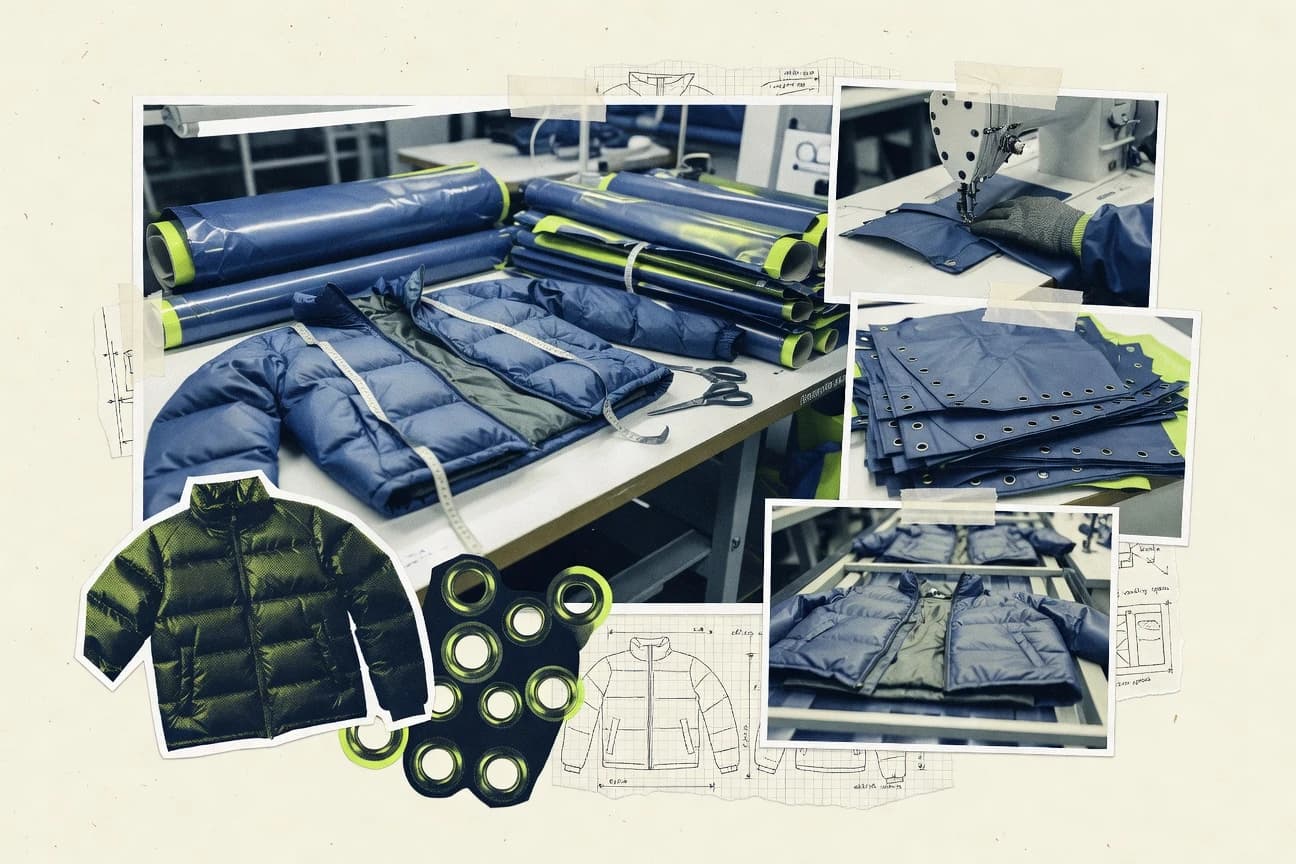
Outerwear Industry statistics for 2025 map out where demand is accelerating and where margins are getting squeezed, with clear signals on pricing, sourcing, and channel shifts. You will see the contrast between what brands plan for the season and what shoppers actually reward, right down to the category level.
Statistics · 2026