
Market data
Automotive Services
Explore verified automotive services statistics and market research reports with sourced data and trend analysis.
Latest update:
 Katherine Brennan

Tesla Car Fire Statistics
A Tesla fire is rare enough that even insurance claim data points to only 25 EV fires per 100,000 sales, while gas vehicles average 1,529 fires per 100,000 and hybrid vehicles top the list at 3,474 per 100,000. This page also compares real-world patterns behind those rates, including why battery incidents often follow high-speed impact or external conditions and how Tesla’s design and fire-safety systems aim to limit escalation.

Harley Davidson Statistics
Net revenue slid to $5.836 billion and gross margin fell to 23.5% while operating income dropped 40%, yet Harley-Davidson kept dividends climbing to $0.66 per share and pulled $572 million back through share repurchases, with 1,400 dealerships and more than 1 million H.O.G members keeping the brand engine running. From LiveWire deliveries to cash flow of $912 million and a debt to equity ratio of 1.62, this page connects the sharp financial turn with the company’s on the road momentum.

Auto Industry Job Statistics
With U.S. automotive service technicians projected to grow 2% from 2023 to 2033 while U.S. auto manufacturing jobs are expected to fall 5% by 2032, this page tracks where work is shifting across plants, parts, dealerships, and R&D. It also connects the paycheck reality, like the May 2023 median pay for U.S. service technicians, to global scale and churn from battery and EV job surges to regional declines in Europe and beyond.

Auto Industry Employment Statistics
With 725,400 auto service technicians and mechanics in May 2023 and a projected skilled trades gap of 80,000 auto technicians in 2023, the US shortage is hitting the workforce where it matters most. Turn demographic realities into hiring strategy, from women at 28% of US auto manufacturing to a 42 year average age for mechanics, alongside fast shifting global competition and EV driven job creation.

Tyre Industry Statistics
Michelin still leads with $28 billion in revenue and the top 7 brands control over 50% of the global market, but the real story in 2026 is how manufacturing and technology are flipping the playbook as silica compounds cut rolling resistance by 20% and RFID adoption reaches 20% of truck fleets. From Yokohama Rubber’s 985 billion yen revenue to nitrogen keeping tire pressure 3 to 4 times longer than air, this page connects leaderboard power with the science and compliance that determine who wins next.
Body Shop Industry Statistics
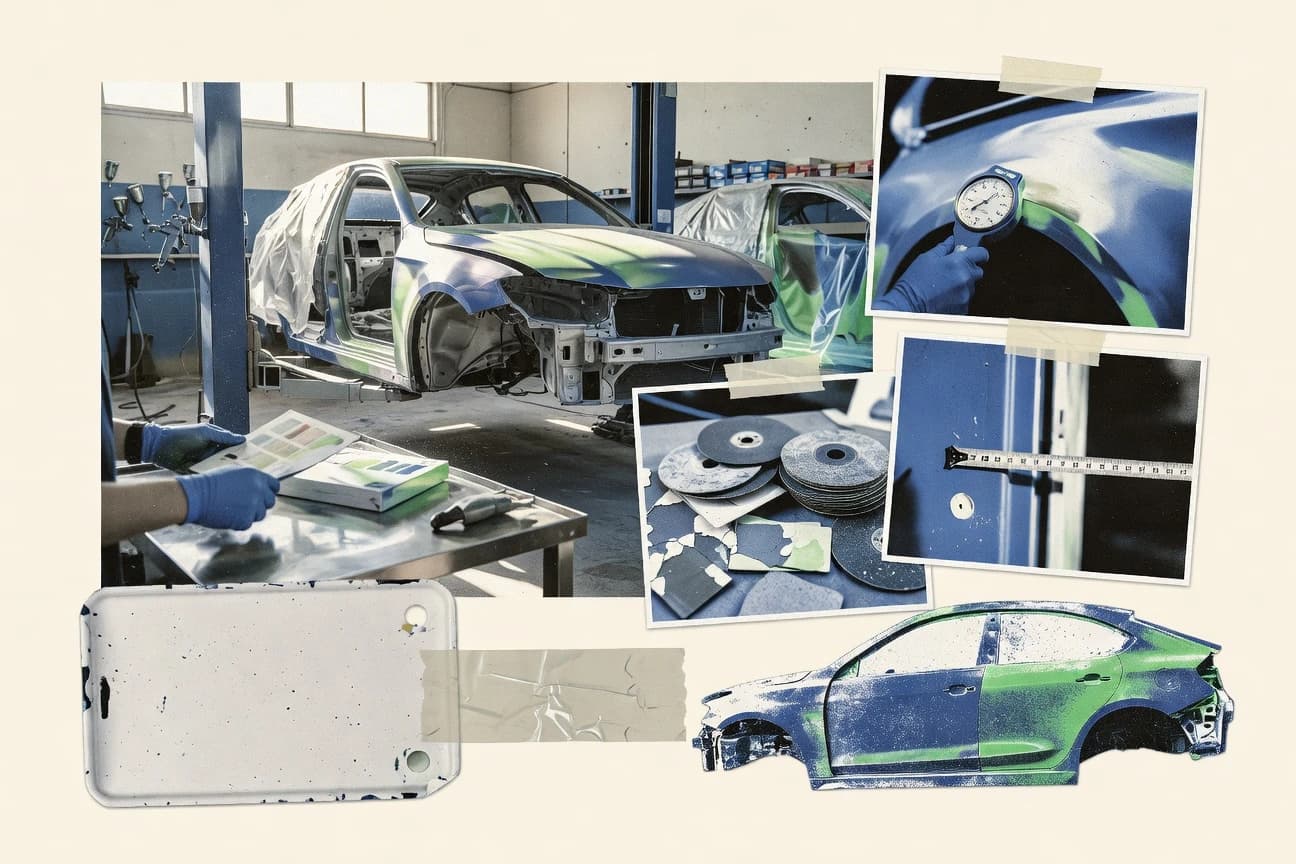
Body Shop Industry benchmarks reveal how choice and cost are colliding, from 67% of U.S. consumers following insurance recommendations to the average repair bill landing at $3,250 and only 34% reporting satisfaction with post repair quality checks. Coverage also maps the staffing squeeze and digital shift, with 85% of shops citing technician shortages and 92% using digital estimating software, plus market signals like EV certified demand and ADAS readiness pushing faster change than repair cycle expectations of 7.2 days.

U.S. Automotive Industry Statistics
Even with 78.2% capacity utilization in 2023, U.S. auto manufacturing unemployment sits at just 3.8% and the industry supports millions of jobs from assembly to dealerships. Follow how wages, union strength, and new EV infrastructure like NEVI’s $5B plan for 50,000 chargers are reshaping work, output, and buying across states.

Motor Trade Philippines Industry Statistics
Even with a vehicle ownership rate of 45 cars per 1,000 people, Motor Trade Philippines tracks the big shifts in what Filipinos actually buy and why, from 78% Japanese brand preference and SUVs taking 35% of city sales to hybrids growing 25% and EVs projected to reach 10% by 2027. The page also links demand to the real economy, including PHP 150 billion spent on aftersales each year, auto employment at 250,000 direct jobs in 2023, and a PHP 600 billion total addressable market by 2025.
Germany Auto Industry Statistics
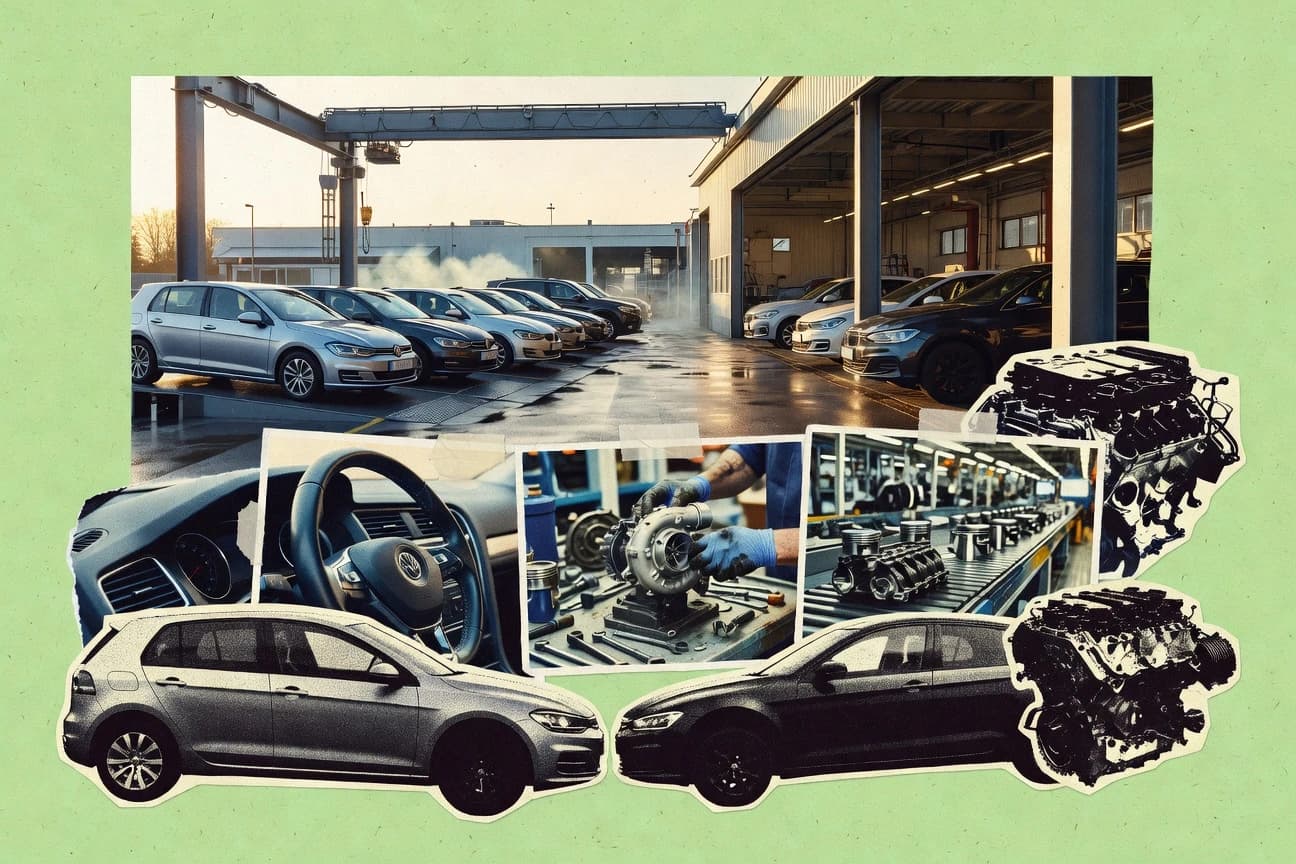
Germany’s auto industry still anchors a huge workforce, with 835,000 people directly employed in 2023 and 210,000 working in automotive R and D, yet 30,000 job cuts were announced for 2023 to 2024, even as exports hit €147 billion. You can track where the strength comes from, from 77% of production exported to rising electric vehicle output of 250,000 units, alongside labor realities like 18% foreign workers, a 3.2% auto unemployment rate, and 50,000 vacancies in auto IT roles.

Vinyl Wrap Industry Statistics
From 2023 to now, vinyl wrapping is spreading beyond vehicle skin changes, with the global market reaching USD 5.12 billion and projected to hit USD 8.47 billion by 2030, while 3M alone commands 32 percent of the market. The page connects where demand actually concentrates, from passenger cars at 55 percent to public transit bus wraps at 28 percent and retail storefront wraps at 30 percent, showing how specialty formats and premium materials are reshaping revenue priorities for 2025 and beyond.
Automotive Electric Vehicles Industry Statistics
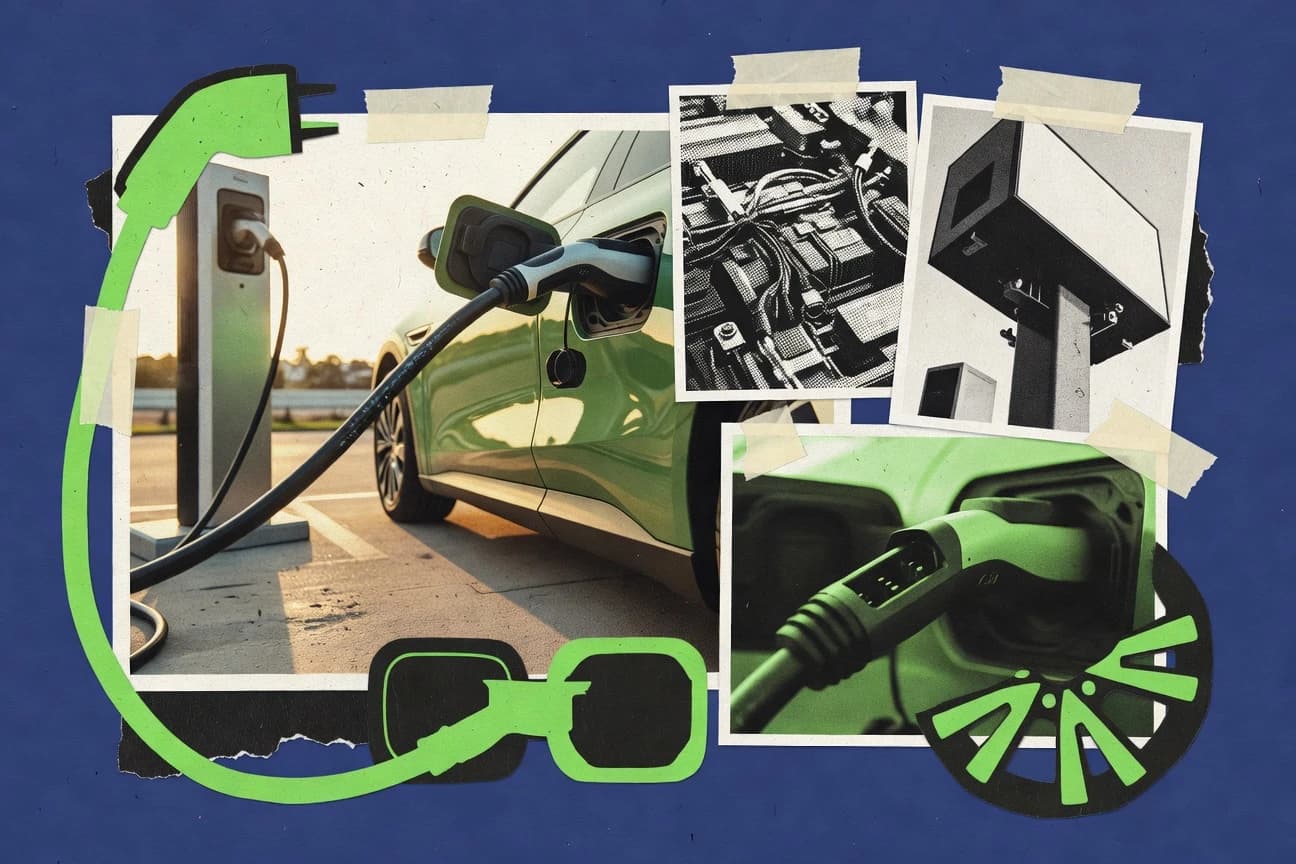
EV battery economics shifted fast in 2023, with average pack prices down to USD 139 per kWh and global demand reaching 750 GWh, while faster networks and new chemistries push charging and range forward at the same time. Read the page to connect the dots from LFP taking 41% of the market to recycling capacity projected at 3.5 million tons by 2030, plus the charging roll up to 4 million public chargers worldwide.

Auto Body Industry Statistics
With U.S. shops facing higher demand and higher costs, this Auto Body Industry statistics page highlights how repair timelines average 14.3 days and structural damage drives 55% of repairs, alongside the reality that 41% of drivers delay repairs due to price. It also tracks the shift toward certified, tech enhanced collision work, from EV and ADAS driven complexity to online reviews shaping 82% of shop choices.

Automobile Repair Statistics
Vehicle repair costs and choices are shifting fast, with U.S. diagnostic fees averaging $125 and brakes running about $650 as of 2023 while EV and ADAS pressure is changing what shops can offer by 2025 and beyond. This page contrasts spending, booking habits, and staffing gaps across countries and generations so you can see exactly why 67% of U.S. drivers favor independent shops and how shortages and tech gaps are reshaping every repair visit.

Window Tint Industry Statistics
US tint shops averaged $145,000 in annual revenue in 2023, yet premium services can run 45% to 60% profit margins, while labor still eats 35% of every tint job. You will also see the practical rules that swing outcomes, from fines averaging $500 per violation and OSHA ventilated workspace requirements to how digital booking can lift revenue by 22% and energy saving certified tints cut cooling costs by 30%.

Indonesia Automotive Industry Statistics
Indonesia automotive employment and exports hit fresh pressure points at 1,234,500 direct jobs and USD 4.56 billion in automotive exports in the latest year on the page, even as a 45% plant skills shortage still leaves 123,400 engineers in demand. If you are tracking how wages, safety incidents, EV hiring, and parts exports are reshaping production, the page ties workforce realities to market momentum, from 78,900 digital skills graduates to a 22.4% vehicle export jump to 456,789 units.
Canada Auto Industry Statistics
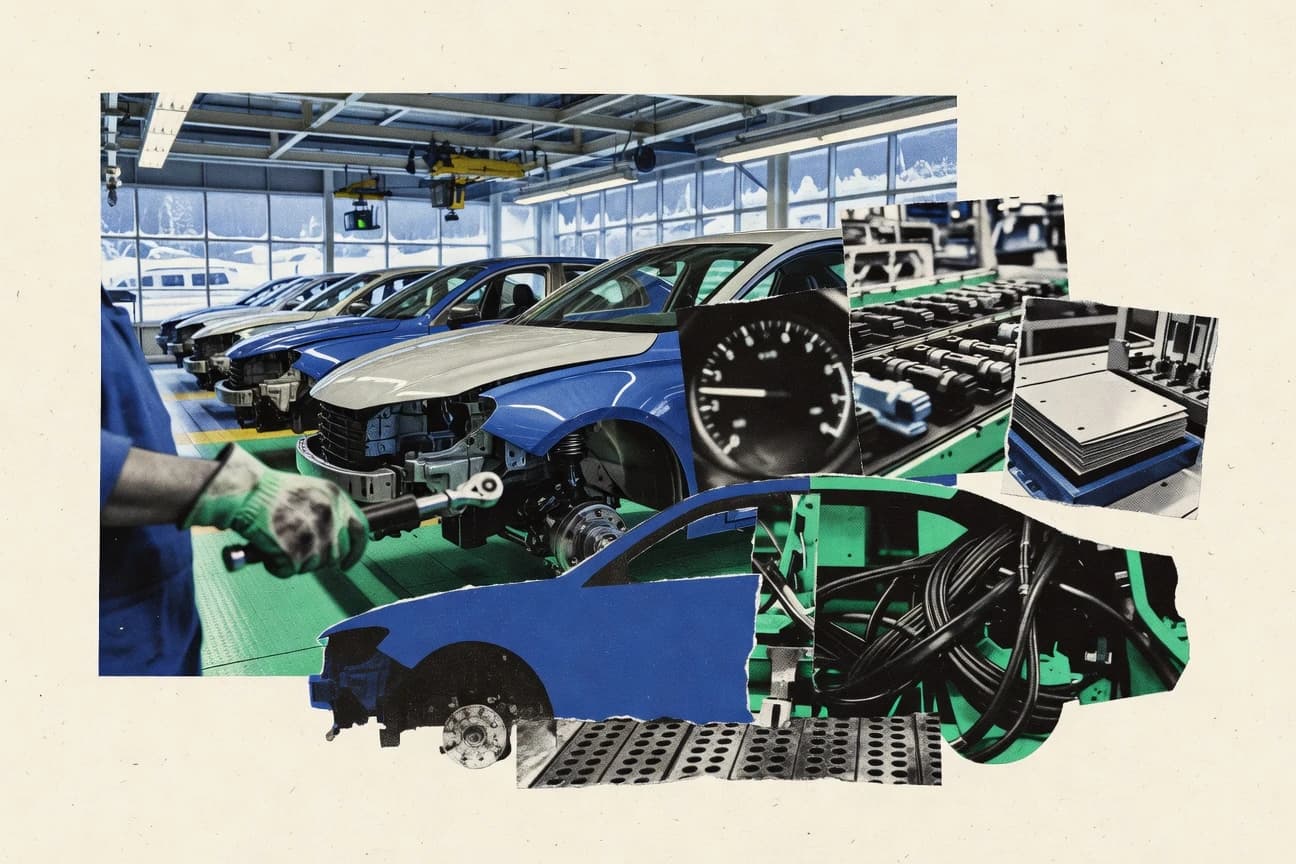
With motor vehicle manufacturing and parts still employing about 1.1 million people in Canada and parts makers pulling in C$38.6 billion in 2023 revenue, this page connects production, trade, wages, and investment into one clear picture. You also get the sharp contrasts that matter for 2025 planning, from vehicle and auto parts flows that keep Canada running with a 2023 automotive trade surplus of $18.5 billion to the demand shift behind EV adoption, where BEVs made up 80% of EV sales and the average charging price landed at 0.33 CAD per kWh.

Home Ev Charger Industry Statistics
Smart home EV charging is already mainstream, with 65% of new worldwide chargers smart enabled and the global residential market projected from $1.2 billion in 2022 to $5.8 billion by 2030 at a 21.8% CAGR, while ownership keeps climbing unevenly by region. Why it matters is the tension between demand and friction, from Norway’s 92% home charging penetration and 98% renewable power to global buyers citing home charging ease as the top barrier to removal at 59% and a typical Level 2 install now paying back in about 4.5 years in the US.

German Automotive Industry Statistics
Even with pressure on costs such as carbon pricing, German automotive turnover still reached €484 billion in 2023 and directly employs 834,000 people, while supply-chain knock-on effects support 2.5 million indirect jobs. If you want a single page that connects revenue, trade, jobs, and innovation from EV output to R&D patents, this one ties together the full German auto ecosystem with unusually specific figures.
Truck Repair Industry Statistics
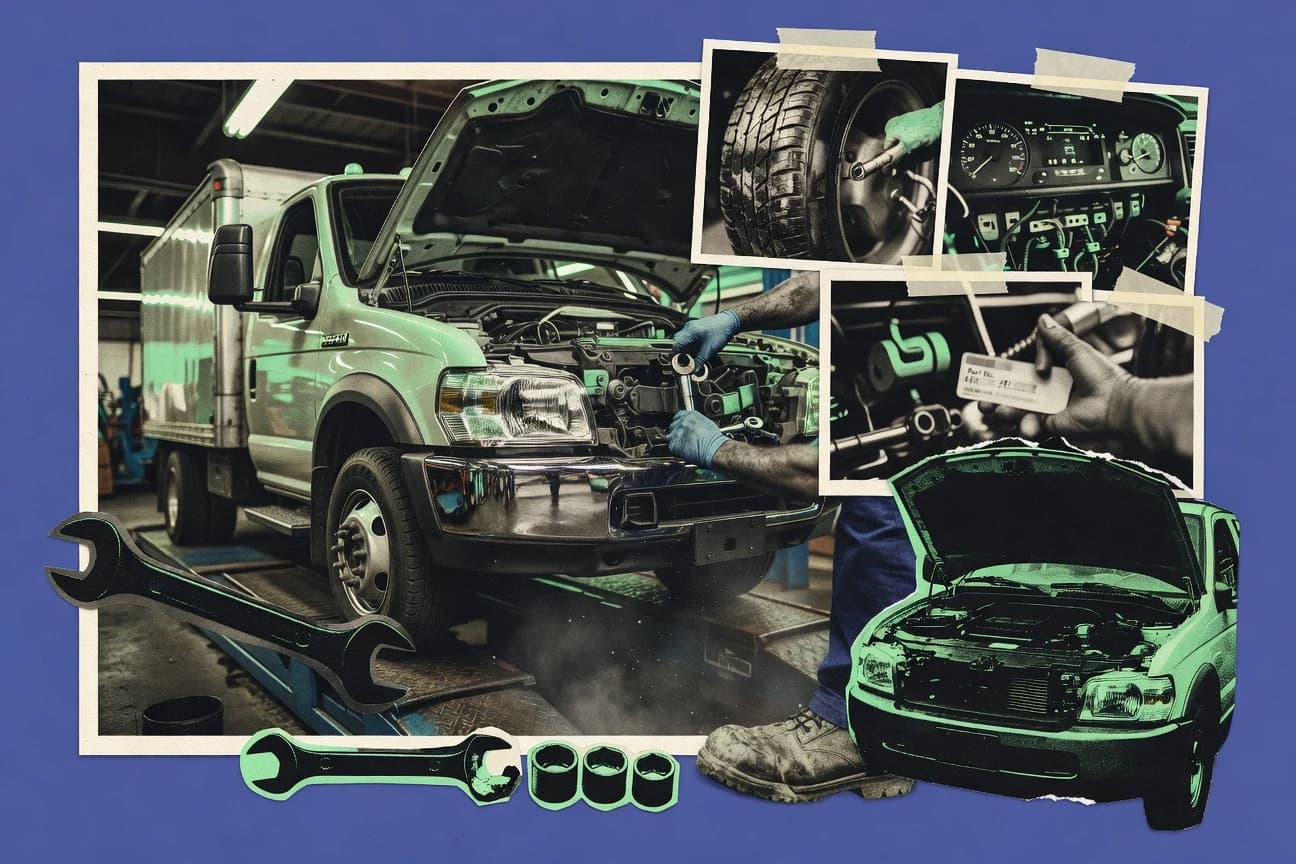
Truck repairs are getting expensive fast and measurable too, with an average full engine overhaul costing $18,500 and heavy truck maintenance running $22,400 per year in the U.S. while brake work averages $1,250 per service and downtime can hit $1,200 per hour. This page connects those invoice shocks with industry realities like a $145 hourly labor rate, 68% of shops citing labor shortages, and a $45.2 billion 2023 revenue base that shows the business impact of every tire, axle, and diagnostic scan.
France Automotive Industry Statistics
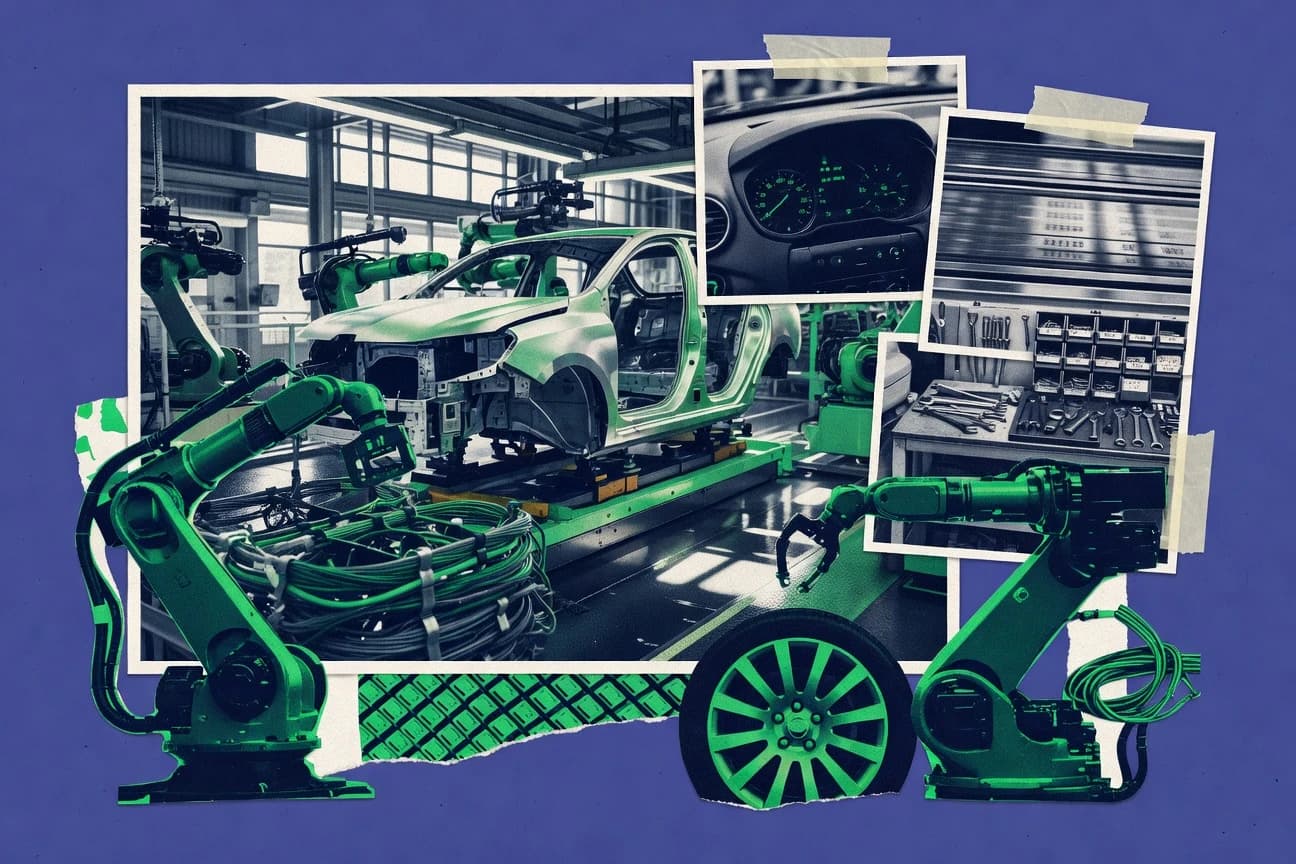
With EV charging sites topping 150,000, hydrogen fueling stations reaching 7,200, and battery recycling capacity climbed to 19,000 tonnes per year by 2023, France’s automotive shift from assembly line strength to end of life and fueling infrastructure is clearly visible. Behind the transition, the sector generated €31.2 billion revenue in 2023 and built a trade surplus of €58.1 billion in motor vehicles and parts in 2022, showing how decarbonization investment and export momentum are moving at the same time.