
Market data
AI In Industry
Explore verified ai in industry statistics and market research reports with sourced data and trend analysis.
Latest update:
 Marcus Engström
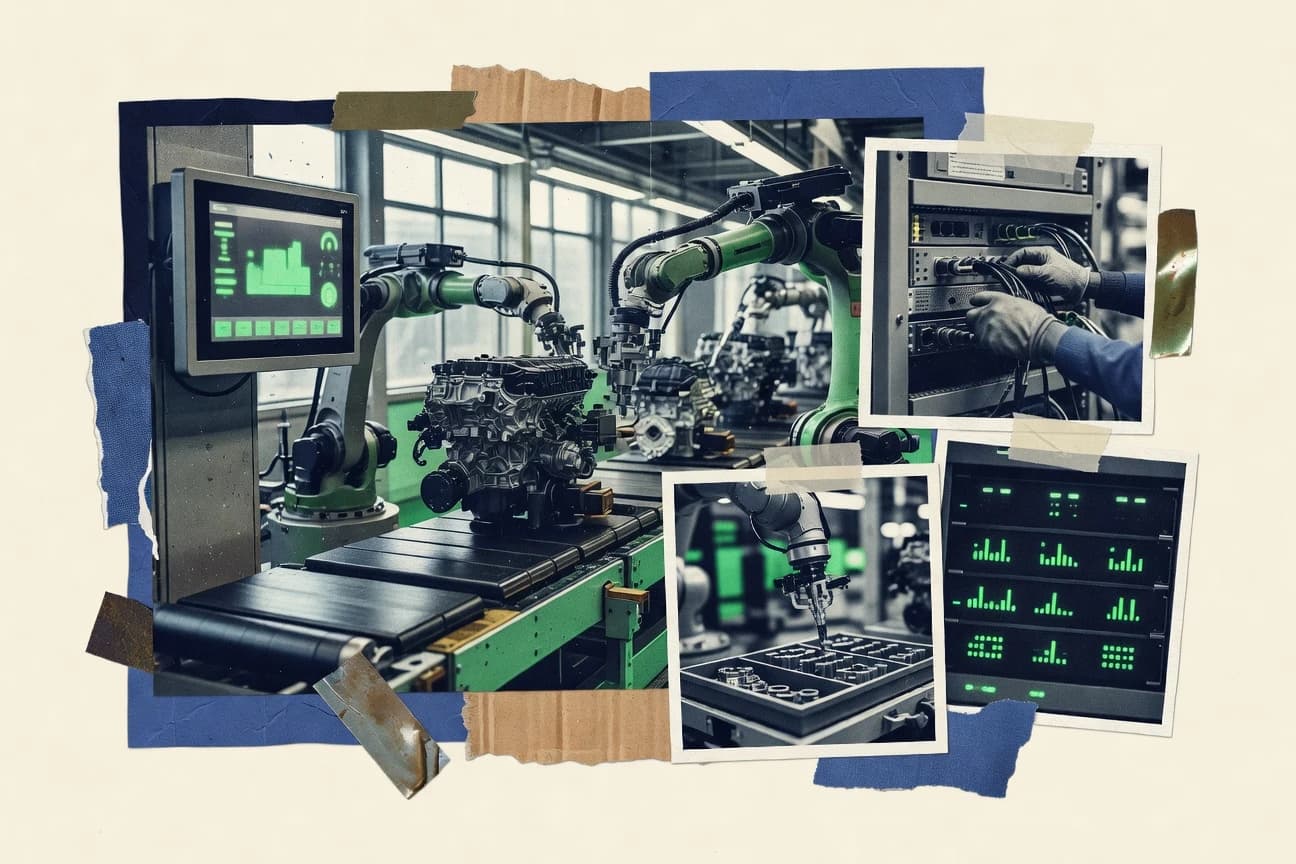
AI In Industry Statistics
See how AI is reshaping manufacturing outcomes, with the most recent 2025 and 2026 figures showing a clear shift from experimentation to measurable impact. If you want to understand what industries are adopting now and where the bottlenecks still sit, these statistics make the tradeoffs impossible to ignore.

AI In The Email Marketing Industry Statistics
With 88% of marketing teams already relying on marketing automation platforms by 2024 and 52% saying real time personalization is very important, the tension is clear: 37% of emails never get opened in typical benchmarks, so subject lines and send timing cannot be treated as an afterthought. See how AI is reshaping both deliverability and spend priorities, from email security adoption to the scale of the email marketing software and CRM markets.

AI In The Self Storage Industry Statistics
AI budgets for self storage are rising alongside the platforms that must power them, from cloud and data storage scale to global AI software and hardware spend that supports real deployment choices. You will see why this matters for operators and customers, including 56% using AI for fraud prevention, chatbots that can cut customer service costs by up to 30%, and cost and compliance pressure shaped by the EU AI Act, NIST AI RMF, and rising breach costs.

AI In The Video Game Industry Statistics
AI is already reshaping game production, but the numbers show a split between what studios claim and what shipped titles actually reflect, with 2025 signal strongest where budgets, timelines, and staffing are most exposed. Read the statistics to see which parts of development are accelerating fastest and where the gains still have hard limits.

AI In The Hospitality Industry Statistics
See how AI is reshaping hospitality operations with fast, measurable shifts, from 2026 forecasts on workload automation to real world gains in service speed and accuracy. You will find the tension between hype and outcomes, where the most promising use cases deliver tangible performance while implementation risk and cost pressures lag behind.

AI In The Packaging Industry Statistics
With 2026 figures reshaping how packaging operations use AI, the page draws a hard line between where automation is already cutting waste and where it still struggles to scale across plants. You will see the specific productivity gains and adoption gaps that separate pilot projects from measurable results across the supply chain.

AI In The Streaming Industry Statistics
Streaming is growing fast, with the global video streaming market projected to rise from 2024 to 2033 at a 16.4% CAGR to $163.2 billion, yet the biggest friction for subscribers is content discovery since 34% say they have canceled or considered canceling. This page pairs that tension with quantified wins, like AI recommendation influence driving 15% of 2024 watch time and even a 33% cut in cloud inference costs through optimization, to show exactly where AI is moving the needle and where it still isn’t.

AI In The Satellite Industry Statistics
AI is already shaving the satellite workflow sharply, cutting automated change detection processing time by up to 90 percent and improving operational efficiency with measurable wins like 22 percent lower end to end latency from routing optimization. This statistics page also pairs industry scale markers, such as the $8.2 billion global satellite ground equipment market in 2023 and the satellite imagery market forecast to $5.4 billion by 2027, with study results ranging from 97.2 percent cloud detection accuracy to a 28 percent drop in mean time to repair.

AI In The Lodging Industry Statistics
With the U.S. hotel industry generating $203.6B in revenue in 2023 and AI software spending climbing toward $180B by 2026, this page connects where the money goes with where AI pays off, from mobile driven personalization to demand forecasting and chatbot cost relief. You will see how targets like 61% of consumers seeking personalized experiences and 30% to 40% self service deflection translate into measurable gains such as 5% to 10% higher RevPAR and sharper forecasting accuracy.

AI In The Audio Industry Statistics
The AI in audio market is set to surge from $3.8B in 2023 to $16.1B by 2030, while generative AI spending climbs to $300B worldwide by 2026 according to Gartner. This page connects that financial momentum to measurable audio outcomes, from transcription and diarization accuracy to generative quality and the rules shaping what synthetic audio can and cannot do.

AI In The Investment Industry Statistics
See why 44% of investment firms flag data quality as their top operational AI bottleneck while budgets still get squeezed, with 25% of AI initiatives overshooting plans and governance costs topping $1.2 billion a year for model risk management. You will also find the performance and build signals side by side, from a 0.05 bps median execution cost improvement and 12% lower routing latency to 2,500 plus firms already using AI use cases and 6,000 plus regulatory filings powering financial text analytics models.

AI In The Global Airline Industry Statistics
Airlines are already translating AI into hard operational wins, from 10% fewer disruption impacts through predictive maintenance and network re optimization, to 6% better fuel efficiency from analytics pilots that cut costs per passenger. You will also see where the adoption gap matters most, including 33% of airlines using AIOps for anomaly detection and only 18% applying AI to dynamic pricing, alongside market scale signals like a $2.2 billion global AI in aviation forecast for 2023 and a $1.9 billion AI market projection by 2025.
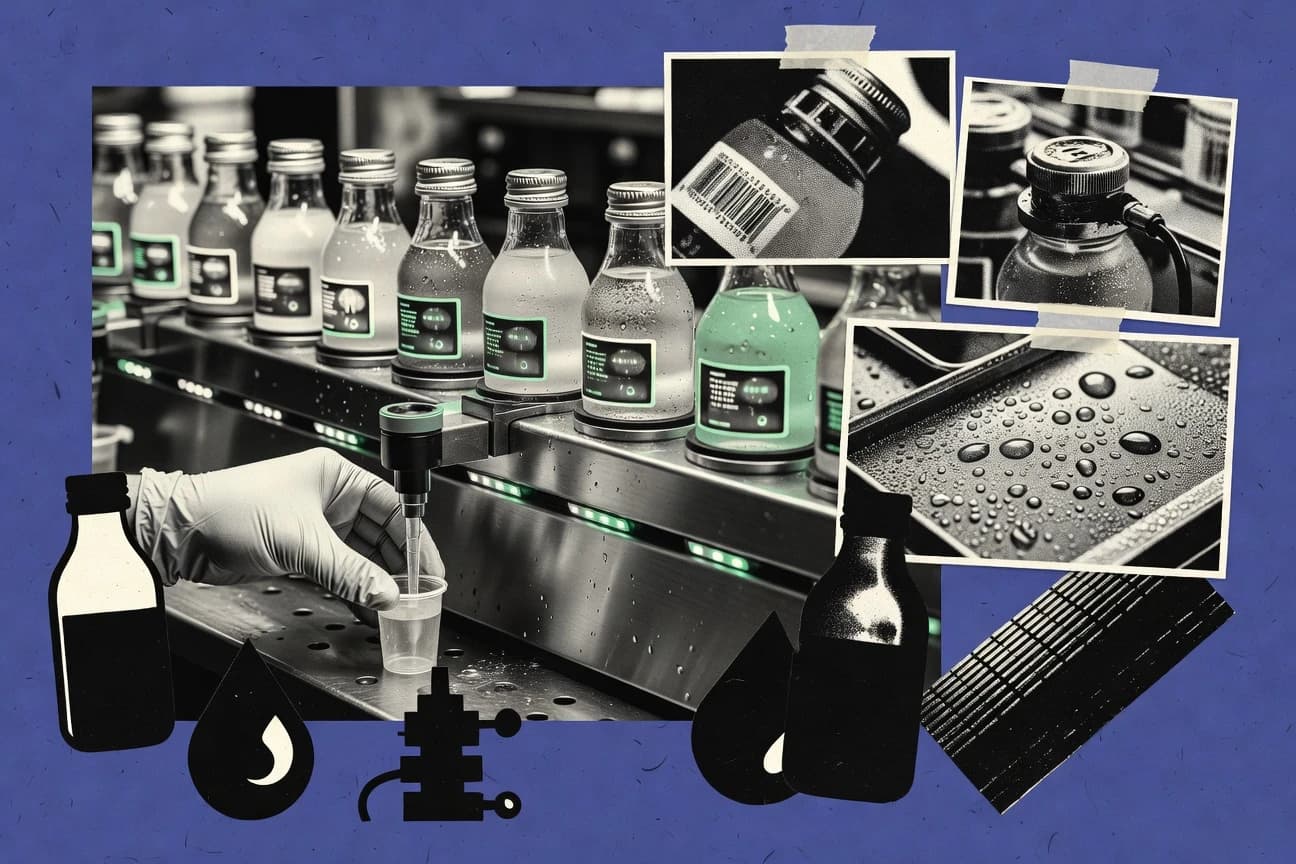
AI In The Drinks Industry Statistics
With $63.5 billion forecast for global AI in retail in 2024 and 54% of consumers willing to switch for better experiences, this page shows why beverage brands cannot treat AI as a nice to have, especially when data quality is the top adoption blocker. It ties that tension to practical wins like up to 25% lower inventory from AI supply chain optimization and predictive maintenance that can cut unplanned downtime, plus the security and packaging inspection stacks drinks teams need to run reliably.

AI In The Massage Industry Statistics
Massage businesses are still early on AI, with just 1.1% using AI tools, yet healthcare leaders are betting big with 85% planning adoption in the next three years and investment up 2.5x in 2024. Get the front desk, privacy, and operations numbers together, from 23% of consumers already using generative AI to a 12% drop in clinician idle time from predictive scheduling.

AI In The Security Guard Industry Statistics
Security teams are turning to AI faster than ever, with 2026 figures showing how automation is shifting guard work from routine monitoring to faster, more targeted threat response. See the contrast between what still gets handled the old way and where AI is already changing staffing, incident detection, and real time decision making.

Immigration AI Industry Statistics
See how Immigration AI Industry forecasts shift the picture of faster processing and smarter case handling, with 2026 projections setting a sharper benchmark than past years. Compare the demand signals and performance gaps behind the scenes and understand where the biggest gains are likely to land first.

AI In The Small Business Industry Statistics
In 2026, small businesses are leaning on AI at a pace that flips the usual assumption that AI adoption is slow and reserved for big companies. These statistics highlight where the biggest gains are showing up and which constraints are still holding operators back, so you can separate hype from what is actually changing day to day.

AI In The Refrigeration Industry Statistics
From 90%+ refrigeration fault detection accuracy to 15% energy cuts from model predictive control, these AI grounded refrigeration stats connect performance to money in real systems, not theory. The page also ties cooling demand to policy pressure like the EU’s F gas push toward a 21% HFC reduction by 2030, plus cold chain temperature risk where a 2.5°C threshold can quietly erase value through spoilage.

AI In The Film Industry Statistics
By 2030, generative AI is forecast to deliver a 33.1% CAGR to the global market while AI could add $1.7 trillion to the world economy, but media players still report a 78% barrier tied to rights and copyright friction. This page runs from 2024 cloud spend and streaming infrastructure to GPT-4 context capacity and EU and US rules shaping what creators can train, fine tune, and monetize.

AI In The Fishing Industry Statistics
AI is moving from experiments to measurable change, with 2026 metrics tracking how much efficiency and decision speed fishing operations gain when they use machine learning instead of gut feel. The page turns those shifts into hard comparisons so you can see where the biggest AI wins are already showing up and what it still can’t fix.