
Market data
AI In Industry
Explore verified ai in industry statistics and market research reports with sourced data and trend analysis.
Latest update:
 Marcus Engström
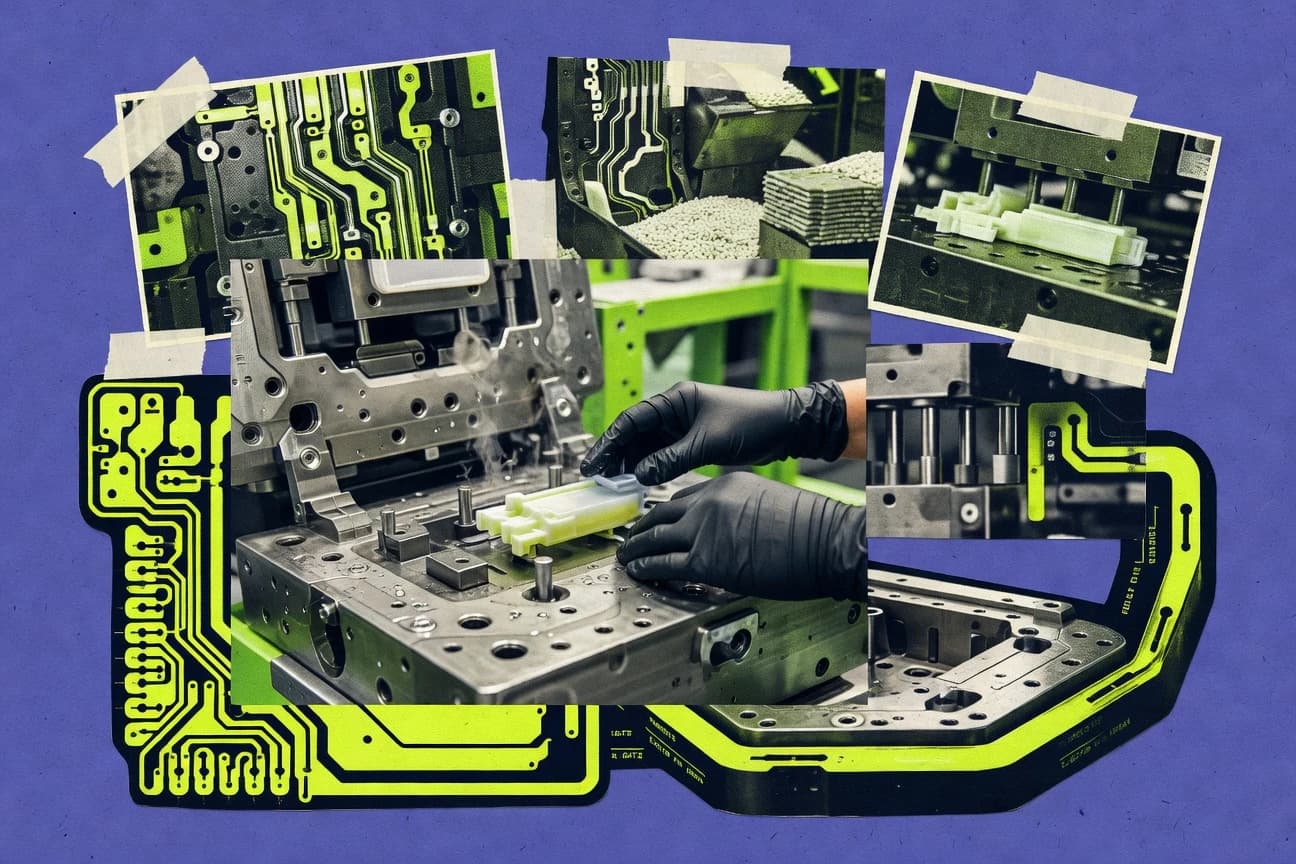
AI In The Injection Molding Industry Statistics
As the AI software market is forecast to reach $118.6 billion in 2025, injection molders are already using machine learning and computer vision to cut unplanned downtime by up to 25% and reduce inspection effort by 20 to 50% through predictive quality models. This page connects those gains to practical outcomes like 5 to 15% lower energy use, 10% lower maintenance costs from digital twins, and a 4.5% global injection molding machine growth outlook through 2030.

AI In The Hotel Industry Statistics
From AI chatbots cutting guest reply times by 78% to predictive maintenance slashing downtime by 35% across U.S. properties in 2024, the page maps how hotels are turning AI into measurable performance gains. It also weighs where adoption is leaping fastest, from generative AI reaching 60% by 2026 to executives expecting AI to handle 70% of operations by 2030.

AI Music Industry Statistics
With generative AI now reaching a $3.6 billion software market in 2023 and generating $9.6 billion in media and entertainment revenue by 2024, this page connects the money to the music tools artists and services can actually ship, from lower moderation cost and faster recommendations to measurable gains in tagging, transcription, and artist discovery. It also maps the compliance pressure, like the EU AI Act and the UK Online Safety Act, and the compute reality behind all of it, including a $6.0 billion global AI chip market in 2023 and rising inference costs.

AI In The Television Industry Statistics
With global AI software spending forecast to hit $126.0 billion by 2026 and a $4.0 billion U.S. television ad spend forecast for 2024, the page explains exactly why TV operators are rushing to automate targeting, measurement, and content discovery. It also connects the promise of 60% faster time to insight and 4.8x higher engagement from personalization to the hard reality of AI governance and model risk, including privacy rules and the EU AI Act timing.

AI In The Fund Industry Statistics
From a 20% to 45% productivity lift in knowledge work to straight-through processing improvements of 30%, this page shows where AI in funds delivers measurable gains and where it raises new compliance and financial decision risks. It brings the most current funding and market signals alongside governance realities like 79% of compliance leaders relying on automated controls for AI monitoring.

LLM Industry Statistics
With 58% of US companies already deploying LLMs in at least one function as of 2024, and 67% reporting 10 to 20% coding productivity gains, this page pinpoints where the payoff is real and where it breaks down. It weighs fast adoption and soaring funding against hard constraints like a 28% hallucination rate and growing legal and regulatory pressure under the EU AI Act’s transparency rules by 2026.
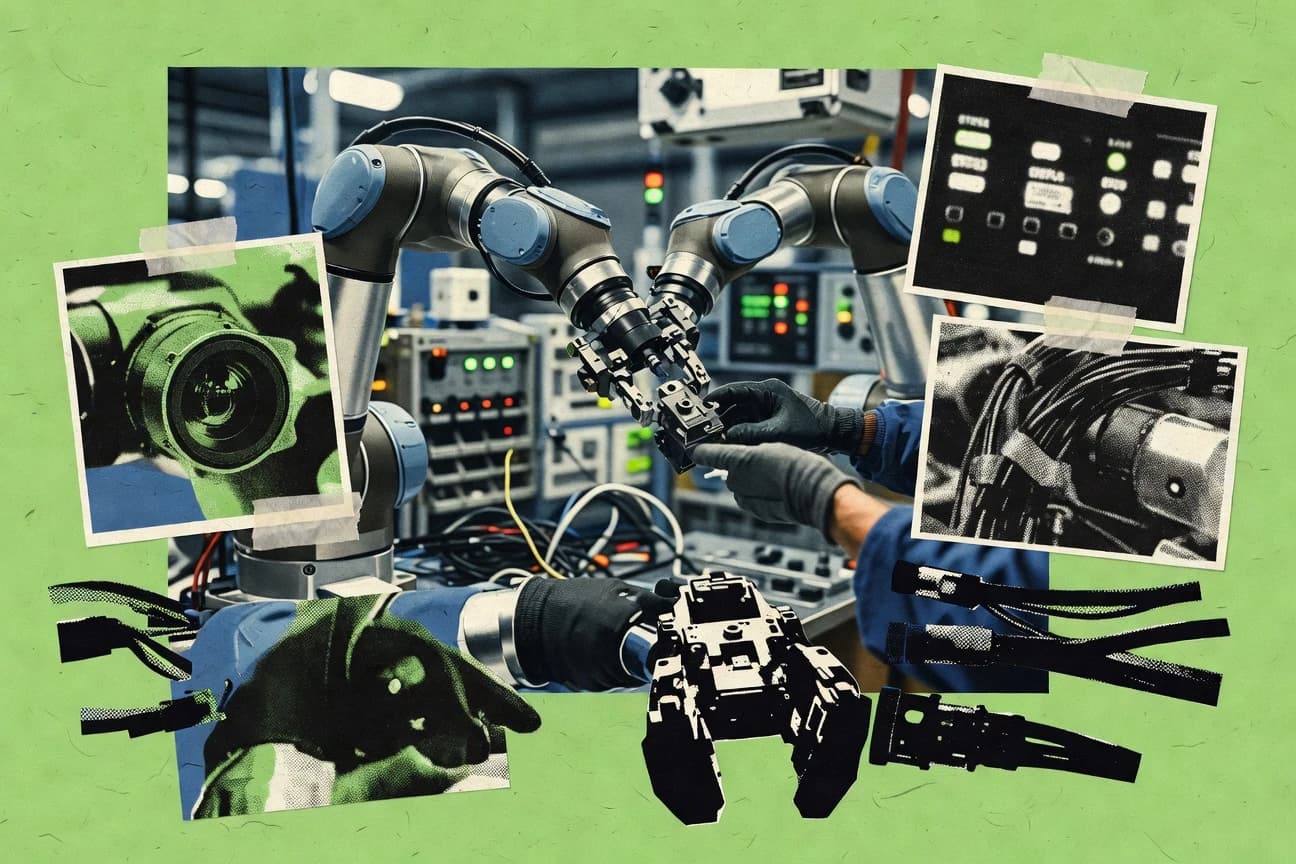
AI In The Robotics Industry Statistics
By 2030, the industrial robotics market is forecast to jump from $1,686 million in 2023 to $3,454 million, while AI-enabled predictive maintenance is associated with a 4.0x ROI lift and up to a 90% reduction in machine downtime risk. This page connects the dots between connected robot adoption, camera and warehouse software spend, and what actually blocks scale such as 45% of industrial teams citing data readiness as the bottleneck.

AI In The Cloud Industry Statistics
From 45% of teams running production workloads on public cloud to Gartner’s projection that 35% will be running AI workloads in the cloud by 2024, this page connects the business momentum with the hard tradeoffs, like cost staying a top concern for 35% of IT leaders and cloud cost optimization typically cutting infrastructure bills by about 20%. You will also see why reliability and scalability are getting rewritten around cloud targets such as 99.99% availability and why AI supply keeps expanding, including the AIaaS market at $13.3 billion in 2023 and the push toward containerized production workloads reaching 46% by 2027.

AI In The Railroad Industry Statistics
See how AI is reshaping railroad operations with the newest statistics from 2025 and what they mean for real-world performance, from productivity gains to measurable safety and maintenance outcomes. The contrast between where systems are delivering results and where adoption still lags makes the data far more revealing than headline promises.

AI In The Book Publishing Industry Statistics
With AI adoption surging across publishing workflows, 2025 data shows how much production, metadata, and discovery decisions are shifting behind the scenes. Read the page to see exactly where the gains show up and where the unexpected bottlenecks still stall ROI.

AI In The Food Delivery Industry Statistics
By 2030, the online food delivery market is projected to reach $402.8 billion, while AI is already cutting friction in the experience from 23% fewer support tickets to a reported 15% improvement in on time delivery using ETA prediction models. See how route, forecasting, and fraud detection are reshaping costs and quality at scale, including a 20% reduction in CO2 emissions per route and $0.9 billion in annual fraud detection revenue opportunity.

AI In The Research Industry Statistics
By 2030, global AI in healthcare is projected to jump from $8.1 billion in 2023 to $93.4 billion, while the AI drug discovery market could swell from $1.4 billion to $11.4 billion, even as only 38% of organizations had AI models in production in 2023. You will also see how governance and compliance readiness lag behind investment, with 82% reporting model governance processes yet just 27% using AI for R&D or innovation, alongside hard benchmarks like PubMed’s 240M plus citations and clinical trial databases scaling to hundreds of thousands of studies.

AI In The Food Service Industry Statistics
With 74% of diners craving personalization, the page connects revenue wins like a reported 25% QSR order conversion uplift to measurable operational speed gains, including a 1.7x faster support response time from generative AI pilots. It also quantifies why AI in foodservice is moving fast, from 99% of restaurants being small businesses that need affordable tools to an AI share of global foodservice technology spend set to reach 3.0% by 2027.

AI In The Consumer Electronic Industry Statistics
With 80% of consumers saying they want AI features in the products they buy and 33% of smartphone owners already using at least one AI capability on device, the demand case is getting louder fast. This page connects that pull to the hardware and cost reality behind smart TVs, wearables, and smart speakers including $34.2B in generative AI software in 2023, edge AI growth toward $48.5B by 2030, and how on-device optimization like INT8 quantization can cut latency and energy while regulation and data rules tighten the guardrails.

AI Infrastructure Industry Statistics
See how the AI infrastructure buildout is accelerating into 2026, with spending and capacity trends moving faster than the timelines most teams plan for. The page contrasts compute, network, and power bottlenecks to explain why growth is uneven across regions and cloud stacks.

AI In The Yacht Industry Statistics
With AI adoption now pushing yacht operations toward measurable efficiency, the latest 2026 figures reveal a sharp shift from experimentation to real impact across maintenance, navigation planning, and customer services. These statistics quantify where time and cost savings are showing up fastest, so you can spot which AI bets are paying off and which still lag behind.

AI In The Demolition Industry Statistics
AI is reshaping demolition decisions faster than the industry expects, with 2026 figures pointing to sharply higher adoption and more predictive planning on active sites. See where the biggest gains appear, how outcomes shift with smarter models, and what’s still lagging behind when technology meets real jobsite constraints.

AI In The Payment Industry Statistics
Fraud is costing more time than it should, with organizations losing an average of 18 months to move from fraud detection to recovery and Mean time to contain rising to 73 days when breaches hit. See how faster decisioning and broader AI adoption are reshaping payment risk, including 46% of banks using AI for fraud detection and AI in payments projected to grow at a 40.2% CAGR through 2032.

Top AI Industry Statistics
Most teams are already using AI, yet only 58% have AI in production and 39% have dedicated AI governance, so the gap between adoption and responsible execution is stark. You will also see what 2025 scale looks like for the market and performance, including $66.8 billion for global AI software in 2024, $407.0 billion forecast for 2028, and how quantization cuts inference latency by 30% in production deployments.

AI In The Furniture Industry Statistics
See how AI is reshaping furniture decisions in 2025, from faster forecasting to sharply different design and inventory outcomes than the old spreadsheet rhythm. The page turns those shifts into concrete, comparable stats so you can spot where adoption is paying off and where it is stalling.