
Market data
Safety Accidents
Explore verified safety accidents statistics and market research reports with sourced data and trend analysis.
Latest update:
 Yumi Nakamura

Pitbull Attack Statistics
Even before you get to policy debates, the clinical data is stark: pit bulls are far more likely than other breeds to land in hospital for severe dog-bite injuries, with median charges around $28,000, while dog bites drive hundreds of thousands of emergency visits every year. This page connects those outcomes to what drives enforcement and prevention, from breed identification errors and mixed evidence on breed specific legislation to owner behavior and training that can reduce risk.

Deer Collision Statistics
Deer are behind a large share of wildlife crashes, from 59% of reported animal vehicle collisions in Wisconsin to 34% in a North Carolina dataset, and the scale is staggering with up to 3 million deer vehicle collisions in the United States each year. You will also see which fixes actually move the needle, including median 86% effectiveness for wildlife crossing structures and a 33% reduction in night collisions from reflective pavement markings.

Airline Safety Statistics
With 0.32 fatal accidents per 100,000 flights in 2023, the page puts aviation safety in perspective by shifting the focus from rare outcomes to what drives day to day risk. You will see how 72% of NTSB recommendations reach implemented or in progress status within 5 years alongside the business and operational systems that make improvements stick, from predictive maintenance and flight data monitoring to just culture reporting and runway approach discipline.

Railroad Crossing Accident Statistics
Rail crossing fatalities drop when active warning systems succeed at getting road users to comply, and U.S. modeling shows connected and advanced alerts can tighten warning timing errors instead of relying on reaction time. This page also ties crash hotspots, sight line constraints, signal downtime, and benefit cost findings into a current USDOT and FRA investment picture supported by IIJA rail safety funding.

Mount Everest Death Statistics
Everest’s deadliest patterns look less about one freak storm and more about repeatable failures, from hypothermia and exhaustion at extreme altitude to avalanches and falls that together account for 102 deaths since 1922. As of June 2023, there are 322 recorded deaths overall, but only about 1 death per 20 summits, meaning the margin is razor thin and the risks shift dramatically by route, season, and congestion.

Atv Injuries Statistics
With ER visits hitting a record 102,500 in 2023 prelim and a steep rise in costs, this page connects who is getting hurt and how to prevent the next wave. You will see the contrasts that matter, from rural rates and helmet gaps to the role of alcohol and operator versus passenger risk, plus what saved money when proven safety steps took hold.

Semi Truck Crash Statistics
Fatal large truck crashes still hinge on where and how drivers lose control, with 35% hitting rural roads and 23% occurring at intersections, plus a widening slice tied to human factors like speeding at 17% and distracted driving at 16%. The cost stakes are just as sharp, including $30.4 billion in estimated economic burden from fatal and injury large truck crashes in 2017 and evidence that measures like stability control and ELD compliance could cut serious crashes by up to 9%.

Helmet Safety Statistics
From 50 daN chin strap retention thresholds in UNECE and CPSC penetration limits to effectiveness results like helmets cutting head injury risk by about 70%, this page connects the lab tests that get approved with real world outcomes, including the 44% lower risk of death seen in U.S. studies and a 7.1% helmet wearing rate among cyclists treated for head injuries. It also highlights how laws and enforcement matter, from a 20 year Australia trend showing about a 20% reduction in head injury risk to where partial helmet laws still leave gaps, so you can see why compliance is as important as the helmet itself.

Trampoline Danger Statistics
Recent CPSC data still pins trampoline injuries at a startling scale with about 420,000 medical visits every year across all settings, while emergency department patterns reveal why age and supervision matter so much, including fractures and head or facial injuries. You will see how risk shifts from youth to older adults and which fixes, like properly secured nets and staff-enforced rules, measurably cut unsafe behavior and minor injuries.

Trampoline Accident Statistics
Trampoline injuries skew hard by age and setting, with boys dominating under 6 and the highest teen risk for males, while females quietly take a larger share of harm in later adult years and over 65 cases. Even with safety changes and indoor park growth, the scale remains sobering with about 100,000 US emergency department visits in 2020 and a 20 percent rise in ER visits from 2010 to 2020.

Pitbull Mauling Statistics
Pit bulls account for 66% of US dog fatalities while representing only 6% of the population of dogs, and they cause injuries that are far more severe than other breeds, including about 5 times as many hospital driven cases as Labradors. If you want the real contrast behind the headlines, this page connects breed share, bite severity, and where attacks hit hardest, including the 2023 preliminary count of 22 fatalities reported as of November.
Car Accident Age Statistics
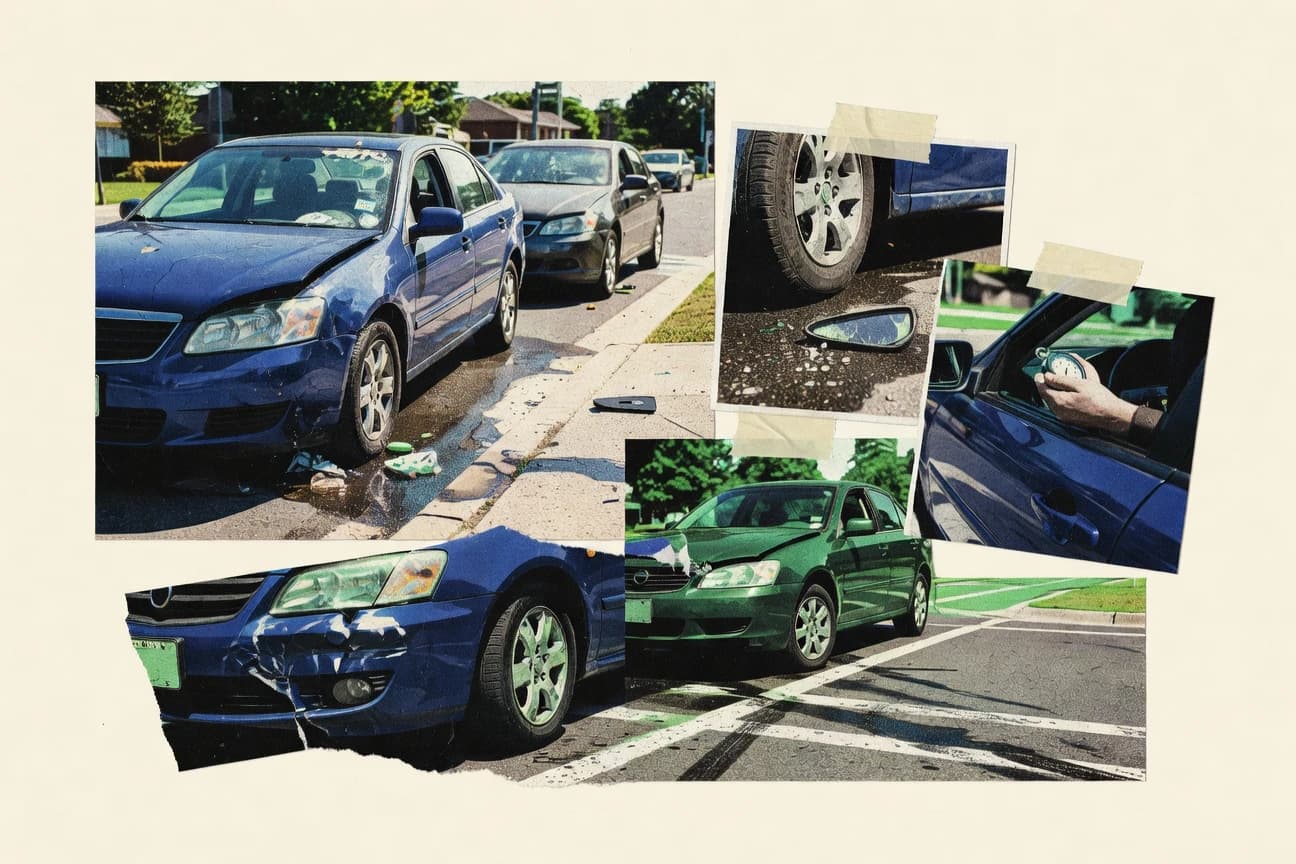
Fatal crash patterns by age still hinge on a few hard-to-ignore fault lines, including that 25 to 44 year olds recorded 11.2 fatalities per 100,000 population in 2022. But Car Accident Age zeroes in on the contrasts most people miss, like drowsy driving tied to 18% of 25 to 34 fatal crashes in 2020 and seatbelt non use showing a 48% efficacy gap among 30 to 39 drivers in 2022.

Car Safety Statistics
Road crashes keep draining economies and lives at a staggering scale, but the counterpoint is sharper than you might expect. From a 5 km/h speed cut that can reduce injuries by about 30% in Europe and seat belts cutting death risk by 45% to how 1.28 million US crashes involved a distracted driver, this page connects the biggest risk factors to exactly what prevention measures can change.

Fall Injury Statistics
Falls are the leading cause of injury death for US adults age 65 and older, and 2.4 million emergency department visits each year are linked to falls in this age group. You will also see how targeted prevention can make a measurable dent in risk, including home safety interventions cutting community fall rates by about 24 percent and hip fractures leading to roughly 1 in 5 deaths within a year.

Winter Car Accident Statistics
Winter crashes are not just “slower driving” problems. With 2,839 deaths tied to snow and ice in the most recent NHTSA extract and alcohol contributing to 15% of U.S. traffic fatalities, this page connects winter-specific crash patterns like misjudged traction head ons and longer stopping distances to practical ways to reduce risk.

Small Plane Safety Statistics
When you look at small aircraft safety, the biggest threats do not look like they happen in a control tower they show up as pilot related factors and daytime VFR mishandling, with pilot recency gaps playing a major role. This page connects the practical rules that shape day to day operations, from 406 MHz ELT detection and Part 135 maintenance programs to training and cockpit alerting results, so you can spot what most often turns “routine” into fatal.

Small Plane Accident Statistics
Preliminary 2023 data points to 1,310 small plane accidents and 210 fatalities, with fatal accident rates still edging down compared with recent years. From 45% fewer accidents per 100,000 flight hours since 2000 to stubborn hotspots like pilot error and loss of control in flight, this page maps what has improved, what has not, and where risk concentrates as technology and training catch up.

Shark Bite Statistics
A page that puts first response and prevention in hard numbers, where rapid EMS under 20 minutes brings 98% survival and tourniquet use can save 90% of severe bleeders. It also tracks how risk keeps shifting, from 69 verified unprovoked bites worldwide in 2023 up 40% from 49 in 2022, with 70% of fatalities tied to torso or throat injuries.

Winter Driving Statistics
Winter driving turns risk into momentum faster than most people expect, with icy pavements linked to about 2.3 times higher crash risk than dry roads and a near 50% drop in stopping performance when braking deceleration falls on ice. You will see how crowding, speed choices, and distracted driving stack up with pavement temperature and salt effectiveness, plus the often overlooked exposure factor that 23% of U.S. traffic fatalities happen on non interstate roads.

Drunk Driving Deaths Statistics
Road traffic crashes cost the world an estimated $2.0 trillion every year, and alcohol is tied to a large share of that harm, including 2.0 alcohol impaired driving fatalities per million people in the United States and 6.5% of U.S. adults reporting DUI in the past year. See which proven fixes move the needle, from ignition interlocks cutting recidivism by 26% to 30% on average to changes in enforcement and BAC limits that reduce crashes and deaths.