Market data
Health & Medicine
Explore health & medicine statistics and market research reports with sourced data and trend analysis.
Latest update:
 David Kowalski

Statistics · 2026
First Aid Statistics
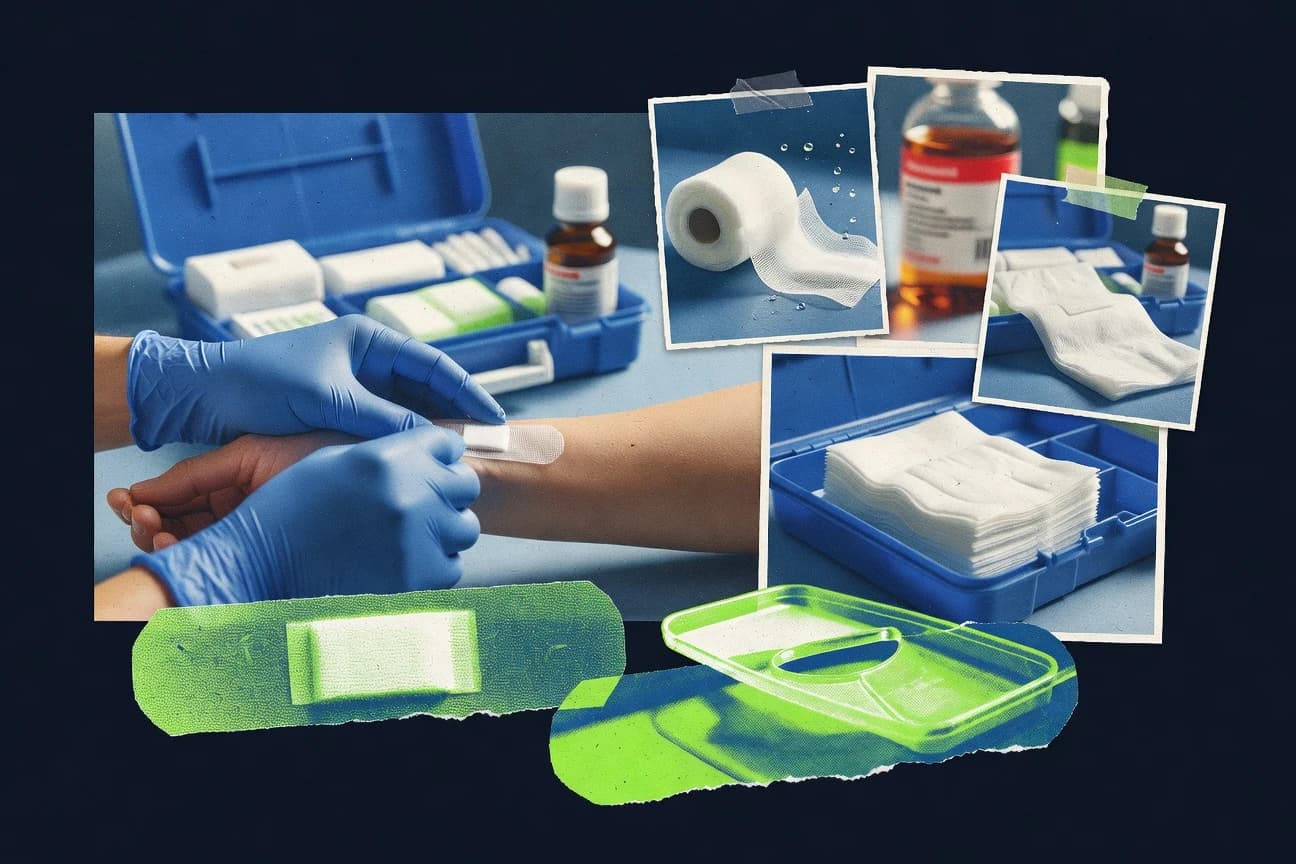
Every day, first aid saves lives, but the gap between what people think to do and what actually helps can be staggering, and the latest 2025 figures show it. Read the statistics to see where emergencies are most common and which first aid actions make the biggest difference when seconds count.

Statistics · 2026
Obesity In America Statistics
With obesity linked to $460 billion a year in US healthcare spending and productivity losses adding another $74 billion, the page shows why the economic impact keeps outpacing the policies meant to curb it. It also spotlights treatment gaps like 52% of eligible adults with obesity not getting anti-obesity pharmacotherapy and the surprise that semaglutide trial results translate into measurable benefits that coverage rules and utilization management are still struggling to match.

Statistics · 2026
Breast Biopsy Results Statistics
See how breast biopsy results stack up when you zoom in on benign versus malignant findings and what that means for the next steps, including the share of cases that avoid repeat procedures. The latest 2026 numbers bring the most practical contrast between “wait and watch” outcomes and diagnoses that move straight to treatment planning.

Statistics · 2026
Lasik Risks Statistics
LASIK satisfaction can look comforting at first glance, but the risks behind those high approval rates deserve a closer look, especially with the 2026 figure of 1.0% for flap related complications. See how the 2025 lifetime enhancement rate of 6.6% shifts the real expectation of outcomes and costs.
Statistics · 2026
Pregnancy At 42 Statistics
At 42, the path to pregnancy is shaped by sharply different chances depending on fertility factors, and the latest statistics make that gap impossible to ignore. If you are trying to plan realistic next steps, these 2025 numbers put the odds and tradeoffs in plain view so you can move forward with clarity, not hope alone.
Statistics · 2026
Womens Health Statistics
From 800 daily pregnancy and childbirth deaths that could be prevented to 29% of women worldwide living with anemia, this page connects the health stakes we can’t ignore to the conditions and markets shaping care. It also tracks how big the opportunity is, including a $24.9 billion global women’s health market in 2023 projected to reach $40.0 billion by 2030, alongside urgent realities like intimate partner violence affecting 1 in 3 women.

Statistics · 2026
Placenta Previa Statistics
Placenta previa affects about 1.1–1.7 per 1,000 births, yet when bleeding happens the path can shift fast from individualized timing and cesarean planning to PAS workup that uses ultrasound and selective MRI. You will also see why transfusion risk rises sharply with deeper overlap, why 9% needed transfusion in one systematic review, and how modern hemorrhage protocols, point of care ultrasound adoption, and simulation training are starting to change outcomes for high risk patients.

Statistics · 2026
College Student Drug Use Statistics
More than 1 in 4 college students who needed help for drug use reported not getting treatment, while only 0.7% reported receiving medication for opioid use disorder. At the same time, marijuana remains the most common primary drug among those who used and naloxone and prevention programs are unevenly available across campuses, making this a page for anyone wondering why help is often out of reach when risk feels close.
Statistics · 2026
Covid Vaccination Statistics
See how Covid vaccination coverage and booster uptake have shifted in 2025, and what that change suggests for where protection is strongest and where it has started to slip. This page breaks down the latest statistics so you can spot the real-world gaps behind the headlines.

Statistics · 2026
India Health Statistics
See how India’s health picture is changing fast, with 2026 indicators pointing to where pressure is rising and where care is starting to catch up. From stark need to measurable movement, these latest statistics help you understand what to watch next.

Statistics · 2026
Music And Stress Statistics
2026 data suggests music is more than background noise, with clear links to reduced stress responses that are strong enough to matter day to day. But the same dataset also shows who benefits most and what kinds of listening habits miss the mark, making it worth reading past the headline.

Statistics · 2026
Heroin Statistics
Heroin statistics in 2025 show how sharply patterns can shift, with overdose risk and treatment access moving in opposite directions across communities. Read the page to see the clearest, most current numbers side by side and what they imply for prevention and care where you live.

Statistics · 2026
Babies Born With Stds Statistics
Babies born with STDs are far less predictable than most people assume, and the latest numbers show how often infections are detected only after birth. This page connects the shift from prenatal screening to what actually happens at delivery, so you can see where the biggest gaps and surprises lie.

Statistics · 2026
Vbac Statistics
Find out how often VBAC attempts actually end in a successful birth, and what the 2026 numbers suggest about the biggest swing factors like induction and prior delivery history. If you are trying to make sense of competing success rate claims, these up to date statistics will help you separate reassurance from risk.

Statistics · 2026
Hydration Statistics
Women 19+ in the U.S. reach only 2.7 liters a day, yet dehydration effects can start at just 1.1% body weight, shifting alertness and reaction time, while endurance athletes often need 6–8 g of salt per liter of sweat to actually replace what’s lost. This page ties clinical hydration markers to real-world guidance, from urine osmolality thresholds to why carbohydrate electrolyte drinks at 30–60 g/h can outperform water alone.

Statistics · 2026
Birth Control Statistics
Find out why contraception use in the U.S. still drops from 79% at ages 15 to 19 to 44% at ages 40 to 44, even as about 9% of women 18 to 44 report an unmet need for contraception and 21% cite cost as a barrier. Then compare method snapshots like LARC at 15% in the last month versus pills at 20% and condoms at 8%, alongside failure rates and emergency contraception effectiveness, to see what really changes outcomes.

Statistics · 2026
Tanning Bed Cancer Statistics
UV radiation from indoor tanning devices is classified as carcinogenic to humans, and the list of harms goes well beyond melanoma to basal and squamous cell skin cancers. You will see how dose and timing change risk, including pooled results showing higher melanoma risk for people who start young plus an estimate that indoor tanning is linked to about 419,000 U.S. skin cancer cases each year.
Statistics · 2026
Reaction Time Statistics
Your reaction time is not just slower or faster, it shifts in measurable ways across sleep, attention, aging, and choice complexity, from a 15 to 20 percent penalty under sleep loss to diffusion model splits where non decision time alone can sit around 200 ms. If you want why this matters beyond the lab, the wearables ecosystem now projects 791.8 million global shipments in 2024, turning latency and response speed into something workplaces, clinicians, and training platforms can track and justify with ROI.

Statistics · 2026
Coronavirus Statistics
Global excess deaths attributed to COVID-19 in 2020 reached 10.9 million, while as of 2025-05-12 the US has recorded 7.1 million COVID-19 deaths and the world 4.9 million confirmed deaths, with Omicron’s surge and vaccine and treatment results reshaping what “risk” looks like now. From hospital admissions during peak BA.1 to real world test and ventilation performance, this page links the biggest figures to the key shifts that changed outcomes.
Statistics · 2026
African American Health Statistics
See how African American health outcomes have shifted in 2025, where key measures reveal both progress and stubborn gaps side by side. If you want to understand what is actually changing and what still needs urgency, these statistics will give you the sharp contrast.