
Market data
Furniture And Home Decor
Explore verified furniture and home decor statistics and market research reports with sourced data and trend analysis.
Latest update:
 Isabelle Moreau

Korea Furniture Industry Statistics
Korea Furniture Industry’s latest figures capture a market pivot, where the industry’s headline production and export momentum in 2025 collides with shifting demand signals. Read the page to see exactly how the numbers changed, and what that contrast suggests for 2026 planning.

Mirror Industry Statistics
Mirror Industry’s latest statistics make the contrast hard to ignore, with 2026 figures showing demand shifting faster than production can keep up. Get the clearest snapshot of what is changing right now and which parts of the mirror market are gaining ground, not just what used to be true.

Commercial Furniture Industry Statistics
Commercial furniture is tightening its price and supply story at the same time, with 2026 data pointing to higher costs and longer lead times that are squeezing project budgets. Get the key figures behind how manufacturers, retailers, and specifiers are adjusting their orders and timelines, and what that shift means for what ships next.

Kitchen Cabinets Industry Statistics
See how Kitchen Cabinets Industry numbers shifted in 2025, with production and pricing signals no longer moving in lockstep. If you want to understand what those swings mean for timelines, materials, and margins, this page pulls the most decision ready stats into one place.

China Furniture Industry Statistics
China’s furniture industry is still the global benchmark, but the latest export and retail figures show how fast demand and trade are shifting from year to year, with export value around $58.0 billion in 2023 after $49.4 billion in 2022. This page connects production scale, export destinations like the US and Germany, and domestic buying power with the compliance and sustainability pressures shaping what gets made and sold next.

Kitchen Cabinet Industry Statistics
The global kitchen cabinet market is projected to climb to $40.2 billion by 2030, growing at a 6.3% CAGR from 2024 to 2030, while North America moves from $8.9 billion in 2023 to a projected $11.4 billion by 2030. If you care about what actually drives demand, the U.S. cabinet and countertop shipments jumped to 9.9 million units in 2023 alongside remodeling pressures and shifting buyer priorities like soft close and durability.

Interior Design Statistics
From 2025, interior design decisions are being shaped by a sharp shift in what homeowners actually spend on, with project budgets and material choices changing more quickly than trends on Pinterest. Read the statistics to see where demand moved and which design elements started gaining real momentum, not just attention.

Italian Furniture Industry Statistics
From 2026 figures that capture how quickly Italy’s furniture production and trade are reshaping, to the most telling shifts in demand, this page puts the Italian market into sharp focus. You will see where the momentum is accelerating and where margins and sourcing pressures are quietly changing the rules.
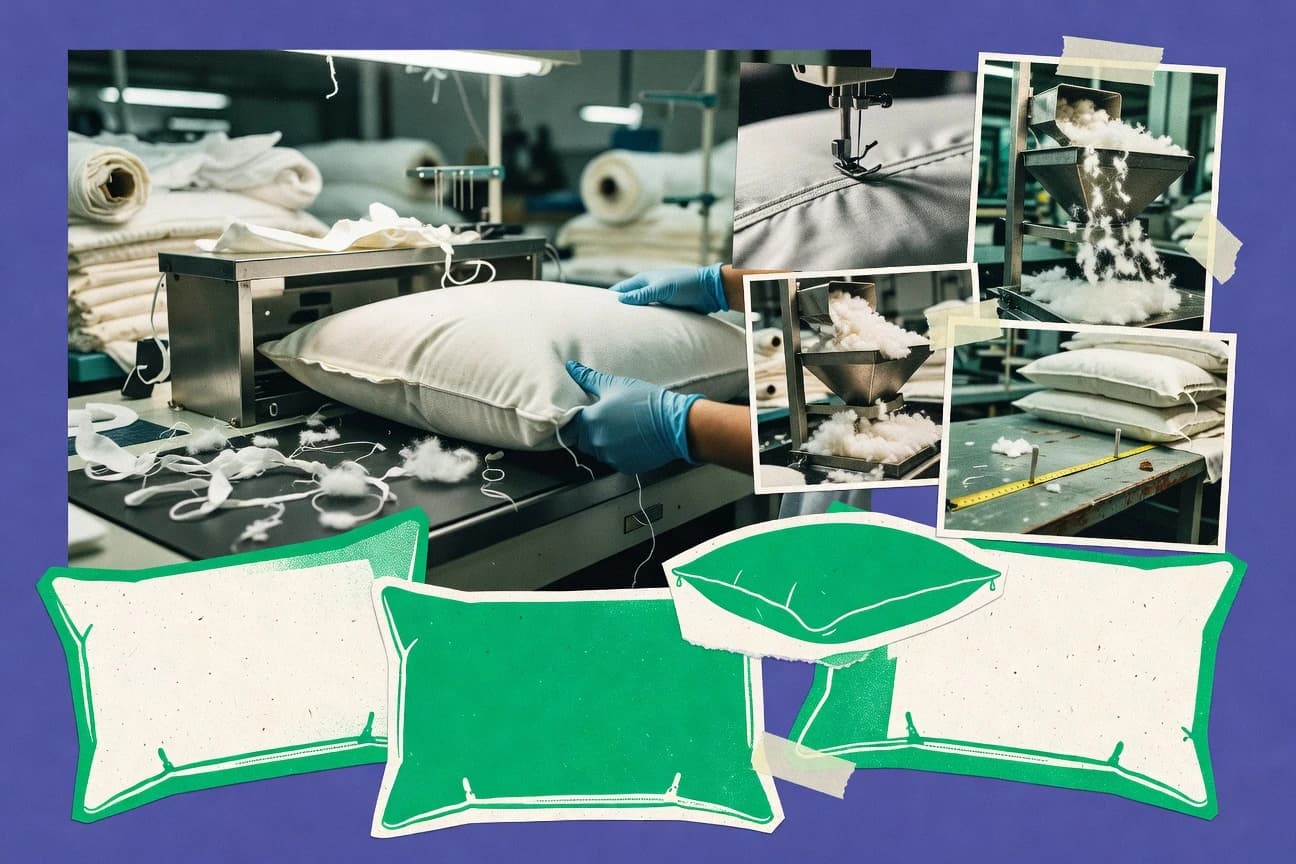
Pillow Industry Statistics
Fresh 2025 figures show how quickly pillow demand and production are moving, and why supply chain pressure is reshaping what brands can stock and ship. Get the sharp breakdown behind the shift, so you can see the exact pressure points driving 2025 outcomes rather than the usual broad claims.
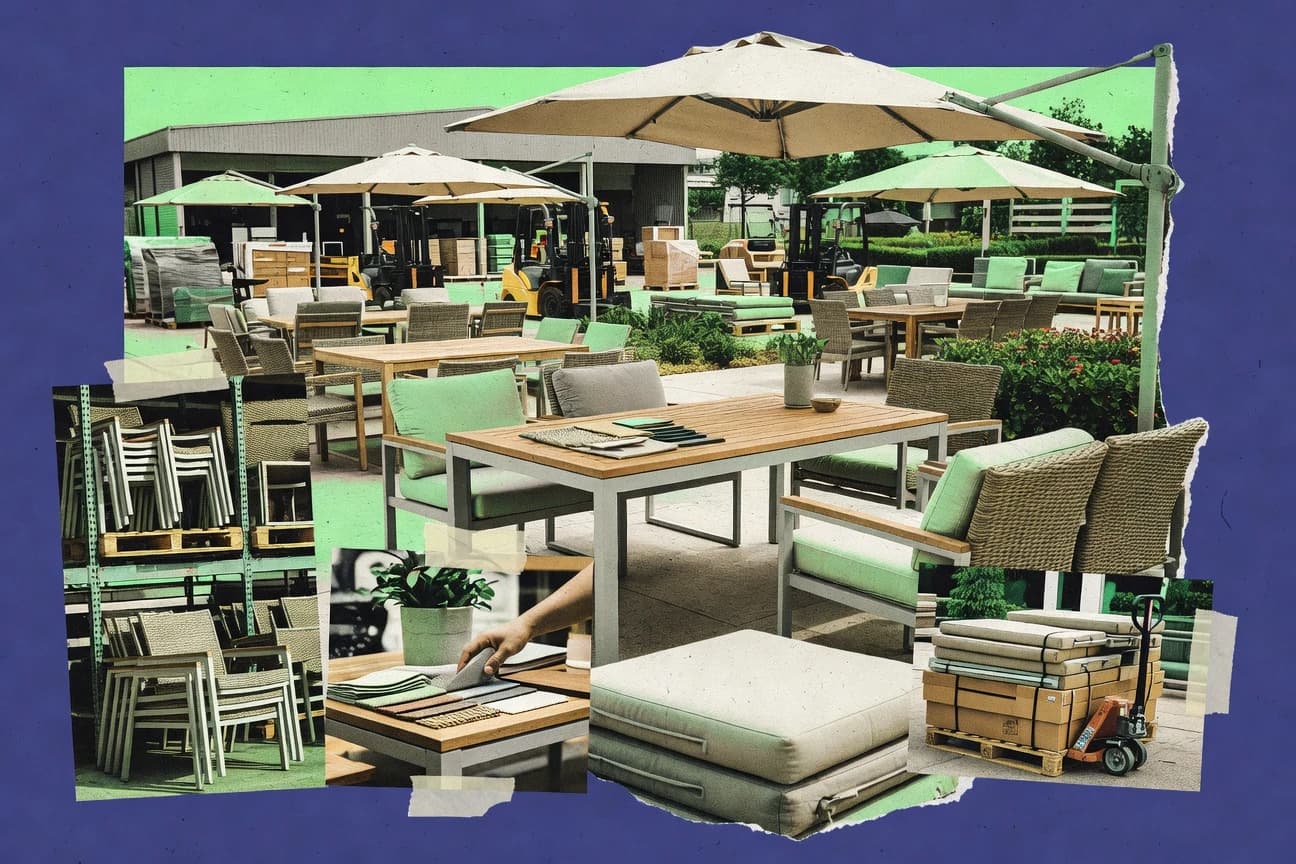
Patio Furniture Industry Statistics
With the patio furniture market projected to climb from about $6.5 billion in 2023 to around $10.0 billion by 2032 at roughly a 5.4% CAGR, this page shows exactly what is driving demand and what is squeezing margins from construction inputs to returns. You will also see the buying signals that matter, like 70% of consumers considering sustainability by 2024 and the U.S. furniture price pressures of 4.1% for outdoor furniture in 2023, alongside the practical ecommerce and durability factors that influence what actually sells.

World Furniture Industry Statistics
Online furniture already accounts for 30% of total sales and luxury consumption is holding at $30 billion globally, even as the industry still works on an average 7 to 10 year replacement cycle. World Furniture Industry’s statistics bring together what is driving office and hybrid demand, why Gen Z is paying a premium for sustainable pieces, and how exports and factory output trends are reshaping supply in 2025.

Rugs Industry Statistics
Global rug shopping is shifting fast, with U.S. revenue at $8.4 billion in 2023 and e commerce sales reaching $10.4 billion worldwide, while 28% of consumers now buy custom sizes via apps. The page connects those purchase changes to the why, from 42% of consumers prioritizing wool or recycled PET to pet owners driving 70% of pet proof rug choices in the U.S.

Home Furnishings Industry Statistics
From online home furnishing sales hitting $45 billion in the US in 2023 to 72% of global purchases still happening in physical stores, this page highlights the sharp realignment between where shoppers browse and where they buy. It also pairs global spend and market growth with sustainability momentum like 72% of manufacturers using recycled materials, so you can see what is driving demand and what shoppers increasingly demand.

Hearth Industry Statistics
U.S. households are leaning more into electrification, with 38% using electricity for space heating and 31% already owning a heat pump in 2023. The same households still pay a price for old habits and equipment choices, from only 12% using wood stoves or fireplaces for heat to central air costs that can run $5,000 to $10,000, making this page essential for anyone tracking where hearth and heating upgrades are heading.

Sofa Industry Statistics
Smart features, eco fabrics, and space-saving layouts are colliding in the US, EU, and Asia, from 73% Chinese buyers prioritizing USB and speakers to 45% globally shifting to sleeper sofas after the 2023 travel recovery. With the global sofa market at USD 142.5 billion in 2023 and steady growth ahead to USD 210.3 billion by 2030, this page connects what shoppers want region by region with how the industry is producing it.

Interior Design Industry Statistics
With the U.S. interior design services industry projected to hit $16.1 billion by 2029, the page ties that long runway to the new-day realities behind real projects, from a 3.4% year over year jump in interior paint services to 29% of homebuyers using virtual tours. You will also see how design decisions are shifting toward accessibility and aging-in-place, how digital collaboration is changing vendor handoffs, and what those cost and wage benchmarks mean for designers and clients alike.

Window Blinds Industry Statistics
Smart and energy focused window treatment demand is reshaping the category with app controlled blinds wanted by 62% of U.S. survey respondents in 2023 and 72% of homeowners favoring cellular shades for efficiency, alongside $450 million in global smart blinds R and D in 2023. From Hunter Douglas leading 15% of global share and Somfy at 28% of Europe motorized share to IKEA’s $1.2 billion blinds sales and Graber Venetian blinds holding a 22% U.S. share, this page connects buyer behavior with the brands and production scale that are driving the 2023 market.

Towel Industry Statistics
A 5.5% CAGR through 2030 is projected to lift the global towel market while U.S. textiles and apparel accessories still captured just 0.7% of retail sales in 2023, so the real growth battleground is shifting between household cleaning budgets, fiber economics, and durability and compliance. You will see how materials and testing outcomes like microfiber absorbency and abrasion cycles intersect with lint and microplastic release, plus the regulatory push around PFAS and laundering chemistry across the EU, China, Pakistan, Bangladesh, and India.
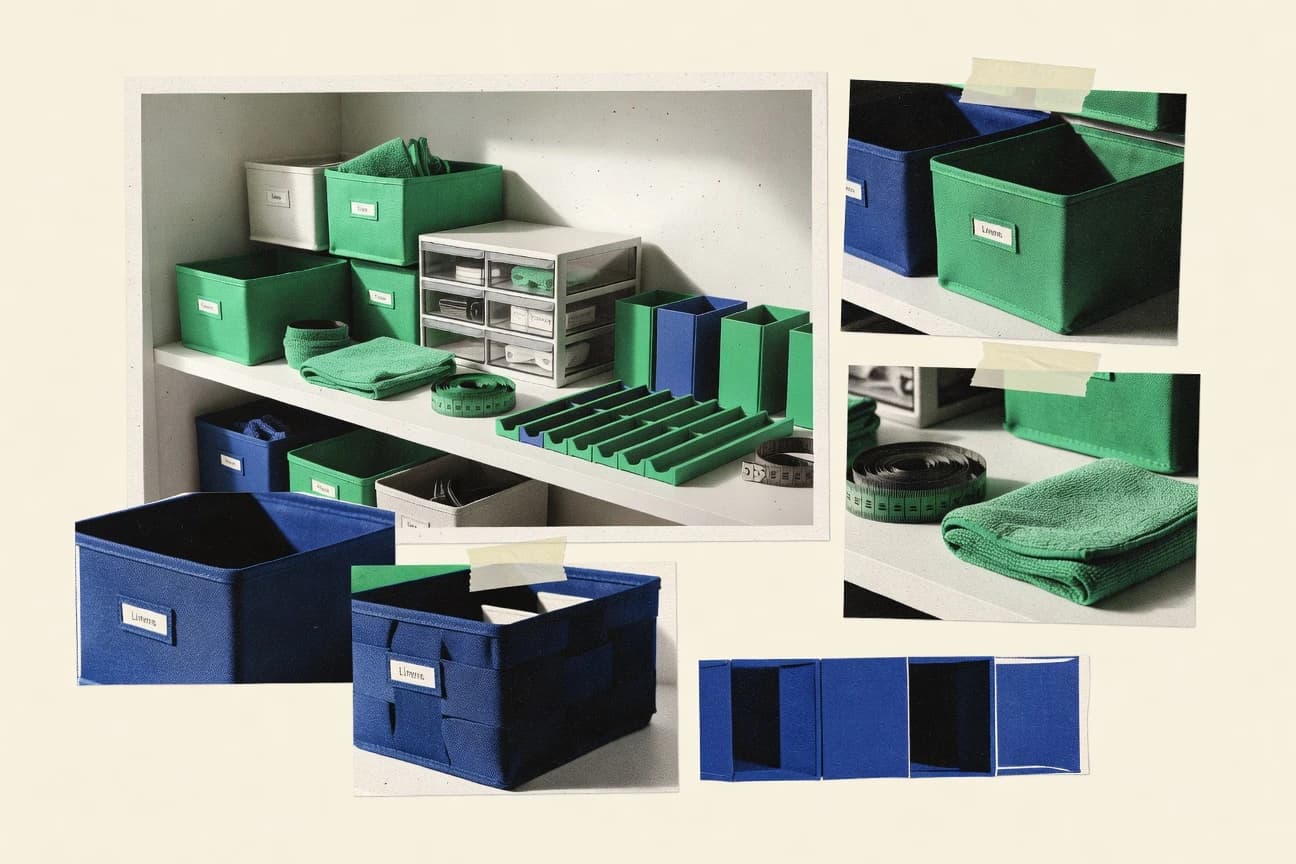
Home Organization Industry Statistics
Smart and sustainable home organization is no longer a niche habit, with eco-friendly preferences among Gen Z and smart home organizers reaching high-income households, plus online purchases pushing storage into new consumer routines. This page puts the biggest buying signals side by side, from women driving 68% of U.S. purchases to remote workers and renters favoring modular setups, so you can spot exactly what is gaining momentum right now.
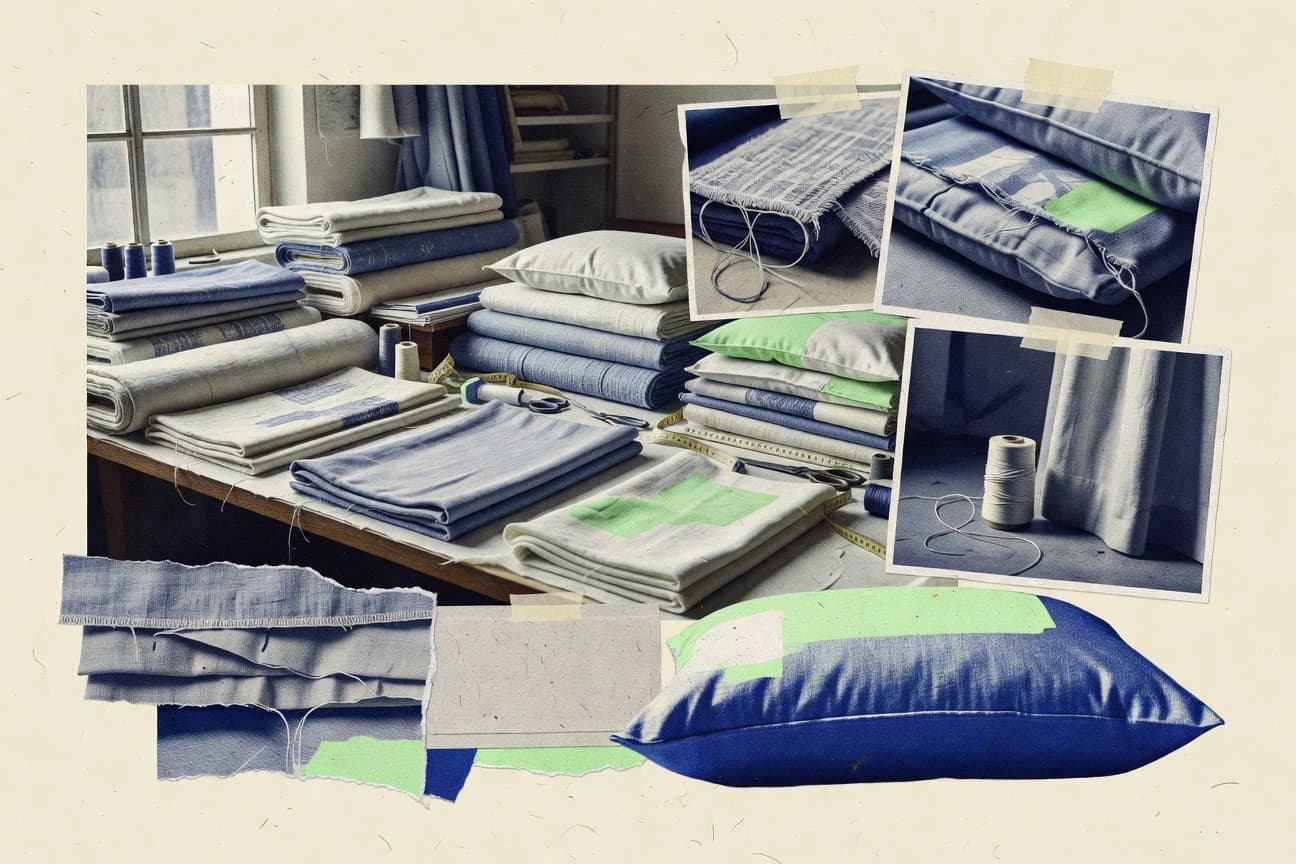
Home Textiles Industry Statistics
Home Textiles Industry facts from 2023 to 2025 reveal why buyers are shifting fast, from 45% of US consumers favoring sustainable materials and online accounting for 35% of US home textiles purchases to smart-integrated bedding rising 25% among urban Chinese. Add in the business scale and supply chain pressure, with global home textiles revenue reaching USD 142.5 billion in 2022 and logistics costs up to USD 10.2 billion in 2023, and you get a clear picture of what is driving choices and margins.