
Market data
Biotechnology Pharmaceuticals
Explore verified biotechnology pharmaceuticals statistics and market research reports with sourced data and trend analysis.
Latest update:
 Nathan Caldwell

Global Pharmaceutical Industry Statistics
See how global pharmaceutical production and pricing pressure move together in 2026, with market and patient impact reflected in the latest headline figures. The contrast between fast changing demand and where spending or access lands by country makes the trends hard to ignore.
Bioprocessing Industry Statistics
See how 2026 projections are reshaping expectations for bioprocessing scale up and investment, with demand and capacity trends moving faster than many operational models. The page sets side by side the headwinds and momentum across the value chain so you can gauge where throughput, costs, and process performance are likely to converge next.
Drug Industry Statistics
See how drug industry numbers are shifting in 2026, from where R and D money is landing to which markets and timelines are actually moving. The most surprising part is the contrast between headline growth and the operational realities behind it.

Psychedelic Industry Statistics
Track how investment, research momentum, and market scale are moving fast, and where the hype still clashes with measurable outcomes. If you think psychedelic progress is slowing, the latest 2025 figures across regulation and clinical activity suggest a sharper turn than most headlines admit.
Cdmo Industry Statistics
CDMO Industry’s latest stats show how quickly 2026 priorities are reshaping outsourcing decisions, with demand and capacity signals moving in opposite directions that many teams did not expect. The result is a clearer view of where contract manufacturing is tightening and where new room is opening for sponsors.
Today Pharmaceutical Industry Statistics
Projected global pharmaceutical spending is set to reach $1.6 trillion by 2023 and generics already drive 88% of US prescriptions while taking only 24% of total drug spend, a split that reshapes where value is actually moving. From Breakthrough Therapy Designations and COVID and gene therapy trial counts to the $1.53 trillion market forecast by 2030, the page ties pipeline momentum to the spending and access pressures growing worldwide.
Biotechnology Industry Statistics
With the global biotechnology market forecast to grow at a 6.8% CAGR from 2024 to 2032, and U.S. biomanufacturing demand projected to rise 6.5% through 2027, this page puts growth beside the real-world frictions that slow therapies from lab to patient. Expect striking cost and timeline contrasts, like a median 5.2 years for FDA innovative-therapy clinical trials and sterile cleanroom needs at ISO 5, alongside hard regulatory throughput and biosimilars momentum.
Sequencing Industry Statistics
Sequencing Industry’s latest benchmarks track how quickly costs, throughput, and competition are shifting at the point where labs actually feel it, including 2025 data that highlights the new gap between aspiration and day to day reality. If you want to plan capacity or pricing with fewer guesses, these statistics show exactly which parts of the sequencing chain are tightening and which are still wide open.
Pharma Industry Statistics
Discover how pharma’s cost and capacity pressures are shifting, with 2026 figures pointing to a sharper squeeze on drug development timelines and supply reliability than the industry expects. You will see exactly where the biggest moves are happening and why the gap between R and D ambitions and real world execution is getting harder to bridge.
South Korea Pharmaceutical Industry Statistics
South Korea’s pharmaceutical system is balancing trade pressure and strict oversight, with imports at USD 13.6 billion in 2023 versus exports of USD 11.5 billion and a supply chain that still moves medicines in about 2.5 days on average. Jump from KRW 30.3 trillion market size in 2023 to generics taking 87% of volume and biosimilars reaching 8.6% of biologics in 2022, then track how R&D intensity and MFDS approvals are shaping what patients actually get.
Pharmaceutical Biotechnology Industry Statistics
Global biopharmaceuticals are projected to reach $425.6 billion in 2024 after a 2023 market of $396.8 billion, while oncology alone is expected to climb to $285.7 billion and biosimilars hit $38.1 billion. This page connects demand growth with what it takes to deliver it, from FDA’s 94% BLA approval rate and fast review times to GMP data integrity issues, biologics supply shortages, and the compliance costs that keep therapies moving.
Yahoo Biotechnology Industry Statistics
Biotechnology is shifting fast and the Yahoo Biotechnology Industry statistics page pins down the latest 2026 signals, from how much investment is flowing to where pipeline momentum is building. The tension is in the details where record levels of activity can still hide uneven progress across subfields, making the numbers worth a close look now.
Mutant Statistics
Mutant’s Mutant statistics page tracks how many mutants show up in the wild and what that shift means for the months ahead. The standout contrast is the 2026 numbers, where the real story is not just growth but the new pattern forming behind the counts.
AI Drug Discovery Statistics
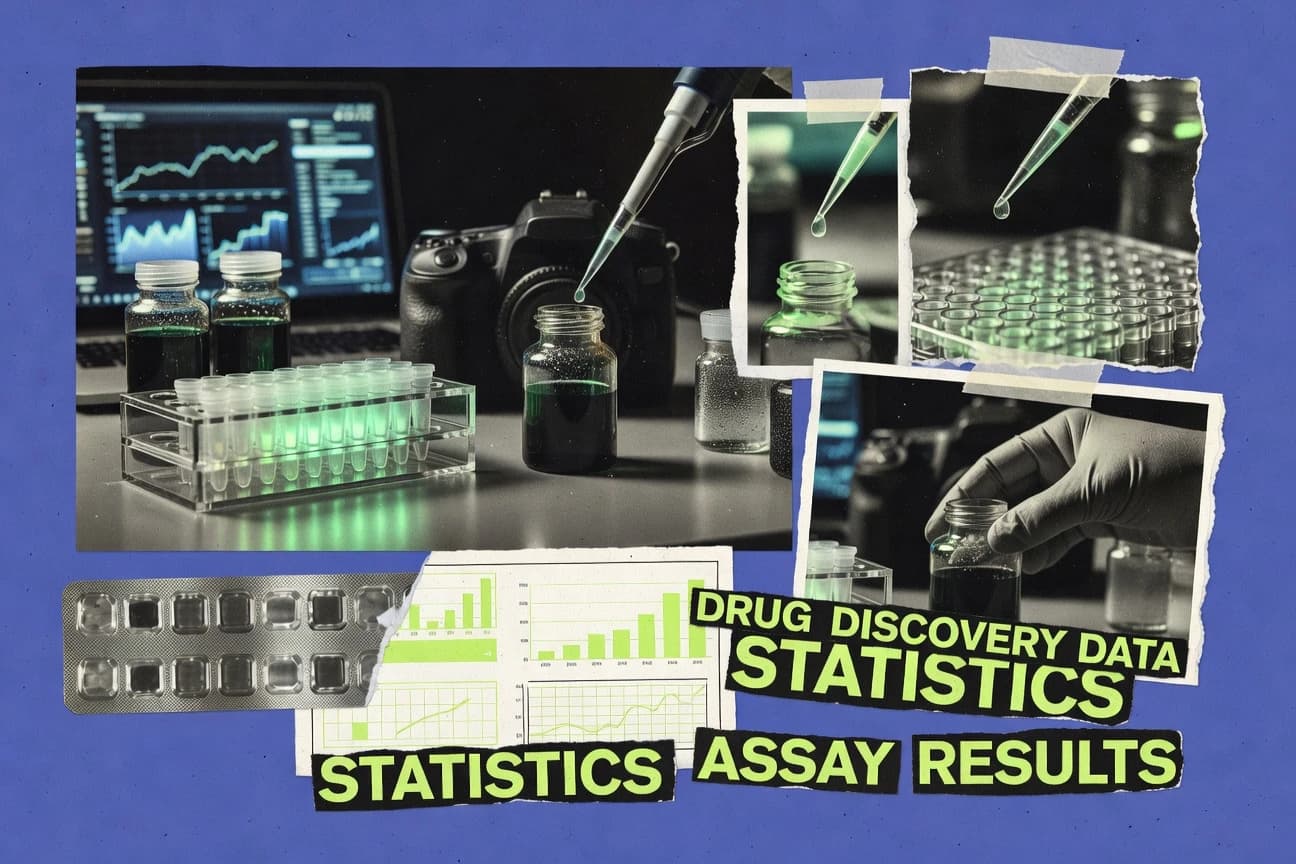
See how AI drug discovery reshaped the pipeline this past year, with 4x faster entry to clinical trials and Phase 1 safety cleared by 70% of AI generated candidates, backed by headline trial results like Exscientia’s 60% OCD symptom reduction. You will also find hard operational contrasts such as AI screening 1.5 million compounds in two weeks instead of six months and toxicity prediction accuracy at 95% that helps prevent costly late stage failures.
Drug Development Industry Statistics
A single experimental drug can take 6 to 7 years to reach approval, yet 85% fail, with Phase III success sitting at 58% and patient recruitment consuming 30% of the total timeline. This page connects execution realities to what is changing fast, from decentralized trial growth fivefold since 2020 and AI used in 25% of trial design processes in 2023 to how costs, regulation, and trial design choices shape the odds of success.
Biotechnology Pharmaceutical Industry Statistics
Women account for 52% of the U.S. biotech workforce in 2023 while STEM workers make up 75% of all roles, even as turnover averages 12.5% and remote work climbs to 28% of operations. From 2023 funding bursts and FDA approvals led by biotech to a global workforce that tops 1.2 million with 40% in R and D, these statistics map where talent, capital, and manufacturing capacity are shifting next.
Pharmaceutical Diagnostics Industry Statistics
IVD is forecast to reach USD 121.47 billion by 2030 with a 4.2% CAGR, yet 2023 dominance is being reshaped by specialists trading market breadth for category control, from Illumina’s 80% share in NGS sequencing instruments to Exact Sciences’ 35% U.S. colorectal screening tests share. Track how major players split power across analyzers, reagents, POC platforms, and emerging liquid biopsy and AI enabled workflows, where growth momentum sits alongside sharply different regional and test level share gaps.
Pharmatech Industry Statistics
With US cloud-based QMS set to reach US$22.4 billion in 2024, this Pharmatech Industry statistics page tracks how quality and compliance are being rebuilt for speed and audit readiness, from PAT and analytics adoption to data integrity pressure in FDA inspections. You will see exactly where spending and outcomes collide, including US FDA issuing 22,000+ human drug inspection observations in 2023 and US$95.0 billion forecast CDMO growth by 2029.
Life Science Industry Statistics
See how the U.S. and global pipeline is being shaped by scale and friction, from biopharmaceutical revenue of $256.8 billion in 2023 to drug execution delays where 56.9% of clinical trials in a 2023 review were behind schedule by at least a month and first in human can still take 12 to 24 months after IND filing. Then connect investment and risk drivers, including $180.7 billion in the CDMO market and billions spent on compliance and supply stability, to show where life science operators are most likely to win and where costly bottlenecks keep showing up.
Ozempic Food Industry Statistics
From 12% GLP-1 adoption among U.S. adults hitting General Mills snacks and yogurt hardest in FY2024 to 0.5% annual food industry GDP drag expected through 2035, this Ozempic Food Industry stats page maps how semaglutide changed both what people crave and what brands reformulate. Expect the most telling contrast too: packaged food CPI inflation slowed by 1.2% in 2024 and R&D spend rose to $12B in 2024 even as sweets and impulse treats slid across retail.