Market data
AI In Industry
Explore ai in industry statistics and market research reports with sourced data and trend analysis.
Latest update:
 Marcus Engström


Statistics · 2026
AI In The Attractions Industry Statistics
In 2026, attractions teams are already getting measurable lift from AI, with virtual queues raising satisfaction by 34% and personalized ride recommendations boosting throughput by 18%. From AR overlays driving 62% more engagement to predictive crowd systems stopping crush risks with 91% accuracy, these statistics reveal how AI is changing wait times, staffing, security, and revenue all at once.

Statistics · 2026
AI In The Aquaculture Industry Statistics
From 90% accurate disease forecasting and 95% biomass estimates to AI-driven water cuts of 90% in recirculation systems, this page shows how aquaculture tech is translating into faster, cleaner outcomes in 2025. It also tackles the frictions that still slow adoption, from 60% of small farms facing setup costs and only 20% of farmers trained on AI tools to privacy hesitations affecting 30% of decisions.
Statistics · 2026
AI In The Camping Industry Statistics
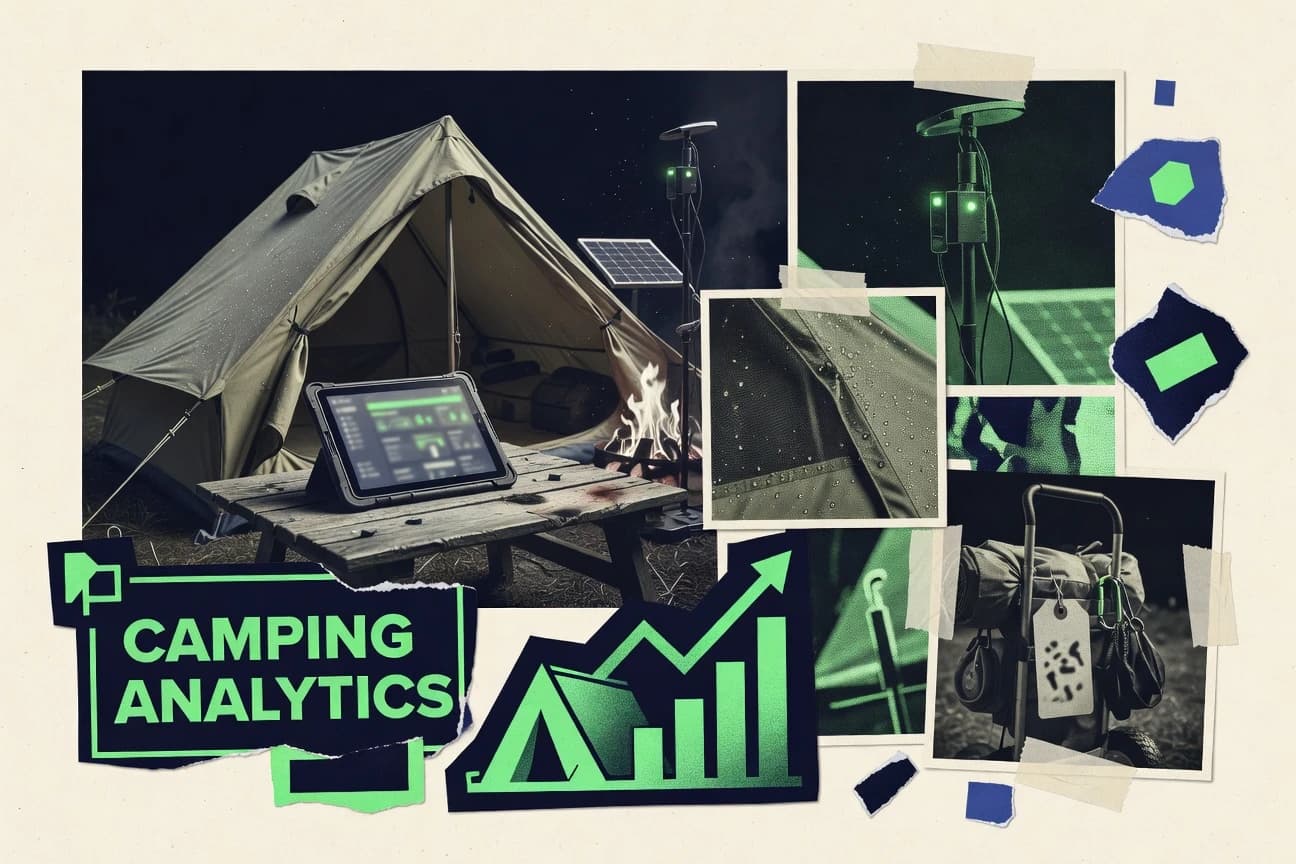
In 2024, 67% of campground operators using AI chatbots cut customer inquiry response time by 28% while AI-powered dynamic pricing lifted peak-season revenue by 19% for 1,200 US campsites in 2023. See how recommendation engines, demand forecasting, and even computer vision for fire pit hazards are reshaping operations for faster service and fewer avoidable losses, with the global AI camping market projected to hit $1.2B by 2028 at a 24% CAGR.
Statistics · 2026
AI In The 3D Printing Industry Statistics
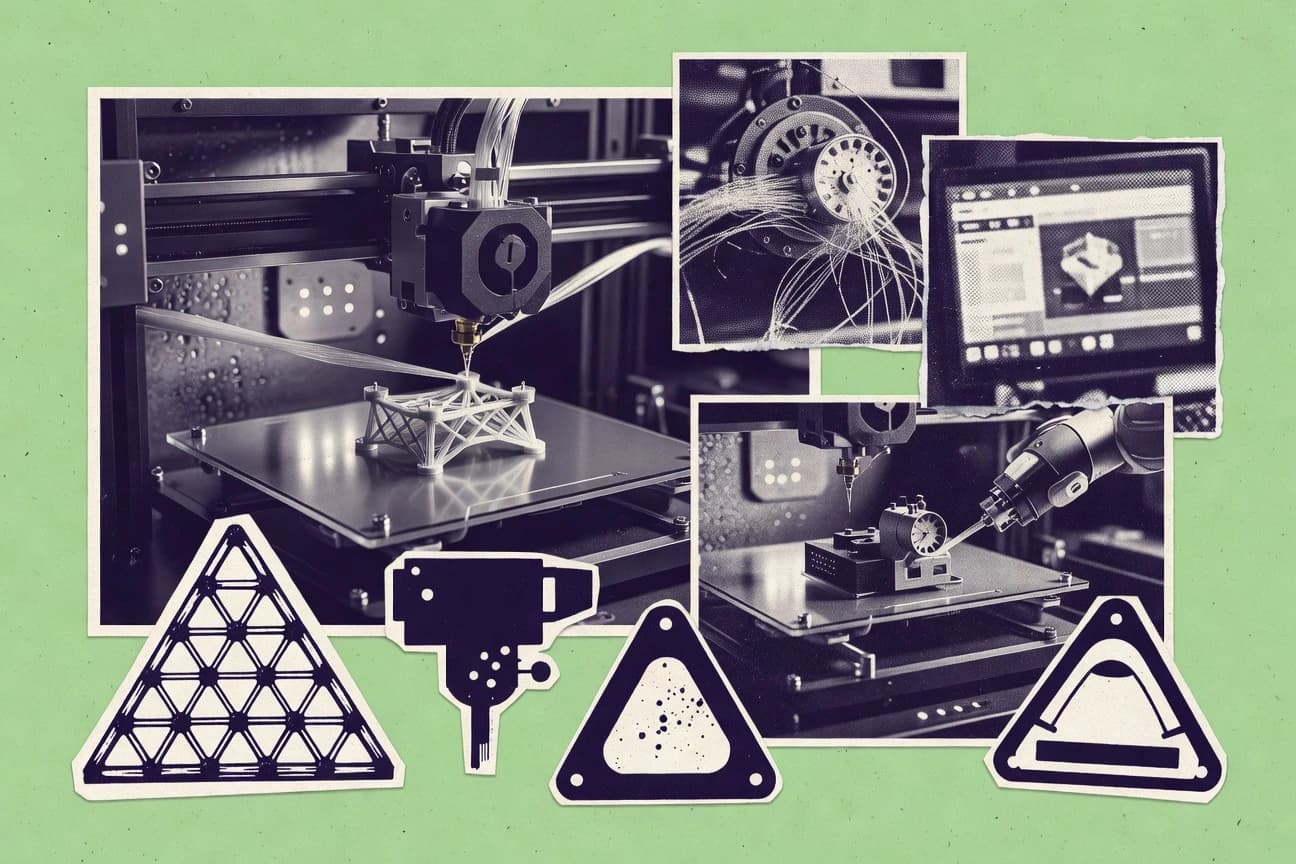
AI in 3D printing is moving from experimentation to measurable production gains, including edge AI that promises 24/7 autonomous printer operation with 92% uptime in factory pilots and AI quality assurance that Gartner predicts will be built into 80% of 3D printed parts by 2028. You will see why iteration times can collapse from weeks to hours, waste can drop by 42% on average, and manufacturing teams are also confronting bottlenecks like data scarcity and rising compliance hurdles.

Statistics · 2026
AI In The Tile Industry Statistics
AI spending is projected to keep accelerating, with global AI systems forecast to reach $298.0B in 2024 and generative AI scaling from $11.3B in 2023 to a projected $221.0B by 2032, while internet bandwidth per user rises from 133.5 GB to 251.9 GB between 2019 and 2022 to power richer tile visualization and smarter discovery. You will also see how deployment realities such as 35% of AI projects never reaching production and up to 30% faster digital twin engineering connect directly to tile pricing, demand forecasting, security for online retail, and the energy and emissions pressure shaping manufacturing choices.
Statistics · 2026
AI In The Technology Industry Statistics
With generative AI adoption leaping from 55% to 75% between 2023 and 2024 and global private investment hitting $67.2 billion in 2023, this page separates real momentum from hype. You will see how business use is broadening beyond recommendations to multimodal gains and fast chip growth, alongside the jobs pressure of up to 85 million displaced versus 97 million created.

Statistics · 2026
Today AI Industry Statistics
In 2023, 67% of enterprises adopted AI and private investment surged to $91.9 billion, yet only 55% had already rolled AI into at least one function by 2024. See where GenAI is actually paying off with 10 to 20% productivity gains, which sectors are lagging, and why AI hiring is accelerating faster than jobs overall.

Statistics · 2026
Generative AI Music Industry Statistics
In 2024, 68% of musicians feared job displacement as labels pushed back with 92% watermarking AI tracks, while the EU AI Act is already moving toward 2026 rules that classify music generation tools as high risk. Follow how $850 million flowed into generative AI music startups in 2023 and how models like Suno’s v3 now produce full four minute vocal tracks in under 30 seconds, alongside major legal battles like UMG’s $150 million lawsuit.

Statistics · 2026
AI In The Apparel Industry Statistics
From 78% of Paris Fashion Week brands using 2024 AI trend forecasting to virtual try on lifting ASOS conversions by 25% with 3D scanning, the page shows how speed, quality, and sales are being rebuilt by machine intelligence. You will also see why AI is shifting costs and carbon together, from supply chain savings of 15 to 20% to a projected 45% cut in fashion waste by 2030.
Statistics · 2026
AI In The Injection Molding Industry Statistics
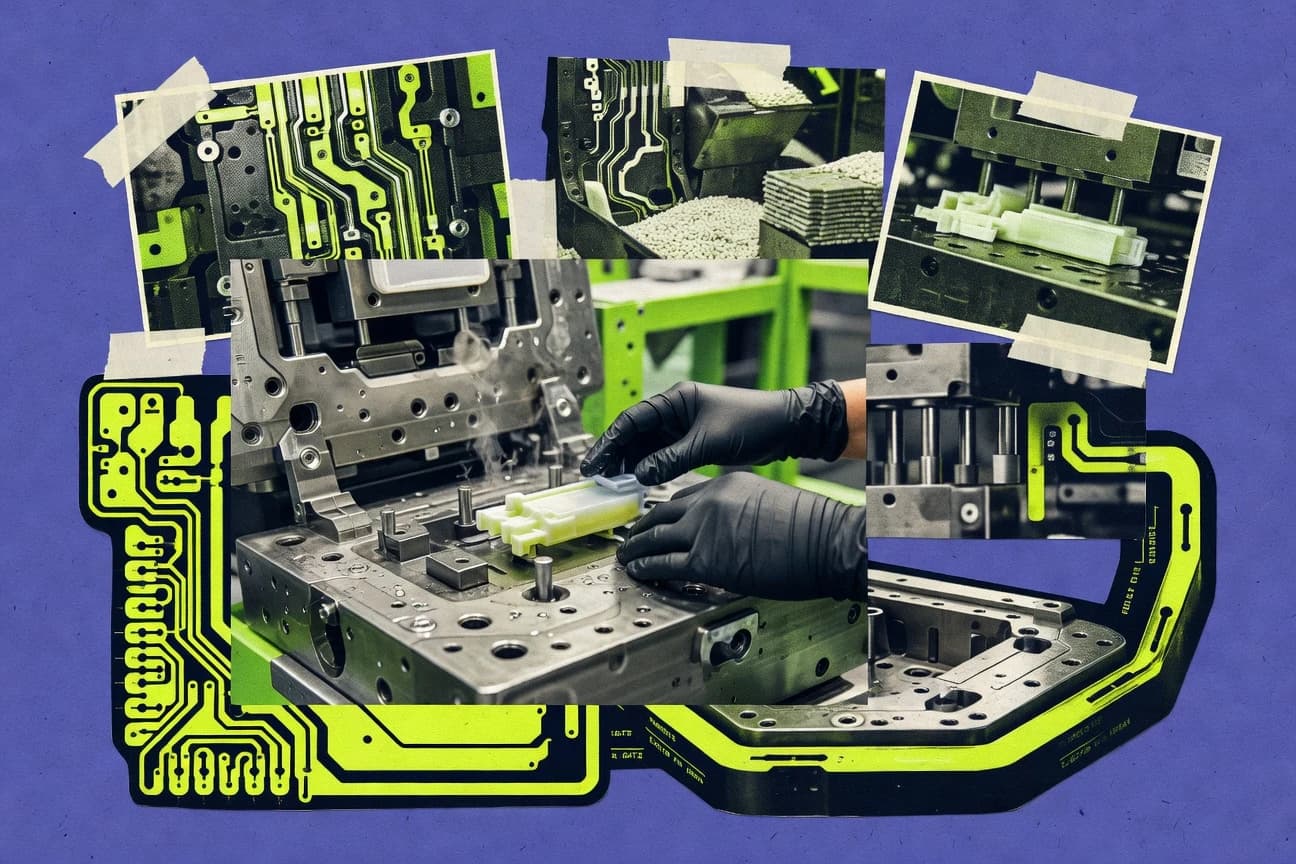
As the AI software market is forecast to reach $118.6 billion in 2025, injection molders are already using machine learning and computer vision to cut unplanned downtime by up to 25% and reduce inspection effort by 20 to 50% through predictive quality models. This page connects those gains to practical outcomes like 5 to 15% lower energy use, 10% lower maintenance costs from digital twins, and a 4.5% global injection molding machine growth outlook through 2030.

Statistics · 2026
AI In The Hotel Industry Statistics
From AI chatbots cutting guest reply times by 78% to predictive maintenance slashing downtime by 35% across U.S. properties in 2024, the page maps how hotels are turning AI into measurable performance gains. It also weighs where adoption is leaping fastest, from generative AI reaching 60% by 2026 to executives expecting AI to handle 70% of operations by 2030.

Statistics · 2026
AI In The Television Industry Statistics
With global AI software spending forecast to hit $126.0 billion by 2026 and a $4.0 billion U.S. television ad spend forecast for 2024, the page explains exactly why TV operators are rushing to automate targeting, measurement, and content discovery. It also connects the promise of 60% faster time to insight and 4.8x higher engagement from personalization to the hard reality of AI governance and model risk, including privacy rules and the EU AI Act timing.

Statistics · 2026
AI In The Fund Industry Statistics
From a 20% to 45% productivity lift in knowledge work to straight-through processing improvements of 30%, this page shows where AI in funds delivers measurable gains and where it raises new compliance and financial decision risks. It brings the most current funding and market signals alongside governance realities like 79% of compliance leaders relying on automated controls for AI monitoring.
Statistics · 2026
AI In The Robotics Industry Statistics
By 2030, the industrial robotics market is forecast to jump from $1,686 million in 2023 to $3,454 million, while AI-enabled predictive maintenance is associated with a 4.0x ROI lift and up to a 90% reduction in machine downtime risk. This page connects the dots between connected robot adoption, camera and warehouse software spend, and what actually blocks scale such as 45% of industrial teams citing data readiness as the bottleneck.

Statistics · 2026
AI In The Cloud Industry Statistics
From 45% of teams running production workloads on public cloud to Gartner’s projection that 35% will be running AI workloads in the cloud by 2024, this page connects the business momentum with the hard tradeoffs, like cost staying a top concern for 35% of IT leaders and cloud cost optimization typically cutting infrastructure bills by about 20%. You will also see why reliability and scalability are getting rewritten around cloud targets such as 99.99% availability and why AI supply keeps expanding, including the AIaaS market at $13.3 billion in 2023 and the push toward containerized production workloads reaching 46% by 2027.

Statistics · 2026
AI In The Railroad Industry Statistics
See how AI is reshaping railroad operations with the newest statistics from 2025 and what they mean for real-world performance, from productivity gains to measurable safety and maintenance outcomes. The contrast between where systems are delivering results and where adoption still lags makes the data far more revealing than headline promises.

Statistics · 2026
AI In The Book Publishing Industry Statistics
With AI adoption surging across publishing workflows, 2025 data shows how much production, metadata, and discovery decisions are shifting behind the scenes. Read the page to see exactly where the gains show up and where the unexpected bottlenecks still stall ROI.

Statistics · 2026
AI In The Food Delivery Industry Statistics
By 2030, the online food delivery market is projected to reach $402.8 billion, while AI is already cutting friction in the experience from 23% fewer support tickets to a reported 15% improvement in on time delivery using ETA prediction models. See how route, forecasting, and fraud detection are reshaping costs and quality at scale, including a 20% reduction in CO2 emissions per route and $0.9 billion in annual fraud detection revenue opportunity.

Statistics · 2026
AI In The Research Industry Statistics
By 2030, global AI in healthcare is projected to jump from $8.1 billion in 2023 to $93.4 billion, while the AI drug discovery market could swell from $1.4 billion to $11.4 billion, even as only 38% of organizations had AI models in production in 2023. You will also see how governance and compliance readiness lag behind investment, with 82% reporting model governance processes yet just 27% using AI for R&D or innovation, alongside hard benchmarks like PubMed’s 240M plus citations and clinical trial databases scaling to hundreds of thousands of studies.

Statistics · 2026
AI In The Food Service Industry Statistics
With 74% of diners craving personalization, the page connects revenue wins like a reported 25% QSR order conversion uplift to measurable operational speed gains, including a 1.7x faster support response time from generative AI pilots. It also quantifies why AI in foodservice is moving fast, from 99% of restaurants being small businesses that need affordable tools to an AI share of global foodservice technology spend set to reach 3.0% by 2027.