
GITNUX MARKETDATA
Browse Our Category
AI In Industry
Latest update:


AI In The Insurtech Industry Statistics
With 90% of insurtech premiums set to be influenced by AI by 2025, this page tracks how insurers and startups are pushing underwriting, claims, pricing, and fraud detection from faster decisions to real cost and time wins. You will also see where progress stalls, including data privacy cited as a top AI challenge by 75% and regulatory compliance slowing 60% of deployments.

AI In The Healthcare Insurance Industry Statistics
By 2024, AI automated 85% of routine claims processing while cutting turnaround time from 14 days to 2 days, and insurers are using predictive and personalization tools at scale, like 89% of high value claims triaged for priority review in the U.S. This page highlights how those same models are reshaping underwriting accuracy, fraud detection, and member experiences rather than just streamlining back office work.
AI In The Psychology Industry Statistics
From 94.2% depression detection from micro expressions to 96.2% suicide hotline triage accuracy with interventions in 85% of high risk calls, this page shows how AI is accelerating diagnosis and treatment decisions. It also confronts the cost of that speed with privacy gaps, bias, and error rates that can reach 28% false positives, so you can see where the promise holds and where it breaks.
AI In The Food Distribution Industry Statistics
See how AI demand sensing, causal inference, and federated learning are driving measurable shifts across food retail and distribution, from 94% frozen food forecast accuracy using external factors to 45% fewer stockouts for fresh produce via real-time RFID restocking. You will also spot the contrast between “better forecasts” and “better operations” as inventory and route optimization cut delays, claims, and waste while keeping service levels tight.

AI In The Tax Industry Statistics
AI tax automation is already pushing error detection from 92% to 99.2% while predictive models cut compliance penalties by 78%, and real-time rule engines hold 99% adherence as tax codes shift. See how anomaly detection catches 95% of ledger discrepancies humans miss and why the ROI story is so fast that many adopters reach payback in about 6 months.
AI Industry Statistics
AI adoption keeps climbing while the workforce debate gets sharper, with 92% of Fortune 500 companies backing AI initiatives in 2023 and 40% of employers expecting to reduce roles AI can automate. This page connects everyday use cases to real investment and labor pressure, from daily fraud detection at 35% of financial firms to AI market growth projected to reach $1.339.1 trillion by 2030.

AI In The Igaming Industry Statistics
See how real time AI has helped block 99.7% of suspicious bets in 2023 while also cutting identity fraud by 67% through AI KYC and reducing iGaming payment chargebacks by 45% in 2024. You will also find why anomaly detection flags 1.2 million transactions daily and how predictive scoring trims false positives by 55%, turning fraud prevention into something operators can trust at scale.
AI In The Metals Industry Statistics
As of 2025 planning cycles, 45% of large metals companies intend to invest more than $10 million in AI, while mining operations show pilots turning into scale with 28% already at full deployment in 2023. Track how everything from predictive maintenance and ore optimization to AI driven furnace control and energy cuts is reshaping production, with the market forecast to rise from $1.2 billion in 2023 to $4.8 billion by 2030.

AI In The UX Industry Statistics
See why AI is reshaping UX work in real numbers, with 68% of UX pros already integrating AI tools into daily workflows and 41% of UX software revenue coming from AI subscriptions in 2024. But the page also confronts the friction points behind the promise, from GDPR and bias gaps to security and explainability concerns, so you can judge where AI accelerates design and where it creates risk.

AI In The Automotive Industry Statistics
With 85% of automotive companies using or planning AI within the next two years and AI projected to boost productivity by 40 percent and add $150 to $250 billion in value by 2030, this page shows how AI is moving from pilot projects to measurable impact. From GM’s AI defect detection in 90 percent of plants to fleet and maintenance gains that cut downtime and costs fast, you will see exactly where adoption is accelerating and where ROI is still being tested.

AI In The Home Improvement Industry Statistics
AI is no longer a pilot project for home improvement businesses, with North America firms already pushing pricing, inventory, and personalization gains, including a 41% jump in retention when AI personalization is in place. See how adoption varies from 68% in Germany to 42% in South Africa and how AI can lift profit margins by 22.4% while cutting material waste by 31% and shortening project timelines by 28%.

AI In The Bakery Industry Statistics
See how 2025 driven AI is tightening every weak link in baking, from dough mixing that boosts consistency by 92 percent to computer vision catching cookie defects at 98.7 percent accuracy. You will also find the operational payoff behind these upgrades, including predictive maintenance that extends oven life by 40 percent and AI scheduling that cuts downtime by 28 percent, plus the quality line results that separate good bread from sellable perfection.

AI In The Nursing Industry Statistics
By 2024, 47% of UK community nurses use AI wound care analysis apps, while 28% of nursing homes in Asia rely on AI wearables for real time monitoring of elderly patients. This page ties those gains to the tradeoffs nurses are already feeling, from documentation time saved to gaps in trust, bias risk, and accountability that could shape what happens next.

AI In The It Security Industry Statistics
AI security adoption is surging, with 92% of Fortune 500 companies using AI for cybersecurity and 81% of SOC teams in Tier 1 enterprises already using AI for alert triage, yet trust and governance keep tripping teams up, from 51% of AI tools vulnerable to prompt injection to 67% of orgs lacking AI governance frameworks. Read this to see why the fastest gains come with new failure modes and what that means for the budgets, skills, and regulation behind next year’s defenses.
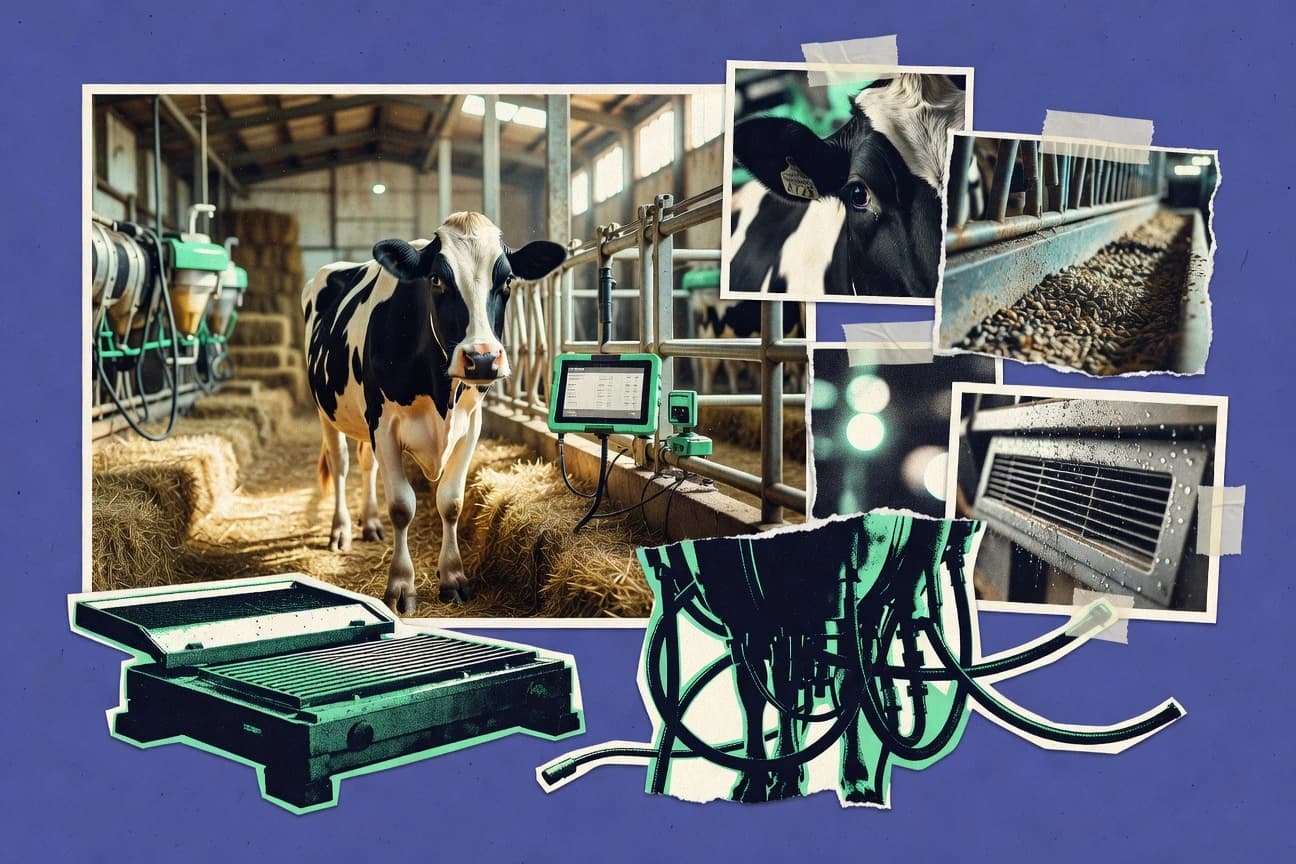
AI In The Livestock Industry Statistics
See how livestock AI delivers hard results you can measure, from 98% accurate early lameness detection on dairy farms to 97% early identification of heat-stressed poultry flocks that would otherwise go unnoticed until performance slips. The page also stacks practical wins across health, feeding, and farm operations, including AI that cuts feed waste by 28% and reduces downtime by 42%, revealing why the biggest gap is often not detection but acting fast enough to prevent the next costly event.

AI In The Financial Advisor Industry Statistics
With 91% of users relying on interactive AI dashboards and firms reporting an average 35% operational efficiency lift in 2023, the page connects adoption to outcomes, not hype. It also flags the flip side with 45% of firms facing AI compliance fines averaging $250K and 21% accuracy drops during market volatility, showing where AI helps most and where it can fail advisors in practice.

AI In The Car Dealership Industry Statistics
With 51% of dealers planning to expand AI in 2025 to target 30% cost reductions, this page pairs the upside with the hard tradeoffs, from 65% flagging data privacy as the top challenge and 47% integration failures tied to legacy systems, to a 12% lead loss from chatbot hallucinations. It also maps what it will take to scale safely, including 62% citing AI driven cybersecurity risks, integration costs averaging $250K per site, and the timeline from 18 to 24 months to ROI to when AI is expected to touch 80% of sales by 2028.

AI In The Nutritional Supplement Industry Statistics
AI is already reshaping how supplement brands create, verify, and ship products, with 52% of manufacturers planning to invest over $1 million in AI by 2025 and predictive systems improving ingredient outcomes. From reducing development timelines by 35% and cutting defects by 51% to faster, evidence matched clinical claims and compliance automation, the page shows how AI turns “ingredients” into measurable performance.

AI In Film Industry Statistics
See how AI is quietly rewriting the movie business, from AI-optimized trailers driving 35% of streaming views for Warner Bros and 60% of ticket questions handled by chatbots, to post-production tools that save hours per hour of footage and cut VFX costs by 25% on average. If you are trying to understand where studios win or lose in 2025 and beyond, this page connects the audience lift to the production pipeline.
Germany AI Industry Statistics
Germany ends 2023 with 1,200 AI startups and €1.2 billion in venture funding, even as Berlin alone hosts 450 AI headquartered firms and corporate giants field 10,000 plus AI specialists at Siemens and 8,500 at Bosch. Read this page to see how that momentum turns into a 2026 style talent crunch and uneven regional power, with 137,000 estimated AI vacancies against 12,000 university grads and 15,000 bootcamp trainees.