
Market data
Mental Health Psychology
Explore verified mental health psychology statistics and market research reports with sourced data and trend analysis.
Latest update:
 Helena Kowalczyk

Memory Retention Statistics
Medication and everyday planning demands make memory work harder for millions, with 54% reporting trouble remembering meds and 35% struggling to stay on top of bills, medications, or appointments. At the same time, the retention payoff is tangible, since 12 weeks of cognitive training improved memory versus control groups with an average effect size of g = 0.30, offering a clear look at what actually helps recall stick.

Holiday Depression Statistics
When the lights come on and the calendar says celebrate, rates of distress do not take a holiday, with 17% of U.S. adults reporting feeling down, depressed, or hopeless in the two weeks before the latest survey. This page ties those feelings to the season’s pressure points, from loneliness and financial worries to treatment gaps, showing why holiday stress can hit harder even when help feels out of reach.
Separation Anxiety Statistics
Separation anxiety disorder starts early, often by age 12, and can ripple outward into school refusal for about 50% of affected children, with odds of later anxiety outcomes around 2.0. CBT with gradual, parent involved exposure shows strong symptom gains, while care access and cost pressures stay real as WHO estimates 13% of children ages 5 to 19 had a mental disorder in 2019 and anxiety is among the leading sources of YLDs.

Panic Attack Statistics
A panic attack can peak in about 10 minutes and still leave lasting fallout, from roughly 3% to 5% suicide attempt risk in people with panic disorder to a current smoking rate around double that of the general population. You will see how treatments stack up, with CBT cutting panic severity by about half and benzodiazepines often working within 1 to 2 weeks, alongside a treatment gap where 23.2% of US adults got mental health care in the past year and many rely on digital tools instead.

Anxiety In Teens Statistics
Anxiety shows up everywhere for teens, with 10.0% of U.S. adolescents aged 12 to 17 meeting criteria for any anxiety disorder in 2018 and a global systematic review finding that 1 in 4 adolescents reported anxiety symptoms during the first year of COVID-19. This page connects those rates to what teens face, what gets missed, and what helps, including evidence-based CBT delivering clinically meaningful improvement for anxious youth and the fact that about 70% of adolescents with mental disorders do not receive any mental health services.

Happiness Statistics
With 1.1 billion people worldwide living with a mental health condition, happiness is shaped by more than mood and culture. This page connects life satisfaction to real-world pressures like work life balance, unemployment, and loneliness, then pairs them with evidence based boosts such as CBT, exercise, mindfulness, and social support.
Child Mental Health Statistics
One in five children and adolescents experience a mental health disorder, yet 48.2% of U.S. youths aged 12–17 with serious thoughts of suicide did not receive treatment in the past year. This page puts the human cost beside the price tag, from $14.9 billion in estimated annual untreated illness in the United States to widening service gaps that leave too many young people without the support they need.

Alcoholism Statistics
Alcohol still drives a massive global burden, with 132.6 million DALYs in 2016 tied to alcohol use and alcohol use disorders responsible for 0.8% of all DALYs in GBD 2019, even as binge drinking and heavy episodic drinking remain disturbingly common. You will also find the sharper contrasts behind the harm, from EU alcohol related costs of €155.9 billion in 2019 to what works in practice, including naltrexone cutting heavy drinking episodes by a median 25% and brief interventions delivering modest but measurable reductions.
Smartphone Addiction Statistics
With 17.0% of US adults showing at least one problematic digital behavior symptom day in 2023 and global studies linking heavier smartphone use to poorer sleep, more stress, and even higher suicidal ideation risk, the pattern is anything but harmless. The catch is scale and habit tracking so fast that 97% of US adults own a cellphone and many teens check multiple times a day, turning “just a phone” into a measurable mental health and wellbeing pressure.

Mental Health In Healthcare Workers Statistics
After COVID-19, burnout and anxiety symptoms surged, with 1.5 times higher burnout prevalence post-2020 than pre-2020 alongside ICU staff showing 1.4 times higher odds of depression, while many workers still reported barriers to care such as stigma and unclear access to benefits. This page connects those mental health hit points to workplace costs, staffing risk, and what support actually reaches healthcare teams.

Teenage Eating Disorder Statistics
From 2.7% of U.S. teens reporting past year binge eating to a 56,000 YLD burden in 2017, the page connects what is happening in bodies and brains with what it costs families and systems. It also tracks the sharp gender and symptom trend shifts, treatment delays, and the stakes of outcomes like suicide attempts and anorexia mortality, ending with what works such as family based treatment and CBT E.

Male Mental Health Statistics
Men still face a sharper mental health and suicide burden than women, with 54.9% of male suicide deaths in the U.S. tied to firearms and men 3.62 times more likely to die by suicide than women during 2019 to 2021. This page also tracks the gap behind the grim outcomes, from unmet help and treatment delays to how loneliness, depression symptoms, and substance use can intersect in ways that are easy to miss.

Australia Mental Health Statistics
With 70% of mental health public spending funded by states and territories and 1.3 million people receiving subsidised PBS antidepressants, this page shows how Australia funds and delivers support while need remains unmet, including an estimated AUD 1.3 billion missing treatment each year. It also tracks the sharper realities behind access and outcomes, from suicide thoughts at 12.7% of Australians in 2020 and self harm hospitalisation rates of 30.2 per 100,000 to First Nations adults being 2.5 times more likely to experience high or very high psychological distress in 2017 to 18.

Suicide In Teens Statistics
A striking 22% of U.S. high school students attempted suicide in the past year, yet LGBTQ+ teens reported attempts at 35%, making the gap impossible to ignore. You will also see what pushes ideation into action, from repeat attempts and medical emergencies to the factors that make some risks much more lethal than others.

Video Games Relieve Stress Statistics
Video games don’t just distract they measurably quiet stress, with a 2022 umbrella review of 40 papers confirming physiological benefits and an overall cortisol effect supported by multiple trials. You will see surprising matchup results, like casual games cutting anxiety by 26 percent versus social media scrolling and VR lowering cortisol 28 percent more than traditional therapy, plus what styles actually target anger, loneliness, or burnout.
Smiling Statistics
Smiling is universal, but the real surprise is how it changes everything. From genuine smiles that reduce perceived stress by 25% and outperform posed smiles at easing pain, to modern adults smiling 400 times less than hunter gatherers, this page connects evolutionary origins with brain, body, and relationship outcomes.

First Impression Statistics
First impressions can lock in predictive power fast, with 70% accuracy for 6 month relationship success from speed dating speed judgments and facial and voice cues forming in under 200 milliseconds. This page maps how first impressions also forecast hiring, election voting, medical satisfaction, and even deal making, while showing the surprisingly large role bias and context play in where those snap judgments help or mislead.
Vietnam War Veterans Ptsd Statistics
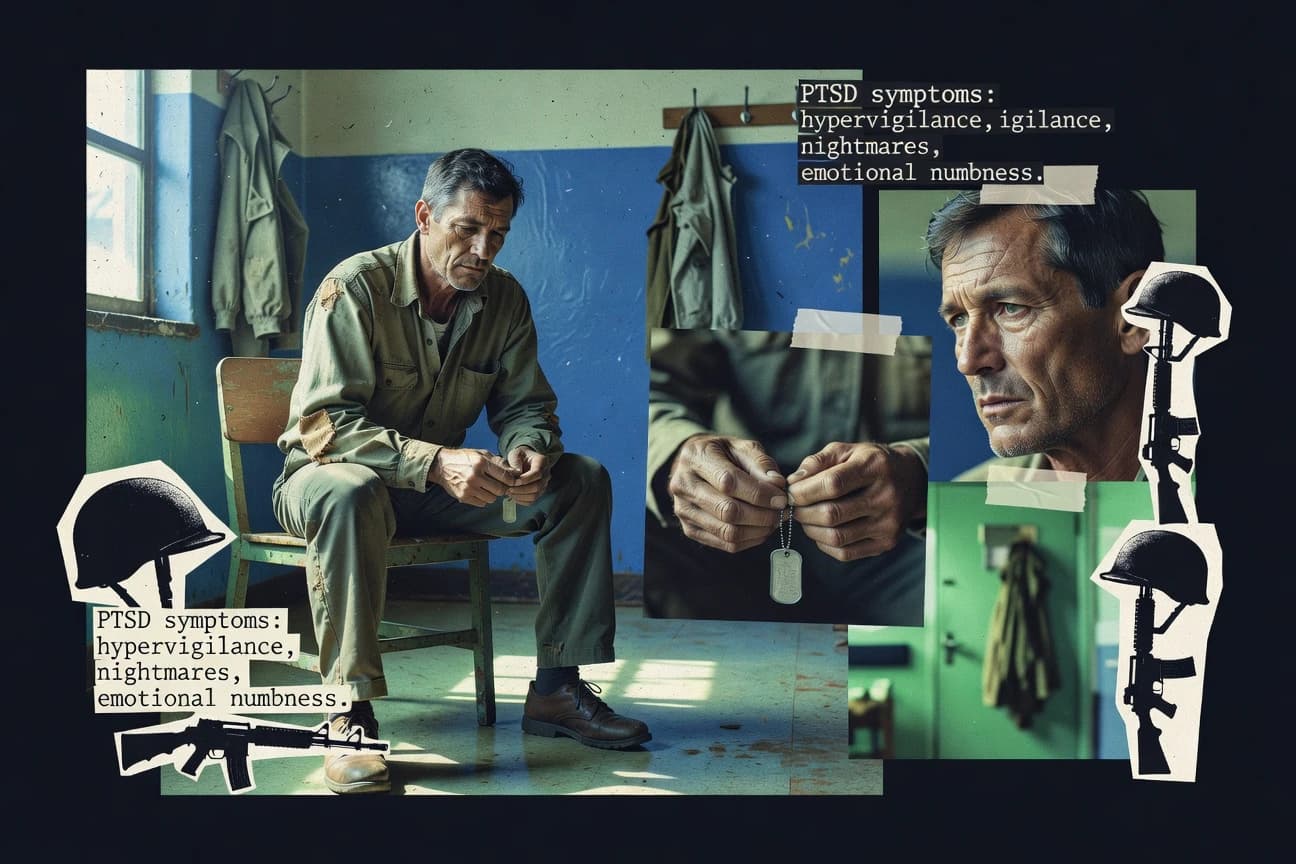
Estimated 30 percent of Vietnam War veterans with PTSD died by suicide by 2020, while a 2015 study found life expectancy drops by 7 years, even as treatment gaps leave many stuck with decades of hypervigilance, guilt, and chronic pain. This page lays out the hard totals, from 4 times the homelessness risk and 2.3 times higher dementia risk to the costs and treatment results that explain why recovery can be possible but often arrives too late.

Pica Statistics
Pica can quietly become neurological harm, with lead exposure causing encephalopathy in 22% of untreated children and mercury toxicity triggering neuro deficits in 28% of cultural cinnabar cases. This page also tracks the health toll across subtypes, from iron deficiency anemia in 68% of chronic pica to bezoar obstruction needing surgery in 15% of fabric and stone eaters, with updated prevalence risks that range up to 49% in autism and 62% in sickle cell disease.

Adoption Trauma Statistics
Adult adoptees carry a sharper risk profile than the general population, with a 2025 meta-review finding reactive attachment disorder odds 2.8 times higher across 32 studies. The page connects these attachment patterns to real life outcomes including divorce, relationship instability, and long term health effects, so you can see how early separation can echo into identity, safety, and belonging.