
GITNUX MARKETDATA
Browse Our Category
AI In Industry
Latest update:


AI In The Assisted Living Industry Statistics
AI is already reshaping assisted living at scale, with 68% of US facilities planning adoption within two years and a 2024 survey showing monitoring and staffing gains like nurses gaining back 15 hours per week for direct care. The page also tracks how countries use different AI priorities, from medication management in Japan to fall and cognitive support in Europe, alongside the pushback on privacy, bias, and costs that could slow rollouts.
AI In The Cybersecurity Industry Statistics
By the end of 2025, 82% of enterprises expect to deploy AI for cyber defense, yet 45% of cybersecurity professionals still struggle with AI hallucinations and 30% of tools are actually certified for regulatory compliance. This page connects results you can measure, like 95% ROI from AI threat hunting and AI reducing ransomware response time by 75%, with the practical deployment risks that explain why adoption is accelerating faster than trust.

AI In The Pet Industry Statistics
By 2023, AI behavior and care tools were already proving they can outperform guesswork, correcting dog barking remotely by 70% and calming anxiety queries with 60% resolution without human input. The page also connects that clinical momentum to the money and adoption coming in, from $1.1 billion in 2023 AI pet startup funding to a market forecast that reaches $8.7 billion by 2030.

AI In The Fleet Industry Statistics
With AI adoption accelerating sharply, 67% of trucking companies with over 500 vehicles now use AI telematics while ROI on AI telematics reaches 3 to 1 within 12 months for 72% of adopters. You will see how route optimization is cutting fuel use by 18 to 25% on average and safety systems are pushing insurance premiums down as much as 15 to 22% at the same time, plus the regional adoption swings that make fleet strategy a moving target.

AI In The Cycling Industry Statistics
From Specialized’s 2023 generative design shaving 18% frame weight while boosting stiffness 25% to Garmin Connect AI optimizing training efficiency by 25% for 5,000 users in a 2023 trial, this page shows exactly how algorithms are turning ride performance, manufacturing precision, and safety into measurable gains. It also pulls the marketing out of the mix with second order proof like BikeRadar sentiment analysis influencing 28% of purchases and Cervelo’s AI aero shaping cutting drag 12.4% in wind tunnel validation.

AI In The Fitness Industry Statistics
AI is no longer a novelty in fitness, with $46.5 billion projected market value by 2030 after fast adoption and big performance shifts, like 72% of athletes under 25 using recovery analytics and smart gyms rising from 12% to 28% AI-equipped share. You will also see how usage diverges across groups and sports, from 29% of Android users downloading AI fitness apps in Q1 2024 to 70% of CrossFit enthusiasts integrating AI form correction tools, and what that means for money, injury risk, and results.

AI In The Forestry Industry Statistics
By 2024, 45% of Fortune 500 forest product firms were already using AI, and the payoffs are hard to ignore, from 22% higher productivity for US operators to 18 to 25% lower costs across European timber supply chains. You will see how AI is cutting claims by 30% in US wildfire zones and boosting carbon credit revenue by 30% in Indonesia while proving that the real bottleneck is often workforce readiness, not the algorithms.

AI In The Cosmetics Industry Statistics
Beauty shoppers are weighing AI differently than they do traditional surveys, with 76% trusting AI generated insights more and 2023 social sentiment analysis predicting 85% of viral cosmetics trends. From Sephora’s facial recognition personalization lifting spend 22% to AI churn models retaining 18% more customers for Fenty Beauty, these stats show how AI is turning discovery, conversion, and loyalty into measurable outcomes.
AI In The Health Food Industry Statistics
By 2025, 60% of health food firms are expected to adopt ethical AI guidelines while AI adoption in supply chains has already reached 45% at major companies, setting up a fast shift from promise to proof. The page weighs that momentum against future pressure points like 90% logistics automation by 2030 and privacy focused federated learning for nutrition data reaching 100% by 2029, so you can see what will matter next.
AI In The Agriculture Industry Statistics
Precision agriculture is no longer a niche experiment with 45% of US farmers already using AI-powered tools by 2023, alongside record savings like $1.2 billion in annual US farm savings in 2022. This page connects that momentum to what it changes on the ground, from cutting pesticide use by 50% and water use by 25% to regional adoption swings across crops, livestock, and climate so you can see where AI pays off fastest.

AI In The Roofing Industry Statistics
With 2027 insights already emerging, roofing AI is moving from experiments to measurable outcomes such as 97% thermal drone damage detection accuracy and 320% average ROI in the first year for 78% of adopters. The page also pinpoints why uptake is uneven, from 41% AI use in North America to just 21% in rural areas, and what that gap is costing in labor time, waste, and insurance payouts.
AI In The Firearms Industry Statistics
From bearing wear caught 72 hours early to barrel overheating flagged 94% before failure, this page shows how vibration, thermal, and corrosion prediction are cutting downtime before parts go bad. It also benchmarks the market shift that 32% of US firearms manufacturers had adopted AI tools by Q4 2023 and pairs it with real operational wins like 98.7% microscopic defect detection in barrel rifling and 67% fewer stockouts of recoil springs at dealers.
AI In The Home Care Industry Statistics
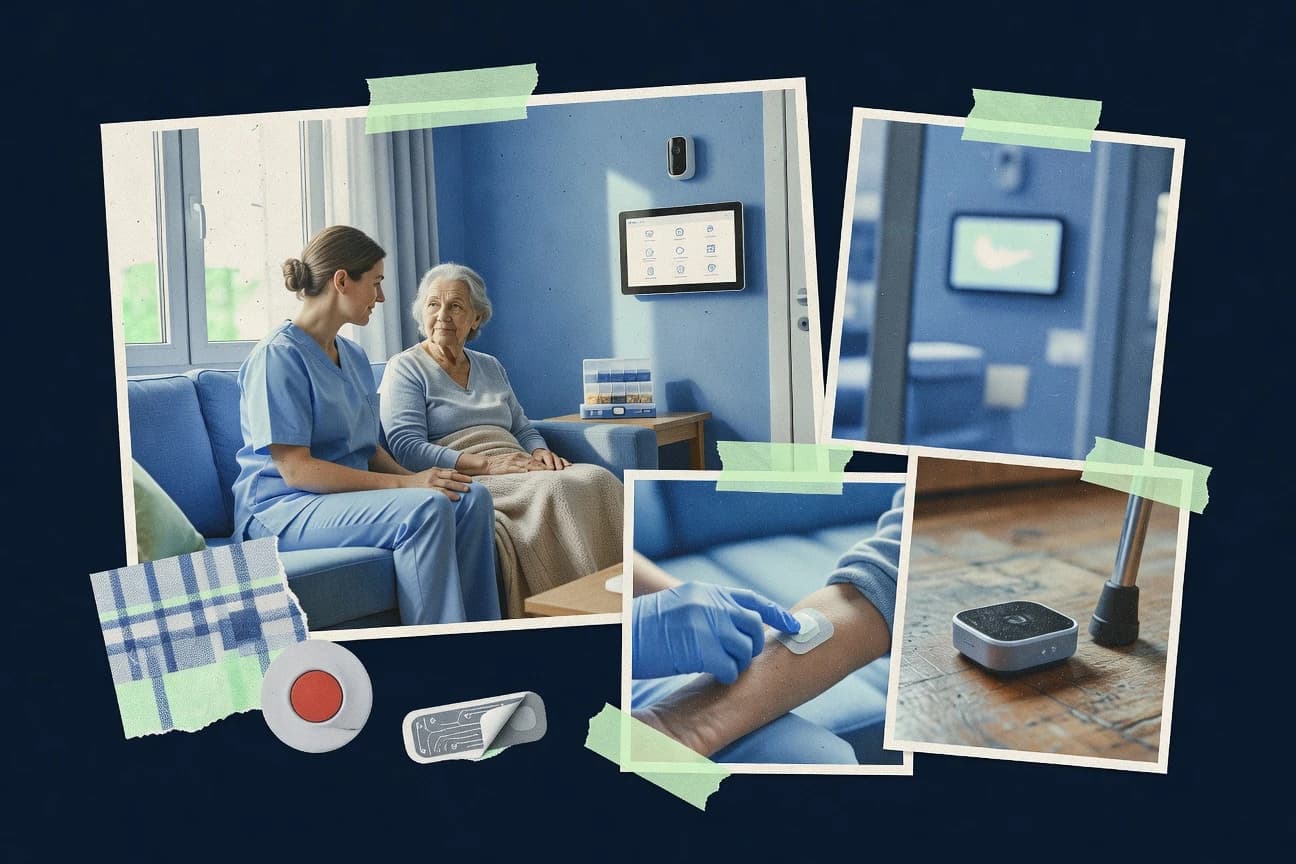
By mid 2024, 38% of Australian aged care facilities had deployed AI fall prevention systems, yet the bigger story is how caregiving time and risk shrink when automation moves from reminders to real outcomes like hospital readmissions and safer shifts. This page maps adoption and impact across voice assistants, remote monitoring, compliance tools, and predictive workforce support, including a projected USD 450 billion annual healthcare cost savings by 2030.

AI In The Translation Industry Statistics
Adoption is accelerating fast, with 72% of translation agencies integrating AI tools and AI translation driving a 40% productivity lift across enterprises that adopted it by 2022. But the real tension is where the value lands, since AI users now rely on MTPE and draft workflows at scale while average per word translation costs fell 28% to $0.07 and ROI averaged 320% in the first year.

AI Beauty Industry Statistics
From AI skin scanning in 28% of daily beauty routine apps users to AR try on that hits under 50 ms latency, this page shows how 2025 ready beauty tech is turning diagnosis and shade matching into measurable lifts like 92% condition detection and 11% more sales per Sephora Virtual Artist session. It also tracks what makes the shift stick, from federated learning that protects 99.9% of user data privacy to the bigger spending signal with AI beauty VC funding reaching $1.5B in 2023 and the market projected to hit $12.69B by 2030.

AI In The Senior Care Industry Statistics
With adoption surging to 68% of senior care providers planning AI investment by 2025, the page contrasts that momentum against hard guardrails like only 19% of AI tools fully complying with HIPAA and GDPR audits. You will see how everything from 42% of U.S. nursing homes using AI fall detection to 73% of ethicists flagging data privacy is reshaping care decisions, and what it means for trust, safety, and caregiver capacity.

Custom AI Hardware Industry Statistics
Custom AI hardware just hit a $25.6 billion VC investment tally in 2023 while hyperscalers push custom accelerators from $4.5 billion in Q2 2024 chip revenue to a market projected to reach $85.6 billion by 2030, forcing a brutal question of who owns performance, supply chain, and energy efficiency. This page tracks the most consequential funding rounds and adoption signals, from xAI’s $6 billion Series B to the fast shifting GPU, TPU, and wafer scale stakes that are reshaping compute spending.
AI In The Website Design Industry Statistics
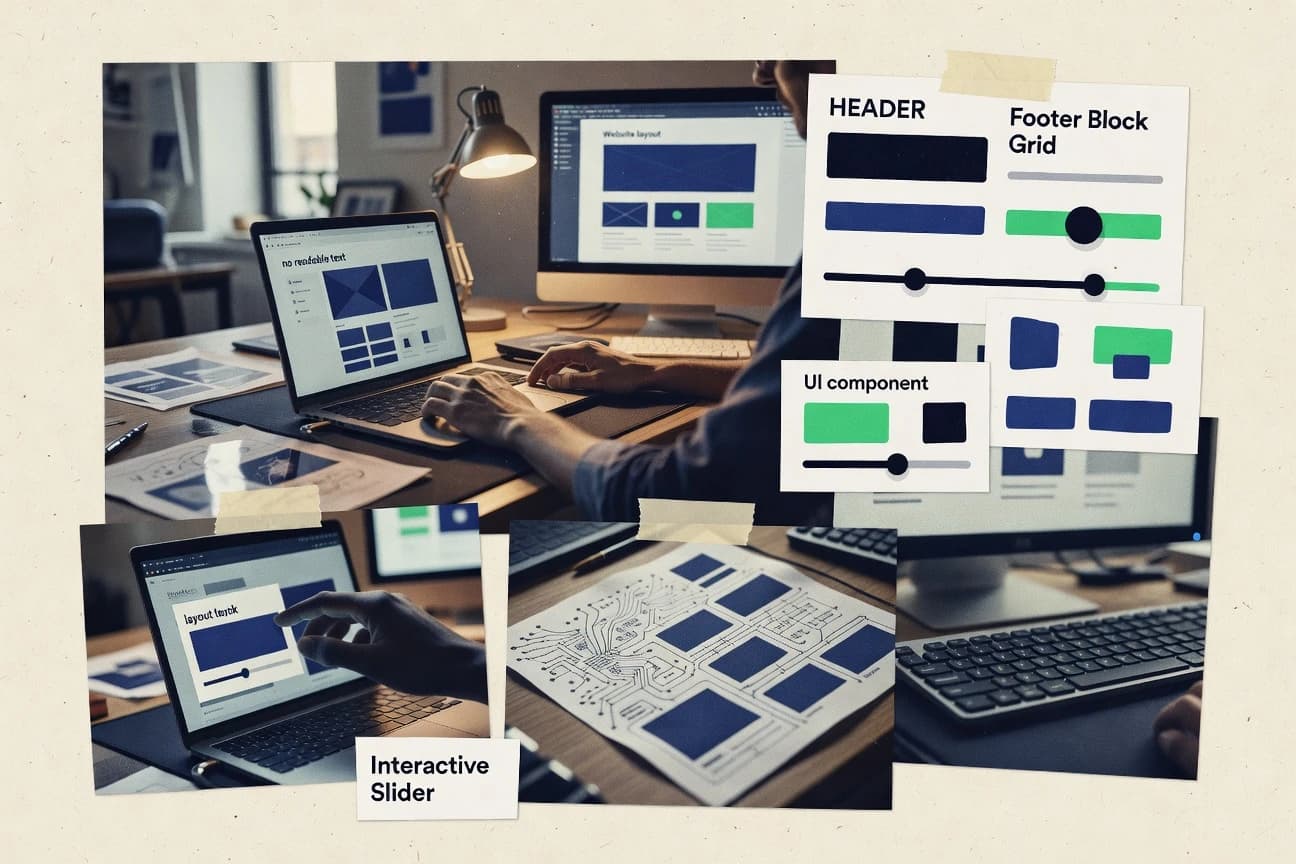
Adobe Sensei leads web graphics editing with 34% market share while 2025 facing concerns are rising on originality, bias, and accessibility fixes that still demand human cleanup. Read how adoption is accelerating across the stack, from generative layouts and React components to efficiency gains that cut build and iteration time by roughly half.

AI In The Electronic Payment Industry Statistics
With 76% of digital wallet providers already integrating AI by 2024 and a projected 95% of real time payments using AI by 2026, the shift from experimentation to infrastructure is happening fast. Fraud and authorization gains are just as striking, from Visa stopping $2.5 billion in losses in 2023 to AI reducing chargebacks by 60% for e commerce merchants, making this page the quickest way to see what adoption is actually changing.

AI Semiconductor Industry Statistics
AI semiconductor funding and capacity are accelerating fast enough to be felt in revenue, where AI accelerator demand surged to $21 billion in 2023 and Q1 2024 NVIDIA data center AI GPU revenue hit $18.4 billion, up 427% year over year, alongside TSMC producing 60% of the world’s AI chips. Read this page to track how governments, hyperscalers, and chipmakers are reshaping the supply chain with competing bets on GPUs, HBM memory, ASICs, and photonics before shortages and tariff swings decide who wins next.