
Market data
AI In Industry
Explore verified ai in industry statistics and market research reports with sourced data and trend analysis.
Latest update:
 Marcus Engström

AI In The Health Care Industry Statistics
Healthcare AI adoption is accelerating fast, with a projected 37% CAGR from 2024 to 2030 and the U.S. AI in healthcare market set to rise from $5.0 billion in 2023 to $27.7 billion by 2030, even as concrete clinical results like 90.3% top-1 accuracy for skin lesion detection and a 42% cut in physician documentation time show what scale can actually change. You will see how revenue cycle and radiology workflows, administrative automation, and the regulatory demands of HIPAA, FDA GMLP, and the EU AI Act are shaping ROI and trust at the same time.

AI In The Services Industry Statistics
AI is already reshaping service work, with 4.9 million U.S. workers using AI tools on the job and 62% of service professionals saying it improves customer service quality, yet costs and capability gaps are still visible with AWS reporting a 12% average cloud cost increase tied to AI workloads. This page brings those contrasts together so you can see where AI is paying off fastest across customer service, security, contact centers, and professional services, plus what growth forecasts suggest is coming next.

AI In The Anime Industry Statistics
Netflix’s latest anime watching numbers sit alongside a $12.4 billion global AI in media market and rapid studio adoption, where 60% of animation professionals already use AI at least occasionally. Then the page pivots from opportunity to friction with copyright thresholds, plus hard performance gains like 15% higher quality scores from AI upscaling and 24% lower render costs from GPU autoscaling.
AI In The Grocery Industry Statistics
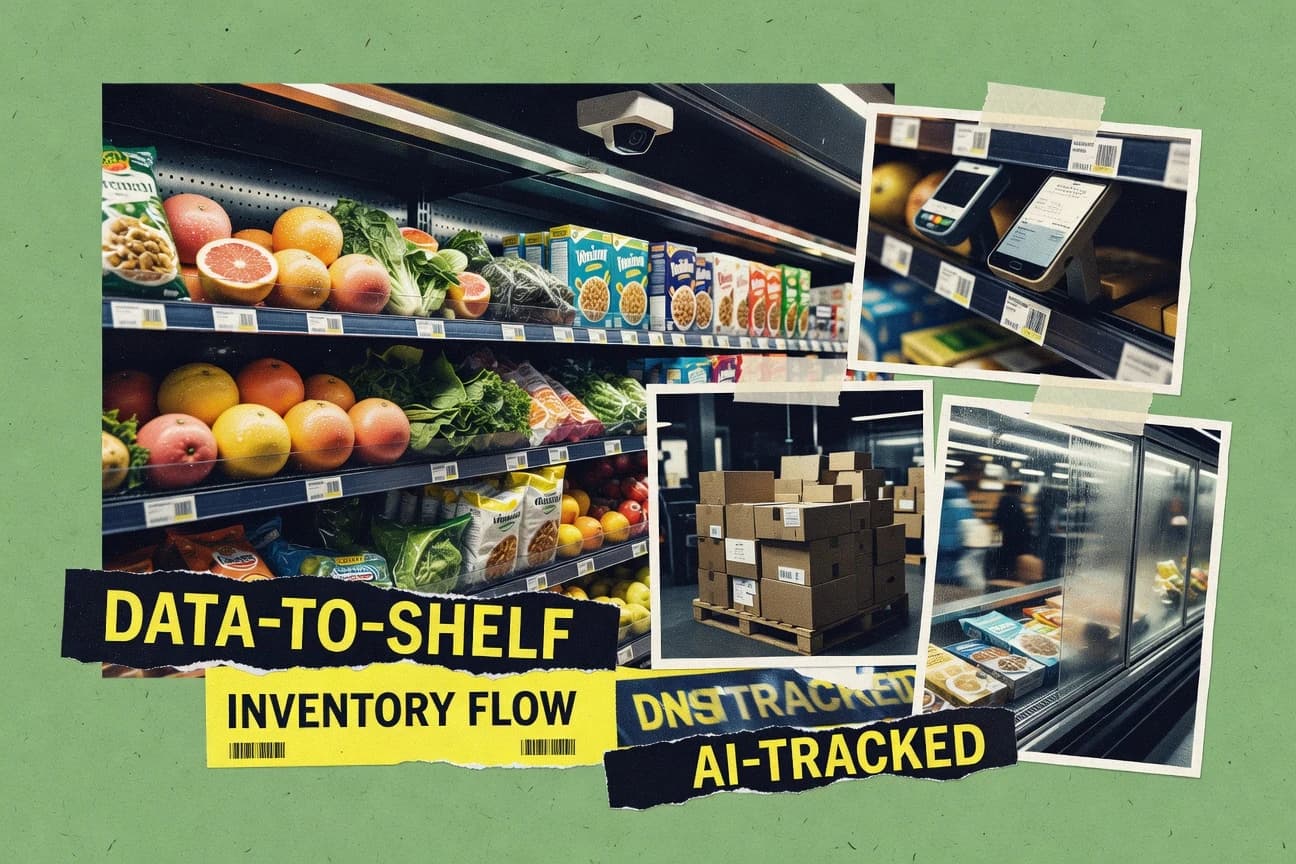
See how grocery retailers are turning AI into measurable lift and real downside at the same time, with personalization credited for a 9% jump in repeat purchases yet 38% of shoppers abandoning brands when recommendations miss the mark. The page pulls together the money and the mechanics, from pay more for better experience at 86% to faster supply planning, 30% more accurate demand forecasts, and even computer vision shelf monitoring that cuts manual check time by 30% to 60%.
AI In The Rental Industry Statistics
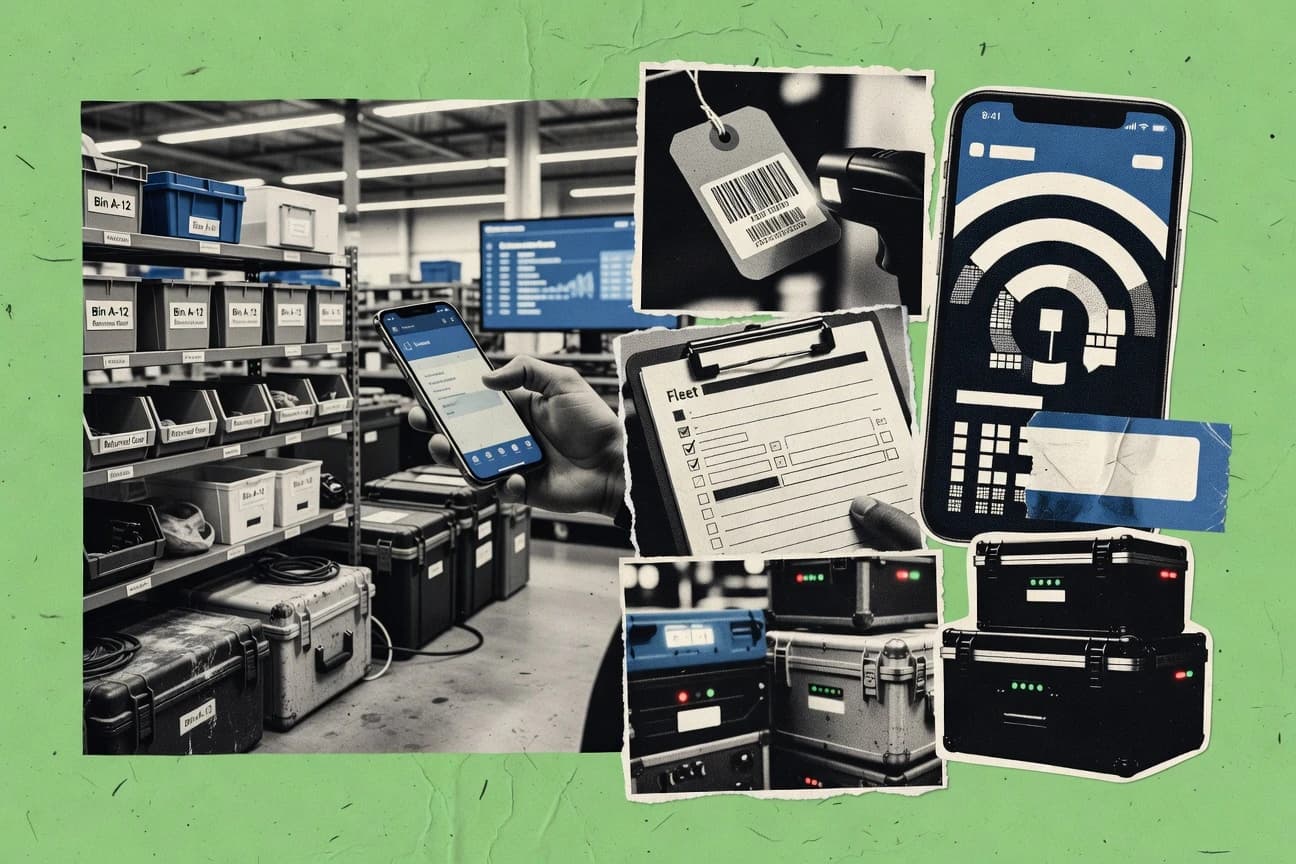
AI is already trimming rental operations’ friction, from 1.8x faster customer service resolution with AI-assisted agents to as much as a 45 percent drop in fraud losses and up to 80 percent less manual data entry through document understanding. See how the biggest pressure points like data quality and forecasting errors collide with fast rising adjacent markets such as fleet management and asset tracking, and what that means for pricing, personalization, and risk control right now.
AI In The Electrical Industry Statistics
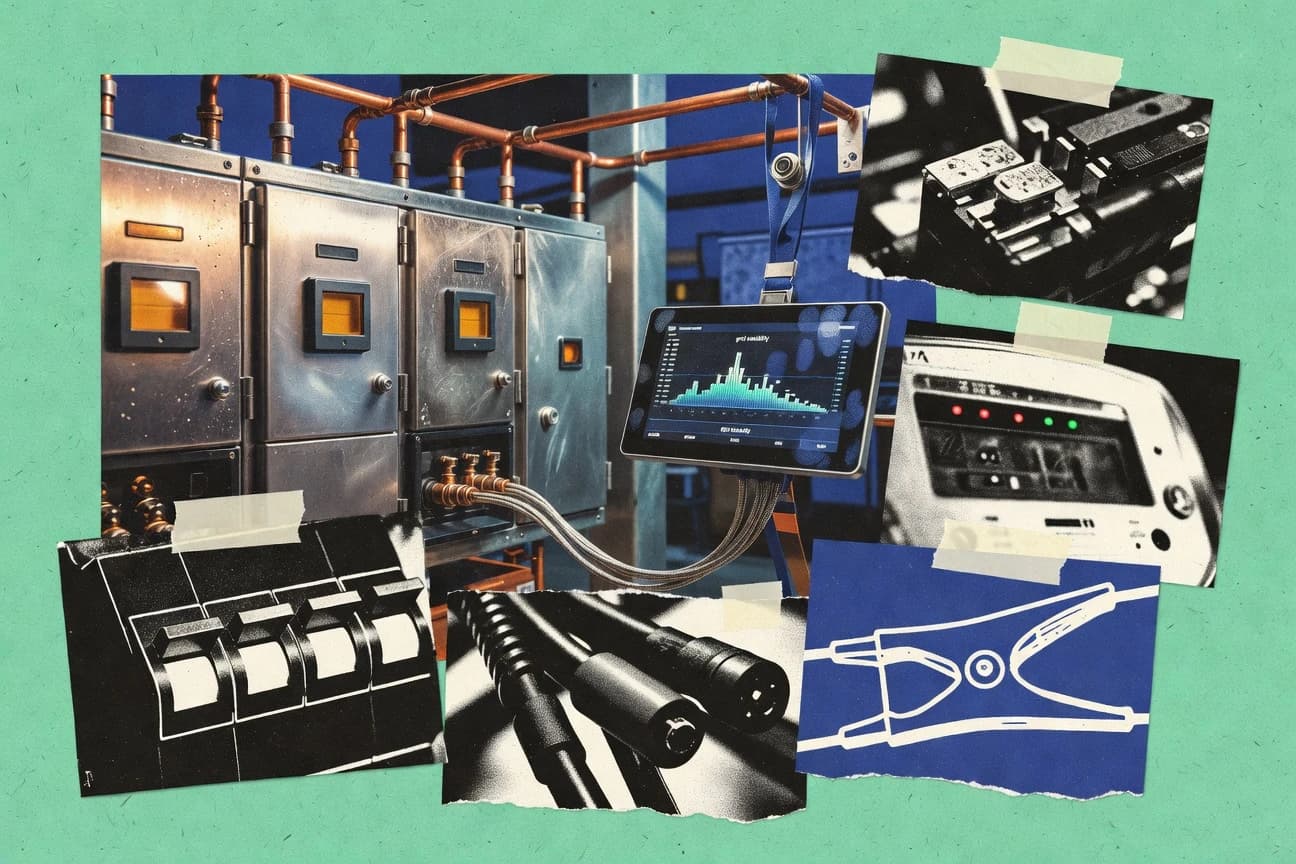
After years of talk about AI, the 2026 smart grid cybersecurity spending outlook and the EU’s distribution grid digitalization budgets show where urgency is already being funded, not just forecast. This page connects the real constraints utilities face such as data quality and cyber risk with measurable outcomes like loss reductions, predictive maintenance value, and AI supported outage performance so you can judge which investments actually translate into grid resilience and cost savings.
AI In The Cheese Industry Statistics
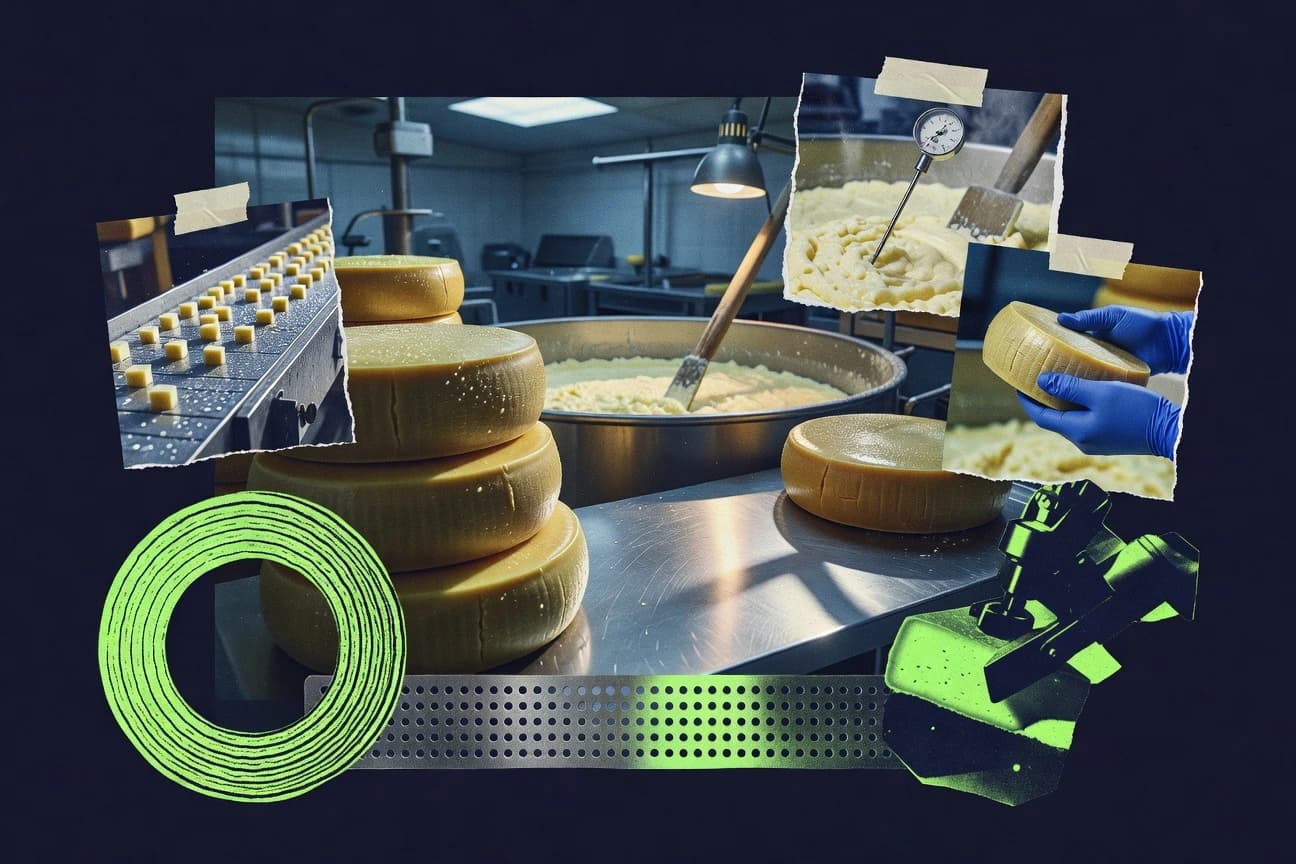
By 2025, the global retail and e commerce sector is projected to use 2.6 trillion in AI, while the food side is still fighting the hardest bottlenecks in cheese making, from quality risks to energy use. This page connects scale and climate pressure with practical results like up to a 2.5x inspection speedup from computer vision, 3.0% throughput gains, and safety testing growth to 2030 so you can see exactly where AI can replace guesswork with measurable control.

AI In The Reinsurance Industry Statistics
AI is already reshaping reinsurance performance, with McKinsey’s 2024 view that AI powers 75% of nat cat models for probabilistic loss estimation at 95% accuracy, alongside PwC’s estimate that AI-driven fraud detection saved reinsurers $1.2 billion annually in claims leakage. The page connects adoption with measurable shifts across underwriting, claims, and reserving so you can see where AI tightens pricing and where it meaningfully changes risk itself.

Korea AI Industry Statistics
South Korea is projected to spend $22.3 billion on AI software by 2027 while generative AI alone is forecast to hit $10.1 billion the same year, yet its momentum shows up just as much in infrastructure and outcomes as in investment, from 81.3% 5G population coverage and KRW 4.7 trillion AI cloud infrastructure spending to a 0.8% productivity gain. See how a country that ranked 6th for AI patent applications and backed 1.9 million GPU-hour equivalents in 2023 is translating research strength into deployable platforms, from AI servers to biometric systems.
AI In The Wholesale Industry Statistics
AI is projected to drive $19.2 billion in generative AI spend in the enterprise market in 2024, while the software side alone is expected to reach $92.2 billion by 2027, and meanwhile real operations outcomes are getting quantified from 25% to 50% lower MTTR to 15% to 30% warehouse energy savings. If you’re responsible for wholesale execution, this page puts hard adoption and performance evidence side by side so you can separate hype from measurable gains.
AI In The Department Store Industry Statistics
By 2026, retailers are expected to be using AI across the customer journey and operations, with Gartner forecasting 80% of customer service organizations turning to generative AI and chatbots deflecting up to 30% of calls, while the global retail analytics market is projected to reach $38.9 billion by 2026. If you want to understand why personalization, fraud prevention, and forecasting are moving from “nice to have” to measurable revenue protection, this AI In The Department Store Industry statistics page connects the ad spend, software, and labor realities shaping what actually gets adopted.

AI In The Power Industry Statistics
A $3.7 billion U.S. cybersecurity forecast for critical infrastructure and a $5.2 billion smart grid market forecast in 2024 sit side by side with how far utilities have really come, from 29% using ML-driven outage prediction by 2023 to 72% saying their data governance enables analytics and AI. It also quantifies what that discipline buys, like up to 30% better outage prediction accuracy and a $1.0 to $2.3 billion annual U.S. benefit potential from AI in grid operations.

AI In The Marine Industry Statistics
With $2.2 billion in maritime fraud and theft tied to losses that still scale alongside trade’s AI-ready footprint, and 59% of ocean freight companies reporting cyber incidents in 2024, the pressure on operators is no longer theoretical. This page connects that urgency to near term leverage such as $6.5 billion invested in AI startups globally, predictive maintenance valued at $5.9 billion in 2023, and shipping wide fuel cost realities that make energy efficiency and condition monitoring pay fast.
AI In The Government Industry Statistics
Privacy is blocking progress with 42% of public sector respondents naming it as their top concern, even as the fastest gains come from safer operations, like DHS work that cut AI assisted analysis time by 44%. See how privacy controls, risk frameworks, and procurement reality shape adoption, from 67% who want standardized security to 24% who flag the talent gap holding agencies back.

AI In The Internet Industry Statistics
From 99.9% of malicious Android apps blocked by Google Play Protect to 45% lower fraud losses after AI risk models, this page lays out how measurable AI wins are shaping internet safety and trust in 2024. Then it widens to the scale behind those results, including 52.2% of people using social media and billions in AI chatbot, fraud, and video analytics spending, so you can see where AI deployment pressures are coming from and what they cost.

AI In The Equipment Rental Industry Statistics
Rental businesses that adopt AI are seeing 2.5x higher year over year growth in customer-facing outcomes than non adopters, while the global AI software and services market is projected to jump from $154 billion in 2023 to $420.9 billion by 2027 and generative AI adoption reaches 35% in 2024. This page connects those demand signals to what equipment renters can actually measure, from predictive maintenance cost reductions and remote asset monitoring growth to AI security and governance expectations that can make or break scaling.
AI In The Wireless Industry Statistics
By end of 2024, 65% of wireless operators plan to deploy AI, and the payoff is already measurable, with OPEX down 30% and a 3.5x ROI within 24 months for 60% of operators. From RAN management at 72% of Tier 1 carriers to edge and private wireless pushing 98% SLA compliance, this page maps where adoption is moving fastest and where bottlenecks like data privacy and interoperability still stall progress.
AI In The Entertainment Industry Statistics
Generative AI is already reshaping entertainment workflows, from cutting caption production costs by 60% to improving consumer choices where 45% of U.S. viewers say AI recommendations have helped at least somewhat. The page ties those day to day effects to hard market forecasts, including a projected $2.3 billion U.S. AI media and entertainment technology market in 2024, and also surfaces the regulatory friction that decides what can ship and what must be labeled.

AI In The Recruiting Industry Statistics
By 2025, AI is set to touch 85% of recruiting processes in top tech firms, even as bias, fairness, and compliance keep tripping up deployments. See how adoption jumped from 45% in 2020 to 75% in 2023, alongside ROI gains and hard performance claims like 92% screening accuracy and $4,500 in savings per hire compared with manual work.

AI In The Global Textile Industry Statistics
AI is no longer a pilot project for textiles, with 28% of global firms already fully deploying it as of 2024, and adopting factories reporting 35% higher labor productivity while cutting operational costs by 28% each year. The page also tracks the sharp operational payoff from 99.2% accurate defect detection to 45% lower water use, alongside the friction point that 67% of firms struggle with data privacy as AI scales.