GITNUXREPORT 2026

Poverty In The World Statistics

Progress against extreme poverty is real but has stalled recently.

How We Build This Report

01
Primary Source Collection

Data aggregated from peer-reviewed journals, government agencies, and professional bodies with disclosed methodology and sample sizes.

02
Editorial Curation

Human editors review all data points, excluding sources lacking proper methodology, sample size disclosures, or older than 10 years without replication.

03
AI-Powered Verification

Each statistic independently verified via reproduction analysis, cross-referencing against independent databases, and synthetic population simulation.

04
Human Cross-Check

Final human editorial review of all AI-verified statistics. Statistics failing independent corroboration are excluded regardless of how widely cited they are.

Statistics that could not be independently verified are excluded regardless of how widely cited they are elsewhere.

Our process →

Key Statistics

Statistic 1

In 2022, 333 million children under 5 (one in six) stunted due to poverty-related malnutrition

Statistic 2

148 million children under 5 stunted in 2022, 35 million wasted, mostly in poorest households

Statistic 3

258 million children out of school globally in 2023, 60% from poorest quintiles

Statistic 4

Child poverty rate at $2.15/day was 12.8% globally in 2022, affecting 242 million children

Statistic 5

In Sub-Saharan Africa, 77% of children under 5 multidimensionally poor in 2023

Statistic 6

356 million children in extreme poverty in 2022, nearly half of all poor

Statistic 7

Adolescent girls in poorest households 3x more likely to marry before 18, 12 million/year

Statistic 8

1 in 10 children globally in monetary poverty, but 1 in 5 multidimensionally poor

Statistic 9

In South Asia, 78 million children stunted, highest regional burden linked to poverty

Statistic 10

Elderly poverty affects 133 million over 60 globally, 12.3% rate, rising with urbanization

Statistic 11

Female-headed households 20-30% more likely to be poor in developing countries

Statistic 12

Indigenous peoples 19% of world's poor despite 5% population, MPI 2x national averages

Statistic 13

Refugees and IDPs: 117 million forcibly displaced in 2024, 80% in low-income countries, poverty rates 50%+

Statistic 14

Disabled individuals 15-20% more likely to live in poverty globally

Statistic 15

In LDCs, 40% of women in poorest wealth quintile vs 25% men, gender poverty gap

Statistic 16

In 2023, approximately 712 million people worldwide lived in extreme poverty, defined as less than $2.15 per day in 2017 PPP terms, accounting for 8.7% of the global population

Statistic 17

As of 2022, the global extreme poverty rate stood at 8.5%, with a total of 689 million people affected, down from 1.9 billion in 1990

Statistic 18

In 2019, before the COVID-19 pandemic, 648 million people were in extreme poverty globally, representing 8.4% of the world population using the $1.90/day line (updated to $2.15)

Statistic 19

Extreme poverty affected 9.3% of the global population in 2020 due to pandemic impacts, pushing an additional 97 million people into poverty

Statistic 20

By 2023 estimates, 658 million people remained in extreme poverty, with projections indicating a rate of 7.2% by 2030 if trends continue

Statistic 21

The global poverty rate at $3.65/day (lower-middle-income line) was 23.8% in 2022, affecting about 1.9 billion people

Statistic 22

In 2022, 46% of the world's population lived below the $6.85/day upper-middle-income poverty line, totaling 3.7 billion individuals

Statistic 23

Multidimensional poverty affected 1.1 billion people in 2021, or 18% of the global population across health, education, and living standards

Statistic 24

In 2023, 2.8 billion people globally (one-third of humanity) lived on less than $6.85 per day, struggling with basic needs

Statistic 25

Global hunger affected 735 million people in 2022, linked closely to poverty levels, with 29.6% of the world undernourished

Statistic 26

3.7 billion people (47%) lived in extreme or moderate poverty in 2022, below $6.85/day, per World Bank data

Statistic 27

In 2015, 734 million were in extreme poverty at $1.90/day, reduced to 689 million by 2022 despite population growth

Statistic 28

The international poverty line was updated to $2.15/day in September 2022, revising historical rates slightly upward

Statistic 29

8.4% extreme poverty rate in 2019 dropped to 8.7% in 2020-2022 average due to COVID-19 reversals

Statistic 30

By 2030, extreme poverty is projected to affect 575-622 million people, depending on growth scenarios

Statistic 31

In 2023, 712 million people worldwide lived in extreme poverty, defined as less than $2.15 per day in 2017 PPP terms, accounting for 8.7% of the global population

Statistic 32

As of 2022, the global extreme poverty rate stood at 8.5%, with a total of 689 million people affected, down from 1.9 billion in 1990

Statistic 33

In 2019, before the COVID-19 pandemic, 648 million people were in extreme poverty globally, representing 8.4% of the world population using the $1.90/day line (updated to $2.15)

Statistic 34

Extreme poverty affected 9.3% of the global population in 2020 due to pandemic impacts, pushing an additional 97 million people into poverty

Statistic 35

By 2023 estimates, 658 million people remained in extreme poverty, with projections indicating a rate of 7.2% by 2030 if trends continue

Statistic 36

The global poverty rate at $3.65/day (lower-middle-income line) was 23.8% in 2022, affecting about 1.9 billion people

Statistic 37

In 2022, 46% of the world's population lived below the $6.85/day upper-middle-income poverty line, totaling 3.7 billion individuals

Statistic 38

Multidimensional poverty affected 1.1 billion people in 2021, or 18% of the global population across health, education, and living standards

Statistic 39

Niger had the highest multidimensional poverty rate at 74.8% in 2023 MPI

Statistic 40

Globally, multidimensional poverty headcount was 19.1% in 2023, with 1.1 billion poor, intense deprivation average 44.3%

Statistic 41

In India, 16.4% (234 million) multidimensionally poor in 2019-21, down from 55% in 2005-06

Statistic 42

Sub-Saharan Africa MPI poverty rate 53.7% in 2023, affecting 589 million

Statistic 43

South Asia MPI 25.2%, 385 million poor in 2023, with high deprivations in sanitation

Statistic 44

644 million multidimensionally poor lacked electricity in 2023, nearly 60% of all poor

Statistic 45

Child multidimensional poverty affected 666 million children globally (27.7%) in 2023

Statistic 46

In Ethiopia, MPI intensity was 48.1% in 2019, with 68% poor

Statistic 47

Pakistan MPI poverty 38.3% (83 million) in 2019-20, high in education and assets

Statistic 48

Nigeria MPI 63% (133 million), worst deprivations in sanitation and housing

Statistic 49

Globally, 67% of multidimensionally poor lived in rural areas in 2023 MPI

Statistic 50

188 million poor deprived in nutrition, contributing to 1.3 years lost in HDI

Statistic 51

In Latin America, MPI poverty low at 3.8%, but indigenous groups 2-3x higher

Statistic 52

450 million poor deprived in clean cooking fuel globally in 2023

Statistic 53

Haiti MPI 51.4% in 2012, with 79% intensity, highest in Americas

Statistic 54

In Sub-Saharan Africa, 429 million people (35%) lived in extreme poverty in 2022, hosting nearly 60% of the world's poor

Statistic 55

South Asia had 207 million in extreme poverty in 2022 (10.4% rate), down from higher levels pre-pandemic

Statistic 56

In East Asia and Pacific, extreme poverty affected 24 million people (0.5%) in 2022, a remarkable decline

Statistic 57

Latin America and Caribbean saw 26 million in extreme poverty (4.1%) in 2022, with rates varying by country

Statistic 58

Middle East and North Africa had 60 million in extreme poverty (9.4%) in 2022, impacted by conflicts

Statistic 59

Europe and Central Asia extreme poverty at 2.8% (12 million people) in 2022, lowest among regions

Statistic 60

In Nigeria, 87 million people (40% of population) lived below $1.90/day in 2022 estimates

Statistic 61

India reduced extreme poverty from 22% in 2011 to under 5% by 2022, lifting 415 million out since 2005

Statistic 62

Democratic Republic of Congo had 74% extreme poverty rate (62 million people) in 2022

Statistic 63

Ethiopia's extreme poverty rate was 30.8% (36 million) in 2022, affected by droughts and conflict

Statistic 64

In Pakistan, 39.3% (89 million) lived below national poverty line in 2022-23, with multidimensional poverty at 38.3%

Statistic 65

Bangladesh extreme poverty at 0.9% (1.6 million) in 2022, a success story from 44.2% in 2000

Statistic 66

Yemen had 76.6% extreme poverty (23 million) in 2022 due to ongoing war

Statistic 67

In Mozambique, 64% (18 million) in extreme poverty in 2022, worsened by cyclones and insurgency

Statistic 68

Afghanistan's poverty rate exceeded 90% post-2021, affecting 24 million needing aid

Statistic 69

Since 1990, 1.1 billion people escaped extreme poverty, fastest decline 2000-2015 at 1% annually

Statistic 70

COVID-19 pushed 70-95 million extra into extreme poverty in 2020, largest reversal since 1990

Statistic 71

Extreme poverty share fell from 38% in 1990 to 8.7% in 2023, but absolute numbers stagnant post-2014

Statistic 72

To eradicate extreme poverty by 2030, need 3% annual decline, but current 0.5-1%, off-track SDG1

Statistic 73

Climate change may push 26-40 million more into poverty by 2030, via reduced growth

Statistic 74

Projections: 7.3% global extreme poverty by 2030 (622 million), concentrated in SSA

Statistic 75

Post-COVID recovery: poverty reduction slowed to 0.65 pp/year 2013-2019 vs 1% before

Statistic 76

Inequality slowed poverty decline; Gini coefficient global 38.5 in 2022

Statistic 77

Food prices inflation added 75 million to hunger/poverty in 2022

Statistic 78

By 2050, without action, 158 million more in poverty due to climate shocks

Statistic 79

China lifted 800 million from poverty since 1978, accounting for 75% global decline 1990-2015

Statistic 80

Sub-Saharan Africa poverty projected to rise to 87% of global poor by 2030 from 60%

Statistic 81

Digital inclusion could lift 1 billion from poverty by 2025, per projections

Statistic 82

War in Ukraine added 71 million to extreme poverty temporarily in 2022

Statistic 83

Optimistic scenario: extreme poverty to 3% by 2050 with sustained growth

Trusted by 500+ publications
Harvard Business ReviewThe GuardianFortune+497
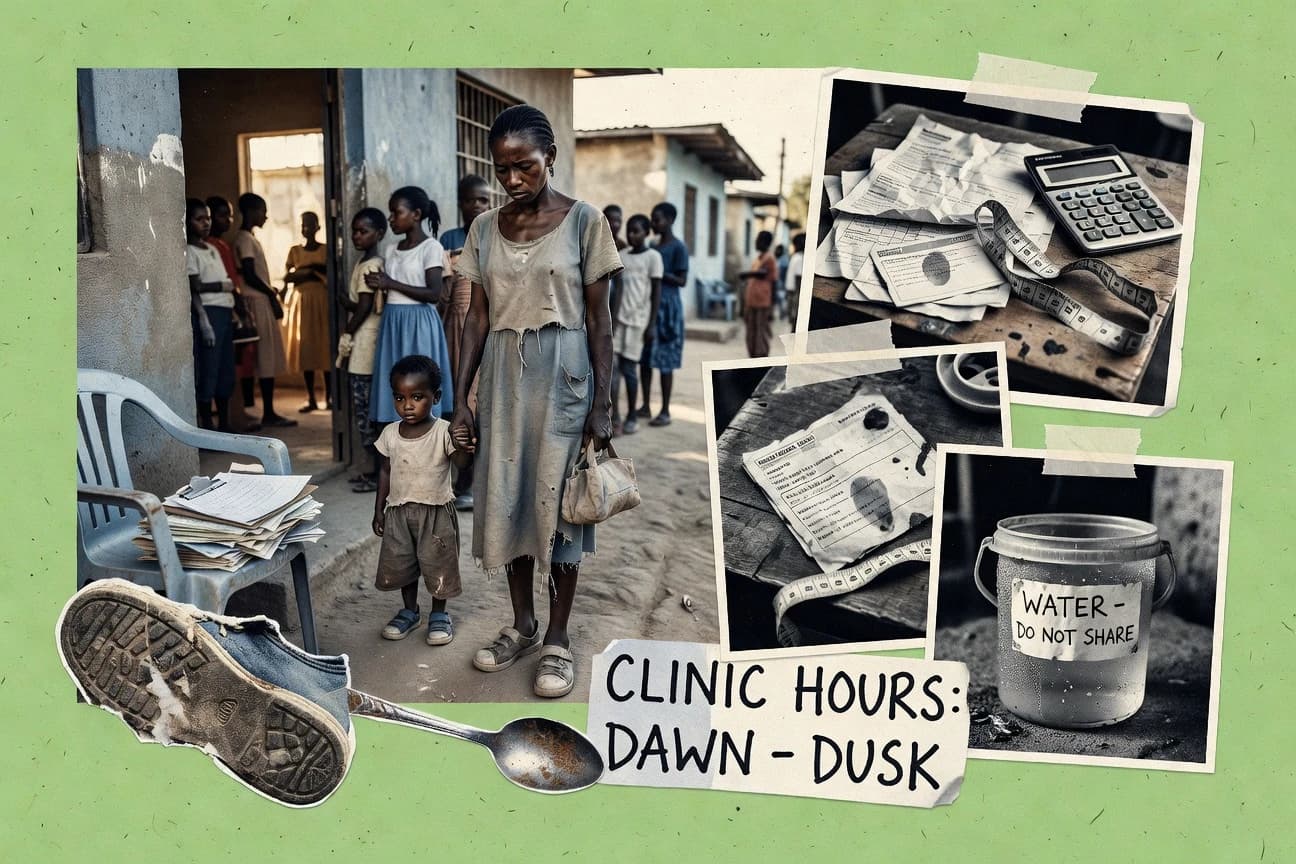
Behind every statistic is a human story, and the staggering fact that over 700 million people today survive on less than what a cup of coffee costs is a profound testament to the global challenge of extreme poverty.

Key Takeaways

  • In 2023, approximately 712 million people worldwide lived in extreme poverty, defined as less than $2.15 per day in 2017 PPP terms, accounting for 8.7% of the global population
  • As of 2022, the global extreme poverty rate stood at 8.5%, with a total of 689 million people affected, down from 1.9 billion in 1990
  • In 2019, before the COVID-19 pandemic, 648 million people were in extreme poverty globally, representing 8.4% of the world population using the $1.90/day line (updated to $2.15)
  • In Sub-Saharan Africa, 429 million people (35%) lived in extreme poverty in 2022, hosting nearly 60% of the world's poor
  • South Asia had 207 million in extreme poverty in 2022 (10.4% rate), down from higher levels pre-pandemic
  • In East Asia and Pacific, extreme poverty affected 24 million people (0.5%) in 2022, a remarkable decline
  • Niger had the highest multidimensional poverty rate at 74.8% in 2023 MPI
  • Globally, multidimensional poverty headcount was 19.1% in 2023, with 1.1 billion poor, intense deprivation average 44.3%
  • In India, 16.4% (234 million) multidimensionally poor in 2019-21, down from 55% in 2005-06
  • In 2022, 333 million children under 5 (one in six) stunted due to poverty-related malnutrition
  • 148 million children under 5 stunted in 2022, 35 million wasted, mostly in poorest households
  • 258 million children out of school globally in 2023, 60% from poorest quintiles
  • Since 1990, 1.1 billion people escaped extreme poverty, fastest decline 2000-2015 at 1% annually
  • COVID-19 pushed 70-95 million extra into extreme poverty in 2020, largest reversal since 1990
  • Extreme poverty share fell from 38% in 1990 to 8.7% in 2023, but absolute numbers stagnant post-2014

Progress against extreme poverty is real but has stalled recently.

Child and Vulnerable Groups Poverty

1In 2022, 333 million children under 5 (one in six) stunted due to poverty-related malnutrition
Verified
2148 million children under 5 stunted in 2022, 35 million wasted, mostly in poorest households
Verified
3258 million children out of school globally in 2023, 60% from poorest quintiles
Verified
4Child poverty rate at $2.15/day was 12.8% globally in 2022, affecting 242 million children
Directional
5In Sub-Saharan Africa, 77% of children under 5 multidimensionally poor in 2023
Single source
6356 million children in extreme poverty in 2022, nearly half of all poor
Verified
7Adolescent girls in poorest households 3x more likely to marry before 18, 12 million/year
Verified
81 in 10 children globally in monetary poverty, but 1 in 5 multidimensionally poor
Verified
9In South Asia, 78 million children stunted, highest regional burden linked to poverty
Directional
10Elderly poverty affects 133 million over 60 globally, 12.3% rate, rising with urbanization
Single source
11Female-headed households 20-30% more likely to be poor in developing countries
Verified
12Indigenous peoples 19% of world's poor despite 5% population, MPI 2x national averages
Verified
13Refugees and IDPs: 117 million forcibly displaced in 2024, 80% in low-income countries, poverty rates 50%+
Verified
14Disabled individuals 15-20% more likely to live in poverty globally
Directional
15In LDCs, 40% of women in poorest wealth quintile vs 25% men, gender poverty gap
Single source

Child and Vulnerable Groups Poverty Interpretation

Even as we meticulously chart the cosmos and engineer artificial minds, our collective conscience is still failing the most basic of earthly tests, leaving a third of a billion young children physically diminished by hunger and nearly half of humanity's entire poor population under the age of eighteen.

Global Poverty Rates

1In 2023, approximately 712 million people worldwide lived in extreme poverty, defined as less than $2.15 per day in 2017 PPP terms, accounting for 8.7% of the global population
Verified
2As of 2022, the global extreme poverty rate stood at 8.5%, with a total of 689 million people affected, down from 1.9 billion in 1990
Verified
3In 2019, before the COVID-19 pandemic, 648 million people were in extreme poverty globally, representing 8.4% of the world population using the $1.90/day line (updated to $2.15)
Verified
4Extreme poverty affected 9.3% of the global population in 2020 due to pandemic impacts, pushing an additional 97 million people into poverty
Directional
5By 2023 estimates, 658 million people remained in extreme poverty, with projections indicating a rate of 7.2% by 2030 if trends continue
Single source
6The global poverty rate at $3.65/day (lower-middle-income line) was 23.8% in 2022, affecting about 1.9 billion people
Verified
7In 2022, 46% of the world's population lived below the $6.85/day upper-middle-income poverty line, totaling 3.7 billion individuals
Verified
8Multidimensional poverty affected 1.1 billion people in 2021, or 18% of the global population across health, education, and living standards
Verified
9In 2023, 2.8 billion people globally (one-third of humanity) lived on less than $6.85 per day, struggling with basic needs
Directional
10Global hunger affected 735 million people in 2022, linked closely to poverty levels, with 29.6% of the world undernourished
Single source
113.7 billion people (47%) lived in extreme or moderate poverty in 2022, below $6.85/day, per World Bank data
Verified
12In 2015, 734 million were in extreme poverty at $1.90/day, reduced to 689 million by 2022 despite population growth
Verified
13The international poverty line was updated to $2.15/day in September 2022, revising historical rates slightly upward
Verified
148.4% extreme poverty rate in 2019 dropped to 8.7% in 2020-2022 average due to COVID-19 reversals
Directional
15By 2030, extreme poverty is projected to affect 575-622 million people, depending on growth scenarios
Single source
16In 2023, 712 million people worldwide lived in extreme poverty, defined as less than $2.15 per day in 2017 PPP terms, accounting for 8.7% of the global population
Verified
17As of 2022, the global extreme poverty rate stood at 8.5%, with a total of 689 million people affected, down from 1.9 billion in 1990
Verified
18In 2019, before the COVID-19 pandemic, 648 million people were in extreme poverty globally, representing 8.4% of the world population using the $1.90/day line (updated to $2.15)
Verified
19Extreme poverty affected 9.3% of the global population in 2020 due to pandemic impacts, pushing an additional 97 million people into poverty
Directional
20By 2023 estimates, 658 million people remained in extreme poverty, with projections indicating a rate of 7.2% by 2030 if trends continue
Single source
21The global poverty rate at $3.65/day (lower-middle-income line) was 23.8% in 2022, affecting about 1.9 billion people
Verified
22In 2022, 46% of the world's population lived below the $6.85/day upper-middle-income poverty line, totaling 3.7 billion individuals
Verified
23Multidimensional poverty affected 1.1 billion people in 2021, or 18% of the global population across health, education, and living standards
Verified

Global Poverty Rates Interpretation

The metrics show a slow and painful retreat of extreme poverty, but its stubborn persistence in a world of such immense wealth remains an obscenity that statisticians can measure and humanity must confront.

Multidimensional Poverty

1Niger had the highest multidimensional poverty rate at 74.8% in 2023 MPI
Verified
2Globally, multidimensional poverty headcount was 19.1% in 2023, with 1.1 billion poor, intense deprivation average 44.3%
Verified
3In India, 16.4% (234 million) multidimensionally poor in 2019-21, down from 55% in 2005-06
Verified
4Sub-Saharan Africa MPI poverty rate 53.7% in 2023, affecting 589 million
Directional
5South Asia MPI 25.2%, 385 million poor in 2023, with high deprivations in sanitation
Single source
6644 million multidimensionally poor lacked electricity in 2023, nearly 60% of all poor
Verified
7Child multidimensional poverty affected 666 million children globally (27.7%) in 2023
Verified
8In Ethiopia, MPI intensity was 48.1% in 2019, with 68% poor
Verified
9Pakistan MPI poverty 38.3% (83 million) in 2019-20, high in education and assets
Directional
10Nigeria MPI 63% (133 million), worst deprivations in sanitation and housing
Single source
11Globally, 67% of multidimensionally poor lived in rural areas in 2023 MPI
Verified
12188 million poor deprived in nutrition, contributing to 1.3 years lost in HDI
Verified
13In Latin America, MPI poverty low at 3.8%, but indigenous groups 2-3x higher
Verified
14450 million poor deprived in clean cooking fuel globally in 2023
Directional
15Haiti MPI 51.4% in 2012, with 79% intensity, highest in Americas
Single source

Multidimensional Poverty Interpretation

Niger's staggering 75% multidimensional poverty rate stands as a grim, sobering outlier, yet the global portrait is one of 1.1 billion people—two-thirds in rural areas—locked in a punishing cycle where, for instance, lacking electricity or clean cooking fuel isn't just an inconvenience but a core deprivation that stunts human potential from childhood.

Regional and Country-Specific Poverty

1In Sub-Saharan Africa, 429 million people (35%) lived in extreme poverty in 2022, hosting nearly 60% of the world's poor
Verified
2South Asia had 207 million in extreme poverty in 2022 (10.4% rate), down from higher levels pre-pandemic
Verified
3In East Asia and Pacific, extreme poverty affected 24 million people (0.5%) in 2022, a remarkable decline
Verified
4Latin America and Caribbean saw 26 million in extreme poverty (4.1%) in 2022, with rates varying by country
Directional
5Middle East and North Africa had 60 million in extreme poverty (9.4%) in 2022, impacted by conflicts
Single source
6Europe and Central Asia extreme poverty at 2.8% (12 million people) in 2022, lowest among regions
Verified
7In Nigeria, 87 million people (40% of population) lived below $1.90/day in 2022 estimates
Verified
8India reduced extreme poverty from 22% in 2011 to under 5% by 2022, lifting 415 million out since 2005
Verified
9Democratic Republic of Congo had 74% extreme poverty rate (62 million people) in 2022
Directional
10Ethiopia's extreme poverty rate was 30.8% (36 million) in 2022, affected by droughts and conflict
Single source
11In Pakistan, 39.3% (89 million) lived below national poverty line in 2022-23, with multidimensional poverty at 38.3%
Verified
12Bangladesh extreme poverty at 0.9% (1.6 million) in 2022, a success story from 44.2% in 2000
Verified
13Yemen had 76.6% extreme poverty (23 million) in 2022 due to ongoing war
Verified
14In Mozambique, 64% (18 million) in extreme poverty in 2022, worsened by cyclones and insurgency
Directional
15Afghanistan's poverty rate exceeded 90% post-2021, affecting 24 million needing aid
Single source

Regional and Country-Specific Poverty Interpretation

These statistics paint a global map where progress and catastrophe exist side-by-side, starkly revealing that while the world can collectively win the war on poverty, for millions in places like Sub-Saharan Africa and conflict zones, the battle is not only being lost but is intensifying.

Trends and Projections

1Since 1990, 1.1 billion people escaped extreme poverty, fastest decline 2000-2015 at 1% annually
Verified
2COVID-19 pushed 70-95 million extra into extreme poverty in 2020, largest reversal since 1990
Verified
3Extreme poverty share fell from 38% in 1990 to 8.7% in 2023, but absolute numbers stagnant post-2014
Verified
4To eradicate extreme poverty by 2030, need 3% annual decline, but current 0.5-1%, off-track SDG1
Directional
5Climate change may push 26-40 million more into poverty by 2030, via reduced growth
Single source
6Projections: 7.3% global extreme poverty by 2030 (622 million), concentrated in SSA
Verified
7Post-COVID recovery: poverty reduction slowed to 0.65 pp/year 2013-2019 vs 1% before
Verified
8Inequality slowed poverty decline; Gini coefficient global 38.5 in 2022
Verified
9Food prices inflation added 75 million to hunger/poverty in 2022
Directional
10By 2050, without action, 158 million more in poverty due to climate shocks
Single source
11China lifted 800 million from poverty since 1978, accounting for 75% global decline 1990-2015
Verified
12Sub-Saharan Africa poverty projected to rise to 87% of global poor by 2030 from 60%
Verified
13Digital inclusion could lift 1 billion from poverty by 2025, per projections
Verified
14War in Ukraine added 71 million to extreme poverty temporarily in 2022
Directional
15Optimistic scenario: extreme poverty to 3% by 2050 with sustained growth
Single source

Trends and Projections Interpretation

We were sprinting toward a finish line of eradicating extreme poverty until a global pandemic tripped us, climate change began dismantling the track ahead, and now we’re left limping forward while history books threaten to remember our era as the time we had the solutions but lacked the collective will to fully cross the goal.