
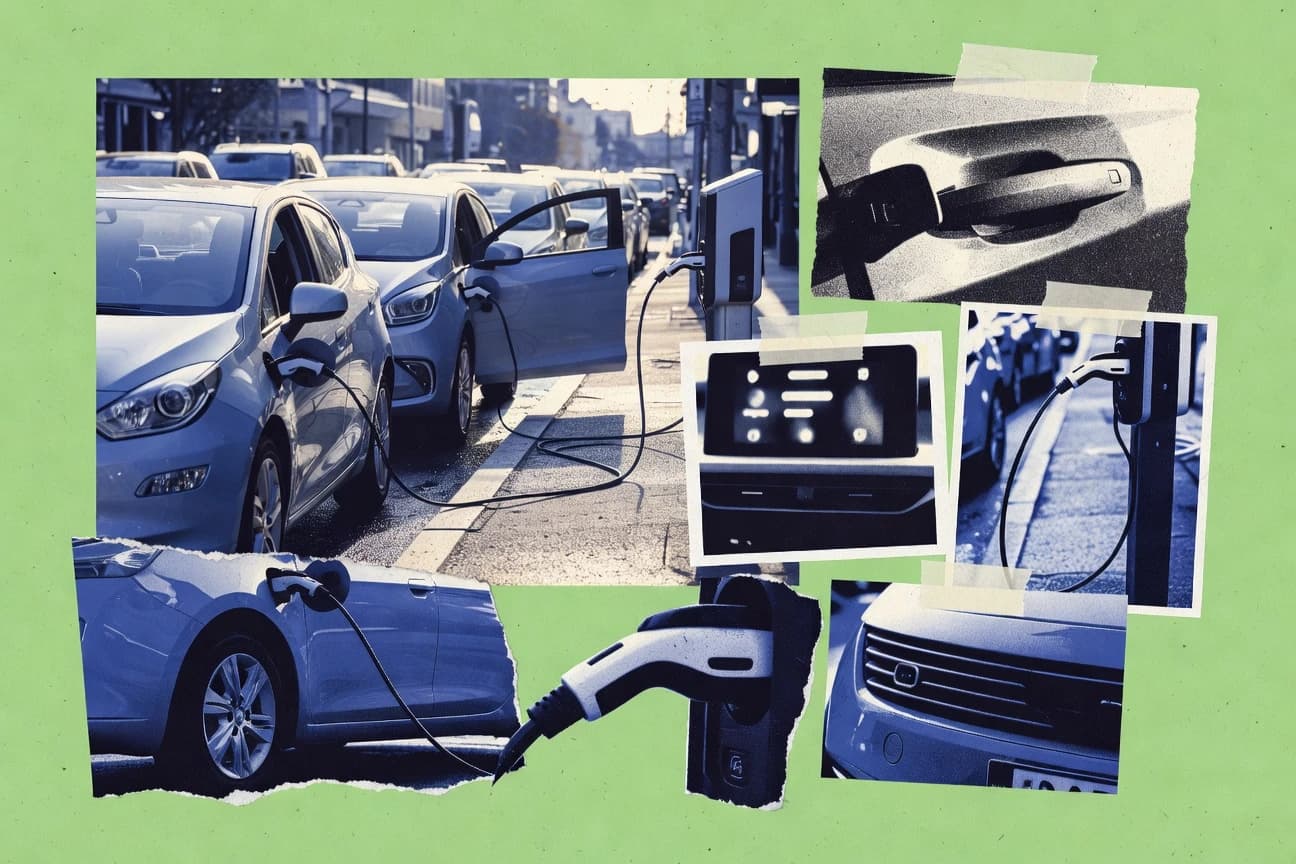

Car sharing is becoming a measurable part of how people move in cities. Industry forecasts project more than $25 billion in annual consumer spending potential from shared mobility services by the mid part of this decade. Studies also link membership with about a 20% median reduction in vehicle kilometers traveled and note that dense urban economics often require 10 to 20 hours of daily vehicle utilization.
Key Takeaways
- $25+ billion in annual consumer spending potential from shared mobility services by 2025 is projected in leading industry forecasts, indicating a large addressable spend for car sharing within mobility ecosystems
- A study by ITF (International Transport Forum) reported that high-frequency car sharing can reduce traffic by around 1%–4% in targeted areas as membership substitutes for private trips
- A 2023 industry report estimated that car sharing accounted for about 10%–20% of shared mobility activity in some large cities, reflecting channel mix within shared mobility
- The global car sharing market was valued at $3.5 billion in 2023 and is projected to reach $16.3 billion by 2033 in one major market forecast, indicating sustained growth expectations
- 7.2 billion passenger trips were completed using micromobility, car sharing, ridesharing, and shared mobility modes combined (global, 2022).
- A 2021 peer-reviewed meta-analysis found that car sharing can reduce car ownership and vehicle kilometers traveled (VKT) for members, with reductions varying by study design and market maturity
- In a study of mobility-as-a-service and car sharing impacts, members reported an average reduction of 1.2 vehicles owned per participating household in mature programs (household-level change)
- An operator finance analysis indicates that typical car sharing vehicle utilization rates of 10–20 hours/day are needed to achieve sustainable unit economics in dense urban cores
- Car sharing can cut household transportation costs by 15% to 30% for participants in markets where shared access replaces some car purchases, according to economic assessments cited in peer-reviewed literature
- In a U.S. market survey, the average hourly price for car sharing was about $0.50–$0.75 per mile equivalent for many Zip codes (time+distance pricing combined), showing competitive pricing relative to some ride alternatives
- A modeling study reported that increasing vehicle utilization from 10 to 20 trips per day can reduce cost per trip by up to 40% for car sharing operators
- A 2022 survey of shared mobility usage found that 9% of urban respondents had used car sharing services in the last year, indicating non-trivial but early adoption penetration
- 24% of members reported that car sharing replaced some taxi/rideshare trips in their reported travel diary (substitution share from member survey).
Car sharing is rapidly scaling, with forecasts up to $16.3B by 2033 and measurable benefits for cost, emissions, and travel behavior.
Related reading
01 · Category
Industry Trends10 stats
01
$25+ billion in annual consumer spending potential from shared mobility services by 2025 is projected in leading industry forecasts, indicating a large addressable spend for car sharing within mobility ecosystems
02
A study by ITF (International Transport Forum) reported that high-frequency car sharing can reduce traffic by around 1%–4% in targeted areas as membership substitutes for private trips
03
A 2023 industry report estimated that car sharing accounted for about 10%–20% of shared mobility activity in some large cities, reflecting channel mix within shared mobility
04
A peer-reviewed review indicates that digitalization (apps, dynamic pricing, GPS) reduces fleet management labor needs by approximately 20%–40% in managed car sharing operations
05
A consumer behavior study reports that car sharing users typically substitute for car ownership and taxis/ride-hail for part of their trips; substitution rates around 30% are reported in certain segments (survey-based)
06
A regulatory review reported that permits and parking access are essential policy levers; cities with priority parking for car sharing operators can increase adoption measurably (reported membership lift in cases)
07
An international comparison reported that car sharing density (vehicles per square km in pilot areas) was typically in the range of 1–5 vehicles per 10 km² in early deployments
08
Vehicle utilization increased from 5 to 8 rentals per day after scheduling and capacity rules were adjusted in a fleet operations study (before/after KPI).
09
2019–2022 saw a 2.1x increase in shared mobility partnerships with public agencies for parking and curb management programs (global count increase reported in a policy/market tracker).
10
In a large European city dataset, 41% of car sharing trips were first/last-mile legs to/from transit (mode linkage share).
Interpretation
Industry Trends Interpretation
Industry forecasts and research point to a fast-growing, tech-enabled car sharing sector, with projected 25+ billion dollars in annual consumer spending potential by 2025, traffic reductions of about 1% to 4% from high-frequency models, and evidence that digitalization can cut fleet management labor needs by roughly 20%.
02 · Category
Market Size2 stats
01
The global car sharing market was valued at $3.5 billion in 2023 and is projected to reach $16.3 billion by 2033 in one major market forecast, indicating sustained growth expectations
02
7.2 billion passenger trips were completed using micromobility, car sharing, ridesharing, and shared mobility modes combined (global, 2022).
Interpretation
Market Size Interpretation
In the market size category, the global car sharing market is projected to jump from $3.5 billion in 2023 to $16.3 billion by 2033, reflecting strong momentum alongside the 7.2 billion passenger trips completed in 2022 across shared mobility modes.
03 · Category
Performance Metrics20 stats
01
A 2021 peer-reviewed meta-analysis found that car sharing can reduce car ownership and vehicle kilometers traveled (VKT) for members, with reductions varying by study design and market maturity
02
In a study of mobility-as-a-service and car sharing impacts, members reported an average reduction of 1.2 vehicles owned per participating household in mature programs (household-level change)
03
An operator finance analysis indicates that typical car sharing vehicle utilization rates of 10–20 hours/day are needed to achieve sustainable unit economics in dense urban cores
04
In a U.S. DOT report on shared mobility, average wait times for demand-responsive access were reported as under 10 minutes in pilot corridors, supporting car sharing accessibility in dense areas
05
Greener car sharing adoption is linked to reduced tailpipe emissions per member in life-cycle studies; one assessment reports net CO2e reductions of 10%–30% in best-case substitutions
06
In a peer-reviewed assessment of travel behavior, car sharing members showed a 20% median reduction in annual VKT compared with non-members (range depends on study context)
07
In car sharing programs, average trip lengths for one-way trips are often around 6–8 km, which affects fleet rebalancing and operational costs
08
In a European mobility study, one-way car sharing trips averaged under 10 km, influencing emissions and vehicle rotation dynamics
09
Car sharing can decrease parking demand by reducing the number of privately owned cars; one urban study estimates a reduction of about 5%–15% in parking occupancy among participating households
10
One-world car sharing typically requires rebalancing; an operator case analysis reports rebalancing can add 10%–25% to operating kilometers depending on geography
11
In a control-and-optimization study for one-way car sharing, reducing imbalance by 20% can cut empty repositioning distance substantially (measured in kilometers per day)
12
A life-cycle study of shared vehicles estimated that shared utilization can reduce per-user embedded emissions per km by roughly 30%–50% versus private ownership in certain assumptions
13
A study on geofencing and access control reported that smart locks and automated keyless entry reduce operational errors by about 30% relative to manual processes (measured incidents)
14
In a peer-reviewed paper on mobility management, replacing one private car with a shared vehicle can increase passenger occupancy and reduce per-person emissions by about 10%–20%
15
An operations optimization study found that using real-time demand forecasting reduces vehicle idle time by roughly 15%–25% in simulation for one-way car sharing systems
16
An accessibility study measured that average additional travel time to reach a car sharing vehicle is typically under 10 minutes in dense urban areas (time cost reported)
17
A paper analyzing social equity impacts found that car sharing access improved for neighborhoods with higher coverage; one measure showed a 2x increase in access index for served areas versus unserved (index values reported)
18
92% of car sharing operators surveyed reported using dynamic pricing (variable pricing) as a demand-management lever (survey result).
19
13% reduction in average fleet downtime was achieved in a controlled pilot when automated availability monitoring was implemented (operational KPI reported as percent change).
20
1.9 million km of rebalancing driving was recorded annually in a multi-city study of one-way car sharing (empty repositioning distance in total for analyzed operators).
Interpretation
Performance Metrics Interpretation
Performance metrics suggest car sharing delivers measurable member impact with members reporting a 20% median reduction in annual VKT and an average decrease of 1.2 vehicles owned, alongside evidence that operators need about 10 to 20 hours per day of vehicle utilization to sustain services.
More related reading
04 · Category
Cost Analysis5 stats
01
Car sharing can cut household transportation costs by 15% to 30% for participants in markets where shared access replaces some car purchases, according to economic assessments cited in peer-reviewed literature
02
In a U.S. market survey, the average hourly price for car sharing was about $0.50–$0.75 per mile equivalent for many Zip codes (time+distance pricing combined), showing competitive pricing relative to some ride alternatives
03
A modeling study reported that increasing vehicle utilization from 10 to 20 trips per day can reduce cost per trip by up to 40% for car sharing operators
04
In a detailed operations model for car sharing, insurance and maintenance together can represent about 25%–35% of operating costs depending on fleet age and usage intensity
05
A cost model for shared fleets reported that labor accounts for 10%–20% of operating costs under app-based operations (cost share result).
Interpretation
Cost Analysis Interpretation
From a cost analysis perspective, car sharing can meaningfully lower expenses by cutting household transportation costs by about 15% to 30% while also benefiting from higher vehicle utilization and scale effects, where cost per trip can drop up to 40% as trips per day rise from 10 to 20, even though insurance and maintenance typically account for roughly 25% to 35% of operating costs.
05 · Category
User Adoption2 stats
01
A 2022 survey of shared mobility usage found that 9% of urban respondents had used car sharing services in the last year, indicating non-trivial but early adoption penetration
02
24% of members reported that car sharing replaced some taxi/rideshare trips in their reported travel diary (substitution share from member survey).
Interpretation
User Adoption Interpretation
From a user adoption perspective, only 9% of urban respondents reported using car sharing in the past year while 24% of members said it replaced some taxi or rideshare trips, showing adoption is still limited but where it takes hold it quickly substitutes for other travel options.
report visual · Key figures
Car Sharing’s Impact and Market Scale
Evidence suggests car sharing is meaningfully growing while also delivering measurable benefits—such as traffic reduction and fleet/operations improvements—alongside notable adoption and usage patterns.
$3.5 billion
The global car sharing market was valued at $3.5 billion in 2023 and is projected to reach $16.3 billion by 2033 in one
1%
A study by ITF (International Transport Forum) reported that high-frequency car sharing can reduce traffic by around 1%–
30%
A consumer behavior study reports that car sharing users typically substitute for car ownership and taxis/ride-hail for
41%
In a large European city dataset, 41% of car sharing trips were first/last-mile legs to/from transit (mode linkage share
10
In a U.S. DOT report on shared mobility, average wait times for demand-responsive access were reported as under 10 minut
92%
92% of car sharing operators surveyed reported using dynamic pricing (variable pricing) as a demand-management lever (su
source-verifiedfortunebusinessinsights.com · itf-oecd.org · sciencedirect.com · tugraz.at · rosap.ntl.bts.gov · transportenvironment.org2023
Reference
Cite This Report
This report is designed to be cited. We maintain stable URLs and versioned verification dates. Copy the format appropriate for your publication below.
APA
Catherine Wu. (2026, February 13). Car Sharing Statistics. Gitnux. https://gitnux.org/car-sharing-statistics
MLA
Catherine Wu. "Car Sharing Statistics." Gitnux, 13 Feb 2026, https://gitnux.org/car-sharing-statistics.
Chicago
Catherine Wu. 2026. "Car Sharing Statistics." Gitnux. https://gitnux.org/car-sharing-statistics.
Sources & references
39 datasets cited across this report · attribution is report-level
+24 additional datasets cited (not shown individually)