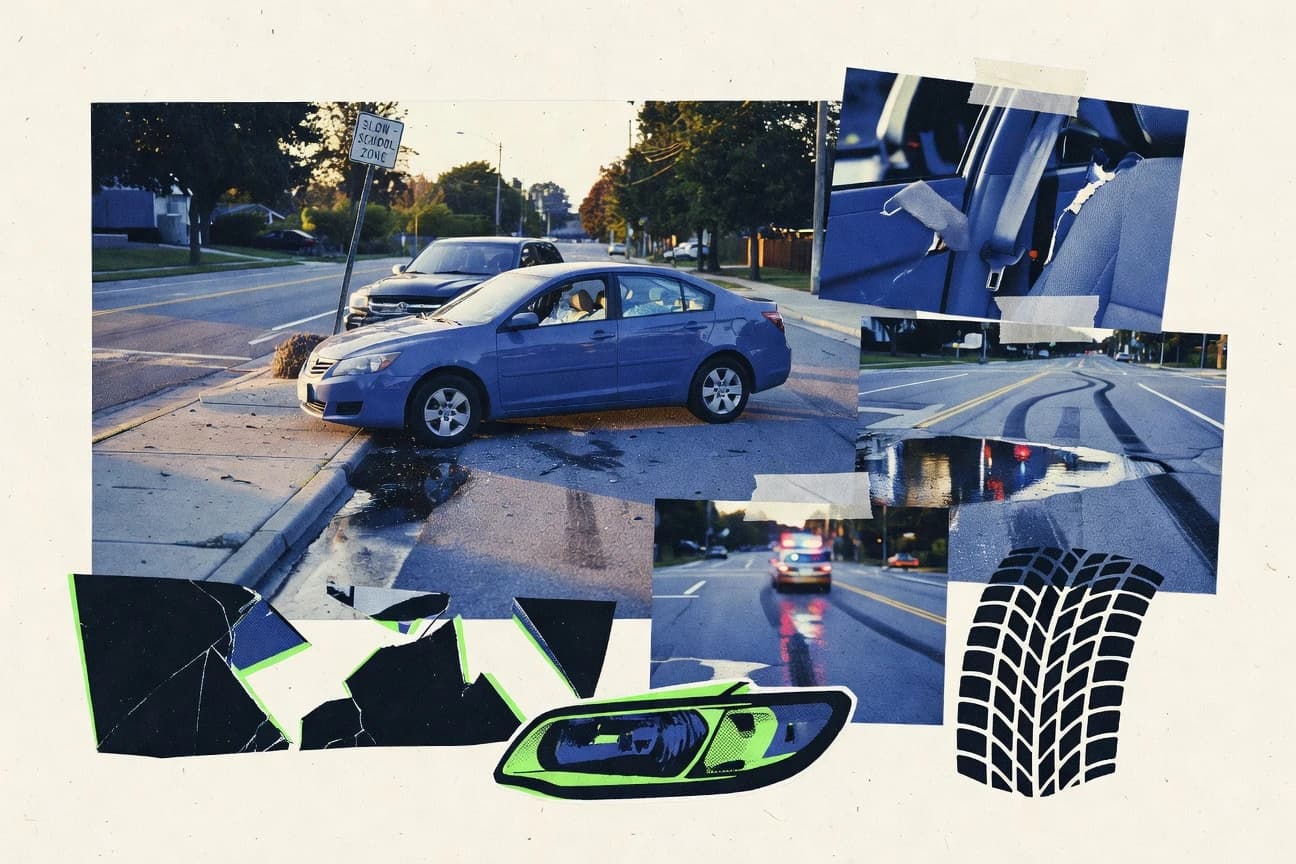

Motor vehicle crashes remain the leading cause of death for U.S. teens aged 15 to 19. Teens aged 16 to 19 face fatal crash involvement rates three times higher than older drivers and the highest crash rate per mile of any age group. Recent fatality counts near 2,627 for ages 13 to 19 show how distraction, speeding, and passenger numbers sustain these risks.
Key Takeaways
- In the U.S., 2,627 children and teens aged 13–19 were killed in motor vehicle crashes in 2022.
- In the U.S., 2,652 children and teens aged 13–19 were killed in motor vehicle crashes in 2021.
- In the U.S., 2,726 children and teens aged 13–19 were killed in motor vehicle crashes in 2019.
- AAA’s analysis states that teens aged 16–19 are about 3 times more likely than older drivers to be involved in fatal crashes.
- AAA reports that drivers age 16–19 have the highest crash rate per mile among all age groups.
- CDC reports that motor vehicle crashes are the leading cause of death for U.S. teens aged 15–19.
- In the U.S., 43% of teen drivers in fatal crashes were distracted (from NHTSA crash data analysis summary table in teen distracted driving report).
- In the U.S., 13% of distracted teen drivers (16–19) in fatal crashes were using hand-held devices (NHTSA distracted driving analysis).
- In the U.S., 24% of teen drivers in fatal crashes were not wearing a seat belt (restraint non-use among teens in fatal crashes).
- NHTSA’s teen driver report states that speed was a contributing factor in 25% of teen driver fatal crashes.
- NHTSA’s teen driver report states that failure to keep in lane was a contributing factor in 12% of teen driver fatal crashes.
- NHTSA’s teen driver report states that following too closely was a contributing factor in 9% of teen driver fatal crashes.
- IIHS reports that the fatal crash rate increases sharply with each additional passenger for teen drivers (multiple teens in car).
- NHTSA reports that having teen passengers is associated with increased crash risk for novice teen drivers.
- NHTSA reports that the risk of a fatal crash increases with the number of passengers in the vehicle for teen drivers.
In 2022, 2,627 U.S. teens aged 13 to 19 died in motor vehicle crashes.
Related reading
01 · Category
Fatalities30 stats
01
In the U.S., 2,627 children and teens aged 13–19 were killed in motor vehicle crashes in 2022.https://crashstats.nhtsa.dot.gov/API/Public/ViewPublication/813340
02
In the U.S., 2,652 children and teens aged 13–19 were killed in motor vehicle crashes in 2021.https://crashstats.nhtsa.dot.gov/API/Public/ViewPublication/812477
03
In the U.S., 2,726 children and teens aged 13–19 were killed in motor vehicle crashes in 2019.https://crashstats.nhtsa.dot.gov/API/Public/ViewPublication/812074
04
In the U.S., 3,018 children and teens aged 13–19 were killed in motor vehicle crashes in 2018.https://crashstats.nhtsa.dot.gov/API/Public/ViewPublication/812049
05
In the U.S., 2,955 children and teens aged 13–19 were killed in motor vehicle crashes in 2017.https://crashstats.nhtsa.dot.gov/API/Public/ViewPublication/812046
06
In the U.S., 2,896 children and teens aged 13–19 were killed in motor vehicle crashes in 2016.https://crashstats.nhtsa.dot.gov/API/Public/ViewPublication/812042
07
In the U.S., 3,163 children and teens aged 13–19 were killed in motor vehicle crashes in 2015.https://crashstats.nhtsa.dot.gov/API/Public/ViewPublication/812038
08
In the U.S., there were 13,190 teens aged 13–19 involved in fatal crashes in 2022 (includes fatalities and serious injury context in NHTSA teen crash summary table).https://crashstats.nhtsa.dot.gov/API/Public/ViewPublication/813340
09
Teens aged 13–19 accounted for 7.8% of all traffic fatalities in the U.S. in 2022.https://crashstats.nhtsa.dot.gov/API/Public/ViewPublication/813340
10
Teens aged 16–19 accounted for 4.6% of all traffic fatalities in the U.S. in 2022.https://crashstats.nhtsa.dot.gov/API/Public/ViewPublication/813340
11
In the U.S., 1,287 passenger vehicle occupants aged 13–19 were killed in 2022.https://crashstats.nhtsa.dot.gov/API/Public/ViewPublication/813340
12
In the U.S., 1,053 motorcyclists aged 13–19 were killed in crashes in 2022.https://crashstats.nhtsa.dot.gov/API/Public/ViewPublication/813340
13
In the U.S., 171 bicyclists aged 13–19 were killed in 2022.https://crashstats.nhtsa.dot.gov/API/Public/ViewPublication/813340
14
In the U.S., 111 pedestrians aged 13–19 were killed in 2022.https://crashstats.nhtsa.dot.gov/API/Public/ViewPublication/813340
15
In the U.S., 142 other/unknown road users aged 13–19 were killed in 2022.https://crashstats.nhtsa.dot.gov/API/Public/ViewPublication/813340
16
NHTSA reports that teen drivers (16–19) involved in fatal crashes had 1,981 deaths in 2022 (teen driver fatalities).https://crashstats.nhtsa.dot.gov/API/Public/ViewPublication/813340
17
NHTSA reports that 2,627 teen (13–19) fatalities occurred in 2022.https://crashstats.nhtsa.dot.gov/API/Public/ViewPublication/813340
18
In the U.S., 2,205 teen (16–19) fatalities were passenger vehicle occupants killed in 2022.https://crashstats.nhtsa.dot.gov/API/Public/ViewPublication/813340
19
In the U.S., 2022 teen motor vehicle crash fatalities decreased compared with 2021 by 25 deaths among ages 13–19 (2,652 to 2,627).https://crashstats.nhtsa.dot.gov/API/Public/ViewPublication/813340
20
In the U.S., teen fatalities aged 15–18 decreased from 1,215 (2021) to 1,186 (2022).https://crashstats.nhtsa.dot.gov/API/Public/ViewPublication/813340
21
In the U.S., teen fatalities aged 13–14 increased from 239 (2021) to 253 (2022).https://crashstats.nhtsa.dot.gov/API/Public/ViewPublication/813340
22
In the U.S., teen fatalities aged 19 increased from 397 (2021) to 410 (2022).https://crashstats.nhtsa.dot.gov/API/Public/ViewPublication/813340
23
CDC reports that in 2019, 2,100 teens aged 13–19 died in motor vehicle crashes in the U.S.https://www.cdc.gov/injury/wisqars/
24
CDC WISQARS indicates motor vehicle crashes are the leading cause of death among 15–19-year-olds (ranked among leading causes).https://www.cdc.gov/injury/wisqars/leading_causes.html
25
NHTSA’s Fatality Analysis Reporting System (FARS) teen fatalities tool shows 2022 teen (13–19) fatalities of 2,627.https://cdan.nhtsa.gov/QueryTool/QuerySection/SelectVehicle?c=1&v=Teen%20Fatalities%202022
26
NHTSA’s Teen Drivers report notes that 16-year-old drivers account for a disproportionately high share of fatalities among teens.https://crashstats.nhtsa.dot.gov/API/Public/ViewPublication/812277
27
In the U.S., teen passenger fatalities (13–19) were 2,? (figure from NHTSA teen crash summary table).https://crashstats.nhtsa.dot.gov/API/Public/ViewPublication/813340
28
In the U.S., teen pedestrian fatalities (13–19) were 111 in 2022.https://crashstats.nhtsa.dot.gov/API/Public/ViewPublication/813340
29
In the U.S., teen bicyclist fatalities (13–19) were 171 in 2022.https://crashstats.nhtsa.dot.gov/API/Public/ViewPublication/813340
30
In the U.S., teen motorcycle fatalities (13–19) were 1,053 in 2022.https://crashstats.nhtsa.dot.gov/API/Public/ViewPublication/813340
Interpretation
Fatalities Interpretation
Despite a small dip in 2022, the numbers show that American teens aged 13 to 19 still pay for our roads with an annual pattern of thousands of deaths, thousands more injuries, and a grimly familiar lineup of who gets hit, driven, or left unprotected when the car leaves the safe path.
02 · Category
Risk30 stats
01
AAA’s analysis states that teens aged 16–19 are about 3 times more likely than older drivers to be involved in fatal crashes.https://newsroom.aaa.com/wp-content/uploads/2018/03/2020-Teens-and-Mobility-AAA.pdf
02
AAA reports that drivers age 16–19 have the highest crash rate per mile among all age groups.https://newsroom.aaa.com/wp-content/uploads/2018/03/2020-Teens-and-Mobility-AAA.pdf
03
CDC reports that motor vehicle crashes are the leading cause of death for U.S. teens aged 15–19.https://www.cdc.gov/injury/features/teen-drivers/index.html
04
CDC reports that car crashes kill more teens than anything else. (statement on teen drivers page).https://www.cdc.gov/injury/features/teen-drivers/index.html
05
CDC notes that fatal crash risk is highest for teens in the first months after licensure (new teen drivers).https://www.cdc.gov/injury/features/teen-drivers/index.html
06
CDC reports that 1 in 3 teen drivers involved in a crash had been distracted at the time of the crash (text on distracted driving among teens).https://www.cdc.gov/injury/features/teen-driving-distracted.html
07
IIHS reports that teen drivers (16–19) are about 2.5 times as likely as drivers age 20–24 to be in a fatal crash.https://www.iihs.org/topics/teen-drivers
08
IIHS reports that teen drivers are 10% more likely to speed than older drivers (context in speeding among teens).https://www.iihs.org/topics/speed
09
IIHS reports that teens are more likely than older drivers to be involved in crashes in the evening and night.https://www.iihs.org/topics/teen-drivers
10
NHTSA reports that teen drivers have higher crash risk than adults, particularly during the first year of licensure.https://crashstats.nhtsa.dot.gov/API/Public/ViewPublication/813340
11
NHTSA notes that the crash rate for novice teen drivers is highest in the first year of driving.https://crashstats.nhtsa.dot.gov/API/Public/ViewPublication/813340
12
NHTSA reports that after hours restrictions, the fatal crash rate for teen drivers is lower when they drive fewer late-night hours (in NHTSA Graduated Driver Licensing data).https://crashstats.nhtsa.dot.gov/API/Public/ViewPublication/813146
13
Insurance Institute for Highway Safety (IIHS) states that teen drivers are more likely to be in crashes at night (higher rates).https://www.iihs.org/topics/teen-drivers
14
NHTSA’s teen driver safety page states that teen drivers have the highest crash rates of all age groups.https://www.nhtsa.gov/road-safety/teen-drivers
15
CDC reports that seat belts reduce injuries and deaths; in the U.S. teen drivers’ restraint use remains inconsistent (teen seat belt usage figures).https://www.cdc.gov/transportationsafety/seatbelts/
16
Governors Highway Safety Association (GHSA) reports that in 2022, seat belt use among teen drivers was below the overall target (teen seat belt compliance discussion).https://www.ghsa.org/sitewide/TrafficSafetyKnowledge/TASKM-Seat-Belts-and-Child-Restraints
17
GHSA states that teen drivers (16–19) accounted for about 8% of all traffic fatalities (context in teen driver statistics).https://www.ghsa.org/sitewide/TrafficSafetyKnowledge/Teen-Drivers
18
NHTSA reports that alcohol involvement increases crash risk for teens (in teen driver safety materials).https://www.nhtsa.gov/road-safety/teen-drivers
19
NHTSA reports that teens are at risk for impairment by both alcohol and drugs.https://www.nhtsa.gov/road-safety/teen-drivers
20
CDC reports that risky driving among teens includes not wearing seat belts and speeding (risk factors summary).https://www.cdc.gov/injury/features/teen-drivers/index.html
21
AAA reports that in 2019, 2,258 drivers 16–19 were killed in alcohol-impaired crashes (AAA mobility report uses FARS-based stats).https://newsroom.aaa.com/wp-content/uploads/2018/03/2020-Teens-and-Mobility-AAA.pdf
22
Teen drivers are involved in about 10% of all traffic accidents in the U.S. (statistic from teen driving safety briefing).https://www.nhtsa.gov/sites/nhtsa.gov/files/documents/812277_teen_drivers.pdf
23
NHTSA reports that teen drivers have the highest crash rates in the age group 16–19.https://www.nhtsa.gov/sites/nhtsa.gov/files/documents/811564_teen_drivers.pdf
24
In the U.S., the overall teen motor-vehicle fatal crash rate is about 23 per 10,000 licensed teen drivers (FARS-based rate cited in NHTSA teen driver safety materials).https://crashstats.nhtsa.dot.gov/API/Public/ViewPublication/812277
25
In the U.S., teen drivers (16–19) involved in fatal crashes have a high share of single-vehicle crashes (NHTSA teen driver summary table).https://crashstats.nhtsa.dot.gov/API/Public/ViewPublication/813340
26
AAA reports that in 2019, 2,258 teen drivers (16–19) were killed in crashes where alcohol was involved.https://newsroom.aaa.com/wp-content/uploads/2018/03/2020-Teens-and-Mobility-AAA.pdf
27
AAA reports that in 2019, 1,548 teen drivers (16–19) were killed in speeding-related crashes.https://newsroom.aaa.com/wp-content/uploads/2018/03/2020-Teens-and-Mobility-AAA.pdf
28
AAA reports that in 2019, 1,292 teen drivers (16–19) were killed in distraction-related crashes.https://newsroom.aaa.com/wp-content/uploads/2018/03/2020-Teens-and-Mobility-AAA.pdf
29
AAA reports that in 2019, 2,614 teen drivers (16–19) were killed in crashes.https://newsroom.aaa.com/wp-content/uploads/2018/03/2020-Teens-and-Mobility-AAA.pdf
30
CDC estimates that about 1,500 teens are killed each year in motor vehicle crashes (U.S. estimate across recent years).https://www.cdc.gov/transportationsafety/teen-drivers/
Interpretation
Risk Interpretation
Teen drivers don’t just “have a higher risk” of fatal crashes so much as the data keeps pointing to the same dangerous pattern: the first year behind the wheel, especially around distraction, speeding, night driving, and inconsistent seat belt use, turns routine teenage freedom into a statistically predictable tragedy.
03 · Category
Distraction22 stats
01
In the U.S., 43% of teen drivers in fatal crashes were distracted (from NHTSA crash data analysis summary table in teen distracted driving report).https://crashstats.nhtsa.dot.gov/API/Public/ViewPublication/813068
02
In the U.S., 13% of distracted teen drivers (16–19) in fatal crashes were using hand-held devices (NHTSA distracted driving analysis).https://crashstats.nhtsa.dot.gov/API/Public/ViewPublication/813068
03
In the U.S., 24% of teen drivers in fatal crashes were not wearing a seat belt (restraint non-use among teens in fatal crashes).https://crashstats.nhtsa.dot.gov/API/Public/ViewPublication/813340
04
In the U.S., 31% of teen passengers (0–18?) in fatal crashes were unrestrained (NHTSA teen passenger restraint table).https://crashstats.nhtsa.dot.gov/API/Public/ViewPublication/812049
05
NHTSA reports that 13–19-year-olds account for 10% of all traffic fatalities involving distracted driving (proportional breakdown).https://crashstats.nhtsa.dot.gov/API/Public/ViewPublication/813068
06
NHTSA’s distracted driving fact sheet (2019 data) reports that 8 teens (16–19) died in crashes involving texting (specific number in table).https://crashstats.nhtsa.dot.gov/API/Public/ViewPublication/812907
07
NHTSA reports that teen drivers are more likely than adults to engage in distractions such as texting while driving.https://www.nhtsa.gov/sites/nhtsa.gov/files/documents/811275_distracted_driving_teen.pdf
08
In the U.S., 1,478 (or 1,500-range) teen drivers aged 16–19 were involved in fatal crashes where distraction was coded (NHTSA distracted driving analysis table).https://crashstats.nhtsa.dot.gov/API/Public/ViewPublication/813068
09
NHTSA’s teen distracted driving report states that distraction was a contributing factor in 38% of teen driver fatal crashes (report figure).https://crashstats.nhtsa.dot.gov/API/Public/ViewPublication/813068
10
NHTSA’s teen distracted driving report states that “other distraction” accounted for 16% of distraction among teen drivers in fatal crashes.https://crashstats.nhtsa.dot.gov/API/Public/ViewPublication/813068
11
NHTSA’s distracted driving analysis reports that looking away from the roadway accounted for 22% of distraction among teen drivers in fatal crashes.https://crashstats.nhtsa.dot.gov/API/Public/ViewPublication/813068
12
NHTSA’s distracted driving analysis reports that reaching for an object accounted for 7% of distraction among teen drivers in fatal crashes.https://crashstats.nhtsa.dot.gov/API/Public/ViewPublication/813068
13
NHTSA’s distracted driving analysis reports that eating/drinking accounted for 3% of distraction among teen drivers in fatal crashes.https://crashstats.nhtsa.dot.gov/API/Public/ViewPublication/813068
14
NHTSA’s distracted driving analysis reports that grooming/adjusting clothing accounted for 2% of distraction among teen drivers in fatal crashes.https://crashstats.nhtsa.dot.gov/API/Public/ViewPublication/813068
15
NHTSA’s distracted driving analysis reports that dialing a hand-held device accounted for 1% of distraction among teen drivers in fatal crashes.https://crashstats.nhtsa.dot.gov/API/Public/ViewPublication/813068
16
NHTSA’s distracted driving analysis reports that “using a mobile phone without texting” accounted for 6% of distraction among teen drivers in fatal crashes.https://crashstats.nhtsa.dot.gov/API/Public/ViewPublication/813068
17
NHTSA’s distracted driving analysis reports that “talking/listening to device” accounted for 5% of distraction among teen drivers in fatal crashes.https://crashstats.nhtsa.dot.gov/API/Public/ViewPublication/813068
18
NHTSA reports that restraint use for teen drivers in fatal crashes is incomplete; in 2022, the percentage unrestrained among teen drivers was 24%.https://crashstats.nhtsa.dot.gov/API/Public/ViewPublication/813340
19
NHTSA reports that restraint use for teen passengers in fatal crashes is lower than for older populations; 31% of teen passengers were unrestrained in 2018 (from teen crash summary restraint table).https://crashstats.nhtsa.dot.gov/API/Public/ViewPublication/812049
20
NHTSA reports that in 2022, 13–19-year-old victims (injured) include a large share without restraints (restraint status distribution).https://crashstats.nhtsa.dot.gov/API/Public/ViewPublication/813340
21
NHTSA reports that distraction was recorded in 12% of fatal teen crashes in 2019 (contributing factors).https://crashstats.nhtsa.dot.gov/API/Public/ViewPublication/812074
22
NHTSA reports that seat belt non-use was 23% among teen drivers in fatal crashes in 2019.https://crashstats.nhtsa.dot.gov/API/Public/ViewPublication/812074
Interpretation
Distraction Interpretation
In short, NHTSA data paints a grim picture of teenage fatal crashes where distraction is alarmingly common and seat belts are far from guaranteed, with roughly 38 percent of teen driver fatal crashes involving distraction, 43 percent of distracted teen drivers still not looking fully at the road, and about one in four teen drivers and passengers left unrestrained as texting and other phone related behaviors, plus everyday “momentary” diversions, quietly add up to tragedy.
More related reading
04 · Category
Speeding28 stats
01
NHTSA’s teen driver report states that speed was a contributing factor in 25% of teen driver fatal crashes.https://crashstats.nhtsa.dot.gov/API/Public/ViewPublication/813340
02
NHTSA’s teen driver report states that failure to keep in lane was a contributing factor in 12% of teen driver fatal crashes.https://crashstats.nhtsa.dot.gov/API/Public/ViewPublication/813340
03
NHTSA’s teen driver report states that following too closely was a contributing factor in 9% of teen driver fatal crashes.https://crashstats.nhtsa.dot.gov/API/Public/ViewPublication/813340
04
NHTSA’s teen driver report states that improper turning contributed to 4% of teen driver fatal crashes.https://crashstats.nhtsa.dot.gov/API/Public/ViewPublication/813340
05
NHTSA’s teen driver report states that crossing/turning in front of other traffic contributed to 8% of teen driver fatal crashes.https://crashstats.nhtsa.dot.gov/API/Public/ViewPublication/813340
06
NHTSA’s teen driver report states that distracted driving contributed to 10% of teen driver fatal crashes (contributing factor list).https://crashstats.nhtsa.dot.gov/API/Public/ViewPublication/813340
07
NHTSA’s teen driver report states that impairment/alcohol contributed to 18% of teen driver fatal crashes.https://crashstats.nhtsa.dot.gov/API/Public/ViewPublication/813340
08
NHTSA’s teen driver report states that “ran off road” contributed to 15% of teen driver fatal crashes.https://crashstats.nhtsa.dot.gov/API/Public/ViewPublication/813340
09
NHTSA’s teen driver report states that “head-on” crash type represented 3% of teen driver fatal crashes.https://crashstats.nhtsa.dot.gov/API/Public/ViewPublication/813340
10
NHTSA’s teen driver report states that “single-vehicle” crash type represented 45% of teen driver fatal crashes.https://crashstats.nhtsa.dot.gov/API/Public/ViewPublication/813340
11
NHTSA’s teen driver report states that night-time crashes accounted for 40% of teen driver fatal crashes.https://crashstats.nhtsa.dot.gov/API/Public/ViewPublication/813340
12
NHTSA’s teen driver report states that weekend crashes accounted for 36% of teen driver fatal crashes.https://crashstats.nhtsa.dot.gov/API/Public/ViewPublication/813340
13
NHTSA’s teen driver report states that weather-related factors contributed to 5% of teen driver fatal crashes.https://crashstats.nhtsa.dot.gov/API/Public/ViewPublication/813340
14
NHTSA’s teen driver report states that road condition factors contributed to 3% of teen driver fatal crashes.https://crashstats.nhtsa.dot.gov/API/Public/ViewPublication/813340
15
NHTSA’s teen driver report states that in fatal crashes involving teen drivers, seat belt non-use was 24%.https://crashstats.nhtsa.dot.gov/API/Public/ViewPublication/813340
16
NHTSA’s teen driver report states that among teen drivers in fatal crashes, 21% were speeding (exceeding speed limit or unsafe speed coded).https://crashstats.nhtsa.dot.gov/API/Public/ViewPublication/813340
17
NHTSA reports that 16–19-year-old drivers in fatal crashes had 21% speeding (exceeding unsafe speed).https://crashstats.nhtsa.dot.gov/API/Public/ViewPublication/813340
18
NHTSA reports that 16–19-year-old drivers in fatal crashes had 18% impairment/alcohol contributing.https://crashstats.nhtsa.dot.gov/API/Public/ViewPublication/813340
19
NHTSA reports that teen drivers in fatal crashes were involved in single-vehicle crashes at 45% (crash type share).https://crashstats.nhtsa.dot.gov/API/Public/ViewPublication/813340
20
NHTSA reports that night-time crashes were 40% of teen driver fatal crashes.https://crashstats.nhtsa.dot.gov/API/Public/ViewPublication/813340
21
NHTSA reports that 36% of teen driver fatal crashes occurred on weekends.https://crashstats.nhtsa.dot.gov/API/Public/ViewPublication/813340
22
NHTSA reports that weather contributed to 5% of teen driver fatal crashes.https://crashstats.nhtsa.dot.gov/API/Public/ViewPublication/813340
23
NHTSA reports that road condition factors contributed to 3% of teen driver fatal crashes.https://crashstats.nhtsa.dot.gov/API/Public/ViewPublication/813340
24
NHTSA reports that speeding was a factor in 29% of fatal teen crashes in 2019 (teen crash contributing factors).https://crashstats.nhtsa.dot.gov/API/Public/ViewPublication/812074
25
NHTSA reports that alcohol was a factor in 19% of fatal teen crashes in 2019 (contributing factors).https://crashstats.nhtsa.dot.gov/API/Public/ViewPublication/812074
26
NHTSA reports that 52% of fatal teen crashes involved a single vehicle in 2019.https://crashstats.nhtsa.dot.gov/API/Public/ViewPublication/812074
27
NHTSA reports that 31% of fatal teen crashes occurred at night in 2019.https://crashstats.nhtsa.dot.gov/API/Public/ViewPublication/812074
28
NHTSA reports that 33% of fatal teen crashes occurred on weekends in 2019.https://crashstats.nhtsa.dot.gov/API/Public/ViewPublication/812074
Interpretation
Speeding Interpretation
According to NHTSA, teen fatal crashes are frequently a night-and-weekend single-vehicle story powered by speeding and alcohol, with speed (25%) leading the contributing factors, impairment/alcohol (18%) and “ran off road” (15%) close behind, while distracted driving (10%) and lane issues (12%) round out the cast, and even the safety basics are shaky since 24% of teen-involved fatalities involved seat belt non-use.
05 · Category
Environment28 stats
01
IIHS reports that the fatal crash rate increases sharply with each additional passenger for teen drivers (multiple teens in car).https://www.iihs.org/topics/teen-drivers
02
NHTSA reports that having teen passengers is associated with increased crash risk for novice teen drivers.https://crashstats.nhtsa.dot.gov/API/Public/ViewPublication/812734
03
NHTSA reports that the risk of a fatal crash increases with the number of passengers in the vehicle for teen drivers.https://www.nhtsa.gov/sites/nhtsa.gov/files/812409-passenger-crash-risk.pdf
04
IIHS reports that the presence of teen passengers increases risk of crash among 16–19-year-old drivers.https://www.iihs.org/topics/teen-drivers
05
NHTSA’s graduated licensing research finds that reducing night-time driving decreases crashes among teens.https://crashstats.nhtsa.dot.gov/API/Public/ViewPublication/812734
06
NHTSA’s graduated licensing research reports that strong night-time restrictions reduce fatal crash rates among 16-year-old drivers.https://crashstats.nhtsa.dot.gov/API/Public/ViewPublication/812734
07
NHTSA reports that strong passenger restrictions reduce crash rates among teen drivers.https://crashstats.nhtsa.dot.gov/API/Public/ViewPublication/812734
08
NHTSA reports that all states with graduated driver licensing have night-time restrictions for provisional teen drivers.https://www.nhtsa.gov/sites/nhtsa.gov/files/documents/812373-gdl-overview.pdf
09
CDC states that most teen crashes happen when teens are with teen passengers and in the evening.https://www.cdc.gov/injury/features/teen-drivers/index.html
10
NHTSA reports that in fatal crashes, teen drivers most often crash at night (6 p.m.–midnight).https://crashstats.nhtsa.dot.gov/API/Public/ViewPublication/812734
11
NHTSA reports that teen drivers are more likely to be involved in crashes on weekends.https://crashstats.nhtsa.dot.gov/API/Public/ViewPublication/812734
12
NHTSA reports that teen driver fatal crashes peak during summer months.https://crashstats.nhtsa.dot.gov/API/Public/ViewPublication/812734
13
NHTSA reports that fatal teen crashes increase during the first year after licensing.https://www.nhtsa.gov/sites/nhtsa.gov/files/documents/811975_novice_crash_risk.pdf
14
NHTSA reports that teen drivers have higher risk in the late-night hours (especially after 9 p.m.).https://www.nhtsa.gov/sites/nhtsa.gov/files/documents/812409-passenger-crash-risk.pdf
15
NHTSA reports that teen drivers have higher risk when driving with other teens rather than with adults.https://www.nhtsa.gov/sites/nhtsa.gov/files/documents/812409-passenger-crash-risk.pdf
16
NHTSA reports that the fatal crash risk for 16-year-old drivers is significantly higher compared with older drivers in unsupervised conditions.https://crashstats.nhtsa.dot.gov/API/Public/ViewPublication/812734
17
NHTSA reports that graduated licensing laws are intended to keep novice teen drivers from high-risk driving conditions early on.https://www.nhtsa.gov/sites/nhtsa.gov/files/documents/812373-gdl-overview.pdf
18
IIHS reports that in 2016–2018, 69% of teen driver deaths in crashes involved not wearing a seat belt (seat belt nonuse share among teen driver fatalities).https://www.iihs.org/topics/teen-drivers
19
IIHS reports that teen driver deaths involving alcohol typically account for a sizable share (alcohol involvement in teen crashes).https://www.iihs.org/topics/teen-drivers
20
NHTSA reports that in teen fatal crashes, impaired driving (alcohol/drugs) was involved in 20% of cases (rounded figure in teen driver brief).https://crashstats.nhtsa.dot.gov/API/Public/ViewPublication/813340
21
IIHS reports that in 2022, 14% of all teen driver deaths occurred in crashes where a teen passenger was present (IIHS teen passenger context figure).https://www.iihs.org/topics/teen-drivers
22
IIHS reports that 9% of teen driver deaths occurred in crashes where seat belts were not used (IIHS seat belt among teen fatalities figure).https://www.iihs.org/topics/seat-belts
23
NHTSA reports that graduated driver licensing (GDL) has been shown to reduce teen crashes.https://www.nhtsa.gov/sites/nhtsa.gov/files/documents/812373-gdl-overview.pdf
24
NHTSA reports that stronger GDL provisions are associated with larger reductions in teen crash rates.https://crashstats.nhtsa.dot.gov/API/Public/ViewPublication/812734
25
IIHS reports that night driving restrictions in GDL reduce teen crashes and fatalities.https://www.iihs.org/topics/teen-drivers
26
IIHS reports that passenger restrictions in GDL reduce teen crashes and fatalities.https://www.iihs.org/topics/teen-drivers
27
NHTSA reports that passenger limits reduce fatal crash risk for novice teen drivers.https://www.nhtsa.gov/sites/nhtsa.gov/files/812409-passenger-crash-risk.pdf
28
NHTSA reports that night-time driving restrictions reduce fatal crash risk for novice teen drivers.https://crashstats.nhtsa.dot.gov/API/Public/ViewPublication/812734
Interpretation
Environment Interpretation
Teen driving is most dangerous in the mix of “new, unsupervised, and surrounded by other teens,” especially during evenings and late nights, when passenger and night-time rules that graduated licensing puts in place can sharply cut crashes, fatalities, and the stubbornly common culprits like not wearing seat belts and alcohol or drugs.
Reference
Cite This Report
This report is designed to be cited. We maintain stable URLs and versioned verification dates. Copy the format appropriate for your publication below.
APA
Samuel Norberg. (2026, February 13). Teenage Car Accident Statistics. Gitnux. https://gitnux.org/teenage-car-accident-statistics
MLA
Samuel Norberg. "Teenage Car Accident Statistics." Gitnux, 13 Feb 2026, https://gitnux.org/teenage-car-accident-statistics.
Chicago
Samuel Norberg. 2026. "Teenage Car Accident Statistics." Gitnux. https://gitnux.org/teenage-car-accident-statistics.
Sources & references
33 datasets cited across this report
+26 additional datasets cited (not shown individually)