
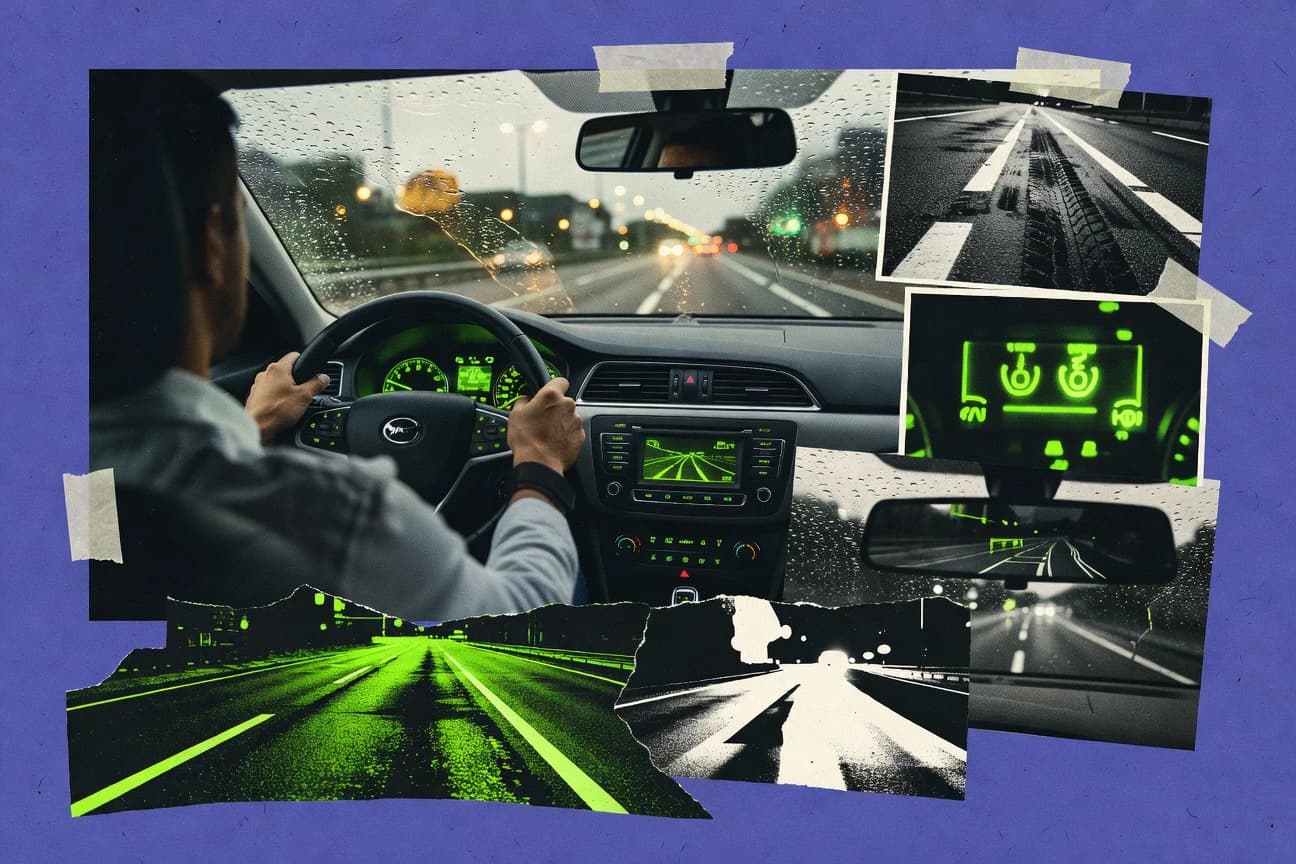

Alcohol impaired driving accounts for thirty one percent of all traffic fatalities. Seat belt nonuse among fatally injured occupants stands at thirty two percent below the national average while speeding contributes to nearly three in ten fatal crashes. Data on distraction and teen drivers show where the largest remaining gaps persist.
Key Takeaways
- In 2021, 13,384 people died in alcohol-impaired driving crashes in the US, accounting for 31% of all traffic-related fatalities
- Alcohol-impaired drivers were involved in 28% of all fatal crashes in 2020, resulting in over 11,654 deaths
- Drivers with BAC levels of 0.08 or higher were involved in 10,142 fatal crashes in 2019
- In 2021, texting while driving distraction was primary in 8% of fatal crashes overall but 25% for ages 15-20
- Distracted driving claimed 3,142 lives in 2020 US crashes
- Phone use distraction involved in 14% of all police-reported crashes 2019-2021 avg
- Seat belt use was 91.6% nationally in 2022 but only 68% among fatally injured front occupants
- Unrestrained occupants 59% more likely to die in rollover crashes 2021
- Proper seat belt use saves 15,000 lives yearly US estimate
- Speeding was a factor in 29% of all fatal crashes in 2021, killing 12,151 people
- Speed-related crashes caused 34% of male driver fatalities in 2020
- Drivers exceeding speed limit by 10+ mph in 48% fatal crashes 2021 IIHS
- Drivers under 21 had crash rates 3x higher than over 25 in 2021, with 2,339 fatalities
- Teen drivers 16-19: 8% all crashes but 12% fatalities 2021
- Inexperience factor in 57% teen fatal crashes 2020 IIHS
Alcohol impaired and speeding drive most preventable deaths, with distraction and unbelted riders making crashes far worse.
Related reading
01 · Category
Alcohol Impairment30 stats
01
In 2021, 13,384 people died in alcohol-impaired driving crashes in the US, accounting for 31% of all traffic-related fatalities
02
Alcohol-impaired drivers were involved in 28% of all fatal crashes in 2020, resulting in over 11,654 deaths
03
Drivers with BAC levels of 0.08 or higher were involved in 10,142 fatal crashes in 2019
04
From 2016-2020, alcohol-impaired driving caused an average of 10,850 deaths annually in the US
05
In 2022, 37% of children aged 0-14 killed in crashes were in alcohol-impaired driving incidents
06
Repeat DUI offenders accounted for 24% of all alcohol-related fatal crashes in 2021
07
Males comprised 80% of alcohol-impaired drivers involved in fatal crashes in 2021
08
Nighttime hours (12am-3am) saw 55% of alcohol-impaired fatal crashes in 2020
09
In 2018, alcohol-impaired driving cost the US $249 billion annually in economic losses
10
25% of drivers killed in alcohol-impaired crashes in 2021 had BACs over 0.15
11
Weekend alcohol-impaired fatal crashes increased by 20% from 2019 to 2021
12
In California 2021, 1,457 deaths from alcohol-impaired crashes
13
Texas saw 1,643 alcohol-impaired driving fatalities in 2021
14
Florida reported 962 alcohol-related traffic deaths in 2022
15
Globally, 27% of road deaths involve alcohol impairment per WHO 2018 data
16
In 2020, underage drinking drivers caused 345 deaths in the US
17
Alcohol-impaired drivers struck 5,000 pedestrians fatally in 2019-2021 average
18
42 states had BAC limits of 0.08, yet 15% of sober drivers killed by impaired in 2021
19
Holiday periods see 20% higher alcohol crash rates, 2021 NHTSA data
20
68% of alcohol-impaired drivers in fatal crashes were not wearing seatbelts in 2020
21
In 2022 Q4, alcohol fatalities rose 5.7% YoY per NHTSA estimates
22
Motorcycle riders killed by alcohol-impaired drivers: 25% of cases 2021
23
Commercial drivers in alcohol crashes: 3% but 700 deaths 2016-2020 avg
24
Women alcohol-impaired drivers up 15% in fatalities 2010-2020
25
1 in 3 US adults admit driving after drinking in past year, 2021 survey
26
Alcohol crashes peak at age 25-34: 35% of impaired fatalities 2021
27
Rural roads: 40% of alcohol fatal crashes vs 25% urban 2021
28
Ignition interlocks reduced recidivism by 67% in 20 states 2020
29
2021 saw 82% of alcohol drivers in fatal crashes unrestrained
30
Per 100k pop, Wyoming highest alcohol fatalities at 7.2 in 2021
Interpretation
Alcohol Impairment Interpretation
One in three drivers might casually admit to driving after drinking, yet year after year, this choice sobers us with a relentless, national funeral costing a quarter-trillion dollars, where the most frequent mourners are men without seatbelts, children in the backseat, and entire communities shattered by a preventable midnight mistake.
02 · Category
Distracted Driving27 stats
01
In 2021, texting while driving distraction was primary in 8% of fatal crashes overall but 25% for ages 15-20
02
Distracted driving claimed 3,142 lives in 2020 US crashes
03
Phone use distraction involved in 14% of all police-reported crashes 2019-2021 avg
04
Young drivers 21-24 had highest distraction-related fatal crash rate at 9% in 2021
05
Hands-free laws reduced fatal distraction crashes by 4% in 11 states 2020
06
Eating/drinking distraction in 10% of severe crashes per NHTSA 2022 overview
07
66% of drivers use phone daily while driving, AAA 2021 survey
08
Distraction contributed to 424,000 injuries in 2021 US crashes
09
Males 25-34: 12% fatal crashes distraction-related 2021
10
Rear-end crashes from distraction: 29% of all such incidents 2020
11
Teens texting: 21% admit nearly crashing due to phone 2021 survey
12
Commercial trucks: distraction in 11% fatal crashes 2016-2020 avg
13
California distraction crashes: 52,000 injuries 2021
14
Florida: 8% fatal crashes distraction-involved 2022
15
Globally, distraction factor in 10-30% road deaths per WHO 2023
16
Night distraction crashes up 15% due to nav apps 2021 data
17
40% drivers glanced away >2 sec at speed 70mph in distraction tests
18
Passenger distraction: 12% severe crashes 2019 IIHS study
19
Post-COVID, phone distraction fatalities +10% 2021-2022
20
Inside vehicle distractions: 18% fatal crashes 2021 NHTSA
21
Outside object distraction: 6% fatal teen crashes 2021
22
IVT systems increased glance time by 12% in distraction studies 2022
23
Bans reduced texting crashes 15% in some states 2020
24
3,500 lbs force equivalent from 2-sec distraction at 55mph
25
NY state: 1,200 distraction deaths 2017-2021 avg
26
Texas distraction injuries: 15,000 annually 2021
27
55% drivers read texts within distraction window 2021 survey
Interpretation
Distracted Driving Interpretation
It seems our collective inability to put down the damn phone is creating a generational epidemic of preventable carnage, where a two-second glance at a text can unleash the destructive force of a sedan at highway speeds.
03 · Category
Seatbelt Nonuse30 stats
01
Seat belt use was 91.6% nationally in 2022 but only 68% among fatally injured front occupants
02
Unrestrained occupants 59% more likely to die in rollover crashes 2021
03
Proper seat belt use saves 15,000 lives yearly US estimate
04
Pickup trucks lowest belt use at 85.6% 2022 NHTSA survey
05
Night belt use drops to 82% vs 93% daytime 2021
06
Teens nonuse rate 8% higher than adults 2021
07
Rural areas belt use 89% vs 94% urban 2022
08
Males nonuse 92% vs females 91% observed 2022
09
Children in rear seats belted 91% but boosters save 77% injuries
10
50% fatally injured passenger vehicle occupants unrestrained 2021
11
Primary enforcement laws boost use by 9% in 34 states
12
California belt use 96.7% highest 2022
13
South Dakota lowest at 83.3% belt use 2022
14
Florida unrestrained deaths 45% of occupants 2022
15
Texas seat belts saved 1,200 lives in 2021
16
Globally, belts save 50% front deaths, WHO 2023
17
SUVs belt use 92% but rollover deaths 30% unrestrained
18
Alcohol drivers nonuse 70% in fatalities 2021
19
Click-it-or-Ticket campaigns raise use 4-11% short-term
20
Rear seat belts only 80% use in adults 2021 survey
21
Shoulder belt alone 55% ejection risk reduction
22
13,000 lives savable yearly with 100% use NHTSA 2022
23
Motorcyclists helmet equiv to belts saves 37% deaths
24
Pregnant women belted reduce fetal death 69%
25
Commercial vehicles belt use 98% but drivers 60% in crashes
26
2022 fatality analysis: nonuse triples death risk
27
Wyoming nonuse highest rural at 20% fatally injured
28
NY belt laws saved 3,000 lives since 1984
29
Distraction + nonuse overlap 15% injuries 2021
30
Drivers aged 16-24 nonuse 12% in crashes 2021
Interpretation
Seatbelt Nonuse Interpretation
The stubborn, seat-belt-snubbing minority—often young, rural, male, and driving at night—ignores a device that is a statistical superhero, routinely saving more lives annually than the population of a small town.
More related reading
04 · Category
Speeding26 stats
01
Speeding was a factor in 29% of all fatal crashes in 2021, killing 12,151 people
02
Speed-related crashes caused 34% of male driver fatalities in 2020
03
Drivers exceeding speed limit by 10+ mph in 48% fatal crashes 2021 IIHS
04
Rural roads saw 55% of speeding fatalities in 2021
05
Teen drivers speeding in 33% fatal crashes 2020 CDC data
06
Speeding economic cost: $46 billion annually US 2020
07
Aggressive driving (speed+other) in 56% fatal crashes 2021
08
Interstate highways: 40% fatalities speed-related 2021
09
Motorcyclists speeding fatalities up 25% 2018-2021
10
California speeding deaths: 1,775 in 2021
11
Florida 1,200+ speeding fatalities 2022
12
Texas speeding crashes: 50,000 injuries yearly 2021
13
Globally, speeding causes 29% road deaths per WHO 2018
14
85 mph zones reduced crashes 10% but speeding still 30% fatal 2021
15
Night speeding crashes 50% higher risk 2021 NHTSA
16
Red-light running with speeding: 700 deaths yearly avg
17
Trucks speeding in 20% fatal crashes 2016-2020
18
Post-pandemic speeding fatalities +30% 2020-2022
19
Ages 16-17 speeding fatal rate 3x adults 2021
20
Tailgating + speeding combo 25% rear-end fatalities
21
Automated speed enforcement cut speeding crashes 20% in cities
22
1 mph speed increase = 4% fatality risk rise per crash study
23
Wyoming speeding fatalities per 100k highest at 8.5 2021
24
NY speeding tickets led to 15% drop in fatal speeds 2020
25
Alcohol + speeding overlap 25% fatal crashes 2021
26
60% drivers exceed limits regularly, 2021 survey
Interpretation
Speeding Interpretation
The grim arithmetic of speeding reveals a simple, deadly equation: while the vast majority of drivers routinely press their luck for a few fleeting seconds, a tragic and predictable fraction of them permanently lose that bet, devastating families and costing society billions.
05 · Category
Teen Driving27 stats
01
Drivers under 21 had crash rates 3x higher than over 25 in 2021, with 2,339 fatalities
02
Teen drivers 16-19: 8% all crashes but 12% fatalities 2021
03
Inexperience factor in 57% teen fatal crashes 2020 IIHS
04
Night driving teens: 3x crash risk per mile 2021 CDC
05
Graduated licensing reduced teen fatalities 26% since 1990s
06
Male teens 16-19 twice as likely fatal crash as females 2021
07
Passenger teens increase driver risk 62% fatal crashes
08
Speeding teens: 30% their fatal crashes 2021 NHTSA
09
Alcohol teens: 21% fatal crashes despite drinking age laws 2021
10
Distraction teens: 39% admit texting while driving 2021 survey
11
California teen crashes: 15% all fatalities ages 15-20 2021
12
Florida teen driver deaths 300+ yearly 2022
13
Texas GDL saved 500 teen lives since inception
14
Globally teens 15-19 high risk group 20% deaths WHO
15
Single vehicle teen crashes 50% fatalities 2021
16
Parent-teen contracts reduce risky driving 50% studies
17
16-year-olds crash rate 4x 30+ drivers per mile 2021
18
Weekday school rush: peak teen crash time 3-7pm 2021
19
SUVs for teens 20% safer but speeding still issue
20
Provisional license violations 40% teens first year
21
Peer pressure crashes teens 92% higher risk multiple passengers
22
Cell phone bans for novices cut crashes 23% some states
23
2022 teen fatalities down 5% due to remote learning end
24
African American teens 2x crash death rate white peers 2021
25
NY teen GDL strictest, 40% fatality drop since 1997
26
Helmet nonuse teens motorcycles 30% fatal crashes
27
Seat belt nonuse teens 10% higher fatal risk 2021
Interpretation
Teen Driving Interpretation
While our youngest drivers make up a small fraction of all crashes, their devastating overrepresentation in fatal statistics paints a stark portrait of how inexperience, poor judgment, and preventable risks like speed, distraction, and passengers converge with tragic force.
Reference
Cite This Report
This report is designed to be cited. We maintain stable URLs and versioned verification dates. Copy the format appropriate for your publication below.
APA
James Okoro. (2026, February 13). Driving Safety Statistics. Gitnux. https://gitnux.org/driving-safety-statistics
MLA
James Okoro. "Driving Safety Statistics." Gitnux, 13 Feb 2026, https://gitnux.org/driving-safety-statistics.
Chicago
James Okoro. 2026. "Driving Safety Statistics." Gitnux. https://gitnux.org/driving-safety-statistics.
Sources & references
16 datasets cited across this report · attribution is report-level