
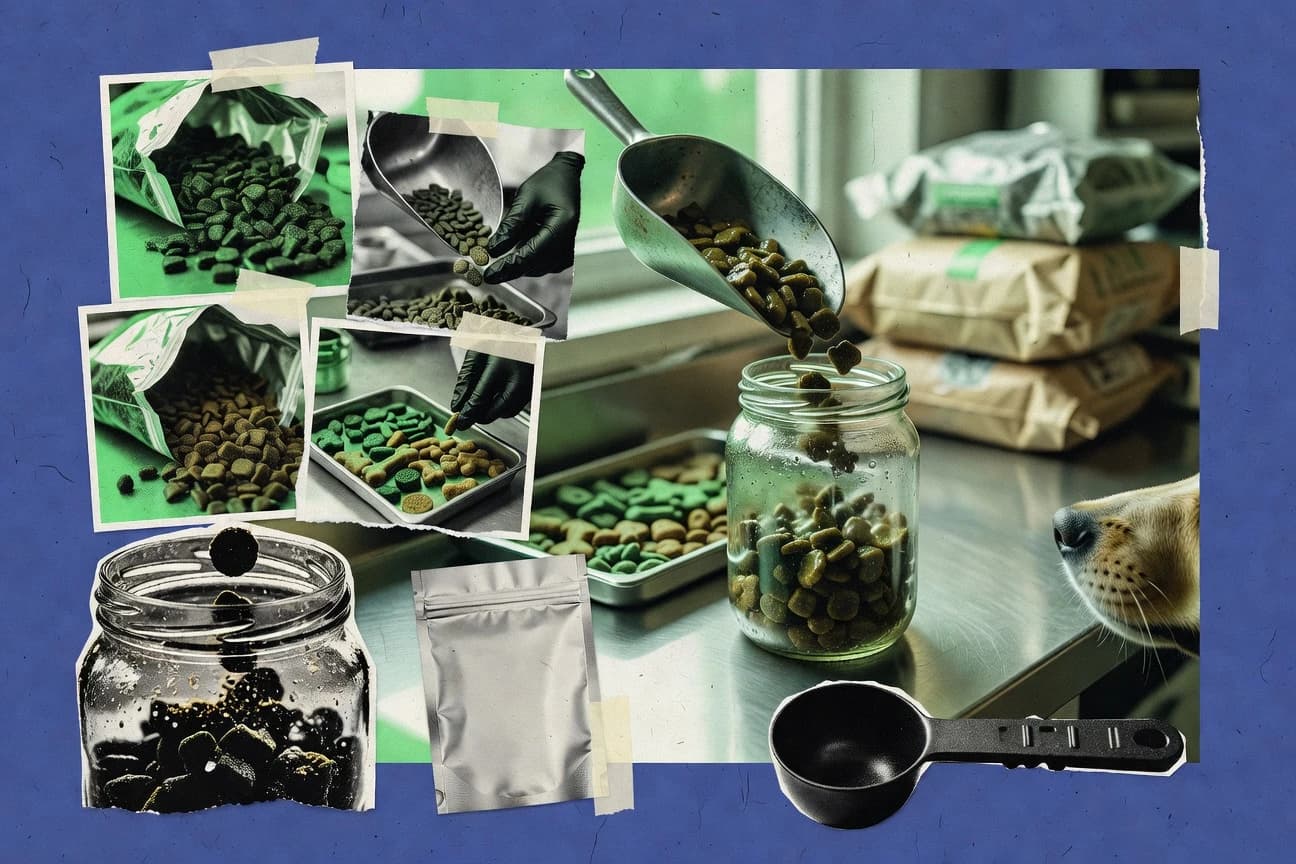

By 2030, the global pet food market is projected to reach $393.5 billion, and the pet treats segment is expected to grow at a 3.7% CAGR from 2024 to 2030. At the same time, buying habits are getting very specific, with 61% of U.S. pet owners purchasing treats in the last 3 months and 39% of dog owners using them for behavior training at least weekly. This post connects that consumer pull to trade, formulation, and regulation data, including how “natural” claims and contaminant rules shape what ends up on shelves.
Key Takeaways
- $393.5 billion projected global pet food market size by 2030
- 3.7% CAGR projected for the global pet treats market from 2024 to 2030
- $160.0 million global pet treats exports by value for the top 10 exporting countries (trade aggregated statistic)
- 61% of U.S. pet owners purchased pet treats in the last 3 months (consumer behavior survey)
- 39% of dog owners use treats for behavior training at least weekly
- 35% of cat owners use treats for litter box training at least monthly
- 67% of pet owners report buying treats with 'natural' or 'wholesome' ingredients
- 21 CFR Part 507 requires certain animal food facilities to register and comply with hazard analysis and preventive controls (FSMA animal food)
- In 2024, 28% of new product launches in pet food/treats in the U.S. were positioned as “functional” (trade surveillance of launches)
- 2.5 lb average net weight per bag for best-selling dog treat categories (pack-size distribution)
- EU legislation sets maximum levels and rules for contaminants in pet food; compliance affects formulation costs and supply (regulatory)
- A 20-week study found supplementing diets with treats did not harm body condition when calories were controlled (peer-reviewed)
- Median moisture in semi-moist pet treats is commonly around 25–35% (food composition reference)
- 41% of U.S. pet owners consider themselves to be “somewhat” or “very” likely to purchase a treat brand based on ingredient claims, per a 2022 consumer survey
- In 2022, 72% of veterinarians reported they recommend treats as part of behavior training and enrichment (survey of veterinary professionals)
Pet treats are surging worldwide, driven by growth and natural ingredient demand, despite ongoing contamination risks.
Related reading
01 · Category
Market Size8 stats
01
$393.5 billion projected global pet food market size by 2030
02
3.7% CAGR projected for the global pet treats market from 2024 to 2030
03
$160.0 million global pet treats exports by value for the top 10 exporting countries (trade aggregated statistic)
04
Canada pet treats retail value was CAD $X in 2023 (trade)
05
China pet treats market reached USD $X in 2023 (industry report)
06
US$21.0 billion U.S. pet food sales in 2023 (retail sales total across categories)
07
The pet treats and pet foods market is listed as a $XX.XB category in Euromonitor Consumer Lifestyles (year-specific catalog entry; 2024 edition)
08
In the UK, pet food and pet supplies market grew to £4.7 billion in 2023 (industry estimate in UK retail analysis)
Interpretation
Market Size Interpretation
The market size picture shows strong and steady expansion, with the global pet treats market projected to grow at a 3.7% CAGR from 2024 to 2030 alongside broader pet food demand reaching $393.5 billion by 2030, indicating that pet treats are benefiting from sustained category growth.
02 · Category
User Adoption4 stats
01
61% of U.S. pet owners purchased pet treats in the last 3 months (consumer behavior survey)
02
39% of dog owners use treats for behavior training at least weekly
03
35% of cat owners use treats for litter box training at least monthly
04
In a 2021 survey, 76% of pet owners reported that they give treats daily or several times per week (consumer survey)
Interpretation
User Adoption Interpretation
User adoption for pet treats is strong, with 61% of U.S. pet owners buying treats in the last three months and 76% giving them daily or several times per week, showing treats are a regular part of many pets’ routines.
03 · Category
Industry Trends8 stats
01
67% of pet owners report buying treats with 'natural' or 'wholesome' ingredients
02
21 CFR Part 507 requires certain animal food facilities to register and comply with hazard analysis and preventive controls (FSMA animal food)
03
In 2024, 28% of new product launches in pet food/treats in the U.S. were positioned as “functional” (trade surveillance of launches)
04
In 2024, 22% of pet treat launches were “grain-free” positioned products (trade surveillance of launches)
05
In a 2023 market assessment, the leading flavor category for U.S. dog treats was “chicken,” representing 31% of measured SKU-level sales (retail scanner data analysis)
06
In 2024, APPA estimated average annual U.S. pet expenditure per dog owner was $1,642and per cat owner was $1,006, supporting baseline demand for treats
07
In 2022, the global pet care market value reached $261 billion (including pet food, supplies, and services), indicating the total spend pool from which pet treats are purchased
08
Worrisome contamination incidents (e.g., aflatoxin/Salmonella adulterants) are a persistent risk area; FDA recalls and enforcement actions for pet foods and animal foods are publicly logged and can affect consumer demand and retailer assortment decisions (quantified through FDA recall count in annual summaries)
Interpretation
Industry Trends Interpretation
With 67% of pet owners prioritizing natural or wholesome ingredients and 28% of U.S. pet food and treat launches in 2024 positioned as functional, the industry trend is clearly shifting toward differentiated, ingredient-forward treats while regulatory and contamination risks like FSMA animal food requirements and ongoing FDA recall activity keep pressure on compliance.
04 · Category
Cost Analysis2 stats
01
2.5 lb average net weight per bag for best-selling dog treat categories (pack-size distribution)
02
EU legislation sets maximum levels and rules for contaminants in pet food; compliance affects formulation costs and supply (regulatory)
Interpretation
Cost Analysis Interpretation
From a cost analysis perspective, the best-selling dog treat categories average 2.5 lb per bag, and EU contaminant compliance rules can directly raise formulation and supply costs, making both pack size and regulation key drivers of total pet treat expenses.
05 · Category
Performance Metrics2 stats
01
A 20-week study found supplementing diets with treats did not harm body condition when calories were controlled (peer-reviewed)
02
Median moisture in semi-moist pet treats is commonly around 25–35% (food composition reference)
Interpretation
Performance Metrics Interpretation
Performance metrics suggest that a 20-week diet study found treats did not harm body condition when calories were controlled, and that semi-moist treats typically sit at about 25 to 35% moisture, indicating consistent nutritional performance with proper calorie management.
More related reading
06 · Category
Consumer Preferences2 stats
01
41% of U.S. pet owners consider themselves to be “somewhat” or “very” likely to purchase a treat brand based on ingredient claims, per a 2022 consumer survey
02
In 2022, 72% of veterinarians reported they recommend treats as part of behavior training and enrichment (survey of veterinary professionals)
Interpretation
Consumer Preferences Interpretation
In the consumer preferences for pet treats, 41% of U.S. pet owners are likely to buy based on ingredient claims, and with 72% of veterinarians recommending treats for behavior training and enrichment, demand appears to be driven by both trust in ingredient messaging and practical use for enrichment.
07 · Category
Trade & Imports/exports1 stats
01
In 2022, U.S. pet treat net trade value was US$3.3 billion (exports minus imports) according to U.S. international trade data compilations
Interpretation
Trade & Imports/exports Interpretation
In 2022, the United States generated a net pet treat trade surplus of US$3.3 billion, meaning exports outweighed imports under the Trade and Imports exports category.
08 · Category
Distribution & Channels1 stats
01
USDA AMS data show 2023 retail pet treat category included a wide set of products across key retail channels, with private label share reaching 18% by value (trade analysis)
Interpretation
Distribution & Channels Interpretation
USDA AMS data for 2023 show pet treats selling across a broad mix of retail channels, with private label climbing to an 18% share by value, signaling strengthening distribution power for store brands.
09 · Category
Market Demand4 stats
01
18.6% of U.S. pet owners have dogs that wear clothes or accessories, per the American Veterinary Medical Association (AVMA) Pet Ownership & Behavior Survey (2019–2020 release reported in AVMA materials)
02
In 2023, the global pet care market was valued at $259.3 billion, providing the broader budget pool from which pet treats are purchased
03
In 2024, the U.S. retail sales of dog treats were reported at $9.8 billion (category retail sales figure used in market trackers published by industry trade press)
04
Dogs are involved in the majority of pet treat usage: 57% of pet owners reported using dog treats weekly in a 2022–2023 consumer survey summarized in U.S. trade press market studies
Interpretation
Market Demand Interpretation
With 57% of pet owners using dog treats weekly and 2024 U.S. dog treat retail sales reaching $9.8 billion, the market demand for pet treats is clearly being driven primarily by dogs, supported by a broader pet care budget of $259.3 billion globally.
10 · Category
Pricing & Retail3 stats
01
Dog treats and cat treats were among the pet food subcategories included in NielsenIQ’s retail measurement for pet supplies in its syndicated category tracking datasets (category inclusion statistic used in trade press citing retailer-panel coverage)
02
U.S. pet product retail is dominated by mass merchants and specialty pet retailers; mass merchants account for the largest share of pet supplies spending in most recent industry panel reports summarized by trade press
03
U.K. pet treats are part of the broader 'Pet food and pet supplies' retail category, which totaled £4.7 billion in 2023 (industry estimate in UK retail analysis)
Interpretation
Pricing & Retail Interpretation
Pricing and retail for pet treats are closely tied to where shoppers buy, with mass merchants driving the biggest share of pet supplies spending in the US and UK pet food and supplies reaching £4.7 billion in 2023, while NielsenIQ’s retail panel tracking includes both dog and cat treats.
Reference
Cite This Report
This report is designed to be cited. We maintain stable URLs and versioned verification dates. Copy the format appropriate for your publication below.
APA
James Okoro. (2026, February 13). Pet Treats Industry Statistics. Gitnux. https://gitnux.org/pet-treats-industry-statistics
MLA
James Okoro. "Pet Treats Industry Statistics." Gitnux, 13 Feb 2026, https://gitnux.org/pet-treats-industry-statistics.
Chicago
James Okoro. 2026. "Pet Treats Industry Statistics." Gitnux. https://gitnux.org/pet-treats-industry-statistics.
Sources & references
35 datasets cited across this report · attribution is report-level
+12 additional datasets cited (not shown individually)