
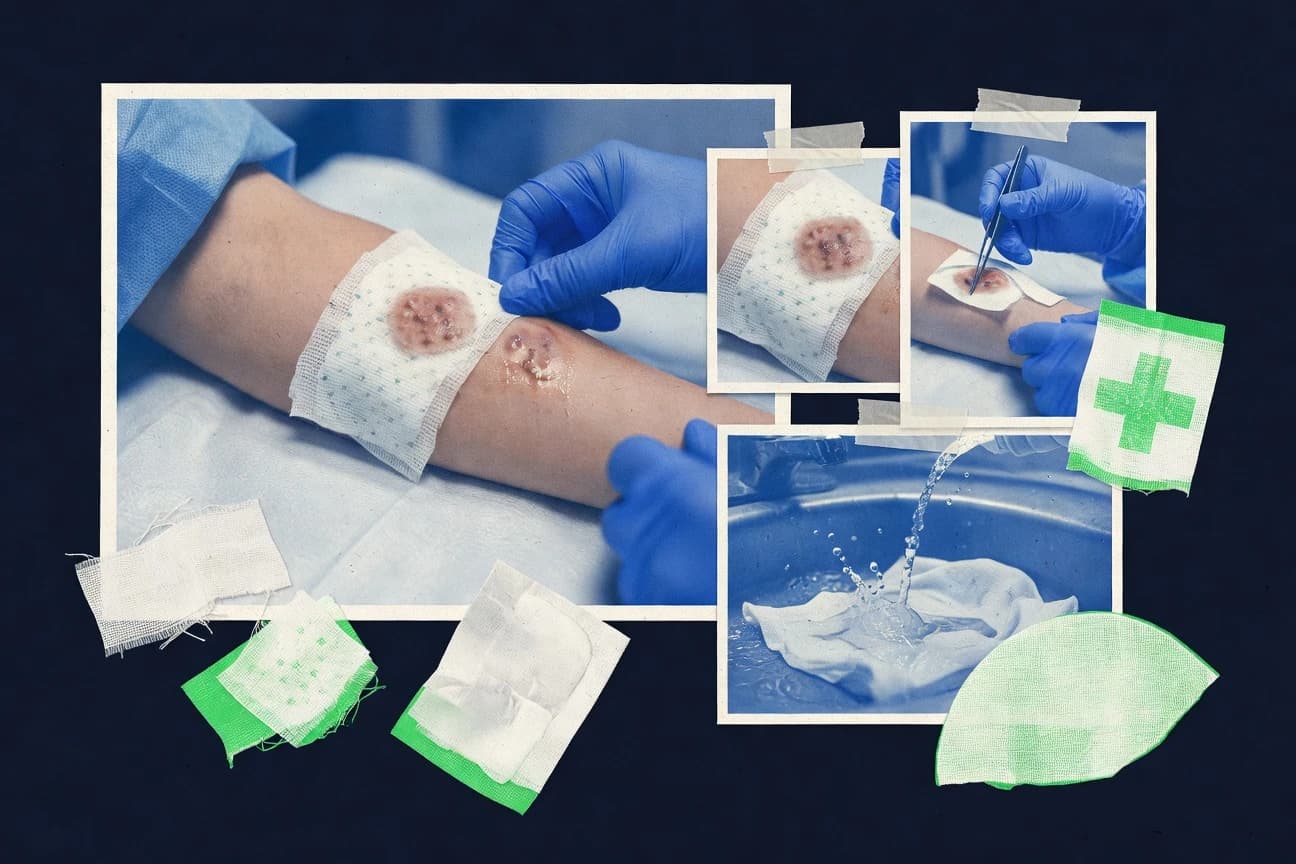

Burns cause 180,000 deaths worldwide each year. In the United States 1.1 million people receive medical treatment for burn injuries annually. Flame burns account for half of all hospitalizations while scalds drive most pediatric cases.
Key Takeaways
- Flame burns are the leading cause, accounting for 50% of all burn injuries requiring hospitalization.
- Scalds from hot liquids cause 25% of burns, primarily in children.
- Contact with hot objects causes 15-20% of pediatric burns.
- Children under 5 years comprise 55% of burn victims in developing countries.
- Males have a 1.5-2 times higher burn incidence than females globally.
- Elderly over 65 represent 20% of burn deaths despite lower incidence.
- Annual US burn care costs exceed $2 billion.
- Average cost per burn hospitalization is $88,000 in the US.
- Global economic burden of burns is $24 billion yearly.
- Globally, burns cause approximately 180,000 deaths annually, with the majority occurring in low- and middle-income countries.
- In the United States, about 1.1 million people receive medical treatment for burn injuries each year.
- Burn injuries account for 4-5% of all trauma-related hospital admissions worldwide.
- TBSA >60% has 90% mortality without treatment.
- Survival rate for burns improved from 50% to 95% for 70% TBSA with modern care.
- Skin grafting success rate is 85-95% in partial thickness burns.
Flames, scalds, and unsafe cooking drive most serious burns, but prevention can save hundreds of thousands of lives.
Related reading
01 · Category
Causes and Risk Factors19 stats
01
Flame burns are the leading cause, accounting for 50% of all burn injuries requiring hospitalization.
02
Scalds from hot liquids cause 25% of burns, primarily in children.
03
Contact with hot objects causes 15-20% of pediatric burns.
04
Electrical burns result from household currents in 60% of domestic cases.
05
Chemical burns are 70% occupational, often from acids or alkalis.
06
Cooking-related burns account for 40% of home injuries in women.
07
Alcohol consumption is a factor in 40% of adult flame burns.
08
Child neglect is associated with 20% of pediatric scald burns.
09
Workplace burns represent 15% of all burns, highest in construction.
10
Fireworks cause 10,000 emergency visits annually in the US, mostly burns.
11
Motor vehicle exhaust burns occur in 5% of traffic accident victims.
12
Smoking materials ignite 17% of home fires leading to burns.
13
Poverty increases burn risk by 2-4 times due to unsafe cooking.
14
Epilepsy is a risk factor in 4% of adult burn admissions.
15
Hot water heaters set above 49°C double scald risk in homes.
16
Barbecues and grills cause 8,000 burns yearly in the US.
17
Acid attacks result in 80% facial burns in victims.
18
Rural areas have higher kerosene stove explosion burns.
19
Seizure-related burns account for 10% in patients with epilepsy.
Interpretation
Causes and Risk Factors Interpretation
A sobering compilation of statistics reveals that humanity’s domestic comforts—from kitchens and heaters to cocktails and child’s play—are, with grim irony, the very furnaces forging our most painful and preventable injuries.
02 · Category
Demographics20 stats
01
Children under 5 years comprise 55% of burn victims in developing countries.
02
Males have a 1.5-2 times higher burn incidence than females globally.
03
Elderly over 65 represent 20% of burn deaths despite lower incidence.
04
In the US, African Americans have 1.5 times higher burn hospitalization rates.
05
Burns kill more children aged 1-4 than house fires in some regions.
06
Women in South Asia face 70% higher burn mortality due to kitchen fires.
07
Burn mortality peaks in ages 0-4 and over 70 years.
08
Indigenous populations have 3 times higher burn rates in Australia.
09
Low socioeconomic status correlates with 2.5 times burn risk.
10
Veterans have 20% higher burn injury rates post-deployment.
11
In Africa, 60% of burn patients are under 10 years old.
12
Males under 30 account for 60% of electrical burns.
13
Females comprise 65% of scald burn victims aged 0-2.
14
Homeless individuals have 4 times higher burn mortality.
15
In Europe, immigrants have 1.8 times higher pediatric burn rates.
16
Diabetics have 2 times increased burn complication rates.
17
Burn centers treat 70% males in occupational injuries.
18
Children from single-parent homes have 30% higher burn incidence.
19
Mortality rate for burns >40% TBSA is 50% in children.
20
90% of burn deaths occur in patients over 60 with comorbidities.
Interpretation
Demographics Interpretation
These statistics paint a grim portrait of a world where the risk of being burned is not a random accident but a predictable tragedy, disproportionately targeting the very young, the poor, the marginalized, and the elderly, revealing that fire is often just the final symptom of deeper societal failures.
03 · Category
Economic Impact and Prevention20 stats
01
Annual US burn care costs exceed $2 billion.
02
Average cost per burn hospitalization is $88,000in the US.
03
Global economic burden of burns is $24 billion yearly.
04
Smoke alarms reduce fire death risk by 50%.
05
Sprinklers cut fire damage costs by 60%.
06
Childproofing hot water reduces scalds by 80%.
07
Flame-retardant clothing prevents 30% of clothing ignition burns.
08
Burn prevention education lowers incidence by 25% in communities.
09
Workplace safety training reduces occupational burns by 40%.
10
Firework bans decrease injuries by 66% during holidays.
11
Safe stove programs in Africa cut burns by 50%.
12
Sunscreen use prevents 24% of skin cancers from burns.
13
Helmet laws reduce motorcycle burn injuries by 35%.
14
Antiseptic campaigns lower infection costs by 20%.
15
Poverty alleviation programs decrease burn rates by 30%.
16
School burn safety programs reduce child injuries by 45%.
17
Electrical outlet covers prevent 70% of toddler shocks/burns.
18
Public awareness saves $1.2 billion in fire losses yearly.
19
Vaccine-like burn prophylaxis research could save billions.
20
Home fire drills reduce response time by 50%, saving lives.
Interpretation
Economic Impact and Prevention Interpretation
While the price of complacency is a staggering $24 billion global bill, the clear and often simple remedies—like a $10 smoke alarm or a two-minute fire drill—prove that preventing a burn is infinitely cheaper, and wittier, than treating one.
More related reading
04 · Category
Incidence and Prevalence20 stats
01
Globally, burns cause approximately 180,000 deaths annually, with the majority occurring in low- and middle-income countries.
02
In the United States, about 1.1 million people receive medical treatment for burn injuries each year.
03
Burn injuries account for 4-5% of all trauma-related hospital admissions worldwide.
04
In low-income countries, burns represent up to 17% of all trauma cases presenting to emergency departments.
05
The incidence rate of burn injuries in the US is approximately 309 per 100,000 person-years.
06
Pediatric burns have an incidence of 145 per 100,000 children annually in developed countries.
07
Hospitalization rates for burns in the US decreased from 52 to 39 per 100,000 population between 2000-2013.
08
In India, the prevalence of burn injuries is estimated at 27 million cases per year.
09
Burns contribute to 1-2% of all trauma deaths in high-income countries.
10
The global burn incidence is highest in Southeast Asia at 19.7 per 100,000.
11
In Europe, the annual burn incidence is about 115 per 100,000 inhabitants.
12
Scald burns represent 35% of all burn injuries in children under 5 years.
13
Contact burns account for 20-25% of pediatric burn admissions.
14
Flame burns are responsible for 40% of hospital-treated burns in adults.
15
Electrical burns comprise 4-10% of all burn center admissions.
16
Chemical burns make up 3-7% of occupational burn injuries.
17
Inhalation injury is present in 20-30% of major burn cases.
18
Friction burns from road traffic accidents account for 5-10% of burns in young adults.
19
Sunburns affect 30-50% of fair-skinned populations annually.
20
Cold burns (frostbite) incidence rises in extreme weather, up to 10 per 100,000 in polar regions.
Interpretation
Incidence and Prevalence Interpretation
While the world collectively winces over sunburns and kitchen scalds, the sobering reality is that for hundreds of thousands in poorer nations, a simple burn is often a death sentence, revealing a brutal healthcare disparity where geography dictates survival.
05 · Category
Treatment and Outcomes20 stats
01
TBSA >60% has 90% mortality without treatment.
02
Survival rate for burns improved from 50% to 95% for 70% TBSA with modern care.
03
Skin grafting success rate is 85-95% in partial thickness burns.
04
Infection causes 75% of post-burn deaths.
05
Fluid resuscitation per Parkland formula reduces mortality by 50%.
06
Early excision of burns decreases hospital stay by 20 days.
07
Hyperbaric oxygen therapy improves outcomes in 60% of inhalation injury cases.
08
Nutritional support reduces mortality by 40% in severe burns.
09
Pain management with opioids controls 90% of acute burn pain.
10
Contracture rate is 30% without physiotherapy post-burn.
11
Escharotomy improves ventilation in 80% of circumferential burns.
12
Silver sulfadiazine reduces infection risk by 50%.
13
Average LOS in burn ICU is 10 days per %TBSA burned.
14
Functional recovery >80% with rehab in <20% TBSA burns.
15
Mortality for <10% TBSA is <1% in adults.
16
Psychological PTSD occurs in 25% of major burn survivors.
17
Amputation rate is 15% in high-voltage electrical burns.
18
Laser therapy reduces scar hypertrophy in 70% of cases.
19
Ventilator days average 12 in inhalation burns.
20
Readmission rate within 1 year is 10% for burn patients.
Interpretation
Treatment and Outcomes Interpretation
The grim reality of a major burn is that it's a race against infection and systemic collapse, but modern medicine has turned the tide with aggressive resuscitation, early surgery, and relentless support, transforming what was once a death sentence into a brutal but survivable marathon of recovery.
Reference
Cite This Report
This report is designed to be cited. We maintain stable URLs and versioned verification dates. Copy the format appropriate for your publication below.
APA
Gabrielle Fontaine. (2026, February 27). Burn Injury Statistics. Gitnux. https://gitnux.org/burn-injury-statistics
MLA
Gabrielle Fontaine. "Burn Injury Statistics." Gitnux, 27 Feb 2026, https://gitnux.org/burn-injury-statistics.
Chicago
Gabrielle Fontaine. 2026. "Burn Injury Statistics." Gitnux. https://gitnux.org/burn-injury-statistics.
Sources & references
9 datasets cited across this report · attribution is report-level