
Market data
Senior Care Aging Services
Explore verified senior care aging services statistics and market research reports with sourced data and trend analysis.
Latest update:
 Julian Richter

Japan Long-Term Care Industry Statistics
Japan Long-Term Care Industry figures for 2025 reveal how quickly the system is straining, with demand rising alongside staffing and service pressures. Get the key 2025 snapshots that explain why policy talk is no longer abstract and what the latest trends mean for care capacity right now.
Care Home Statistics
Find out how care home statistics look in 2026, where staffing pressures, safety trends, and occupancy patterns are shifting in ways families can feel day to day. The page sets the latest figures against what changed most, so you can see exactly where care is tightening or improving.
Home Health Care Services Industry Statistics
With Medicare enrollment projected to surge well into 2034, this page connects what it will take to staff home health care and what that care must prove, from 100 plus hours of CNA training to performance measures like ambulation improvement and lower potentially avoidable hospitalizations. You also get the workforce and care model tension behind the forecasts, including 3.6 million home health and personal care aides employed in 2023 and how home based programs can cut hospitalizations by about 20 percent in some studies.
China Elderly Care Industry Statistics
China’s elderly care sector is shifting fast, with 2026 figures pointing to where capacity is tightening and costs are moving from concern to pressure. Read the statistics to see the gap between care demand and available support, and what that means for families and providers right now.

Long-Term Care Industry Statistics
See how Long-Term Care Industry trends are reshaping daily realities right now, including the size of the care workforce and resident demand alongside the pressure on staffing and outcomes. If you think staffing shortages are only getting worse, the latest 2025 figures add a sharper twist to what changes next.
Aging In Place Statistics
Aging in place is no longer a “someday” plan because 2025 data shows more older adults want to stay at home even as costs and care needs rise, creating a real test for communities and families. Read how the latest trends in housing, healthcare access, and support services explain the gap between wanting to age in place and having the resources to make it work.

Home Healthcare Services Industry Statistics
Home healthcare demand is reshaping faster than most people expect, with 2025 market growth signaling a shift in how agencies staff, price, and serve patients at home. Use these hard statistics to see where capacity is tightening and where opportunities are opening.
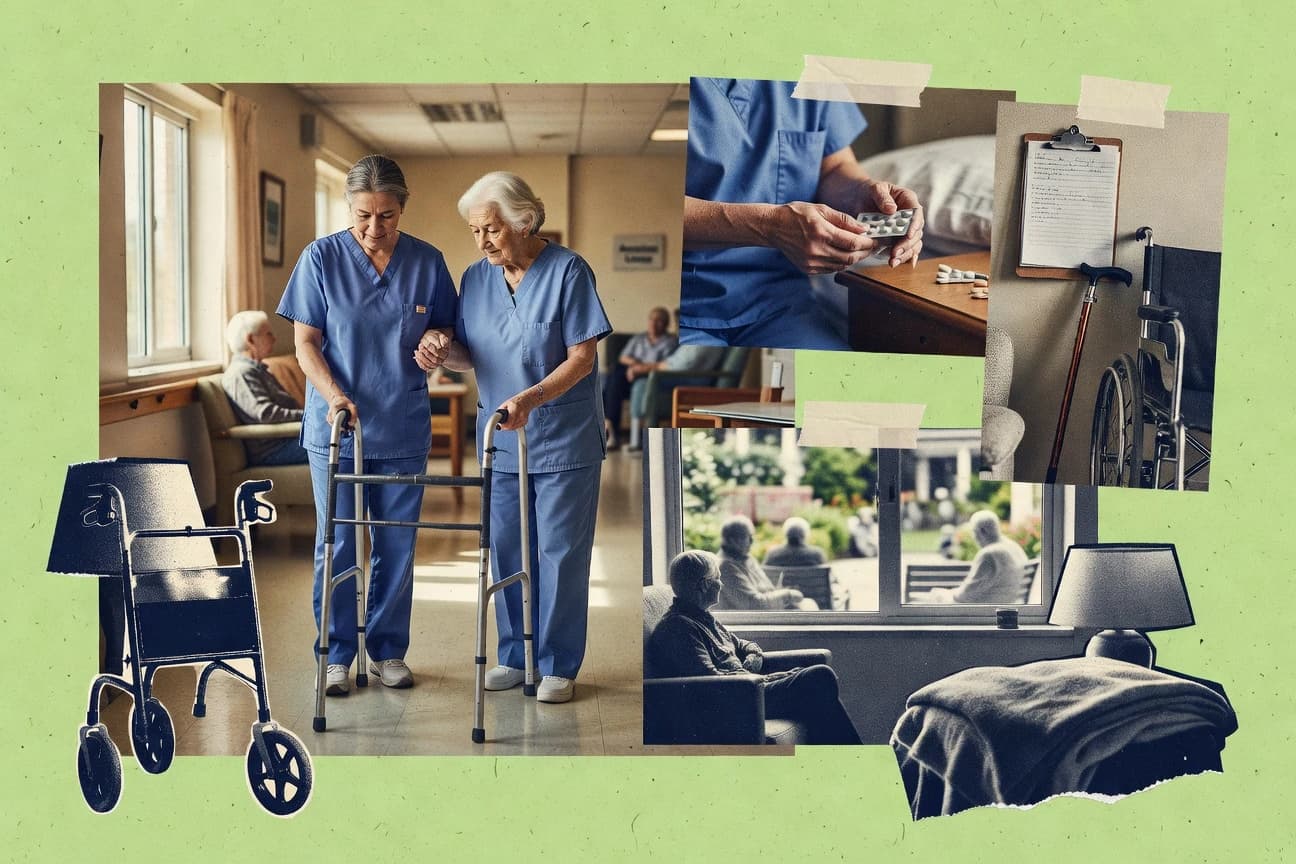
Elder Care Industry Statistics
With 2025 and 2026 figures reshaping how families plan for care, these elder care industry statistics capture the sharp mismatch between demand and capacity. You will see exactly where costs, staffing, and policy pressure are converging so you can spot what is most likely to change next.
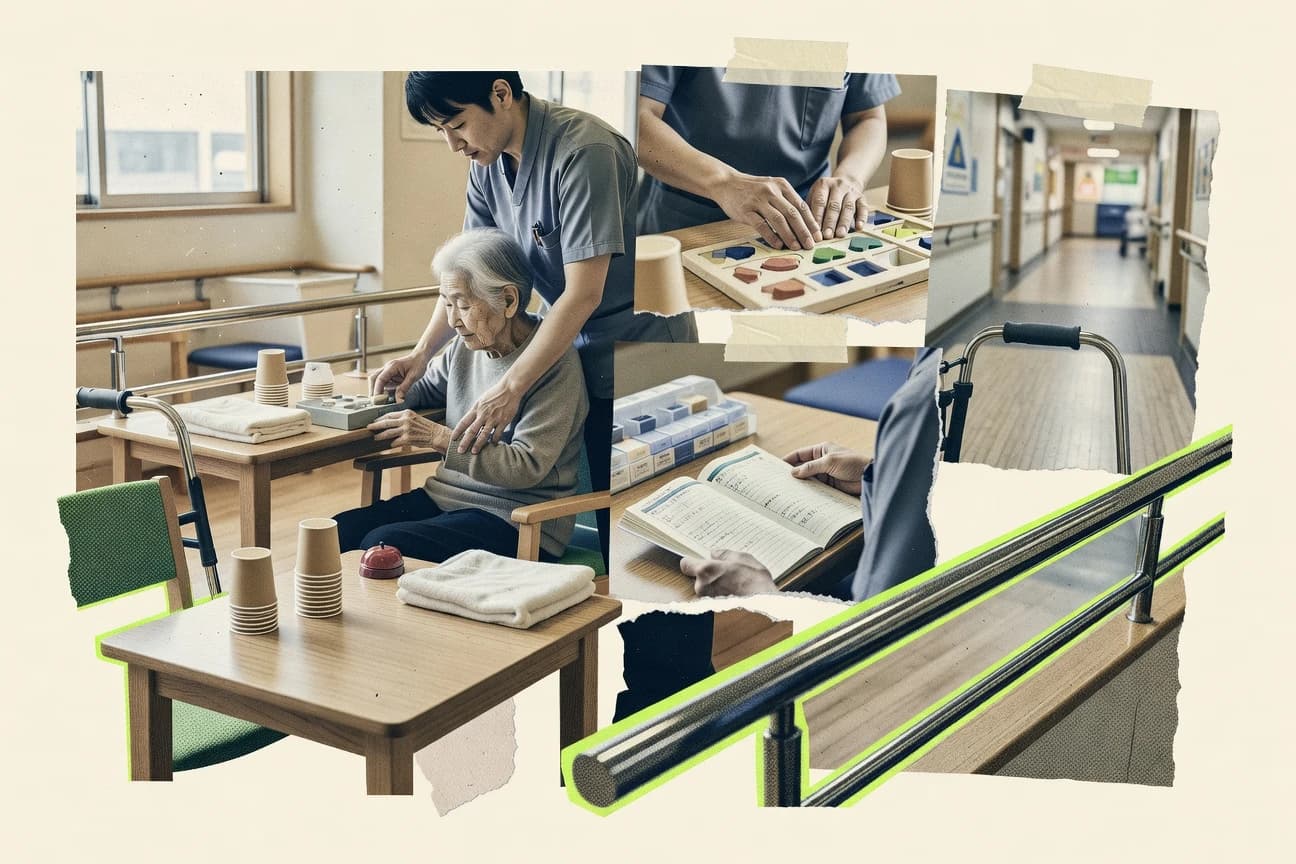
Japan Elderly Care Industry Statistics
Japan’s aging pressure is immediate and measurable, with the 65 plus share rising to 29.1% in 2023, alongside a 56.4% old age dependency ratio. The page links that demographic snap to the reality of care, including LTC coverage for 40.4 million people, spending that reached JPY 9.3 trillion in FY2022, and a labor market facing 120,000 care worker vacancies in 2023.

Japan Nursing Care Industry Statistics
See how Japan Nursing Care Industry figures in 2026 hint at a hard turn in demand and staffing pressures, where the care system’s balance looks more fragile than a few years ago. If you care about what support services can realistically sustain next, this page puts the latest numbers side by side so you can spot what is changing before policy debates catch up.
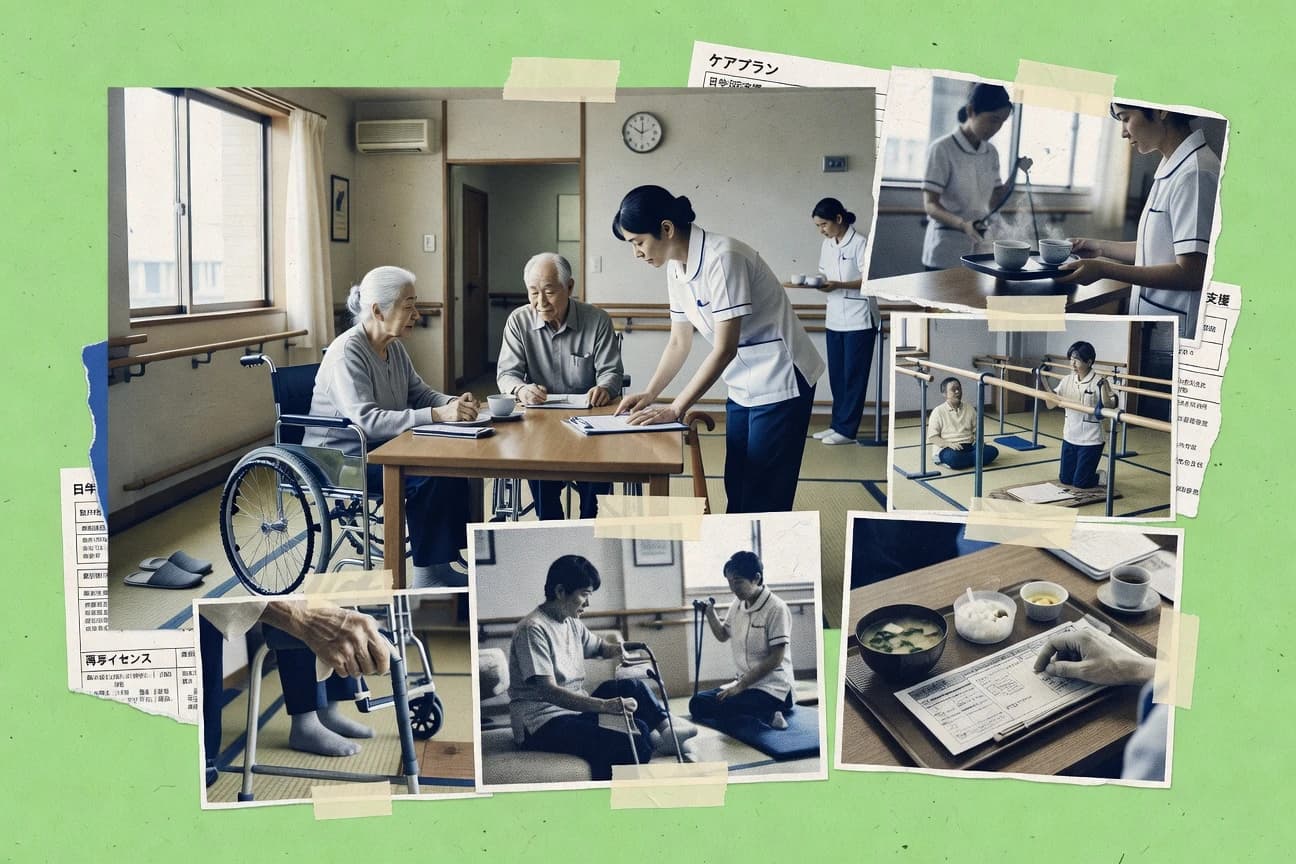
Japan Nursing Home Industry Statistics
Japan is aging fast, with 36.4% of the population aged 65 and 22.6% aged 75 or older in 2023, yet long-term care capacity and labor are under pressure. This page connects those trends to what they mean for real care outcomes and costs, from COVID-19 fatality risk and hospital readmissions to staffing ratios, infection control and the growing use of care IT.

Caregiving Industry Statistics
Family caregiving is already a 53 million person workforce, with 42 percent providing 40 plus hours a week and 70 percent managing medications, yet the strain is visible in 37 percent reporting high emotional stress and 21 percent saying their health is fair or poor. Get the full picture of who does the work and what it costs, from 14 percent of U.S. adults serving as caregivers and 80 percent of long term care delivered by unpaid family, to a $22.5 billion annual hit from caregiver turnover and care needs that are forecast to triple for dementia by 2050.

Elderly Statistics
Caregiving reaches far beyond a family routine, with 53 million U.S. family caregivers totaling 11.8 million providing unpaid help and averaging 24 hours a week. This page maps how demographic change, health burdens, and financial strain intersect in 2025, revealing why loneliness, stress, and long term care decisions are no longer side issues for America’s 65 plus population.

Japan Elder Care Industry Statistics
By 2030, one in three people in Japan will be 65 or older, over 37 million seniors pushing elder care demand while staffing shortages already hit 92% of facilities. Track how care insurance use, dementia prevalence, solitary deaths, and waitlists connect to a market worth 12.5 trillion yen in fiscal 2022 and growing pressure on homes, hospitals, and nursing beds.

Elderly And Technology Statistics
From 73% of adults 65 plus online in 2019 to US adults 65 plus making up 16% of online health searches, the shift is real and often underestimated, especially as telehealth and health apps pull more people in. This page also pairs everyday tech wins like better readability and easier eHealth after accessibility fixes with the risks, including phishing losses of 1.1 billion dollars in the US and identity theft worries, so you can see what older users gain and what still needs protection now.

Japan Care Industry Statistics
With Japan’s 65 plus population hitting 29.1% in 2023, this page tracks how care delivery is catching up, from remote patient monitoring poised to reach $1.6 billion and a 60% EMR adoption rate in large hospitals to the long term care spending hitting 11.6 trillion yen. You get practical context on capacity, costs, and interventions, including fall and pressure injury prevention impacts and what they mean for hospital readmissions and care worker capacity.
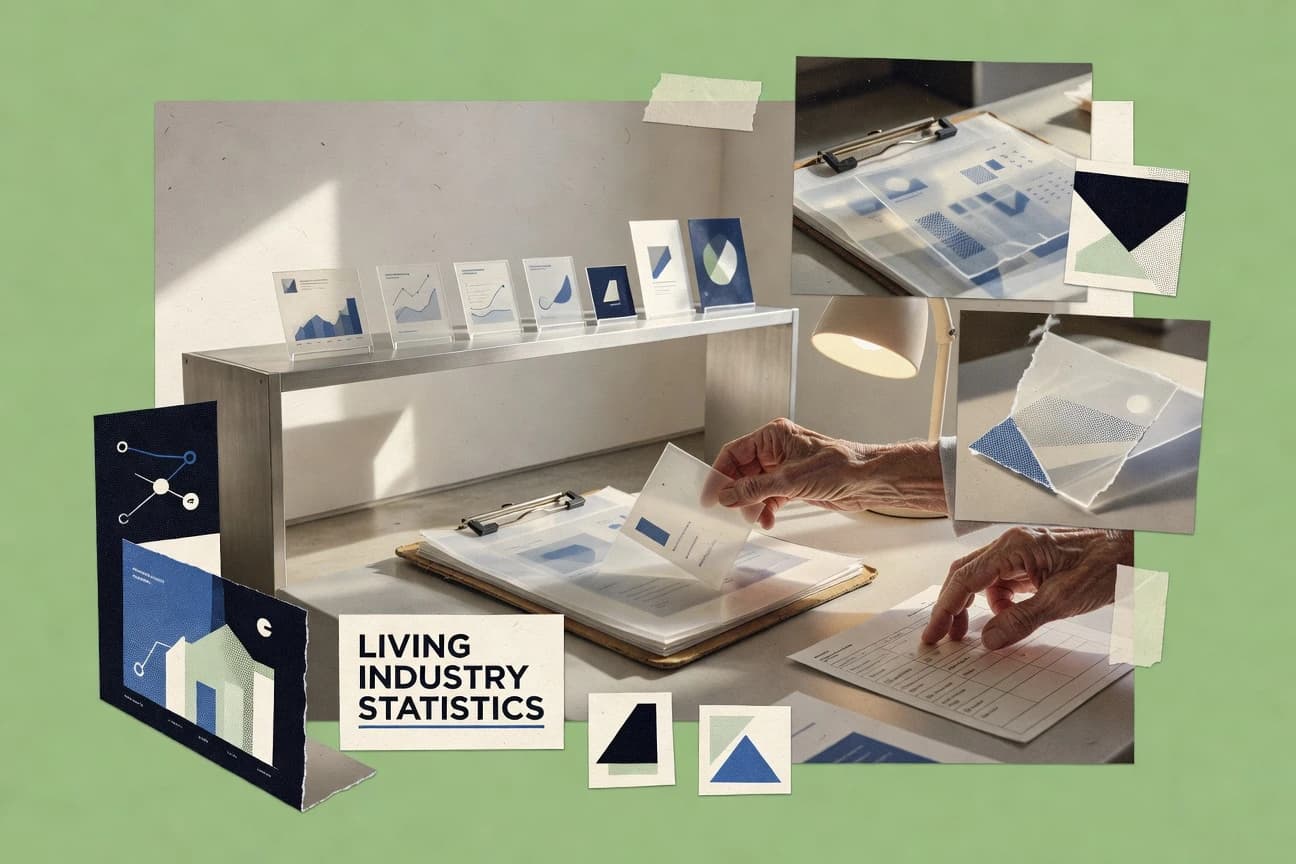
Galerie Living Industry Statistics
Galerie Living Industry pairs a 92 out of 100 net resident satisfaction score with 4.6 out of 5 Google ratings from 45,000 reviews, while complaints are resolved in an average of 1.7 days, 55% faster than peers. Behind the experience, the operation runs lean and future ready with a 2023 staff-to-resident ratio of 1 to 6.2 and faster digital onboarding that cuts admission processing to 2.4 hours, alongside financial momentum that lifts EBITDA margin to 28.4% in Q4 2023.