
Market data
Chemicals Industrial Materials
Explore verified chemicals industrial materials statistics and market research reports with sourced data and trend analysis.
Latest update:
 Lukas Bauer
Plastic Production Statistics
Projections place global plastics production at about 600 million tonnes by 2030, then climb sharply toward 800 million tons by 2040 and 1.1 billion tonnes by 2050 as demand keeps rising. Track how major producers and feedstock demand shift this climb, from China’s capacity up 20% to 160 million tons by 2025 to recycling volumes that may triple to 30 million tons by 2030.

Chlorine Industry Statistics
PVC drives 54% of global chlorine use while disinfectants and sanitizers surged 20% post COVID to 2.1 Mt, and the page ties those demand swings to production, safety, emissions, and pricing from membrane cell dominance to global overcapacity at 12% in 2023. You can see how chlorine moves through markets and risk controls with global trade at 8.5 million tons in 2022, mercury limits at 0.03 mg per Nm³ under EU BAT, and energy intensity improving to 2.5 MWh per ton since 2010.

Flavors Fragrances Industry Statistics
The flavors and fragrances supply chain is heading toward a $66.6 billion global market by 2032 while fragrance ingredient demand still wrestles with raw material volatility, compliance pressure, and end use concentration. One of the most telling contrasts is how sustainability and safety rules are tightening selection at every step, from ECHA restrictions and harmonized hazard classifications to EU allergen labeling thresholds and REACH registration, even as buyers chase faster, more naturally derived growth at 7 percent plus for natural flavors.

Printing Ink Industry Statistics
Europe is forecast to hold 23.4% of the printing ink market by 2028 while ink demand in Asia Pacific rose 4.2% in 2021 and compliance with low migration rules is now a top priority for 68% of food packaging converters. From UV drying and VOC cuts to trade flows and emissions shares, the page connects formulation targets and regulatory thresholds to the practical metrics that decide which inks win on press.
German Chemical Industry Statistics
A 5.6% real production growth is expected for Germany’s chemicals sector, yet reliability gaps still cost producers an estimated €1.7 billion from unplanned downtime, making modernization and digital operations a practical urgency, not a buzzword. The page also pairs energy and climate pressure with momentum, from a 27% potential energy intensity cut and 2.7 Mt CO2e targeted via ETS operational optimization to 37% of sites already using industrial IoT or MES.

Europe Chemicals Industry Statistics
Europe’s chemicals story is being reshaped fast, from a 5.2% projected market growth rate for 2024 to 2029 to rising regulatory weight such as 1,500 plus CLP notifications for new hazardous substances each week. Read how the EU connects chemical inputs to everything from polymers and plastics and packaging targets to REACH updates and PFAS exposure, where 10.2% of dossiers were updated in 2023 and the scale of compliance is measured in millions of tonnes.

Eu Chemical Industry Statistics
With €110 per ton as the 2024 natural gas cost assumption and €82 per tonne CO2 on the books for 2023 carbon prices, this Eu Chemical Industry snapshot explains why margins are being squeezed even as adoption rises fast, including 75% of companies using predictive maintenance or planning analytics by 2023. It also connects regulatory pressure and investment momentum, from REACH and CSRD compliance scale to €12.4 billion spent on process automation and industrial control systems in 2023, so you can see where the next cost and competitiveness inflection points are most likely to hit.

Petrochemicals Industry Statistics
See how petrochemical momentum is reshaping feedstock costs and emissions at once, from 3.3% projected global market growth for 2024 to 2030 to plastics value chain GHG targets of 1.34 gigatonnes CO2e per year by 2030. You will also find the operational pressure points behind the chemistry, like 4% of refining capacity being offline on average and how policy guardrails from EU ETS and CBAM to OSH fatality stats are influencing where new capacity can realistically land.
China Chemical Industry Statistics
China’s chemicals sector is tightening its grip on global supply chains while cutting energy use, with chemical industry energy intensity down 4.5% since 2016 through 2022 and the sector using 8.0% of national industrial natural gas in 2022. From 2025 linked capacity momentum to the -US$11.4 billion chemicals trade deficit in 2023, the page connects demand, capacity builds, and policy pressures like ultra-low emission retrofits to show what will shape output and costs next.

Catalyst Industry Statistics
Catalyst Industry’s stats map how regulation, metal prices, and performance science collide, with the global catalyst market topping about $15.5 billion in 2022 and automotive catalysts set to rise from $19.8 billion in 2023 to about $29.2 billion by 2028. You also get the practical constraints behind the growth, from SCR expansion (about $8.3 billion in 2022 to $14.5 billion by 2032) and FCC catalyst turnover and deactivation cycles to the surprising volatility of PGM supply costs that can swing with rhodium near $4,700 per ounce in 2023.

Exide Industry Statistics
Collections efficiency climbed to 6.0x in FY2023 while Exide’s network moves 1.2 million vehicles a day, even as lead volatility and recycling rules keep the supply chain under pressure. You will see how 42% recycled lead, a $11.4 billion recycling market growing to $29.7 billion by 2032, and EU recovery targets reshape costs and demand across UPS, passenger vehicles, and off grid solar.

Germany Chemicals Industry Statistics
Germany’s chemical industry is scaling fast with 2023 sales of 225.6 billion euros and R and D spending of 12.1 billion euros, while exports reached 106.4 billion euros. The workforce is sizable at 524,000 people and still shifting, yet BASF concentrates most of its 87.3 billion euro chemical segment sales and 39,000 Germany employees, setting up a sharp contrast between global footprint and domestic depth.
Pigment Industry Statistics
In 2023, paints and coatings still take the largest slice of global pigment demand at 55 percent, yet plastics are set to climb from today’s baseline toward 8.5 million tons by 2030, tightening the race for supply. Track how titanium dioxide drives 45 percent of consumption and how Asia Pacific owns a 52 percent market share, while region by region shifts and production concentration in China and Europe keep reshaping pricing power.

Pigments Industry Statistics
In 2023, paints and coatings used 4.8 million tons of pigments to command a 38% share, but plastics and inks quickly narrow the gap with 3.2 million tons and a 15.3% end use slice. With inorganic pigments owning 65.2% of revenue and Asia Pacific holding 52.3% of market spend, the page breaks down how TiO2 volume leads at 45.8% and why China alone consumed 6.5 million tons, reshaping what “capacity” and “demand” really mean.

Adhesives Sealants Industry Statistics
With the global sealants market still scaling to US$1.6 billion in 2023, this page maps how hot melt and water based adhesives are meeting packaging demand while regulation keeps tightening, from REACH SVHC authorization and CLP hazard labeling to RoHS and the EU packaging waste rules. It also connects cost and compliance pressure to real inputs like energy and butadiene volatility and shows how performance standards such as ASTM C920, plus analytics adoption, are reshaping manufacturing yields and life cycle emissions.
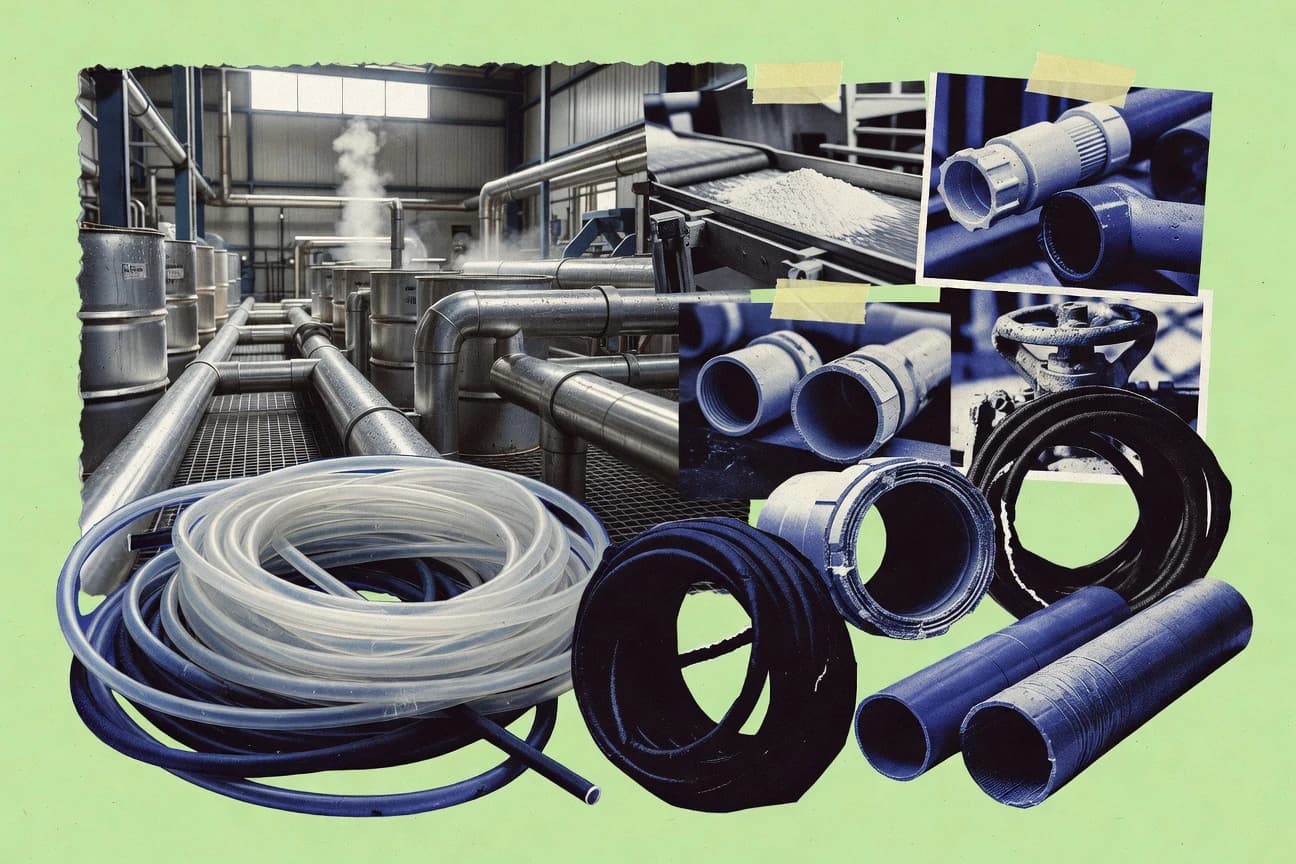
Pvc Industry Statistics
PVC demand is still being pulled by construction and packaging powerhouses with 2022 global consumption hitting 49.8 million metric tons and China taking 56% of the total, while the industry faces a climate reality of 1.5 tons CO2 per ton PVC. Recyclable potential also looks starkly different from virgin output, since 1 ton of PVC recycling saves 2 tons of virgin resin production and 700 kg CO2 eq, shaping everything from Europe’s 12.5% recycling rate to a market expected to reach USD 81.2 billion by 2030.
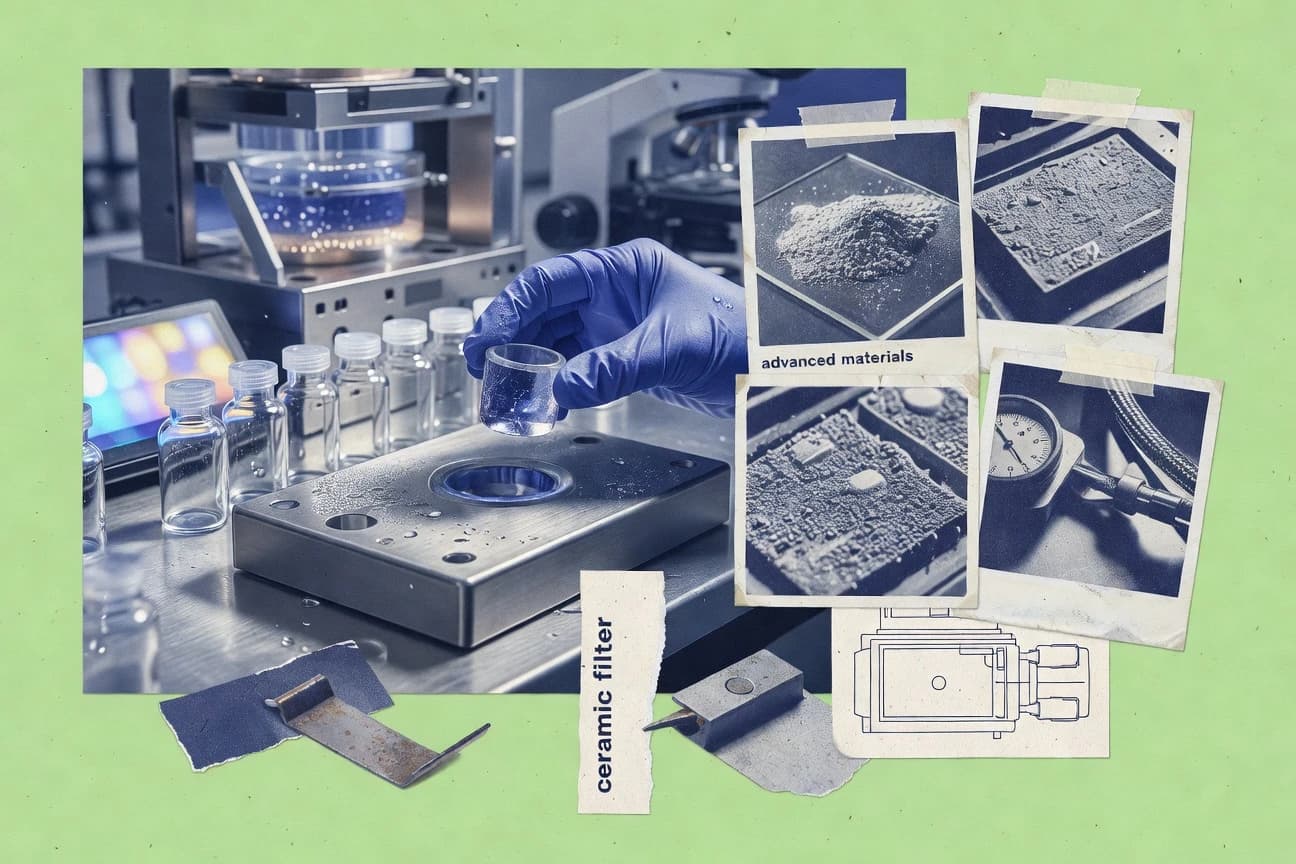
Advanced Materials Industry Statistics
Advanced materials are climbing fast, with the global advanced ceramics market forecast to grow at a 13.8% CAGR to about $65.5B by 2030, while specialty chemicals are set to nearly double to $1,014.0B and lithium-ion batteries rise from $41.5B in 2021 to $124.0B by 2030. But the real tension for manufacturers is supply and cost pressure, from a 3.2x jump in critical raw material demand to battery and clean energy regulations that force carbon footprint transparency and reshape where materials can be sourced and scaled.

Charcoal Industry Statistics
In 2023 the global charcoal market hit $28.4 billion with 4.2% CAGR to 2030, even as charcoal use drives outsized climate pressure from 50 to 70 million tons of CO2 equivalent each year in sub Saharan Africa. From Nigeria’s $250 million in export revenue to Brazil’s 4.8 million tons feeding steel and substituting 20% of coal needs, these figures show why charcoal sits at the sharp intersection of livelihoods and deforestation.

Aluminum Industry Statistics
In 2022, aluminum consumption hit 90 million metric tons worldwide while primary production reached 69.1 million, with China alone accounting for 59 percent and still exporting 6.5 million tons. Follow the same timeline from a 2022 global market size of $185 billion and an average LME price of $2,680 per ton to carbon footprints that range from 4 tons CO2 per ton for hydro power to 20 tons CO2 per ton from coal in China, plus where the raw material power is held in bauxite reserves.

Global Chemical Industry Statistics
Global Chemical Industry forecasts point to $5.4T in chemicals by 2029 alongside a fast rise in adjacent markets such as $265B chemical distribution and $122B chemical logistics by 2032, with China driving 11.0% of global chemical revenue in 2023. Expect the same page to pair big demand and transition signals like recycled plastics reaching 10 Mt by 2030 and hydrogen demand of 90 to 130 Mt by 2050 with practical pressure points from energy use, feedstock demand, and AI uptake in industrial analytics.