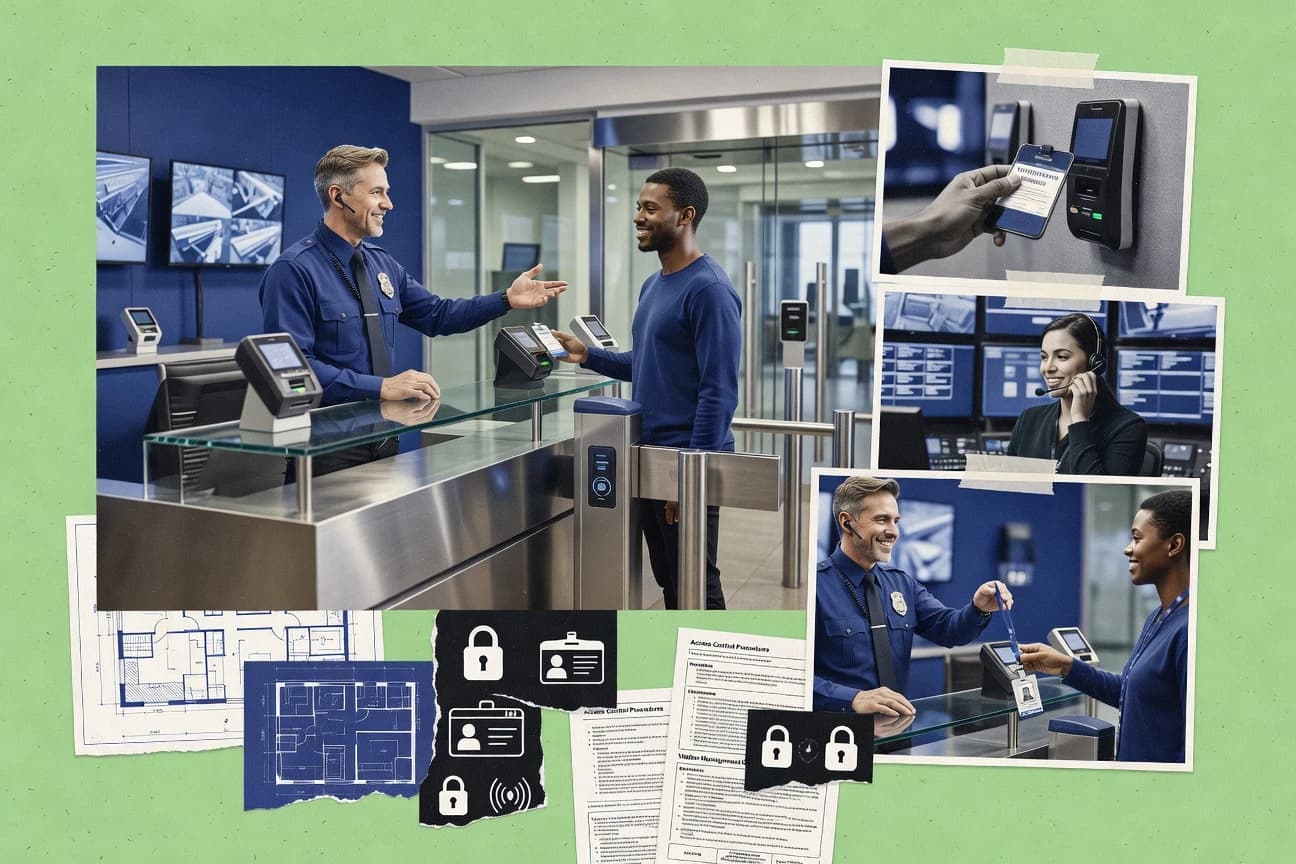

Global customer experience spending rose 3% to $398 billion last year. Security providers face intense pressure, as 61% of customers expect a chat reply within 5 minutes and data breaches now cost an average of $4.45 million.
Key Takeaways
- 2023 marked a 3% increase in customer experience spending over the prior year (excluding inflation) to $398B globally
- Customer experience spending is forecast to reach $563B by 2027 (global)
- By 2027, customer experience spending is forecast to account for 2.1% of worldwide IT spending
- The average customer expects a service to resolve issues in 5 hours or less (support resolution expectation survey)
- 61% of customers say they expect an answer within 5 minutes for chat (support expectation)
- Customers are willing to wait 10 minutes for support before switching channels (support time benchmark)
- $6.0 billion global managed security services market in 2023
- $23.5 billion global managed security services market forecast by 2030
- $105.2 billion global network security market size in 2023
- A single data breach costs an average of $4.45 million globally in 2023 (IBM Cost of a Data Breach Report)
- The average time to identify a breach was 204 days in 2023 (IBM Cost of a Data Breach Report)
- The average time to contain a breach was 73 days in 2023 (IBM Cost of a Data Breach Report)
- 30% of households in the US have security systems (alarm monitoring adoption proxy)
- 34% of customers prefer to resolve issues via live chat (preference adoption)
- 62% of consumers used digital channels to service interactions in 2021 (digital self-service adoption)
Security leaders must prioritize fast, customer focused support because it drives loyalty, revenue, and profitability.
Related reading
- Statistics · Customer Experience In IndustryCustomer Experience In The Software Industry Statistics
- Statistics · Customer Experience In IndustryCustomer Experience In The Life Sciences Industry Statistics
- Statistics · SecuritySecurity Services Industry Statistics
- Statistics · Customer Experience In IndustryCustomer Experience In The Consumer Goods Industry Statistics
01 · Category
Industry Trends6 stats
01
2023 marked a 3% increase in customer experience spending over the prior year (excluding inflation) to $398B globally[1]
02
Customer experience spending is forecast to reach $563B by 2027 (global)[1]
03
By 2027, customer experience spending is forecast to account for 2.1% of worldwide IT spending[1]
04
Companies that lead in customer experience can achieve 2.6x higher revenue than competitors[2]
05
Companies that lead in customer experience are 5.1x more likely to be profitable than those that lag[2]
06
46% of consumers say customer service is the most important factor when choosing a brand[3]
Interpretation
Industry Trends Interpretation
With global customer experience spending rising 3% to $398B in 2023 and forecast to reach $563B by 2027, companies that lead in customer experience can earn 2.6x higher revenue and are 5.1x more likely to be profitable as 46% of consumers say customer service is the top factor in choosing a brand.
02 · Category
Performance Metrics8 stats
01
The average customer expects a service to resolve issues in 5 hours or less (support resolution expectation survey)[4]
02
61% of customers say they expect an answer within 5 minutes for chat (support expectation)[1]
03
Customers are willing to wait 10 minutes for support before switching channels (support time benchmark)[4]
04
Customers who experience longer waits have significantly higher churn intent; 51% say they would switch providers due to wait times (customer survey benchmark)[5]
05
74% of customers say they are more likely to return if the issue is resolved quickly (resolution speed effect)[6]
06
In the US, 2.8 million customer complaints were filed to the FCC in 2023 (customer experience complaints proxy)[7]
07
The average US broadband complaint resolution rate was 44% in 2023 (FCC consumer complaints performance)[7]
08
In a benchmark, 73% of companies used automation to reduce operational costs while maintaining service levels (automation effectiveness metric)[1]
Interpretation
Performance Metrics Interpretation
Customers in the security industry signal that speed is make or break, with 61% expecting a chat reply within 5 minutes and 51% saying they would switch providers due to wait times, while rapid resolution is also linked to a return likelihood of 74%.
03 · Category
Market Size30 stats
01
$6.0 billion global managed security services market in 2023[8]
02
$23.5 billion global managed security services market forecast by 2030[8]
03
$105.2 billion global network security market size in 2023[8]
04
$274.2 billion global network security market forecast by 2030[8]
05
$44.1 billion global customer experience management software market size in 2023 (IDC)[9]
06
$103.3 billion global customer experience management software market forecast by 2028 (IDC)[9]
07
$398 billion customer experience spending forecast in 2023 (Gartner)[1]
08
$563 billion customer experience spending forecast by 2027 (Gartner)[1]
09
$11.8 billion global customer support software market size in 2024[9]
10
$26.7 billion global customer support software market forecast by 2028[9]
11
$32.0 billion global contact center software market size in 2023[9]
12
$56.6 billion global contact center software market forecast by 2028[9]
13
$2.8 billion global physical security services market size in 2023 (estimate)[10]
14
$4.6 billion global physical security services market forecast by 2032 (estimate)[10]
15
$72.6 billion global managed security services market forecast for 2023 (estimate)[11]
16
$263.5 billion global managed security services market forecast by 2033 (estimate)[11]
17
The global physical security market is projected to grow from $89.6B in 2023 to $154.3B by 2030 (CAGR 8.0% estimate)[8]
18
$89.6 billion physical security market size in 2023[8]
19
$154.3 billion physical security market forecast by 2030[8]
20
$50.2 billion global video surveillance market size in 2023[8]
21
$136.2 billion global video surveillance market forecast by 2030[8]
22
$3.8 billion global perimeter security market size in 2022[11]
23
$8.2 billion global perimeter security market forecast by 2033[11]
24
$9.0 billion global alarm monitoring services market size in 2022 (estimate)[12]
25
$18.4 billion global alarm monitoring services market forecast by 2032 (estimate)[12]
26
$36.7 billion global cybersecurity services market size in 2023 (estimate)[12]
27
$99.1 billion global cybersecurity services market forecast by 2032 (estimate)[12]
28
$31.3 billion global threat intelligence market size in 2022 (estimate)[13]
29
$100.0 billion global threat intelligence market forecast by 2027 (estimate)[13]
30
$75.5 billion global endpoint security market size in 2023 (estimate)[13]
Interpretation
Market Size Interpretation
Customer experience is rapidly rising in security, with Gartner forecasting customer experience spending to grow from $398 billion in 2023 to $563 billion by 2027 alongside expanding markets like network security rising from $105.2 billion in 2023 to $274.2 billion by 2030.
More related reading
04 · Category
Cost Analysis16 stats
01
A single data breach costs an average of $4.45 million globally in 2023 (IBM Cost of a Data Breach Report)[3]
02
The average time to identify a breach was 204 days in 2023 (IBM Cost of a Data Breach Report)[3]
03
The average time to contain a breach was 73 days in 2023 (IBM Cost of a Data Breach Report)[3]
04
Breaches driven by malicious attacks had the highest average cost among attack types at $4.51 million (IBM 2023)[3]
05
The cost of a data breach increases by $1.23 million when the breach involves lost business due to downtime (IBM report)[3]
06
Downtime-related losses averaged 24% of total breach cost in one benchmark (service impact)[3]
07
Data from a Gartner survey indicates that poor customer experience costs businesses billions annually (CX loss modeling)[1]
08
Customer service leaders can reduce costs by 30% through automation and AI-assisted resolution (Forrester study referenced in report)[14]
09
Automation can reduce labor costs by 20% to 50% in customer operations (study results)[15]
10
Organizations using omnichannel support report lower cost per contact than single-channel (benchmark)[1]
11
$4.45 million average breach cost globally in 2023 (IBM)[3]
12
The average cost per data record is $174 in 2023 (IBM)[3]
13
Organizations with faster detection and containment report lower breach costs; each day of delay increases cost (IBM breach impact)[3]
14
On average, it takes 204 days to identify a breach (IBM 2023), increasing long-tail costs and CX harm[3]
15
Chatbots can reduce customer service costs by 30% (Gartner/industry-cited value)[1]
16
Organizations using omnichannel customer service report reducing cost-to-serve by 10% to 15% (benchmark)[1]
Interpretation
Cost Analysis Interpretation
With breaches averaging $4.45 million globally in 2023 and taking 204 days to identify and 73 days to contain, security and customer experience are being squeezed by slow response, but investing in automation and omnichannel support can cut customer service costs by 30% and reduce cost-to-serve by 10% to 15%.
05 · Category
User Adoption10 stats
01
30% of households in the US have security systems (alarm monitoring adoption proxy)[2]
02
34% of customers prefer to resolve issues via live chat (preference adoption)[1]
03
62% of consumers used digital channels to service interactions in 2021 (digital self-service adoption)[16]
04
60% of customers expect proactive notifications about service interruptions or incidents (notification expectation)[1]
05
67% of customers say they are more loyal to companies that personalize communications (personalization adoption)[17]
06
57% of organizations implemented a customer data platform (CDP) by 2023 (CDP adoption proxy for CX readiness in security firms)[1]
07
33% of organizations reported using a unified customer profile in 2022 (customer identity adoption)[1]
08
35% of enterprises have adopted security orchestration automation and response (SOAR) platforms (security operations adoption proxy)[1]
09
48% of organizations using SOAR report faster incident response times (SOAR adoption outcomes)[1]
10
58% of respondents use mobile banking apps; 53% use them for customer support features (mobile app CX adoption proxy)[18]
Interpretation
User Adoption Interpretation
With 60% of customers expecting proactive notifications, the data shows that security providers that boost digital and personalization readiness are winning, supported by 34% who prefer live chat, 67% who favor personalized communications, and strong CX infrastructure adoption like 57% using CDPs and 35% adopting SOAR.
Reference
Cite This Report
This report is designed to be cited. We maintain stable URLs and versioned verification dates. Copy the format appropriate for your publication below.
APA
Marcus Afolabi. (2026, February 13). Customer Experience In The Security Industry Statistics. Gitnux. https://gitnux.org/customer-experience-in-the-security-industry-statistics
MLA
Marcus Afolabi. "Customer Experience In The Security Industry Statistics." Gitnux, 13 Feb 2026, https://gitnux.org/customer-experience-in-the-security-industry-statistics.
Chicago
Marcus Afolabi. 2026. "Customer Experience In The Security Industry Statistics." Gitnux. https://gitnux.org/customer-experience-in-the-security-industry-statistics.
Sources & references
18 sources cited across this report