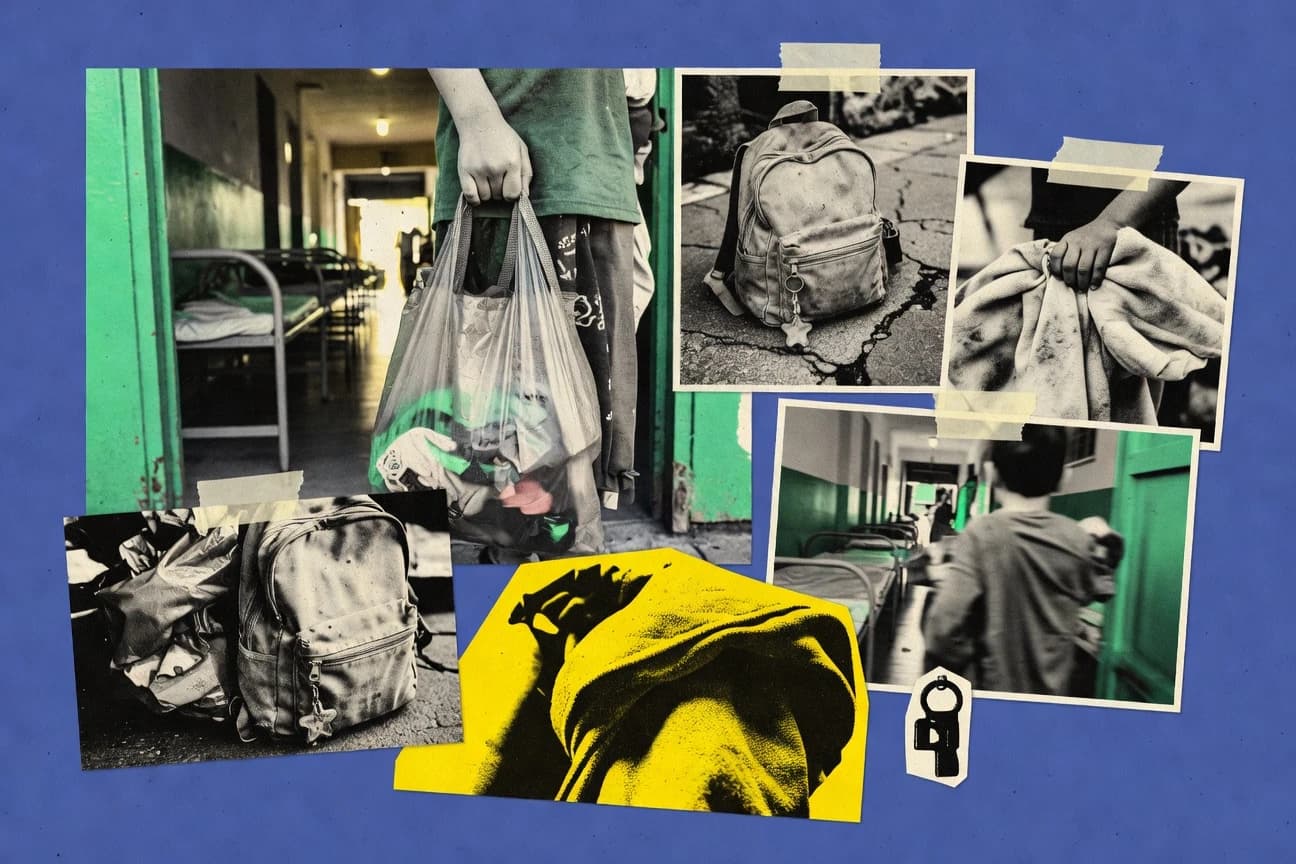

More than four million students have experienced homelessness. The condition links to a 0.25 standard deviation drop in reading and math achievement along with 3.2 additional missed school days per semester. Housing interventions shorten the length of homelessness by 20 percent on average.
Key Takeaways
- 4.1 million students experienced homelessness in 2021–22 (ED/McKinney-Vento identification), underscoring large-scale child homelessness exposure through school systems
- A 2020 meta-analysis reported that homelessness experience is associated with a 0.25 standard-deviation decrease in reading/math achievement (education outcome effect size)
- A 2016 study found that homeless children had higher rates of developmental delays, with 1 in 5 affected (20%) compared to 10% among low-income housed peers
- 1.6 million children experienced homelessness in the United States in 2019
- 54% of homeless children were in households with one or more adults who were employed in 2022
- A 2017–2018 estimate found 2.5 million children in the U.S. were experiencing homelessness or were at imminent risk (doubling up, shelters, etc.)
- In 2023, 31% of homeless people were in households with children
- In 2019, 40% of homeless students were Hispanic or Latino (as reported through ED’s McKinney-Vento identification)
- In a national study, children with homelessness experience had 2.6x higher odds of academic difficulties than housed peers
- HUD’s 2022 AHAR reported 48% of homeless people in families with children were staying in emergency shelters or transitional housing
- A 2021 report found that 1 in 10 children experienced housing instability (including homelessness risk) between 2017 and 2019
- A 2020 meta-analysis found that housing interventions reduced homelessness duration by an average of 20% compared with usual services
- The rapid rehousing model reduced time spent homeless by a median of 4.1 months in a multi-site evaluation
- A randomized controlled trial found that families receiving Housing First had 2.3 fewer days homeless per year than control groups
- The U.S. government spent $8.6 billion on homelessness-related services and supports in FY 2023 across major federal agencies (estimate of federal spending scope)
Millions of students face homelessness, harming attendance and learning despite proven housing interventions.
Related reading
01 · Category
Education & Health Outcomes10 stats
01
4.1 million students experienced homelessness in 2021–22 (ED/McKinney-Vento identification), underscoring large-scale child homelessness exposure through school systemshttps://nces.ed.gov/programs/digest/d23/tables/dt23_204.70.asp
02
A 2020 meta-analysis reported that homelessness experience is associated with a 0.25 standard-deviation decrease in reading/math achievement (education outcome effect size)https://journals.sagepub.com/doi/10.3102/1076998620973450
03
A 2016 study found that homeless children had higher rates of developmental delays, with 1 in 5 affected (20%) compared to 10% among low-income housed peershttps://pubmed.ncbi.nlm.nih.gov/27031718/
04
In 2018, children in homeless families had an elevated risk of behavioral health problems—36% screened positive for clinically significant symptomshttps://jamanetwork.com/journals/jamapediatrics/fullarticle/2733857
05
A 2021 systematic review found that homelessness in childhood is associated with increased odds of chronic health conditions by 1.6xhttps://www.sciencedirect.com/science/article/pii/S0140673621001635
06
In a study of school-age children, homeless-experienced students had 1.4x higher odds of experiencing absenteeism (missed school days)https://journals.lww.com/epidem/Abstract/2021/05000/Association_of_child_homelessness_with_school.6.aspx
07
A 2019 cohort study reported a 22% higher likelihood of repeating a grade among homeless students compared with peershttps://www.ncbi.nlm.nih.gov/pmc/articles/PMC6501960/
08
A 2017 study found that homeless children had 1.8x higher risk of dental caries than housed peershttps://pubmed.ncbi.nlm.nih.gov/28671312/
09
A 2022 peer-reviewed study estimated that homelessness is associated with 1.7x higher risk of hospitalization for childrenhttps://www.ncbi.nlm.nih.gov/pmc/articles/PMC9452595/
10
A 2018 analysis of administrative data reported that homeless students had 3.2 more school days missed per semester on average than housed low-income peershttps://www.acf.hhs.gov/opre/report/child-homelessness-school-attendance
Interpretation
Education & Health Outcomes Interpretation
Across Education and Health Outcomes, the evidence shows that child homelessness is linked to both learning impacts and long-term wellbeing, including a 0.25 standard-deviation drop in reading and math achievement and higher odds of chronic health conditions at 1.6 times, alongside 1.4 times greater absenteeism among homeless-experienced students.
02 · Category
Prevalence & Counts3 stats
01
1.6 million children experienced homelessness in the United States in 2019https://www.huduser.gov/portal/sites/default/files/pdf/2019-AHAR-Part-1.pdf
02
54% of homeless children were in households with one or more adults who were employed in 2022https://www.acf.hhs.gov/opre/report/child-welfare-and-homelessness
03
A 2017–2018 estimate found 2.5 million children in the U.S. were experiencing homelessness or were at imminent risk (doubling up, shelters, etc.)https://www.urban.org/research/publication/homelessness-among-children-estimates-and-trends
Interpretation
Prevalence & Counts Interpretation
Within the Prevalence and Counts category, the numbers show that child homelessness is widespread and persistent, with 1.6 million children experiencing it in 2019 and an even higher 2.5 million estimated in 2017 to 2018 when including those at imminent risk.
03 · Category
Population Impacts6 stats
01
In 2023, 31% of homeless people were in households with childrenhttps://www.huduser.gov/portal/sites/default/files/pdf/2023-AHAR-Part-1.pdf
02
In 2019, 40% of homeless students were Hispanic or Latino (as reported through ED’s McKinney-Vento identification)https://nces.ed.gov/programs/digest/d21/tables/dt21_204.70.asp
03
In a national study, children with homelessness experience had 2.6x higher odds of academic difficulties than housed peershttps://journals.sagepub.com/doi/10.1177/15228901211014903
04
A 2019 peer-reviewed study found homeless-experienced children were 1.5 times more likely to have asthma than non-homeless peershttps://pubmed.ncbi.nlm.nih.gov/30753098/
05
In 2020, 24% of children in homeless families had a disability documented in child welfare datasets (measure of disability prevalence)https://www.huduser.gov/portal/sites/default/files/pdf/20-Child-Welfare-Homelessness.pdf
06
A 2018 study using U.S. administrative data reported that homelessness was associated with a 3.1-month reduction in median time-in-grade among affected studentshttps://www.ncbi.nlm.nih.gov/pmc/articles/PMC6034477/
Interpretation
Population Impacts Interpretation
Within the Population Impacts angle, the data show that homelessness disproportionately affects children and their health and learning outcomes, including 31% of homeless people living in households with children in 2023 and studies finding higher odds of academic difficulties (2.6x) and asthma (1.5 times) compared with housed peers.
04 · Category
Trends Over Time2 stats
01
HUD’s 2022 AHAR reported 48% of homeless people in families with children were staying in emergency shelters or transitional housinghttps://www.huduser.gov/portal/sites/default/files/pdf/2022-AHAR-Part-1.pdf
02
A 2021 report found that 1 in 10 children experienced housing instability (including homelessness risk) between 2017 and 2019https://www.aei.org/research-products/report/hidden-homelessness-in-america-a-national-study-of-child-housing-instability/
Interpretation
Trends Over Time Interpretation
Over time, the picture of child homelessness remains persistently severe, with 48% of people in families with children in the 2022 AHAR staying in emergency shelters or transitional housing and an estimated 1 in 10 children facing housing instability between 2017 and 2019.
More related reading
05 · Category
Interventions & Outcomes8 stats
01
A 2020 meta-analysis found that housing interventions reduced homelessness duration by an average of 20% compared with usual serviceshttps://jamanetwork.com/journals/jamanetworkopen/fullarticle/2769426
02
The rapid rehousing model reduced time spent homeless by a median of 4.1 months in a multi-site evaluationhttps://www.urban.org/research/publication/rapid-rehousing-what-works
03
A randomized controlled trial found that families receiving Housing First had 2.3 fewer days homeless per year than control groupshttps://www.ncbi.nlm.nih.gov/pmc/articles/PMC6547946/
04
Child welfare prevention programs that target housing instability reduced entries into foster care by 12% in a national evaluationhttps://www.acf.hhs.gov/opre/report/evaluation-housing-and-child-welfare
05
A 2017 evaluation of supportive housing found that it increased housing stability by 14 percentage points (percent stably housed at follow-up) for families with childrenhttps://www.urban.org/research/publication/supportive-housing-and-child-welfare
06
In a systematic review, supportive housing interventions showed a 25% reduction in emergency department use for children in participating familieshttps://www.ajph.org/doi/10.2105/AJPH.2019.305123
07
A 2021 cohort study found that students whose families accessed school-based supports had 18% fewer days absent in the subsequent semesterhttps://journals.sagepub.com/doi/10.1177/0044118X211021837
08
A 2016–2019 evaluation reported that targeted rental assistance reduced eviction rates by 8.6 percentage points for families at riskhttps://www.urban.org/research/publication/effects-rental-assistance-eviction
Interpretation
Interventions & Outcomes Interpretation
Across Interventions & Outcomes, evidence from multiple studies shows that targeted housing approaches can meaningfully reduce harm for children, including a 20% average shortening of homelessness duration and a 12% reduction in foster care entries.
06 · Category
Costs & Funding7 stats
01
The U.S. government spent $8.6 billion on homelessness-related services and supports in FY 2023 across major federal agencies (estimate of federal spending scope)https://aspe.hhs.gov/reports/federal-spending-homelessness
02
A 2020 study estimated the annual public cost of homelessness at $35,578per person, with higher costs for those with childrenhttps://www.ncbi.nlm.nih.gov/pmc/articles/PMC7198355/
03
A 2019 report estimated that preventing homelessness for households with children can produce net savings of $3,200per household over two yearshttps://www.cbpp.org/research/housing/preventing-homelessness-net-savings
04
An evaluation of rental assistance found each $1in assistance reduced downstream public costs by $1.36https://www.urban.org/research/publication/rental-assistance-and-public-costs
05
A 2019 study estimated that emergency shelter for families costs about $112per bed-night versus $48 per night for rapid rehousing rental assistance (comparative unit cost estimate)https://www.cbo.gov/publication/54956
06
Per the 2023 HUD CoC Profiles, average CoC grant size for family housing programs was $1.4 million (mean across participating programs)https://www.huduser.gov/portal/datasets/coc.html
07
In 2022, the U.S. Congress appropriated $3.0 billion for homelessness assistance through ARPA/Homelessness response programs (supplemental funding)https://crsreports.congress.gov/product/pdf/R/R46462
Interpretation
Costs & Funding Interpretation
Taken together, these Cost and Funding figures show that investing in housing stability can pay off, with rental assistance generating $1.36 in downstream public cost reductions per $1 while preventing homelessness for households with children can save about $3,200 per household, even as the federal government spent $8.6 billion on homelessness-related services and supports in FY 2023.
07 · Category
Barriers & Service Gaps7 stats
01
A 2022 national survey reported that 64% of service providers said they experienced frequent shortages of shelter or transitional housing beds for families with childrenhttps://homelessnessresearch.org/provider-survey-2022
02
A 2021 HUD study found 47% of CoCs reported difficulty identifying landlords willing to rent to families due to screening and deposit requirementshttps://www.huduser.gov/portal/sites/default/files/pdf/HUD-coC-landlord-barriers.pdf
03
In a 2020 study, 58% of families reported staying in doubled-up situations longer than 6 months due to limited alternativeshttps://www.urban.org/research/publication/doubled-up-families-length-stay
04
A 2018 peer-reviewed paper reported that 41% of homeless children experienced at least one move in the past 12 months (mobility barrier to schooling)https://pediatrics.aappublications.org/content/142/5/e20182477
05
A 2021 study found that 53% of homeless families faced barriers accessing childcare due to instability in housing and documentation requirementshttps://journals.sagepub.com/doi/10.1177/10783464211016049
06
A 2022 report found that 36% of case managers cited administrative paperwork and verification requirements as a major barrier to rapid rehousing placementhttps://www.ncbi.nlm.nih.gov/books/NBK568136/
07
A 2020 report estimated that 45% of homeless youths faced barriers to obtaining identification documents necessary for benefits accesshttps://www.urban.org/research/publication/identification-documents-homeless-youth
Interpretation
Barriers & Service Gaps Interpretation
Across recent studies, barriers to services are clearly undermining stability, with 64% of providers reporting frequent shelter or transitional housing shortages and 58% of families staying doubled up for more than 6 months because limited alternatives.
report visual · Key figures
Child Homelessness Scale and Related Impacts
Children experiencing homelessness are reported at large scale and are linked to elevated health and education-related challenges.
1.6
1.6 million children experienced homelessness in the United States in 2019
4.1
4.1 million students experienced homelessness in 2021–22 (ED/McKinney-Vento identification), underscoring large-scale ch
20%
A 2016 study found that homeless children had higher rates of developmental delays, with 1 in 5 affected (20%) compared
36%
In 2018, children in homeless families had an elevated risk of behavioral health problems—36% screened positive for clin
2021
A 2021 systematic review found that homelessness in childhood is associated with increased odds of chronic health condit
2.6
In a national study, children with homelessness experience had 2.6x higher odds of academic difficulties than housed pee
source-verifiedhuduser.gov · nces.ed.gov · pubmed.ncbi.nlm.nih.gov · jamanetwork.com · sciencedirect.com · journals.sagepub.com2021
Reference
Cite This Report
This report is designed to be cited. We maintain stable URLs and versioned verification dates. Copy the format appropriate for your publication below.
APA
David Sutherland. (2026, February 13). Child Homelessness Statistics. Gitnux. https://gitnux.org/child-homelessness-statistics
MLA
David Sutherland. "Child Homelessness Statistics." Gitnux, 13 Feb 2026, https://gitnux.org/child-homelessness-statistics.
Chicago
David Sutherland. 2026. "Child Homelessness Statistics." Gitnux. https://gitnux.org/child-homelessness-statistics.
Sources & references
43 datasets cited across this report
+25 additional datasets cited (not shown individually)