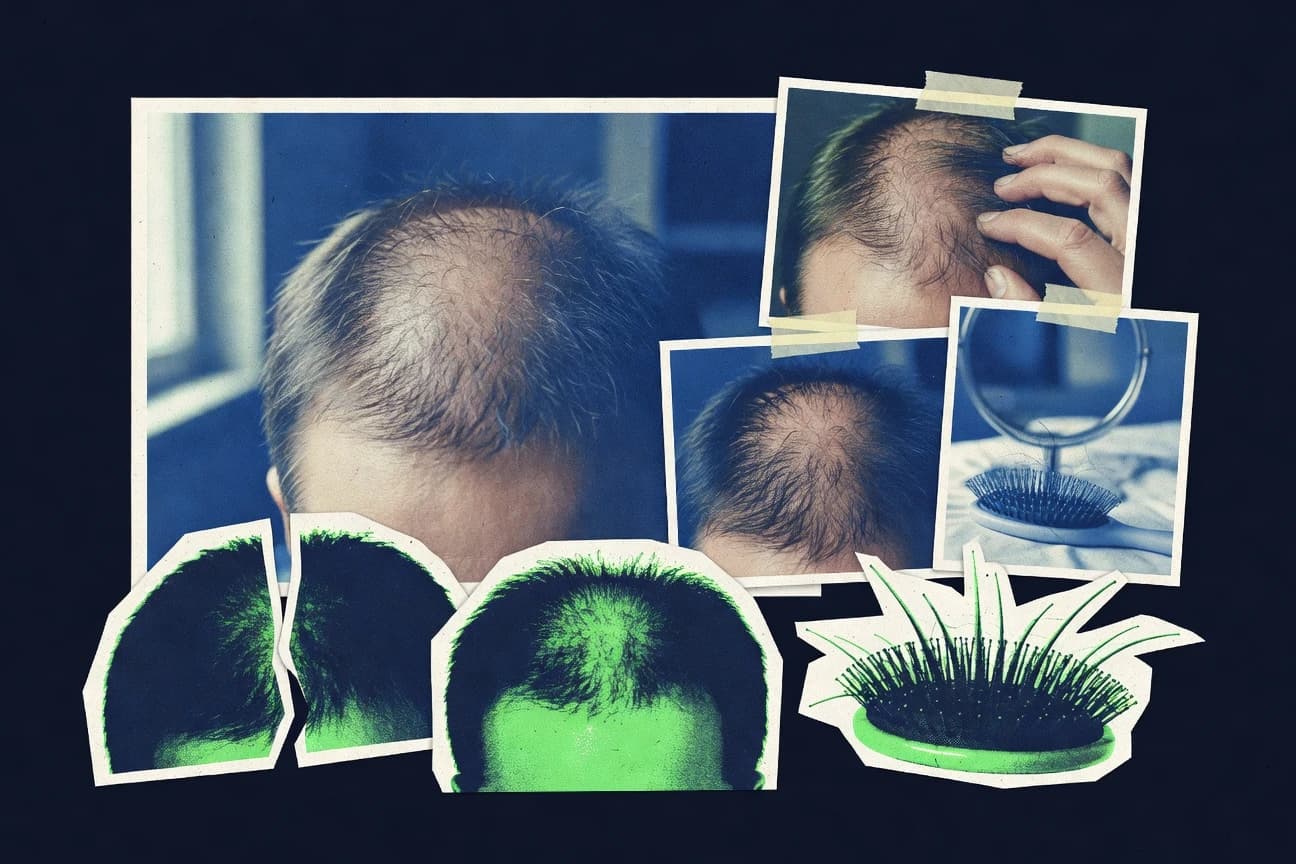

About 2% of people worldwide will develop alopecia areata at some point, and in the United States that translates to roughly 6.8 million individuals. Yet the pattern is anything but uniform, from childhood onsets to a second surge in early adulthood, plus a wide spread in relapse rates and related risks. This post pulls together the key statistics across regions, ages, and subtypes so you can see exactly where alopecia is most common and where the surprises start.
Key Takeaways
- Approximately 2% of the global population will experience alopecia areata at some point in their lifetime
- In the United States, alopecia areata affects about 6.8 million people, representing roughly 2% of the population
- The incidence rate of alopecia areata is 20.9 per 100,000 person-years in the UK primary care database from 1997-2017
- 50% of limited alopecia areata spontaneously regrows within 1 year without treatment
- Alopecia totalis/universalis has <10% chance of full spontaneous recovery
- Relapse rate after treatment in alopecia areata is 39-86% within 1-5 years
- Patchy alopecia areata presents with well-circumscribed round patches of non-scarring hair loss
- Exclamation mark hairs are tapered distal ends diagnostic of alopecia areata on trichoscopy
- Yellow dots on dermoscopy indicate dystrophic anagen follicles in alopecia areata
- Topical corticosteroids induce regrowth in 60-70% of mild alopecia areata patches
- Intralesional triamcinolone acetonide (2.5-5 mg/mL) achieves 70% response in alopecia areata
- Minoxidil 5% topical twice daily stabilizes androgenetic alopecia in 40% men after 48 weeks
- Alopecia areata is an autoimmune disorder targeting hair follicles via CD8+ T cells
- Androgenetic alopecia results from dihydrotestosterone (DHT) miniaturization of follicles via androgen receptor
- Alopecia areata universalis involves >98% scalp and body hair loss due to extensive autoimmunity
Alopecia areata affects about 2% worldwide, with millions in the US and often significant quality of life impact.
Related reading
01 · Category
Epidemiology30 stats
01
Approximately 2% of the global population will experience alopecia areata at some point in their lifetime
02
In the United States, alopecia areata affects about 6.8 million people, representing roughly 2% of the population
03
The incidence rate of alopecia areata is 20.9 per 100,000 person-years in the UK primary care database from 1997-2017
04
Alopecia areata shows a bimodal age distribution with peaks at 5-9 years and 30-49 years in a Japanese cohort study
05
Prevalence of alopecia totalis or universalis is 1 in 10,000 individuals worldwide
06
In Olmsted County, Minnesota, the incidence of alopecia areata increased from 11.4 to 20.2 per 100,000 between 1975-1984 and 2005-2014
07
Females account for 60.6% of alopecia areata cases in a large US claims database analysis
08
The familial aggregation rate for alopecia areata is 10-42% among first-degree relatives
09
Alopecia areata prevalence is higher in patients with Down syndrome, at 8.8% compared to 1.7% in controls
10
In a Korean study, the annual incidence of alopecia areata was 0.1% from 2011-2015
11
Pediatric alopecia areata incidence is 13.2 per 100,000 person-years in US children
12
Alopecia areata is associated with atopic dermatitis in 40% of pediatric cases
13
Global prevalence of androgenetic alopecia is 50% in men and 40% in women by age 50
14
In Europe, 28% of men aged 25-34 have moderate to extensive androgenetic alopecia
15
Traction alopecia prevalence among African American women using chemical relaxers is 32%
16
Central centrifugal cicatricial alopecia affects 2.7-5.6% of African American women in community surveys
17
Lichen planopilaris incidence is 0.04% in a UK primary care cohort of 6 million
18
Frontal fibrosing alopecia prevalence has risen 4-fold in the last decade in Australia
19
Alopecia neoplastica occurs in 3-12% of metastatic breast cancer patients
20
Syphilitic alopecia prevalence is 7% among secondary syphilis cases
21
Tinea capitis incidence in urban US children is 3-8% in high-risk groups
22
Anagen effluvium occurs in 65% of chemotherapy patients within 1-4 weeks
23
Telogen effluvium affects 30-50% of postpartum women within 3 months
24
Alopecia areata incidence is 2.1-fold higher in patients with vitiligo
25
In a Danish registry, alopecia areata risk is elevated 4.3 times in thyroid disease patients
26
Prevalence of alopecia mucinosa is 0.2-0.9% among primary cutaneous lymphomas
27
Discoid lupus erythematosus scalp involvement leads to alopecia in 50-60% of cases
28
Psoriatic alopecia prevalence is 40-50% in scalp psoriasis patients
29
Acne keloidalis nuchae causes scarring alopecia in 45% of affected African descent males
30
Folliculitis decalvans incidence is rare at 1.9 cases per million annually in France
Interpretation
Epidemiology Interpretation
While statistically uncommon as a whole, alopecia proves remarkably common in the sense that it touches virtually every demographic, revealing a surprisingly democratic distribution of hair loss across ages, genders, geographies, and even health conditions.
02 · Category
Prognosis and Impact29 stats
01
50% of limited alopecia areata spontaneously regrows within 1 year without treatment
02
Alopecia totalis/universalis has <10% chance of full spontaneous recovery
03
Relapse rate after treatment in alopecia areata is 39-86% within 1-5 years
04
Androgenetic alopecia progresses relentlessly without intervention in 95% cases
05
Traction alopecia is reversible in early stages (Ponytail grade I) with 90% regrowth
06
Central centrifugal cicatricial alopecia stabilizes in 60% with early cessation of relaxers
07
Lichen planopilaris progresses to 50% eyebrow loss in 5 years despite treatment
08
Frontal fibrosing alopecia advances 1 cm/year on average in scalp recession
09
Post-chemotherapy anagen effluvium fully regrows in 95% within 6 months
10
Chronic telogen effluvium persists >6 months in 40% without identifying trigger
11
Alopecia areata patients have 2.5-fold increased risk of anxiety disorders
12
66% of alopecia areata patients report significant quality of life impairment
13
Depression prevalence 30% higher in female androgenetic alopecia vs controls
14
Annual economic burden of androgenetic alopecia treatments exceeds $3.5 billion in US
15
Skindex-16 scores show severe impact in 40% extensive alopecia areata patients
16
Body image dissatisfaction in 82% adolescent girls with traction alopecia
17
Suicide ideation risk 4-fold elevated in severe alopecia universalis
18
Mean DLQI score 8.5 in alopecia areata, correlating with extent of hair loss
19
Workplace discrimination reported by 25% male androgenetic alopecia sufferers
20
Familial alopecia areata recurrence risk 5-10 times higher than general population
21
Pediatric alopecia areata remits spontaneously in 50% by adulthood
22
Cicatricial alopecias irreversible once fibrosis destroys 70% follicles
23
Postpartum telogen effluvium resolves in 90% by 9 months without intervention
24
JAK inhibitor relapse after discontinuation 50% within 6 months in AA trials
25
Social stigma leads to 35% avoidance of social activities in AA patients
26
Healthcare costs for alopecia areata average $500-2000 per patient annually in US
27
Eyebrow loss in frontal fibrosing alopecia affects 80% and impacts facial recognition
28
Trichotillomania remission rates 40% with habit reversal therapy long-term
29
Lifetime risk of progression from patchy AA to AT/AU is 7-30%
Interpretation
Prognosis and Impact Interpretation
Hair loss, in its many relentless forms, tells a story where the odds of regrowth are often a coin toss, but the emotional and financial toll is a near certainty.
03 · Category
Symptoms and Diagnosis27 stats
01
Patchy alopecia areata presents with well-circumscribed round patches of non-scarring hair loss
02
Exclamation mark hairs are tapered distal ends diagnostic of alopecia areata on trichoscopy
03
Yellow dots on dermoscopy indicate dystrophic anagen follicles in alopecia areata
04
Cadaverized hairs appear as short regrowing vellus-like hairs in resolving alopecia areata
05
Trichotillomania shows broken hairs of variable length and trichoptilosis on pull test
06
Perifollicular scaling and erythema hallmark lichen planopilaris on clinical exam
07
Norwood-Hamilton scale grades male androgenetic alopecia from I (minimal) to VII (extensive)
08
Ludwig scale classifies female pattern hair loss in three stages of central thinning
09
Positive pull test (>6 hairs) diagnostic for active telogen effluvium
10
Dermoscopy in traction alopecia reveals absent follicular openings and ingrown hairs
11
Tufted hairs and perifollicular fibrosis on biopsy confirm folliculitis decalvans
12
Flame hairs and coiled hairs characteristic of trichotillomania on trichoscopy
13
Wood's lamp shows fluorescent green hairs in Microsporum tinea capitis
14
Horizontal scalp biopsy needed for cicatricial alopecia to assess 20-30 follicles
15
Serum ferritin <30 mcg/L correlates with chronic telogen effluvium in 80% females
16
Anti-thyroid antibodies positive in 24% of alopecia areata patients vs 10% controls
17
Nail pitting occurs in 10-20% of alopecia areata cases, especially extensive forms
18
Boggy scalp with pustules indicates dissecting cellulitis of scalp
19
Violaceous patches with follicular papules diagnostic of discoid lupus scalp lesions
20
Moth-eaten pattern of hair loss classic for syphilitic alopecia
21
Perifollicular mucin deposition on biopsy confirms alopecia mucinosa
22
Increased vellus hairs >20% on phototrichogram indicate androgenetic alopecia
23
Black dots on dermoscopy signify trichorrhexis nodosa in traction alopecia
24
Speckled white areas and loss of follicular orifices in frontal fibrosing alopecia dermoscopy
25
Serum zinc <70 mcg/dL found in 30% chronic telogen effluvium patients
26
Patch test for contact dermatitis causing alopecia shows positive reactions in 15% cases
27
Scalp biopsy in central centrifugal cicatricial alopecia shows premature desquamation
Interpretation
Symptoms and Diagnosis Interpretation
The bald truth, doctor, is that hair loss presents a gallery of microscopic horrors—from the 'exclamation mark' of betrayal in alopecia areata and the 'moth-eaten' scalp of syphilis, to the forensic evidence of broken hairs in trichotillomania and the silent scarring of folliculitis decalvans—each requiring its own Sherlock Holmes with a dermoscope and biopsy punch to decode the follicular crime scene.
More related reading
04 · Category
Treatments and Management25 stats
01
Topical corticosteroids induce regrowth in 60-70% of mild alopecia areata patches
02
Intralesional triamcinolone acetonide (2.5-5 mg/mL) achieves 70% response in alopecia areata
03
Minoxidil 5% topical twice daily stabilizes androgenetic alopecia in 40% men after 48 weeks
04
Finasteride 1 mg daily increases hair count by 9% in male pattern baldness at 2 years
05
Dutasteride 0.5 mg superior to finasteride with 96 hairs/cm² gain vs 72 in 24 weeks
06
Low-level laser therapy (LLLT) devices improve hair density by 17-25 hairs/cm² in AGA
07
Platelet-rich plasma (PRP) injections yield 30% hair density increase in alopecia areata at 3 months
08
Baricitinib 4 mg twice daily results in SALT score improvement ≥50% in 36% severe AA patients
09
Ritlecitinib (JAK3 inhibitor) achieves 23% scalp hair coverage ≥80% in phase 3 trials
10
Topical immunotherapy with DPCP induces >50% regrowth in 60% extensive alopecia areata
11
Anthralin 1% ointment contact sensitization therapy effective in 50-60% pediatric AA
12
Methotrexate 15-25 mg weekly leads to 30-40% response in severe alopecia totalis
13
Cyclosporine 5 mg/kg/day regrowth in 47% alopecia areata but high relapse on cessation
14
Microneedling with 5% minoxidil enhances hair regrowth by 50% vs minoxidil alone in AA
15
Oral minoxidil 5 mg daily increases hair density 30-40% in female pattern hair loss
16
Spironolactone 200 mg daily stabilizes FPHL in 74% women after 12 months
17
Hair transplantation (FUE) achieves 80-90% graft survival in stable androgenetic alopecia
18
Clobetasol propionate 0.05% foam under occlusion regrows 71% mild AA patches
19
Excimer laser 308 nm induces 75% moderate regrowth in 12 sessions for AA
20
Botulinum toxin A scalp injections reduce traction alopecia pain and promote regrowth in 60%
21
Doxycycline 100 mg daily halts progression in 70% frontal fibrosing alopecia cases
22
Hydroxychloroquine 400 mg daily stabilizes lichen planopilaris in 50-60% patients
23
Rifampicin/minocycline/ofloxacin combo cures 80% folliculitis decalvans after 10 weeks
24
Griseofulvin 20 mg/kg/day cures 90% tinea capitis in 8-12 weeks
25
Iron supplementation resolves telogen effluvium in 70% women with ferritin <40 ng/mL
Interpretation
Treatments and Management Interpretation
While our arsenal against hair loss boasts an impressive range of tactical options—from topical squads and oral battalions to high-tech laser units and cellular reinforcements—it's clear we're fighting a series of specialized skirmishes rather than winning a single decisive war.
05 · Category
Types and Causes26 stats
01
Alopecia areata is an autoimmune disorder targeting hair follicles via CD8+ T cells
02
Androgenetic alopecia results from dihydrotestosterone (DHT) miniaturization of follicles via androgen receptor
03
Alopecia areata universalis involves >98% scalp and body hair loss due to extensive autoimmunity
04
Traction alopecia is caused by chronic tension from tight hairstyles damaging follicle stem cells
05
Central centrifugal cicatricial alopecia linked to PTEN gene mutations and hair straightening chemicals
06
Lichen planopilaris is a lymphocytic primary cicatricial alopecia with perifollicular lichenoid inflammation
07
Frontal fibrosing alopecia associated with androgen excess and environmental triggers like sunscreens
08
Anagen effluvium caused by cytotoxic agents disrupting mitotic activity in hair matrix
09
Telogen effluvium triggered by physiological stress shifting 30%+ follicles prematurely to telogen
10
Alopecia mucinosa due to mucin deposition around follicles from T-cell lymphoma
11
Ophiasis alopecia areata pattern involves band-like loss along occipital and temporal margins
12
Diffuse alopecia areata mimics telogen effluvium with non-scarring thinning
13
HLA-DRB1*11:04 allele increases alopecia areata risk by 3.25 odds ratio
14
PTPN22 gene polymorphism R620W associated with 1.8-fold increased alopecia areata susceptibility
15
JAK-STAT pathway dysregulation central to alopecia areata pathogenesis via IFN-gamma signaling
16
Mechanical trauma from trichotillomania causes catagen/telogen dystrophic hairs
17
Nutritional deficiencies like iron (ferritin <40 ng/mL) precipitate telogen effluvium in 72% cases
18
Autoimmune polyglandular syndrome type 1 includes alopecia areata in 20-40% due to AIRE mutations
19
Discoid lupus erythematosus causes scarring alopecia via interface dermatitis and basement membrane thickening
20
Folliculitis decalvans mediated by Staphylococcus aureus superantigens
21
Acne keloidalis nuchae involves follicular occlusion and keloidal scarring from inflammation
22
Psoriatic alopecia from epidermal hyperplasia compressing follicular infundibula
23
Syphilitic alopecia due to Treponema pallidum invasion of follicular epithelium
24
Tinea capitis caused by dermatophytes like Trichophyton tonsurans in 90% urban US cases
25
Alopecia neoplastica from metastatic tumor cells seeding hair follicles
26
Scarring alopecia in morphea from perifollicular sclerosis and loss of stem cells
Interpretation
Types and Causes Interpretation
From the treachery of T-cells targeting follicles to DHT's miniaturizing mischief and the slow burn of chemical inflammation, hair loss proves that an absurd number of biological systems can declare a personal war on your head.
Reference
Cite This Report
This report is designed to be cited. We maintain stable URLs and versioned verification dates. Copy the format appropriate for your publication below.
APA
Karl Becker. (2026, February 13). Alopecia Statistics. Gitnux. https://gitnux.org/alopecia-statistics
MLA
Karl Becker. "Alopecia Statistics." Gitnux, 13 Feb 2026, https://gitnux.org/alopecia-statistics.
Chicago
Karl Becker. 2026. "Alopecia Statistics." Gitnux. https://gitnux.org/alopecia-statistics.
Sources & references
6 datasets cited across this report