
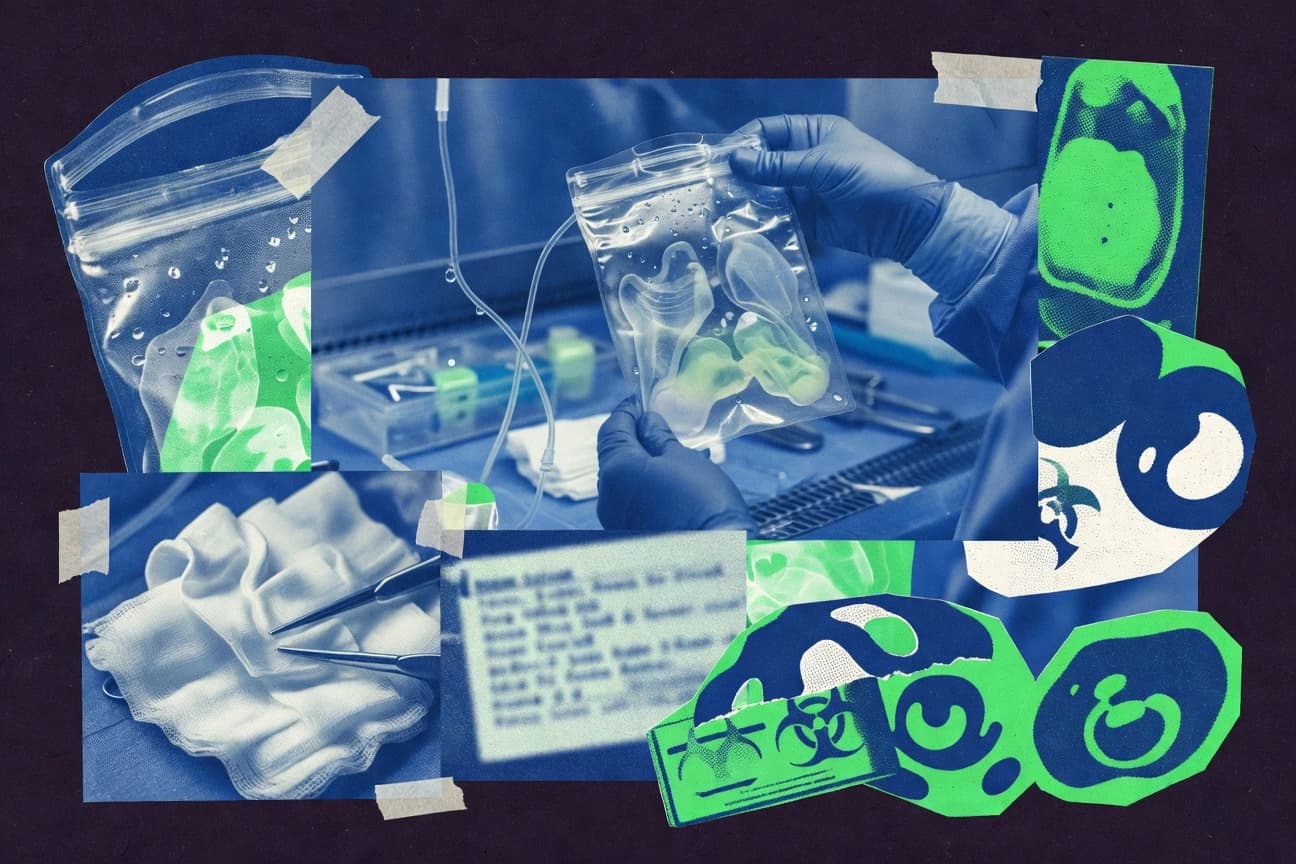

Transplant success depends on what happens before surgery and what comes next. This page examines U.S. kidney and organ pathways, including how allocation policy changes from 2014 affected equity and waiting. You’ll see key performance measures such as waiting time, organ discard, early complications like acute rejection, and longer-term graft survival. We also cover major drivers of results and costs, from immunosuppression to machine perfusion.
Key Takeaways
- 62% of kidney transplants in the U.S. were from deceased donors in 2023
- The U.S. OPTN implemented kidney allocation policy changes in 2014; follow-up analyses report improved equity metrics (notably for pediatric candidates) with measurable reductions in waiting time disparities
- Pediatric kidney transplant candidates had a median waiting time of 1.3 years after allocation policy updates (U.S. evaluation)
- 2.2% of organ transplant candidates in the U.S. died while waiting in 2023
- 48% of potential organ donors were not able to donate due to medical unsuitability in the U.S. (2017–2022 average)
- Acute rejection occurs in about 20% to 30% of kidney transplant recipients within the first year (modern immunosuppression era)
- Long-term graft survival for pancreas transplants is commonly reported around 80% at 1 year and 65% at 3–5 years in major series
- In a 2020 systematic review, living-donor kidney transplant was associated with improved survival compared with deceased-donor kidney transplant (pooled HR ~0.6 to 0.7)
- $200,000 average total cost of kidney transplant in the U.S. (index hospitalization plus first-year care)
- Lifetime cost savings from kidney transplantation versus dialysis were estimated at about $3.0 million per person (U.S. perspective, published model)
- Hospital readmissions within 30 days after kidney transplant were 10.8% in a U.S. national cohort study
- 17% of organ transplant recipients in the U.S. used biologic immunosuppressive therapy (e.g., belatacept) in 2022
- Belatacept is associated with improved kidney function vs cyclosporine in a randomized trial (5-year data showing ~10–15 mL/min/1.73 m2 advantage)
- Machine perfusion is used in roughly 30% of deceased-donor kidney transplants in the U.S. (2023 estimates)
In 2023, 62% of US kidney transplants came from deceased donors, alongside shorter equity gains and ongoing waitlist losses.
Related reading
01 · Category
Policy & Trends10 stats
01
62% of kidney transplants in the U.S. were from deceased donors in 2023
02
The U.S. OPTN implemented kidney allocation policy changes in 2014; follow-up analyses report improved equity metrics (notably for pediatric candidates) with measurable reductions in waiting time disparities
03
Pediatric kidney transplant candidates had a median waiting time of 1.3 years after allocation policy updates (U.S. evaluation)
04
In the U.S., the 2019–2021 OPTN data showed a 25% reduction in organ discard for kidneys associated with increased use of expanded criteria donor utilization (policy-era effect)
05
The U.S. federal matching rate for organ procurement activities is 80% under Medicare reimbursement rules (as specified in CMS guidance)
06
The U.S. 21st Century Cures Act requires interoperability for patient data exchange; this supports transplant center coordination for electronic health records (policy requirement)
07
UNOS/OPTN uses standardized reporting; the OPTN “national data” dataset includes 30+ distinct metrics for organ transplant outcomes
08
Countries using opt-out consent systems tend to have higher donation rates; a 2012 systematic review found a median increase of about 25% in donation rates in opt-out jurisdictions
09
In a 2016 multicountry analysis, opt-out policies increased the deceased donor rate by approximately 25% compared with opt-in (pooled estimate)
10
As of 2024, more than 50 countries have adopted some form of presumed consent (opt-out) for organ donation (policy mapping survey)
Interpretation
Policy & Trends Interpretation
Policy changes are measurably reshaping transplant outcomes in the U.S., with deceased donors accounting for 62% of kidney transplants in 2023 and post allocation reforms linked to a 25% reduction in discarded kidneys during 2019 to 2021 while improving equity for pediatric candidates.
02 · Category
Supply & Demand2 stats
01
2.2% of organ transplant candidates in the U.S. died while waiting in 2023
02
48% of potential organ donors were not able to donate due to medical unsuitability in the U.S. (2017–2022 average)
Interpretation
Supply & Demand Interpretation
Even though only 2.2% of U.S. transplant candidates died waiting in 2023, the gap between supply and demand remains stark because an average of 48% of potential donors could not donate due to medical unsuitability.
03 · Category
Outcomes4 stats
01
Acute rejection occurs in about 20% to 30% of kidney transplant recipients within the first year (modern immunosuppression era)
02
Long-term graft survival for pancreas transplants is commonly reported around 80% at 1 year and 65% at 3–5 years in major series
03
In a 2020 systematic review, living-donor kidney transplant was associated with improved survival compared with deceased-donor kidney transplant (pooled HR ~0.6 to 0.7)
04
In a 2021 review, machine perfusion for deceased donor kidneys reduced delayed graft function by about 30% versus static cold storage in pooled analyses
Interpretation
Outcomes Interpretation
Across transplant outcomes, modern approaches still leave meaningful early risk with acute kidney rejection at about 20% to 30% in the first year, while improvements like living-donor selection and machine perfusion are associated with better longer-term success such as pancreas graft survival around 80% at 1 year and 65% at 3 to 5 years, reinforcing that outcomes improve most when technique and donor factors reduce early complications.
More related reading
04 · Category
Cost & Economics9 stats
01
$200,000average total cost of kidney transplant in the U.S. (index hospitalization plus first-year care)
02
Lifetime cost savings from kidney transplantation versus dialysis were estimated at about $3.0 million per person (U.S. perspective, published model)
03
Hospital readmissions within 30 days after kidney transplant were 10.8% in a U.S. national cohort study
04
Immunosuppressive drug costs are among the largest long-term cost drivers after transplant, accounting for roughly 20%–30% of post-transplant costs in U.S. cost analyses
05
A 2022 study estimated that optimizing organ procurement processes reduced avoidable wastage costs by $25–$40 million annually in the U.S.
06
$18,000median cost per organ procurement organization (OPO) service episode in a U.S. cost study
07
$150,000average hospital cost for lung transplant hospitalization in the U.S. (index hospitalization)
08
$350,000average total cost for liver transplant including first year in the U.S. (cost-model estimate)
09
$45,000average cost per corneal transplant procedure in the U.S.
Interpretation
Cost & Economics Interpretation
From a cost and economics perspective, kidney transplantation appears to require about $200,000 in average upfront total spending in the U.S., yet it can generate roughly $3.0 million in lifetime savings versus dialysis while ongoing expenses remain heavily shaped by immunosuppressive drugs that make up about 20% to 30% of post transplant costs.
05 · Category
Technology & Practice11 stats
01
17% of organ transplant recipients in the U.S. used biologic immunosuppressive therapy (e.g., belatacept) in 2022
02
Belatacept is associated with improved kidney function vs cyclosporine in a randomized trial (5-year data showing ~10–15 mL/min/1.73 m2 advantage)
03
Machine perfusion is used in roughly 30% of deceased-donor kidney transplants in the U.S. (2023 estimates)
04
Synthetically engineered corneal tissue (tissue equivalents) has reached clinical use in at least 3 product categories worldwide as of 2024
05
Donor-specific antibody (DSA) testing is performed in nearly all centers for transplant candidates for highly sensitized patients (high utilization; standard-of-care guidance)
06
Kidney transplant candidates with positive DSA have substantially higher antibody-mediated rejection risk; one review reports odds ratios ranging roughly 2–5
07
Kidney donor management with viability assessment reduces discard rates by about 10% in modeled studies
08
Rapid turnaround HLA typing can be completed within 6–12 hours using next-generation sequencing platforms in clinical validation studies
09
eGFR-based management protocols reduce missed transplant eligibility opportunities by 15–25% in retrospective implementation studies
10
Telemedicine follow-up for transplant recipients increased visit adherence by about 20% in randomized trials of remote monitoring programs (2020–2022)
11
HLA antibody risk stratification models improved prediction of rejection with AUC values around 0.70–0.80 in validation cohorts
Interpretation
Technology & Practice Interpretation
In the Technology & Practice landscape of transplantation, uptake of newer immunosuppressive approaches like biologics is still limited at 17% in 2022 while precision tools such as machine perfusion in about 30% of deceased-donor kidney transplants and near-universal DSA testing for highly sensitized patients show how clinical practice is increasingly using technology to manage higher risk.
Reference
Cite This Report
This report is designed to be cited. We maintain stable URLs and versioned verification dates. Copy the format appropriate for your publication below.
APA
Emilia Santos. (2026, February 13). Transplants Statistics. Gitnux. https://gitnux.org/transplants-statistics
MLA
Emilia Santos. "Transplants Statistics." Gitnux, 13 Feb 2026, https://gitnux.org/transplants-statistics.
Chicago
Emilia Santos. 2026. "Transplants Statistics." Gitnux. https://gitnux.org/transplants-statistics.
Sources & references
36 datasets cited across this report · attribution is report-level
+27 additional datasets cited (not shown individually)