
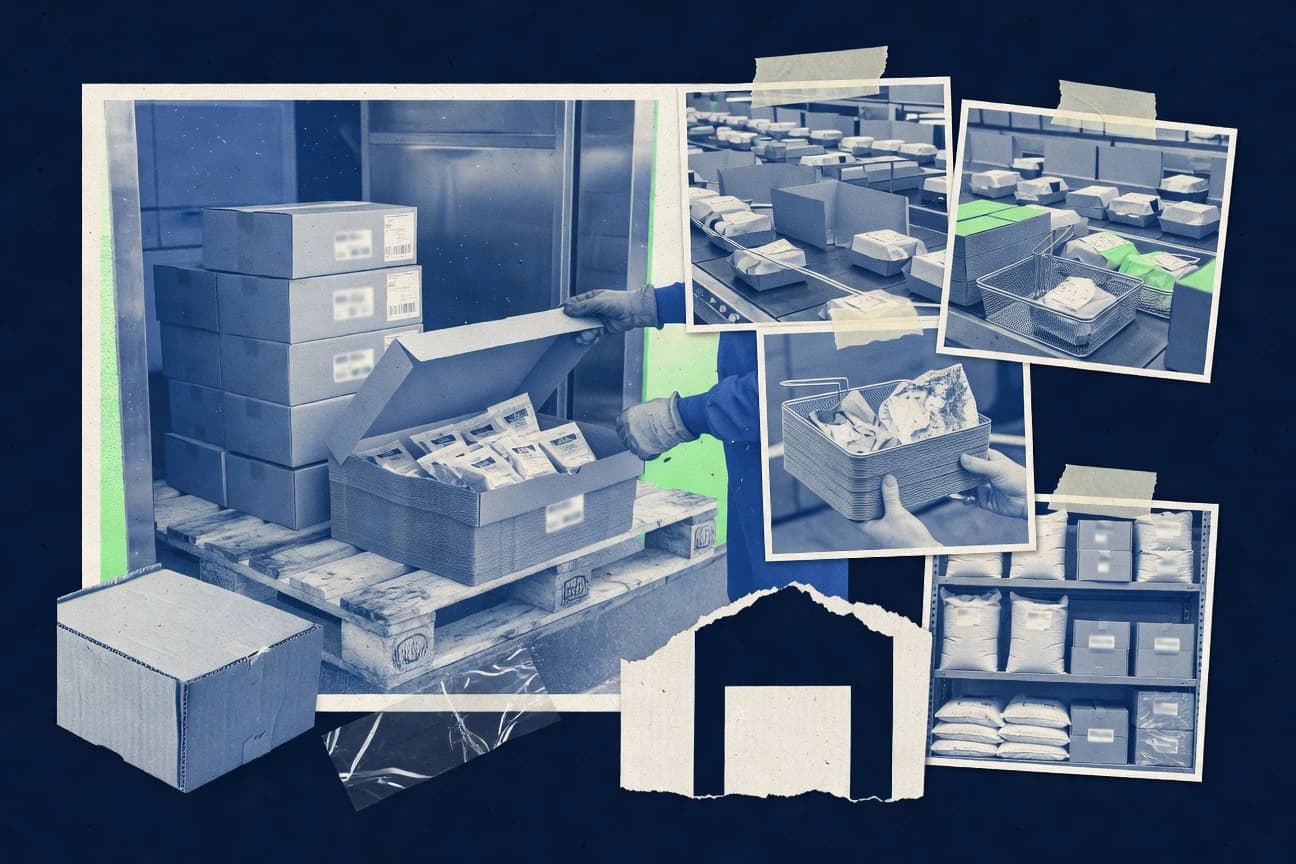

The global fast food logistics market is valued at $150 billion. It moves billions of pounds of food daily, yet 40 percent of delays are caused by supplier shortages. These statistics reveal the scale and fragility of the systems delivering your meal.
Key Takeaways
- Fast food logistics market valued at $150 billion in 2023.
- McDonald's delivers 5 billion pounds of food via 200 distribution centers worldwide.
- US fast food chains use refrigerated trucks for 70% of produce transport.
- McDonald's procures 1.9 billion pounds of potatoes annually from US suppliers.
- Global fast food industry sources 20% of world's chicken production.
- Burger King sources 60 million pounds of tomatoes yearly for Whopper.
- Fast food supply chains face 15% disruption risk from weather events annually.
- 40% of fast food delays stem from supplier shortages in 2023.
- McDonald's mitigated 2022 shortages by diversifying 30% of suppliers.
- McDonald's global supply chain involves over 1,200 approved suppliers for key ingredients like beef and potatoes.
- In 2022, Yum! Brands reported that 98% of its chicken supply came from suppliers audited for animal welfare standards.
- Subway partners with over 200 tomato suppliers in the US, ensuring year-round availability through regional sourcing.
- McDonald's reduced Scope 3 emissions by 30% through sustainable sourcing.
- 75% of fast food chains aim for net-zero supply chains by 2050.
- Chipotle sources 100% responsibly raised pork.
Fast food logistics relies on vast cold chain networks, but disruptions and shortages still drive costly delays.
Related reading
01 · Category
Distribution and Logistics20 stats
01
Fast food logistics market valued at $150 billion in 2023.
02
McDonald's delivers 5 billion pounds of food via 200 distribution centers worldwide.
03
US fast food chains use refrigerated trucks for 70% of produce transport.
04
Domino's fleet covers 10 million miles daily for ingredient delivery.
05
Yum! Brands operates 1,500 distribution centers globally.
06
Chipotle's just-in-time delivery reduces inventory by 20%.
07
Burger King's cold chain transports 1 billion pounds of beef yearly.
08
Subway's centralized DC model serves 37,000 stores with daily trucks.
09
Wendy's uses 100 regional DCs to cut delivery time to 48 hours.
10
KFC's logistics network handles 2 million cases weekly.
11
Pizza Hut delivers via 800 trucks daily in the US.
12
Taco Bell's supply chain spans 700 trucks for fresh produce.
13
Shake Shack partners with Sysco for 95% logistics coverage.
14
Five Guys relies on US Foods for 80% distribution needs.
15
Chick-fil-A's 50 DCs ensure 24-hour delivery cycles.
16
Popeyes uses 200 refrigerated trailers for chicken transport.
17
Jack in the Box's network reduces fuel use by 10% via route optimization.
18
Arby's sources 90% via Performance Food Group logistics.
19
Dairy Queen's ice cream logistics maintain -10°F temps across 4,000 stores.
20
Sonic's deliveries cover 20,000 locations with 500 trucks.
Interpretation
Distribution and Logistics Interpretation
Behind the glow of the drive-thru menu lies a breathtaking, multi-billion dollar ballet of trucks and temperature control that moves mountains of burgers and rivers of soda across millions of miles daily, just to make sure your fries are always hot and your shake is always cold.
02 · Category
Food Sourcing20 stats
01
McDonald's procures 1.9 billion pounds of potatoes annually from US suppliers.
02
Global fast food industry sources 20% of world's chicken production.
03
Burger King sources 60 million pounds of tomatoes yearly for Whopper.
04
KFC uses 1 billion pounds of chicken per year from US farms.
05
Subway sources 500 million pounds of vegetables annually.
06
Wendy's procures 800 million pounds of beef yearly.
07
Taco Bell sources 100% cage-free eggs, totaling 200 million dozen annually.
08
Chipotle sources 25 million pounds of rice from California growers.
09
Domino's procures 300 million pounds of cheese per year.
10
Pizza Hut sources 150 million pounds of pepperoni annually.
11
Shake Shack sources 100% antibiotic-free chicken, 5 million pounds yearly.
12
Five Guys uses 40 million pounds of potatoes for fries annually.
13
Chick-fil-A sources 1.2 billion pounds of chicken yearly.
14
Popeyes procures 300 million pounds of shrimp from sustainable fisheries.
15
Jack in the Box sources 50 million pounds of beef patties yearly.
16
Arby's sources 200 million pounds of roast beef annually.
17
Dairy Queen procures 100 million gallons of milk for ice cream.
18
Sonic sources 80 million pounds of beef for burgers yearly.
19
In-N-Out sources 100 million pounds of beef from California ranches.
20
Starbucks sources 600 million pounds of coffee beans globally.
Interpretation
Food Sourcing Interpretation
The collective, carnivorous might of the fast food industry is a logistical leviathan that moves enough agricultural tonnage each year to make even the most ambitious Thanksgiving dinner look like a light snack.
03 · Category
Risk Management20 stats
01
Fast food supply chains face 15% disruption risk from weather events annually.
02
40% of fast food delays stem from supplier shortages in 2023.
03
McDonald's mitigated 2022 shortages by diversifying 30% of suppliers.
04
COVID-19 caused 25% logistics cost increase for Yum! Brands.
05
Chipotle's avocado supply risked 20% loss from Mexican strikes.
06
Burger King faced 10% beef price volatility due to drought.
07
Subway's bread supplier change avoided 50% cost hike risk.
08
Wendy's labor shortages in supply chain hit 15% productivity.
09
KFC's antibiotic bans posed 8% supply reduction risk.
10
Domino's cyber attacks disrupted 5% of deliveries in 2022.
11
Pizza Hut inflation risks added 12% to food costs.
12
Taco Bell lettuce recalls impacted 2% of supply in 2023.
13
Shake Shack's single-supplier dependency risked 18% downtime.
14
Five Guys freight costs rose 22% from fuel risks.
15
Chick-fil-A hurricane disruptions affected 10% of chicken supply.
16
Popeyes shrimp tariffs increased costs by 7%.
17
Jack in the Box pest outbreaks risked 5% produce loss.
18
Arby's avian flu hit 12% of poultry supply.
19
Dairy Queen milk price fluctuations varied 15% yearly.
20
Sonic vendor bankruptcies caused 3% supply gaps.
Interpretation
Risk Management Interpretation
From extreme weather to avocado strikes, the fast food industry's supply chain is a high-stakes game of Whac-A-Mole where every missed whack—be it a hurricane, a cyberattack, or a single supplier's bankruptcy—hits the bottom line and your lunch order.
More related reading
04 · Category
Supplier Relationships20 stats
01
McDonald's global supply chain involves over 1,200 approved suppliers for key ingredients like beef and potatoes.
02
In 2022, Yum! Brands reported that 98% of its chicken supply came from suppliers audited for animal welfare standards.
03
Subway partners with over 200 tomato suppliers in the US, ensuring year-round availability through regional sourcing.
04
Wendy's sources 100% of its beef from North American suppliers, reducing transportation emissions by 15%.
05
Burger King's supply chain includes 150 direct suppliers for produce, with contracts emphasizing quality consistency.
06
Taco Bell's supply chain features 85% of ingredients from suppliers within 500 miles of restaurants.
07
KFC sources eggs from 120 suppliers globally, all certified for cage-free production by 2025 target.
08
Domino's Pizza works with 300+ dough suppliers, implementing blockchain for traceability.
09
Pizza Hut's cheese supply chain involves 90 suppliers, with 95% using rBST-free milk.
10
Chipotle sources 100% of its beans from US and Canadian family farms via direct relationships.
11
Shake Shack partners with 50 boutique meat suppliers for antibiotic-free beef.
12
Five Guys sources potatoes from 30 US farms for fresh-cut fries.
13
In-N-Out Burger maintains exclusive relationships with 10 regional suppliers for beef.
14
Sonic Drive-In collaborates with 200 dairy suppliers for ice cream mixes.
15
Arby's sources 85% of turkey from US suppliers under strict biosecurity protocols.
16
Popeyes sources spices from 40 global suppliers with ethical labor certifications.
17
Jack in the Box partners with 120 produce suppliers for daily fresh deliveries.
18
Dairy Queen works with 90 milk suppliers for soft serve compliance.
19
Chick-fil-A sources chicken from 50 family farms with no antibiotics ever.
20
Starbucks (fast casual overlap) partners with 500 coffee suppliers for ethical sourcing.
Interpretation
Supplier Relationships Interpretation
The fast food industry's supply chain is a dizzying network of thousands of specialized suppliers, where the race for your burger hinges equally on rigorous audits, regional tomatoes, and the promise of a cage-free egg by 2025.
05 · Category
Sustainability Practices20 stats
01
McDonald's reduced Scope 3 emissions by 30% through sustainable sourcing.
02
75% of fast food chains aim for net-zero supply chains by 2050.
03
Chipotle sources 100% responsibly raised pork.
04
Burger King committed to 100% deforestation-free soy by 2025.
05
KFC eliminated 90% of plastic in supply packaging.
06
Subway removed palm oil from 80% of menu items.
07
Wendy's farms use 20% less water via regenerative ag.
08
Taco Bell recycled 50% of supply chain waste in 2022.
09
Domino's suppliers cut energy use by 15% with renewables.
10
Pizza Hut achieved 40% cage-free eggs transition.
11
Shake Shack's beef is 100% grass-fed in select markets.
12
Five Guys fries use non-GMO peanut oil sustainably sourced.
13
Chick-fil-A sources 20% renewable energy in supply chain.
14
Popeyes fisheries certified 100% sustainable shrimp.
15
Jack in the Box cut food waste by 25% in logistics.
16
Arby's transitioned to 70% rBST-free dairy.
17
Dairy Queen suppliers use 30% recycled packaging.
18
Sonic reduced carbon footprint 10% via local sourcing.
19
In-N-Out composts 100% of potato peels.
20
Starbucks verified 99% ethical coffee supply chain.
Interpretation
Sustainability Practices Interpretation
While a collective push for sustainable sourcing suggests the fast food industry is finally trying to clean up its act, the real proof will be if these green ambitions survive the next shareholder meeting about french fry costs.
06 · Category
Technology and Innovation1 stats
01
Fast food AI adoption in supply chain up 40% since 2020.
Interpretation
Technology and Innovation Interpretation
The robots haven't taken over the kitchen yet, but they're definitely running the back office, with fast food chains leaning on AI 40% more to keep the fries flowing and the costs down.
Reference
Cite This Report
This report is designed to be cited. We maintain stable URLs and versioned verification dates. Copy the format appropriate for your publication below.
APA
Alexander Schmidt. (2026, February 27). Supply Chain In The Fast Food Industry Statistics. Gitnux. https://gitnux.org/supply-chain-in-the-fast-food-industry-statistics
MLA
Alexander Schmidt. "Supply Chain In The Fast Food Industry Statistics." Gitnux, 27 Feb 2026, https://gitnux.org/supply-chain-in-the-fast-food-industry-statistics.
Chicago
Alexander Schmidt. 2026. "Supply Chain In The Fast Food Industry Statistics." Gitnux. https://gitnux.org/supply-chain-in-the-fast-food-industry-statistics.
Sources & references
28 datasets cited across this report · attribution is report-level